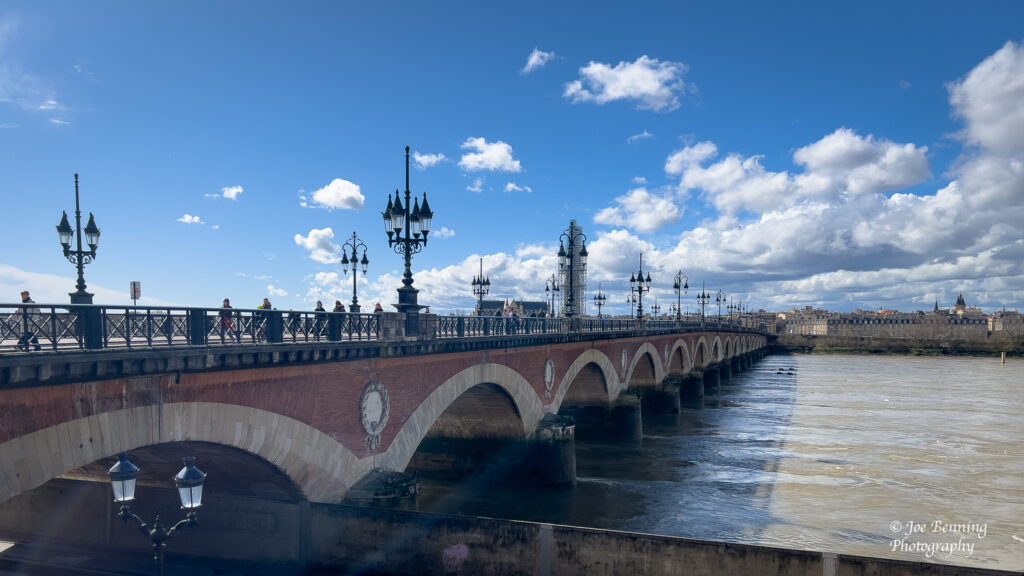
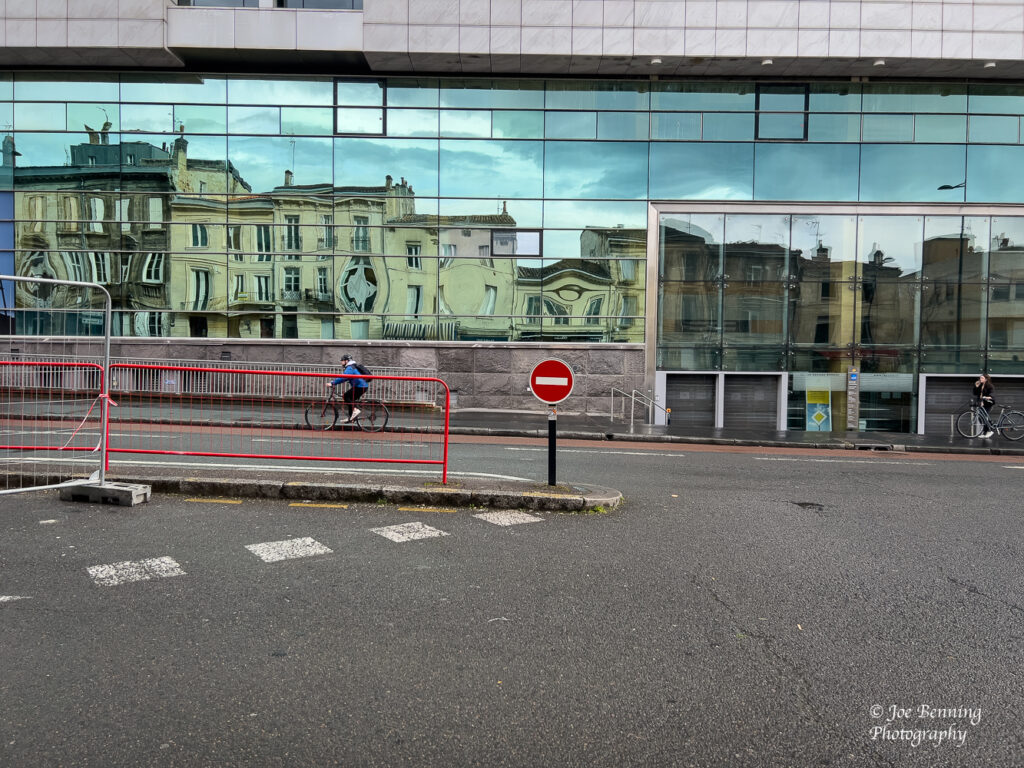
It’s been a while. Still recovering from 7 weeks in Bordeaux, and getting things up to date at home.
But we are on the road again. For a weekend trip we headed out to Roanoke VA. Among other things we wanted to travel along the Skyline Drive, see more of the Shenandoah Valley and finally, to visit the Appomattox Court House where General Robert Lee surrendered to General Grant, ending the US Civil War.
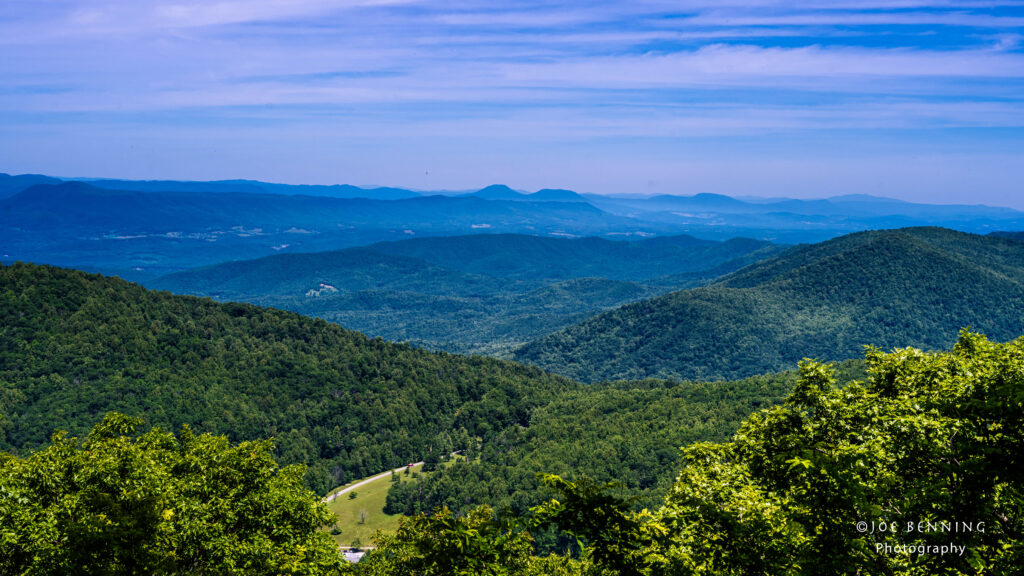
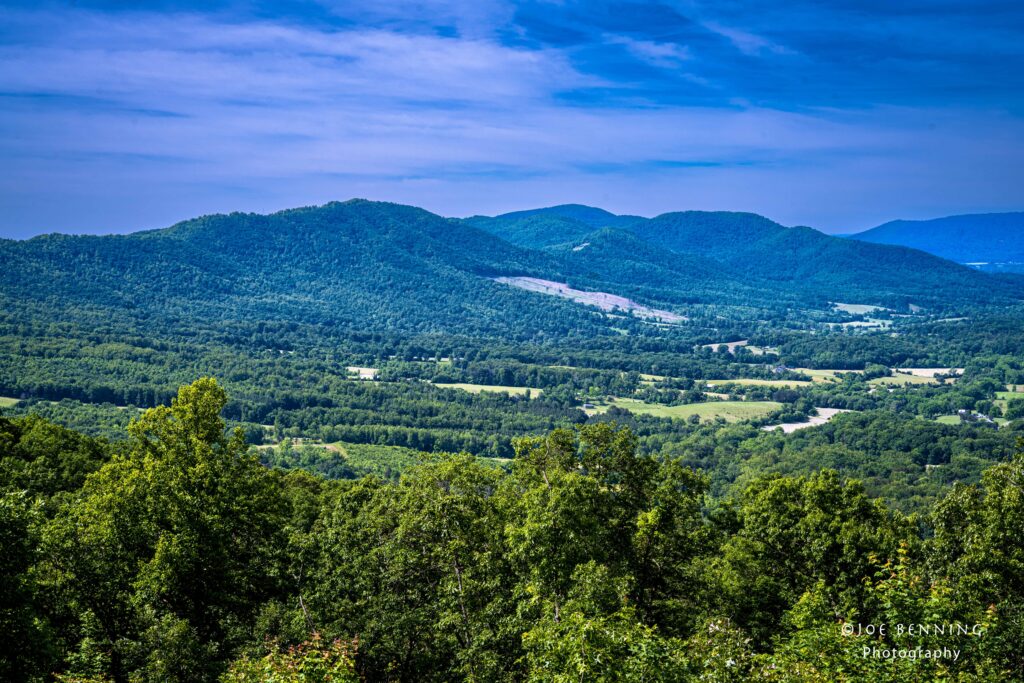
The Skyline Drive was spectacular as usual. Here (below) are a couple of shots taken from the road that overlooks the Shenandoah Valley with the Blue Ridge Mountains in the distance.
Bedford, Virginia, USA — June 1, 2024. A photo overlooking the Shenandoah Valley near the Blue Ridge MountainsBedford, Virginia, USA — June 1, 2024. A photo overlooking the Shenandoah Valley near the Peaks of Otter close to Roanoke Virginia.
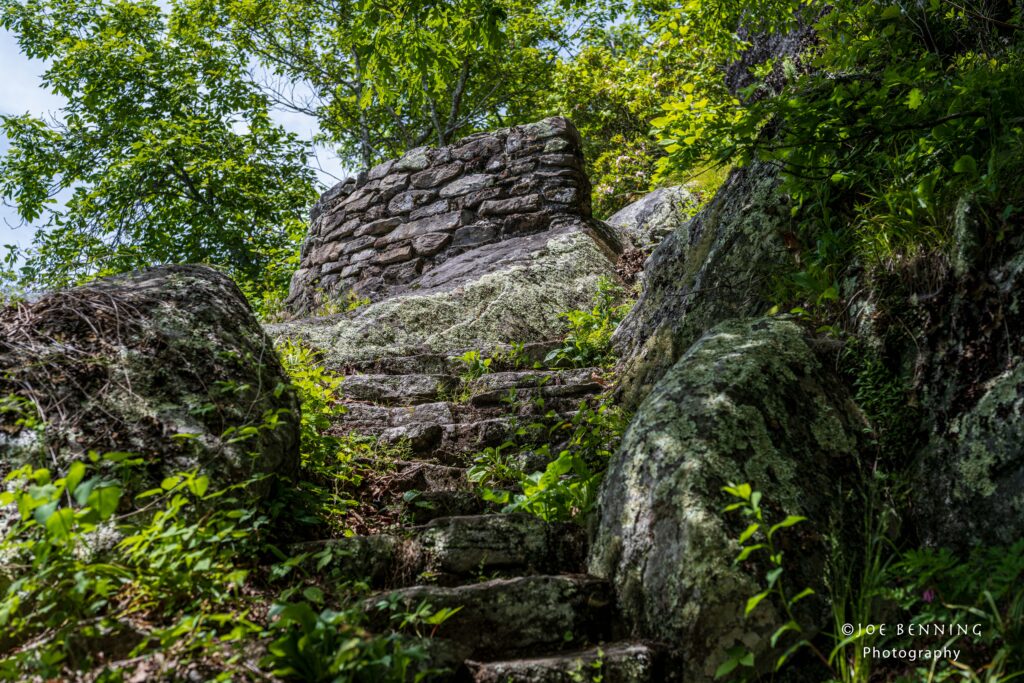
We also visited the Peaks of Otter, a series of mountains close to Roanoke, where you can take a bus up to the peak. Except that once you get there, the “short walk” up to the peak is more like a climb on the rocks. Anyway, we gave it a try and made it most of the way up before turning back to catch the bus back to the lodge. Here (below) is a photo of a section of the trail that makes up the “short walk”.
A photo looking up a narrow hiking trail in the Blue Ridge Mountains.
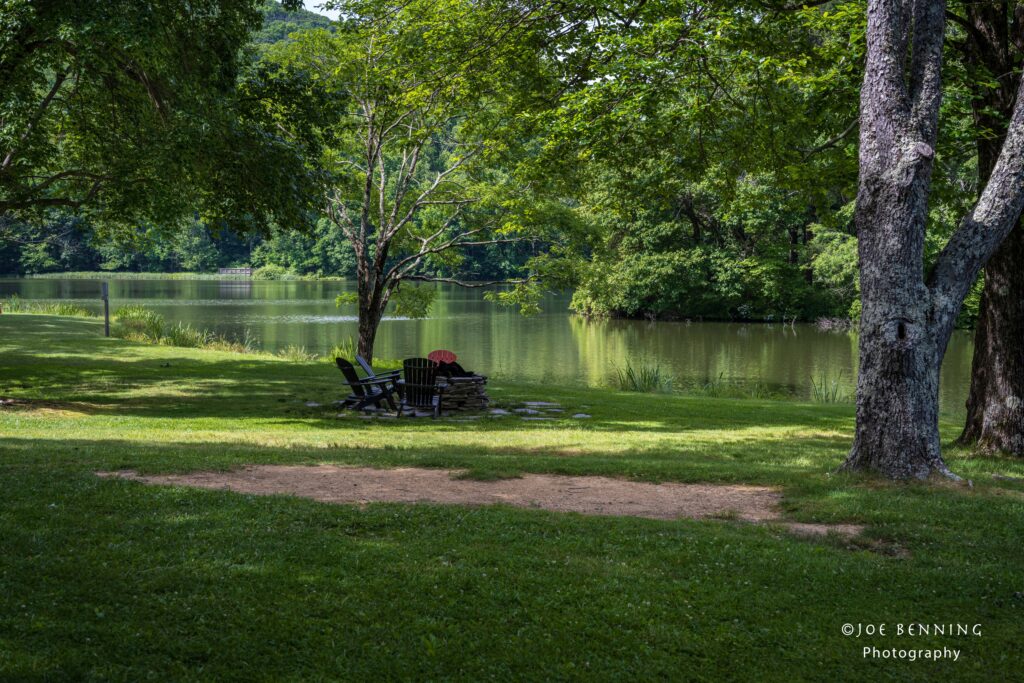
The property that the lodge was on was quite nice; we visited a picnic grounds there next to a lake.
A photo of a picnic area by a lake in the Shenandoah Valley in Virginia
The next day we headed off to the Appomattox Court House. More about that another time–but not too long from now.
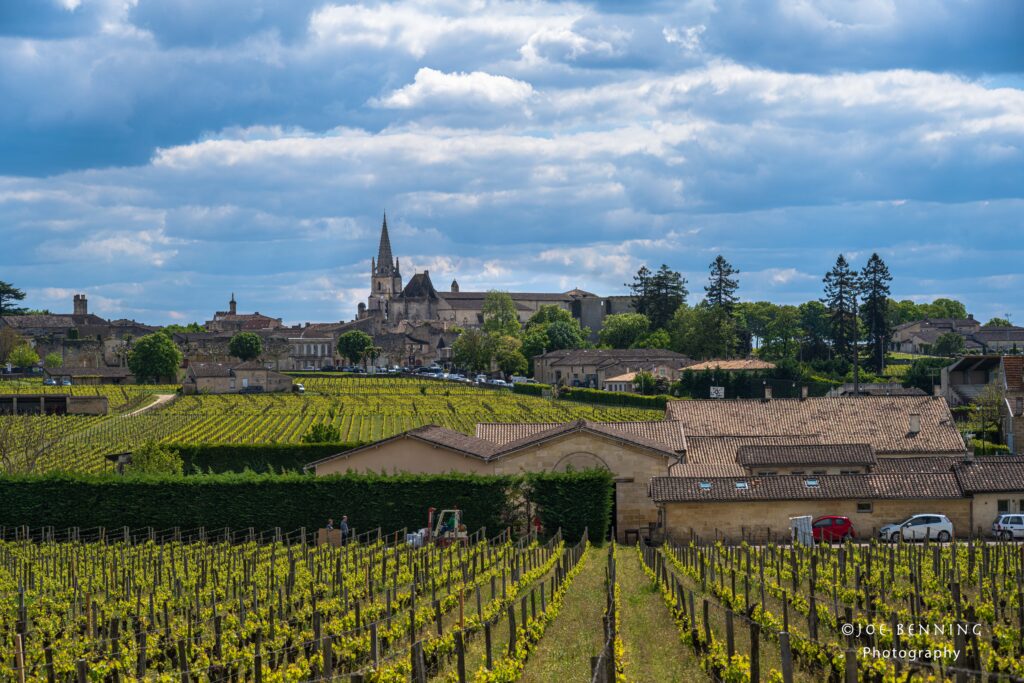
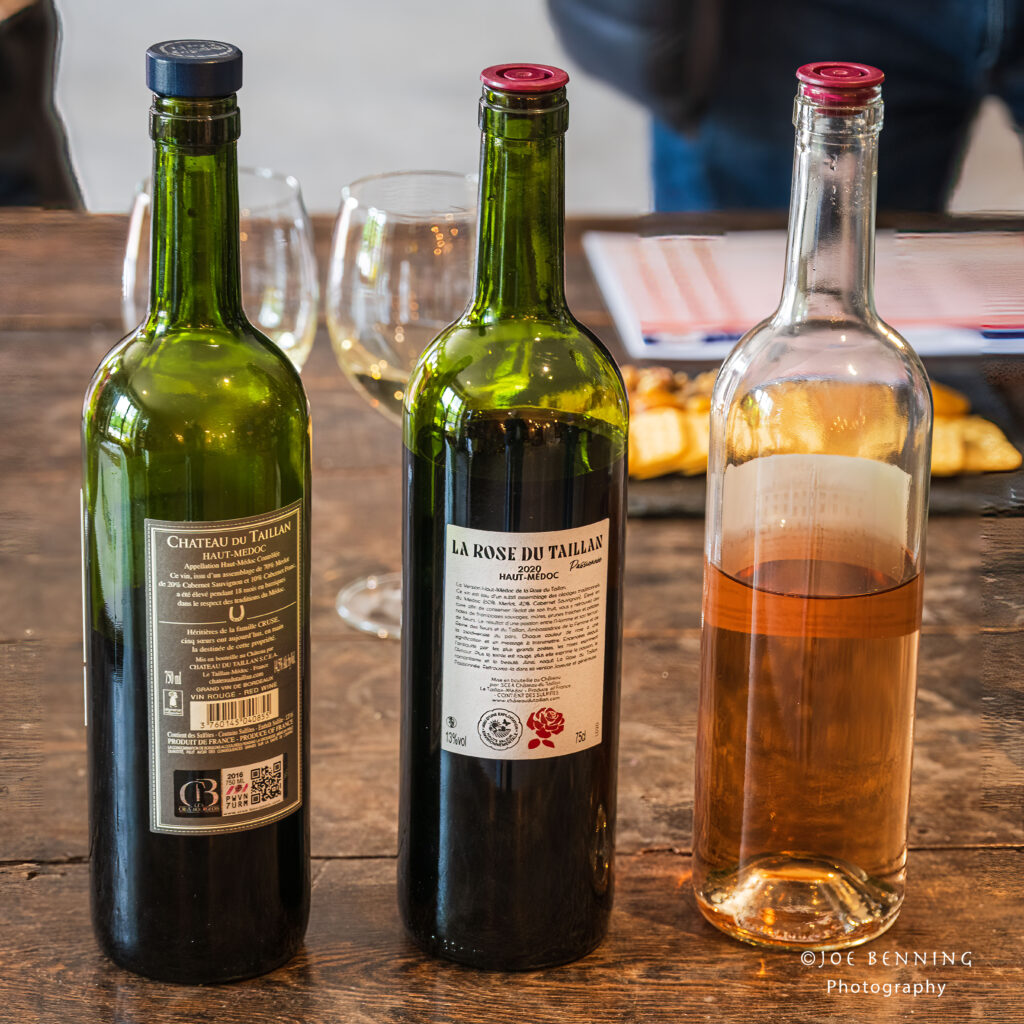
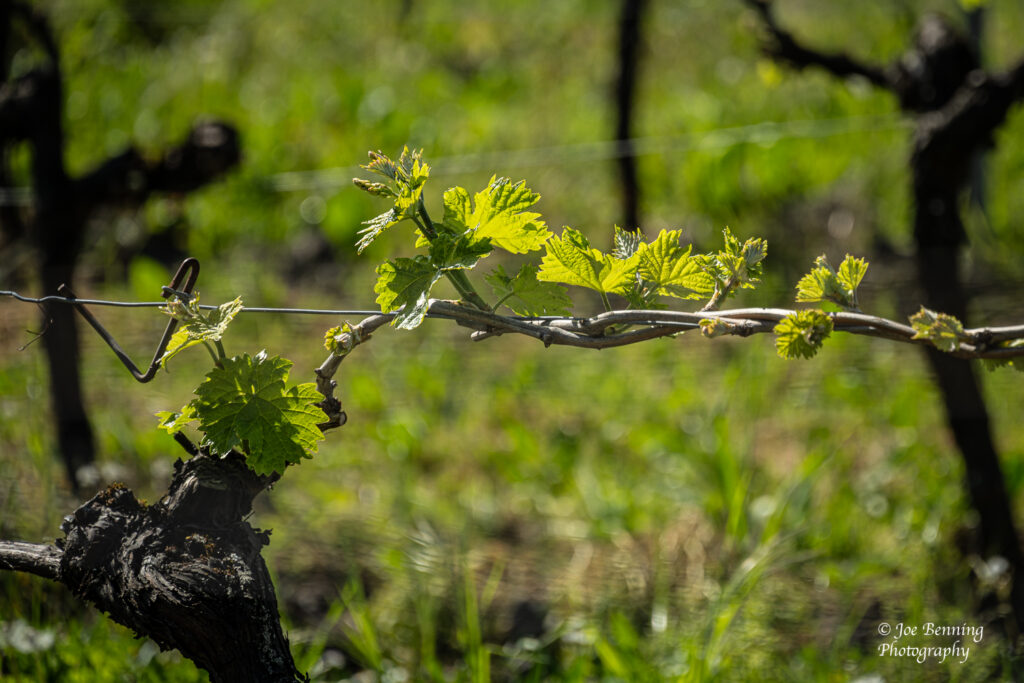
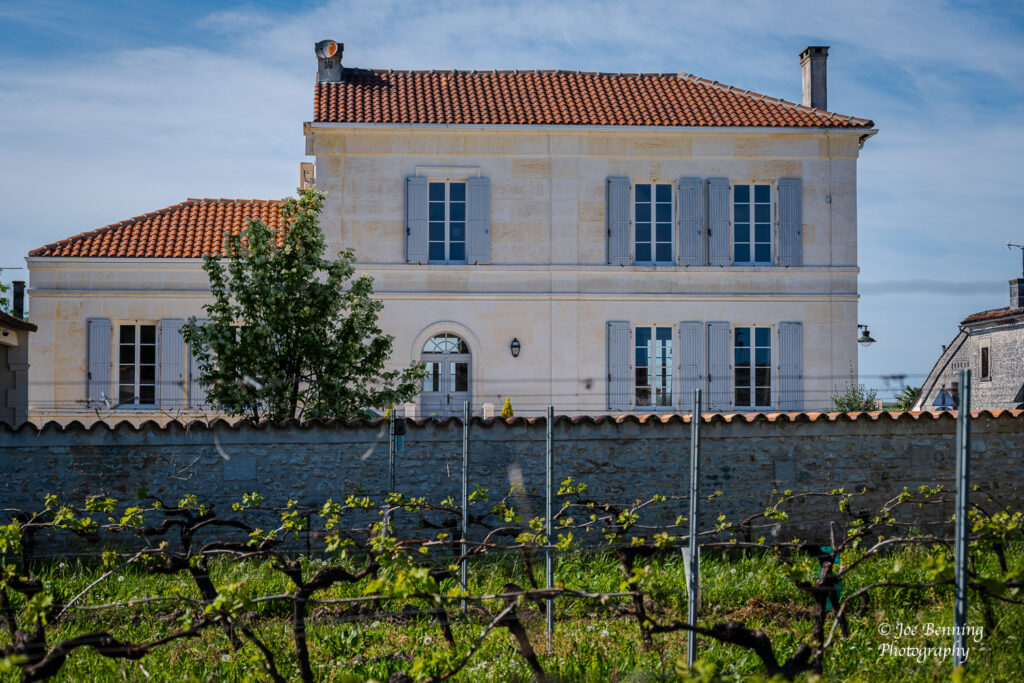
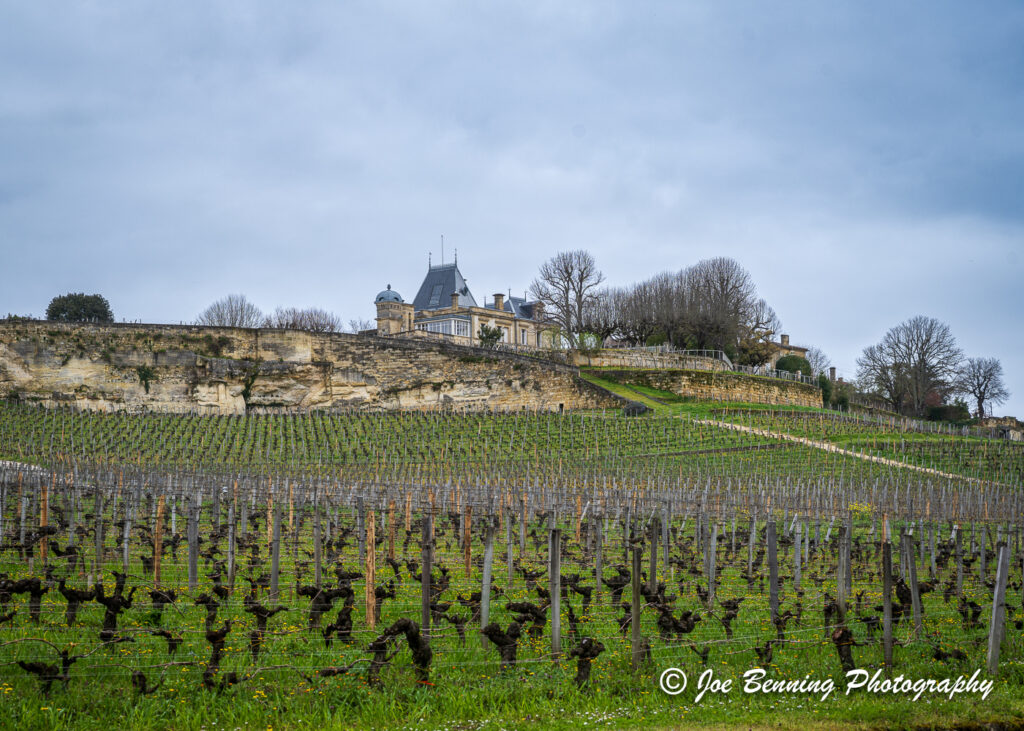
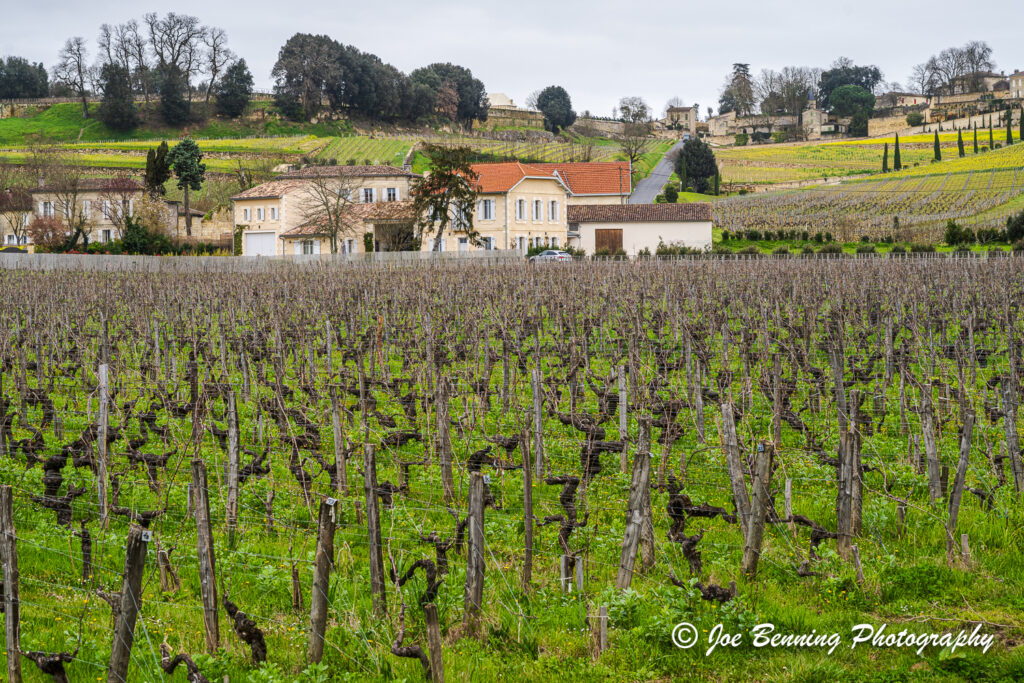
Well, it’s about time to wrap up the trip to Bordeaux. The last few days we were very lucky to be accompanied by glorious weather as well as our friends Sally and Michael. Fittingly enough, at least as far as we were concerned, we spent the end of our trip in St Emilion and Medoc where we tasted lots of wines. Mostly reds and an occasional Rose. We did have the occasional white Bordeaux, but for the most part the vineyards produce reds.
Vineyards in St Emilion
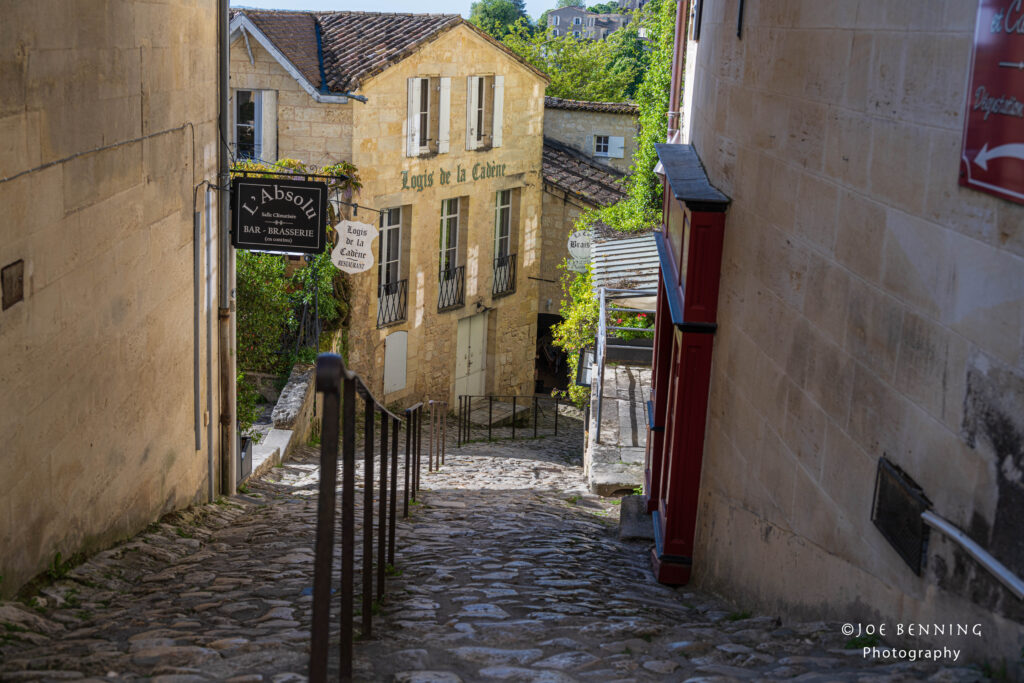
The Village of St Emilion
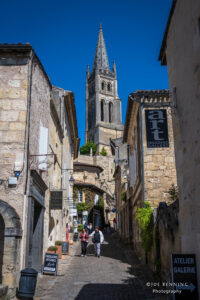
Monolithic Church Tower in St Emilion
The wine business is very labor intensive and migrant workers, often from Spain, Italy and Portugal come to pick the grapes. The larger producers claimed to have about 70 to 80% of the grapes picked by machine. Some of the smaller ones (and some that were not so small) had their grapes picked and sorted by hand.
Bordeaux is the the premiere wine producing region in France, and arguably the world. The region boasts thousands of producers, most of them small. Estimates of total production vary wildly. We heard estimates that ranged from 200 million bottles to 700 million, so take your pick. I suppose 200 million probably refers to the better quality wines.
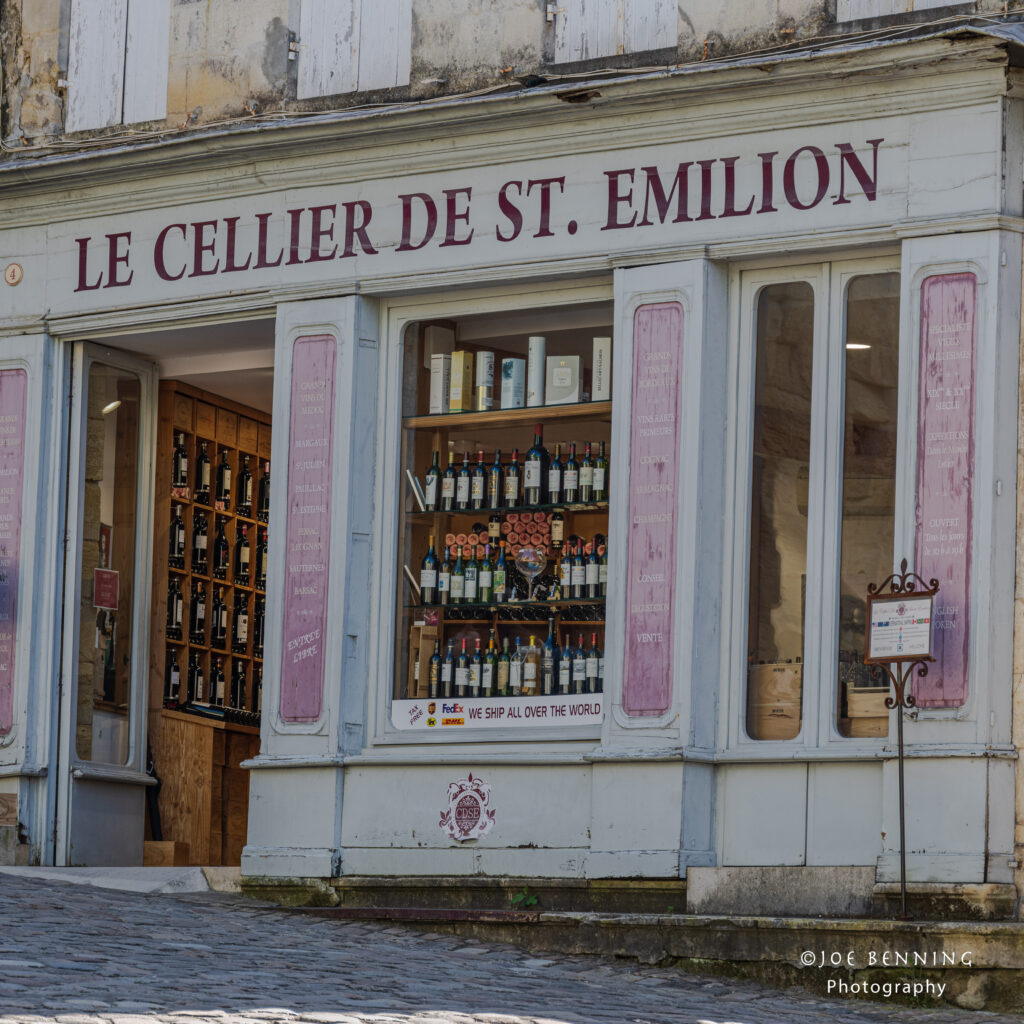
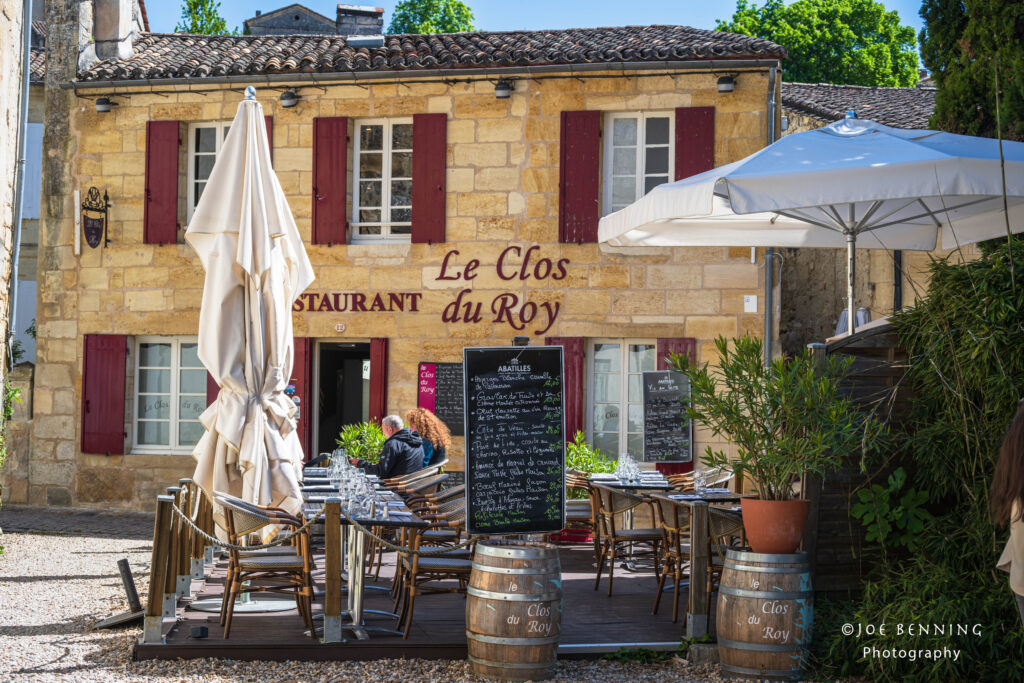
Wine Shop in St EmilionLe Clos du Roy
About 90% of the wines produced are red, with the remaining 10% being white. The red wines rely primarily on three grapes: Cabernet Sauvignon, Merlot and Cabernet Franc. A little but of Malbec finds its way into the mix as well. (Lots of the Rose that is produced comes not from Bordeaux, but from Provence.)
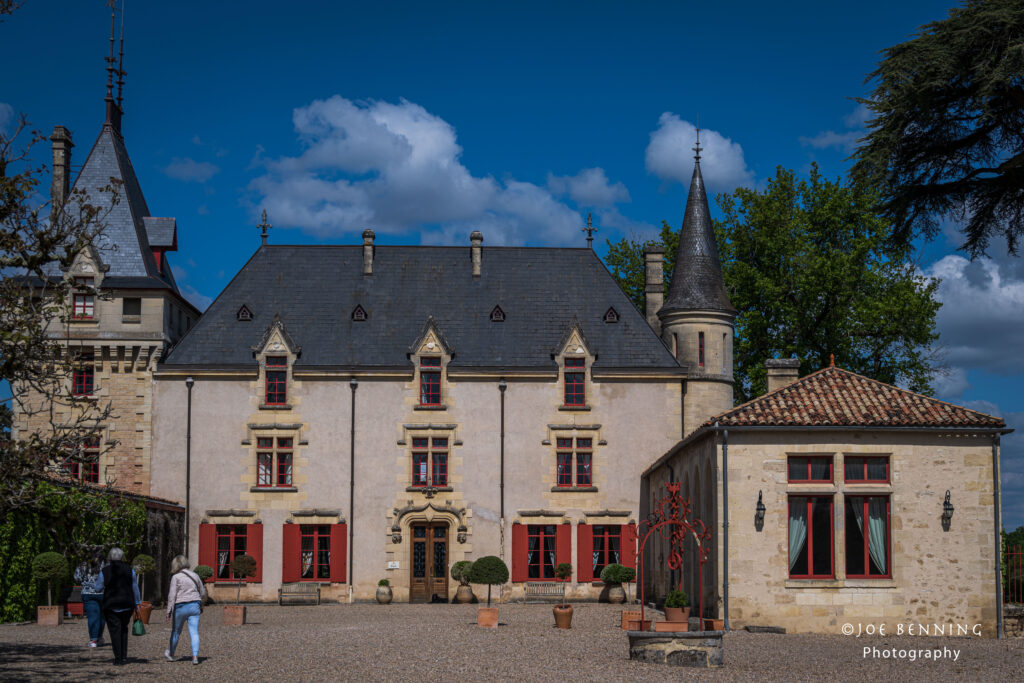
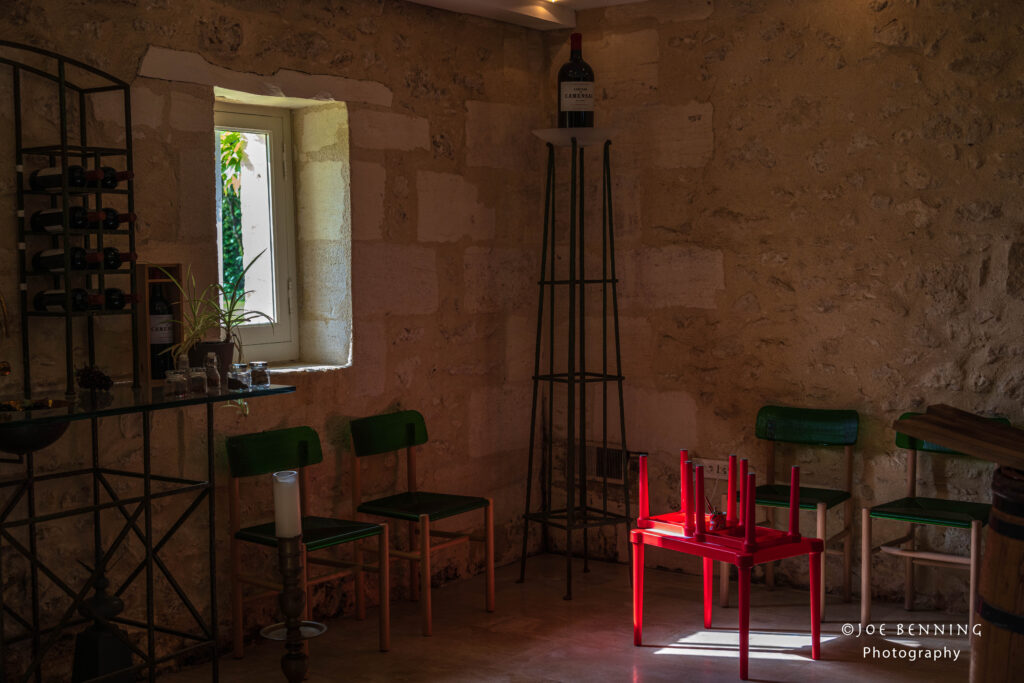
Chateau de Pressac., St EmilionInsude Chateau de Camensac in Medoc
All in all a good time was had by all; and it’s probably not the last time we’ll be spotted in France.
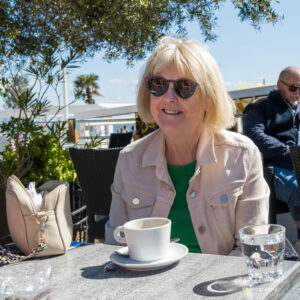
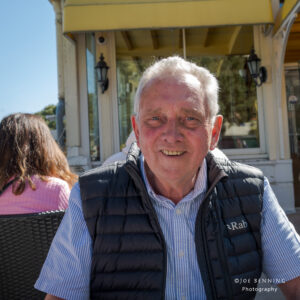
As our trip to Bordeaux was drawing to a close, our good friends Sally and Michael Oxlade, from the time we lived in England, flew down to Bordeaux to join us. We spent the next several days catching up, tasting wines at various vineyards and touring around.
Sally Duckworth
Michael Oxlade
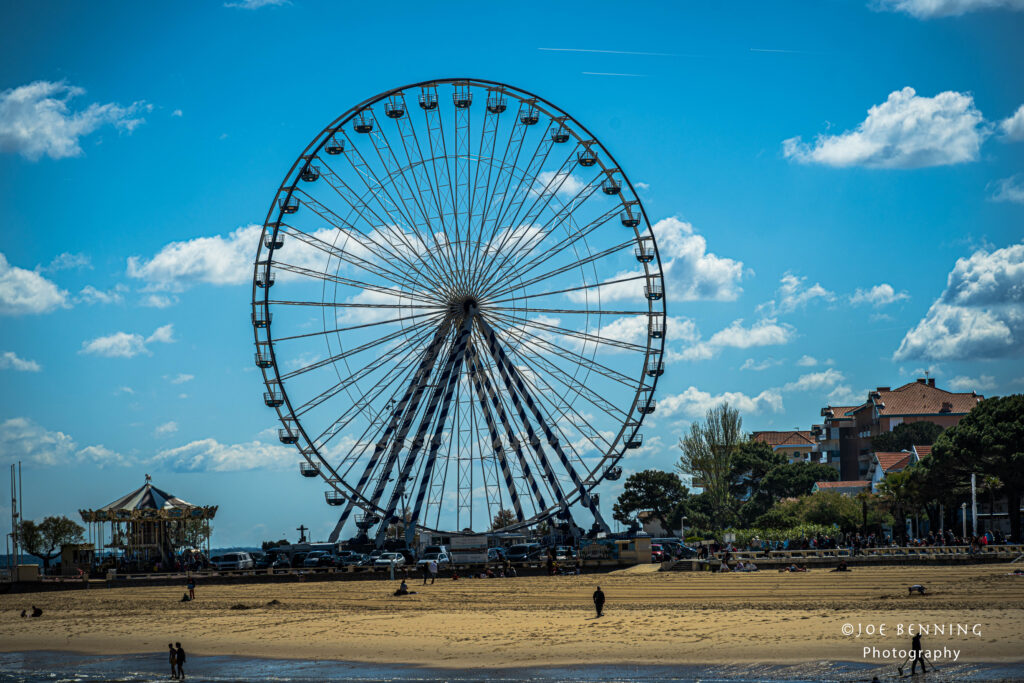
After meeting in Bordeaux, the next morning we drove out to the beach resort town Arcachon where we spent the night. While there we took a ferry out to Cap Ferret and had lunch at a fabulous restaurant.
Photo of Ferris Wheel on Cap Ferret Beach
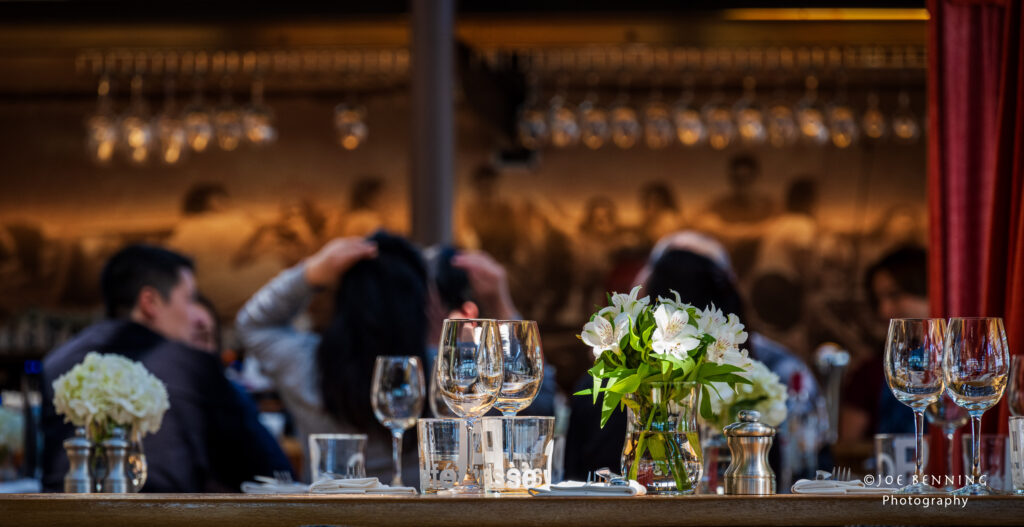
Arcachon and Cap Ferret are famous for their oysters and other sea food, which we had along with, of course, some great wine.
Seafood Bar & Restaurant in Cap Ferry
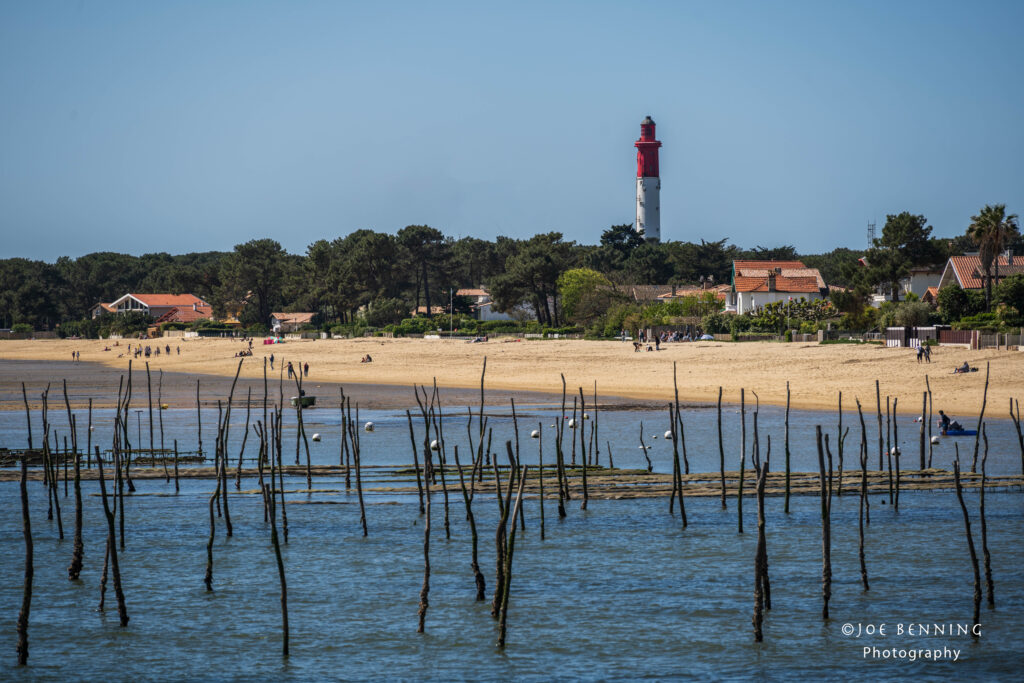
Easily seen from the beach area is the Cap Ferret Lighthouse.
For some reason or other the oysters cling to sticks planted nearby in the ocean (see photo above) where they are easily caught and ready to be eaten—for those who like raw oysters. Mary Anne and I can be counted out on that score.
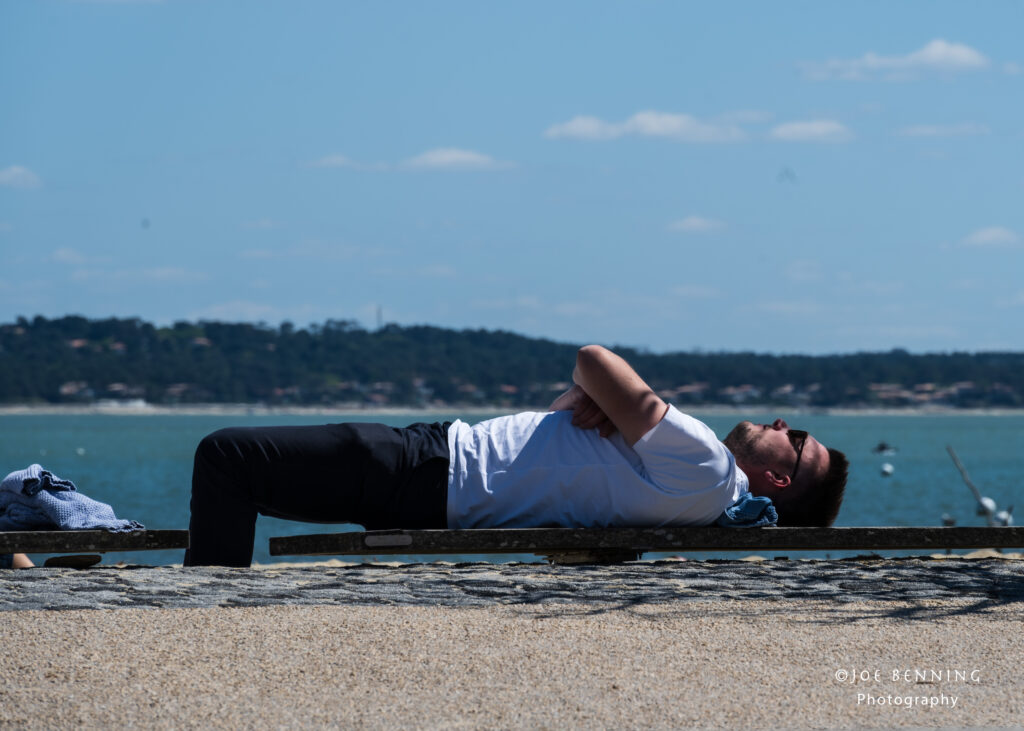
Young Man Catching Some Sun
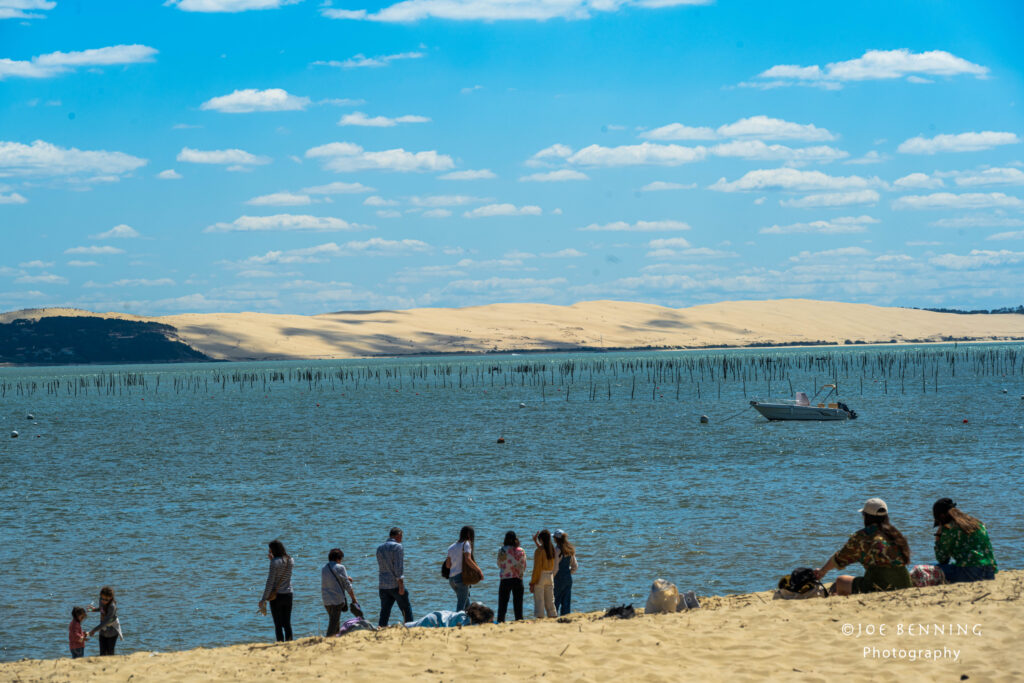
The beaches at Cap Ferret were very peaceful, probably because it was just before the tourist season really gets rolling. In any event, there were people on the beach, but not many were in the water, almost certainly because the weather hadn’t yet warmed up enough for swimming.
People on the beach at Cap Ferret across from the Dunes on Arcachon
After dinner back in Arcachon, we turned in and headed off to do some wine tasting in St Emilion the next day. More about that in another post.
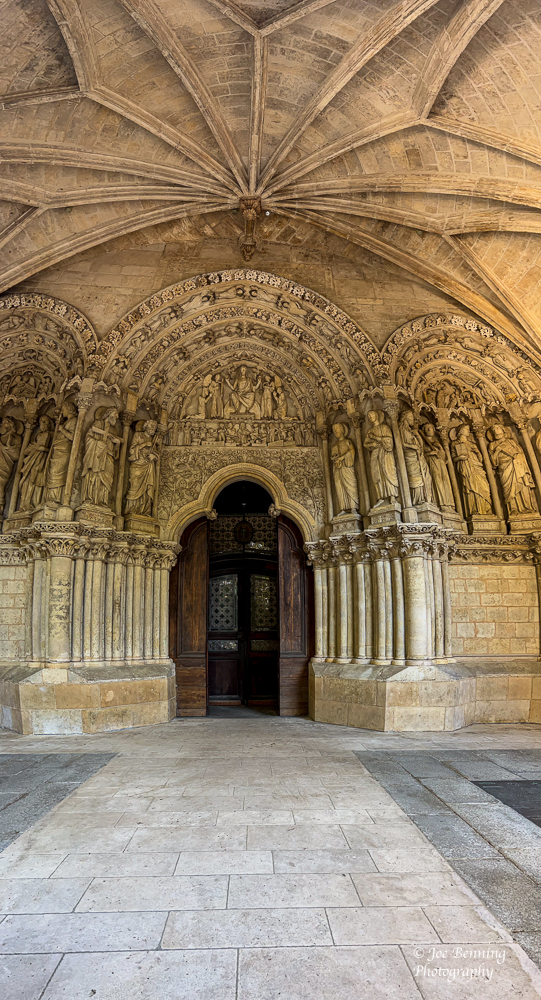
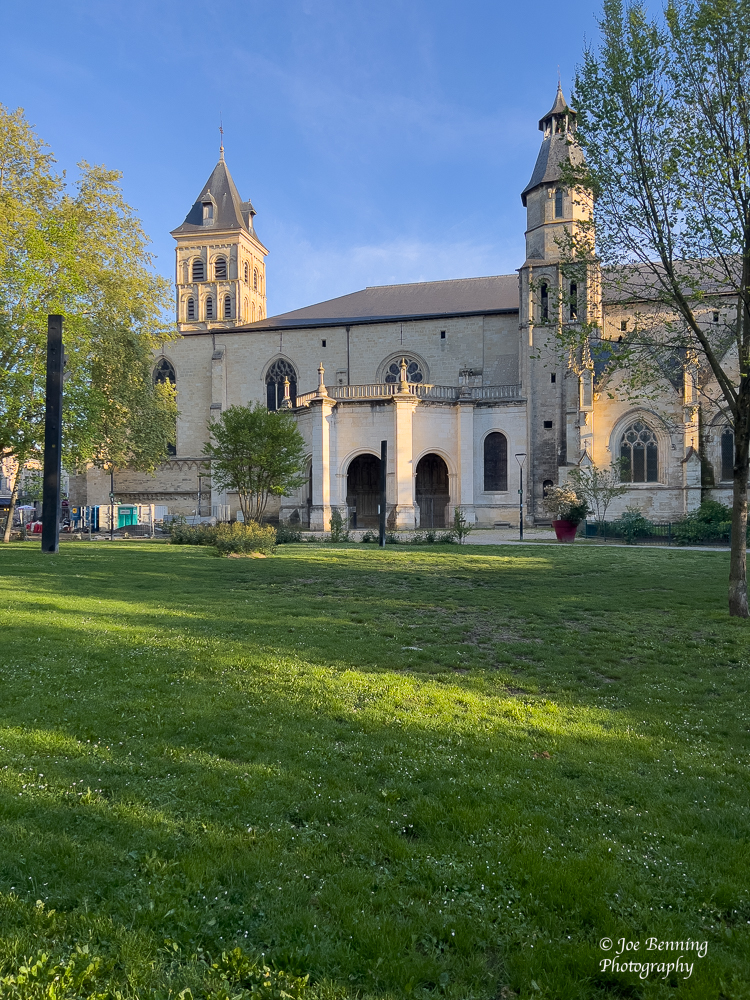
We had beautiful weather during our day trip to Cognac. The next day, Sunday, was also very nice in Bordeaux. We hiked over to to the Basilica (Basilique Saint-Seurin) for the 9:00 AM Mass which was, of course, all in French.
The building of the Basilique Saint-Seurin de Bordeaux (Basilica of Saint Severinus in English) was begun in the 11th century. At first the construction was in Romanesque style. Later additions incorporated Renaissance and Gothic styles. In 1998 UNESCO designated Saint-Seurin, along with three other churches, as World Heritage Sites.
In the late afternoon we trekked over to the Bourse to see if the fountains that constitute Le Miroir d’eau de Bordeaux had been turned on, but as of today the fountains are still off. So: no fountain, so no water, so no reflections. Oh well.
Since we were in the neighborhood we killed a little time with some vin rouge and then had a casual dinner in the area. And later what did we do? We got ready for French class on Monday morning.
So now we are in the last week of the Road Scholar program. We’ll meet our friends Sally and Michael in Bordeaux on Saturday and do some touring in the surrounding area. Without having homework to do.
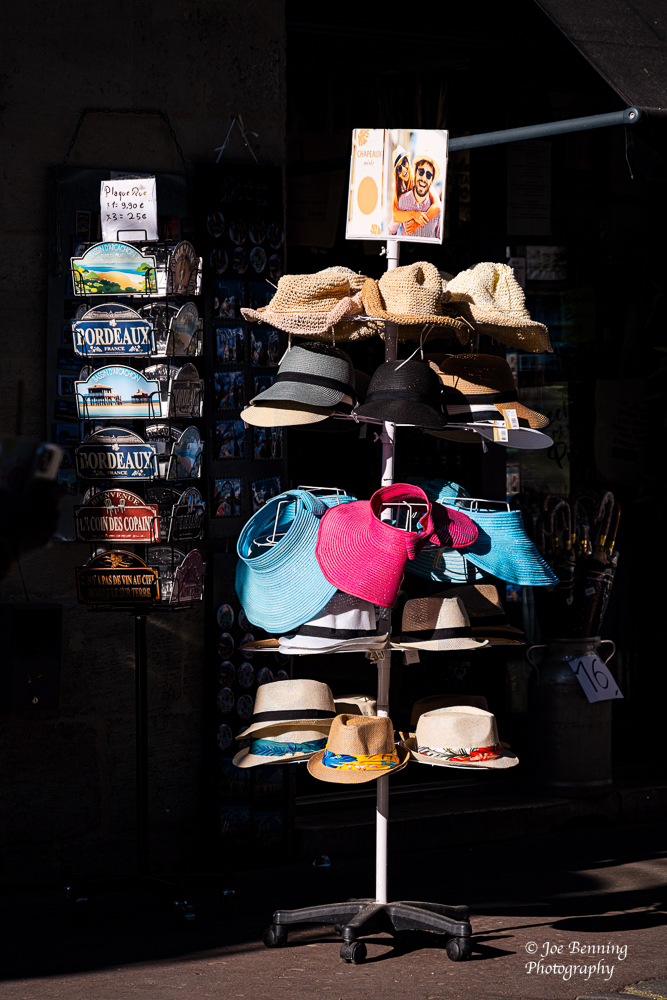
Hat Rack Outside a Retail StoreA Busker in Bordeaux
After a mildly harrowing week, five of us set off for a guided tour of Cognac. The guide picked us up at our hotel and we drove off on our way to Cognac. It’s a pleasant drive of about an hour and a half through the French countryside, similar to the drive to the Médoc region. But now that we are a couple of weeks into Spring the scenery is noticeably greener.
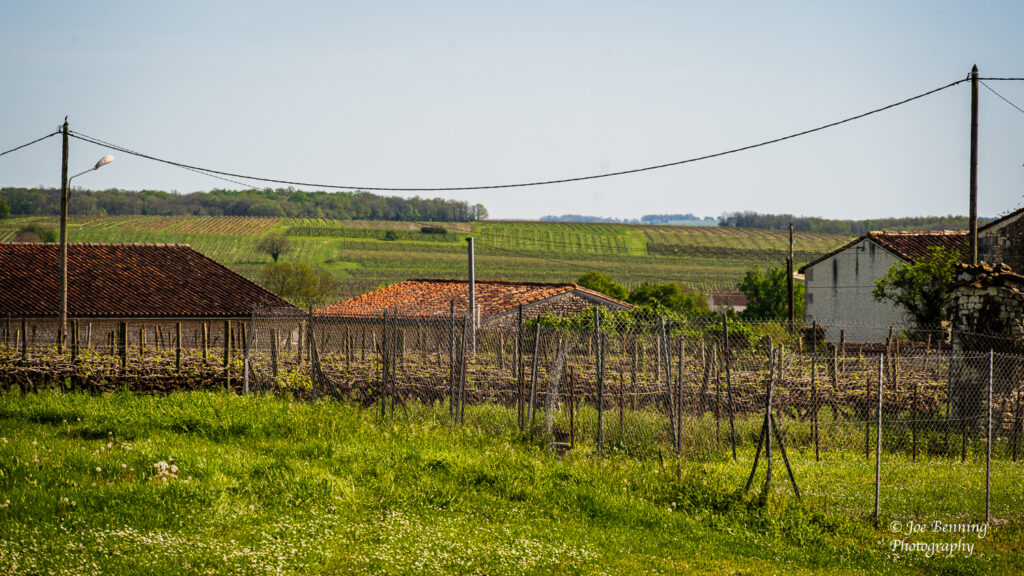
A telephoto landscape shot of farmland in Cognac, France
When we got to Cognac we visited the village’s outdoor market. Apparently just about every village in France has a market where the townspeople buy produce and other groceries while the tourists buy souvenirs. After a stroll around town and the market we made our way to a first rate restaurant for a delightful lunch before heading out for some Cognac tours and tastings.
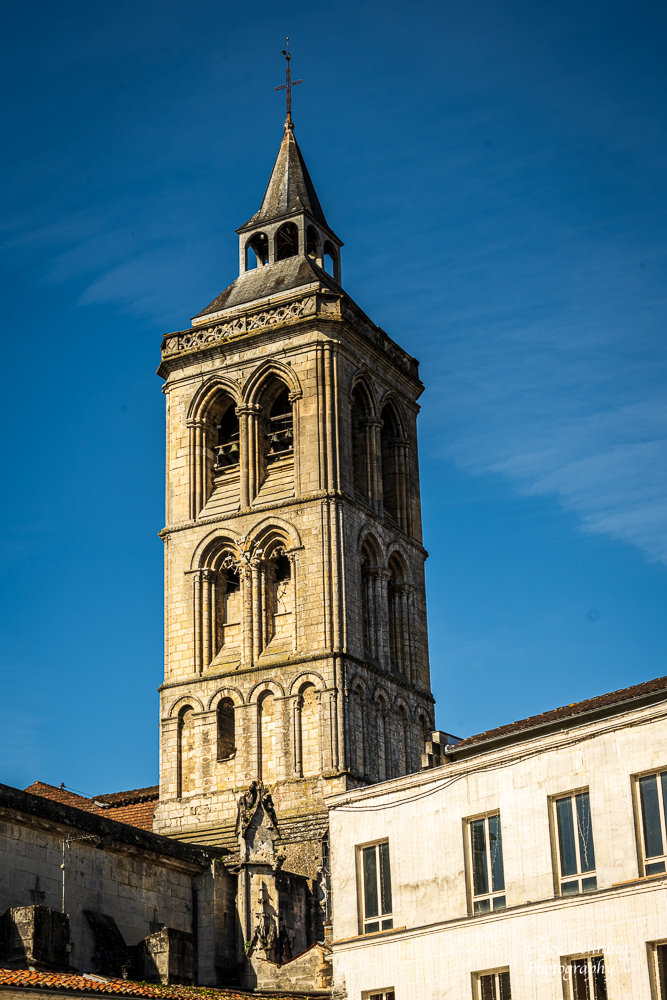
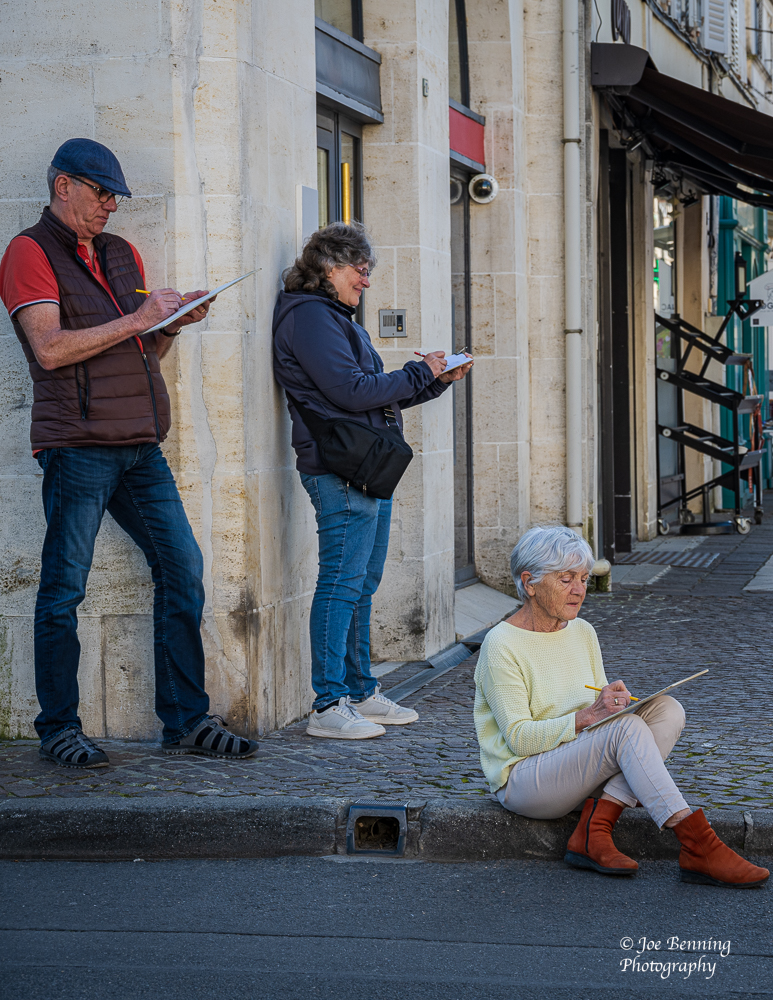
A telephoto shot of the tower of Tower of Église Saint-Légere de CognacA telephoto picture of artists sketching Église Saint-Légere de Cognac from across the street
Cognac (the drink) starts off as a white wine, but after several distillations it turns into hard liquor. By the rules (in France there are rules for everything) the alcohol content of Cognac is 40%. Anything more or anything less and it cannot be called cognac. It’s still a brandy—just not cognac. And it has to be distilled by the March 31 deadline to be labeled a cognac. April 1 and you are out of luck. Rules, rules and more rules.
Anyway the info about alcohol content brought a dawning realization to me. It explained why I felt so awful the next morning after a late night that included—cognac.
Leaving that aside we visited one large cognac house (Hennessy) and a newer and much smaller family operation that also served as a supplier to Remy Martin. As it turns out the big houses (among them Hennessy, Remy Martin, Martell, Courvoisier) all rely on smaller operations to supply them with the raw material that their Master Blenders use to make the final product.
A longer exposure shot taken in the cellars of Hennessy Cognac
There are thousands of small farms that act as suppliers. They are all in the cognac region and they are all subject to the same rules e.g. — the March 31 distillation requirement—before the large houses will even consider them. Among them, the small farms supply about 70% of the raw material the Master Blenders use.
Close-up photo of young grapes on the vine in Cognac
The Master Blenders are so named because they may mix vintages to produce a consistent taste for their respective houses and brands.
Photo of a house right next to a vineyard for making Cognac
Needless to say we did our share of tastings. One was at Hennessy; the other was at a producer named Raison Personnelle. At Raison Personnelle we were also treated to a series of pairings of cognac and chocolates. They were all quite delicious.
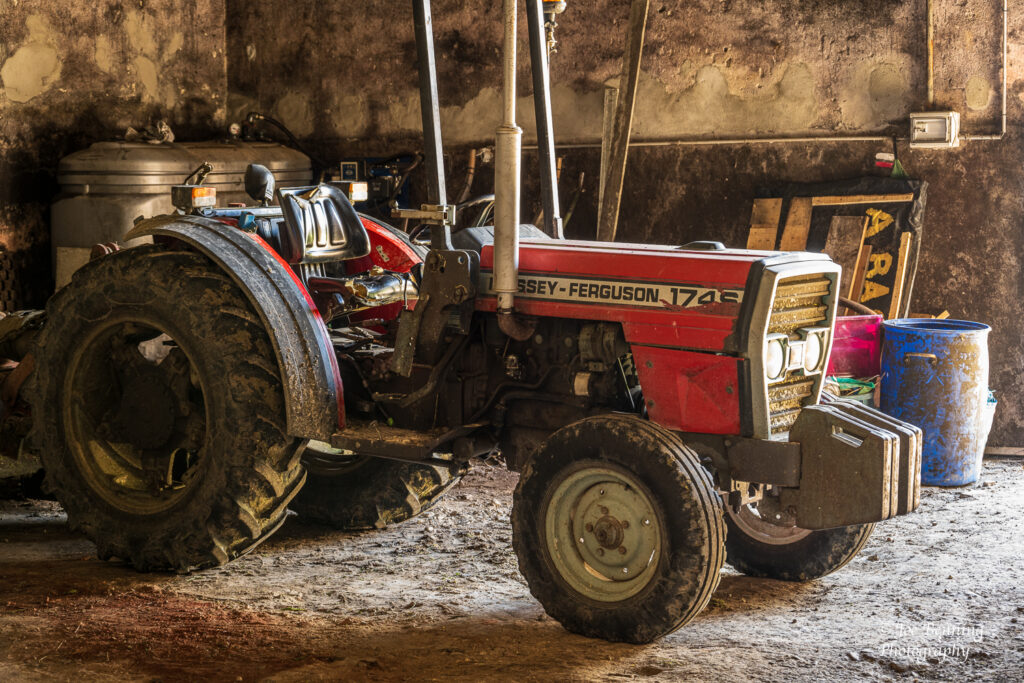
Gear for Running the Vineyard
A little known factoid about the cognac business: about 20 years ago the industry hit a rough patch and sales were declining. Then Courvoisier began to advertise using rappers and sales once again took off. Sweat pants, shirts and gold chains turned it around. At least according to the lore.
Anyway that sums up our very excellent visit to Cognac, along with several photos.
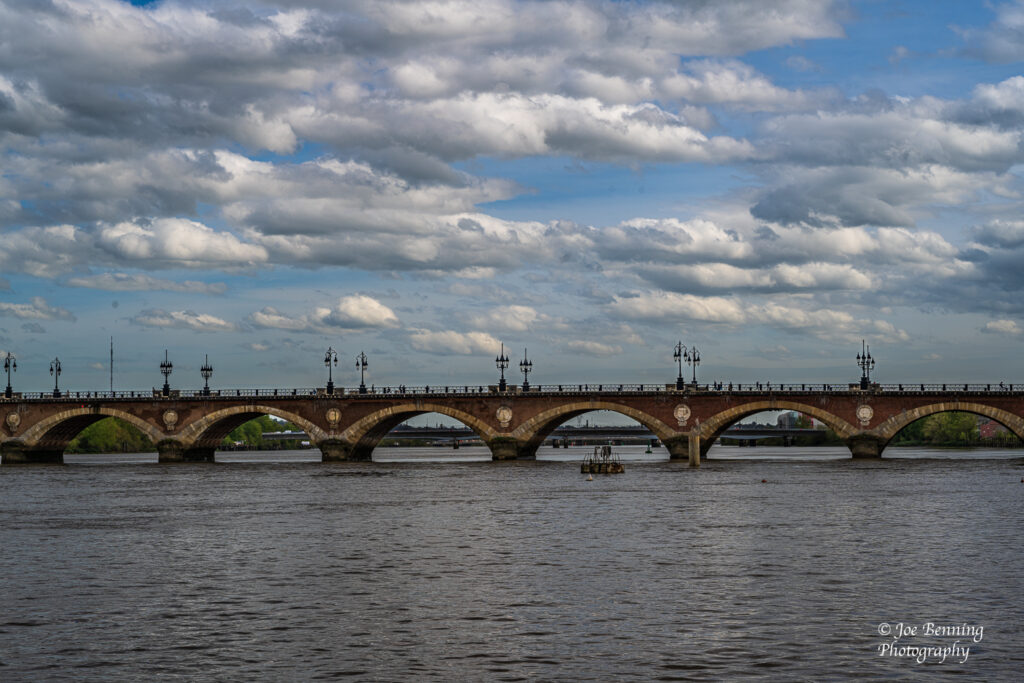
This week—during the week—we’ve been kind of hanging out in Bordeaux and going to French class. Among other things we took a couple of boat rides up and down the Garrone river where we could get a view of some of the bridges that cross the river including the Stone Bridge that we cross every day on the way to class.
A ohoto of Stone bridge over the Garonne River in Bordeaux
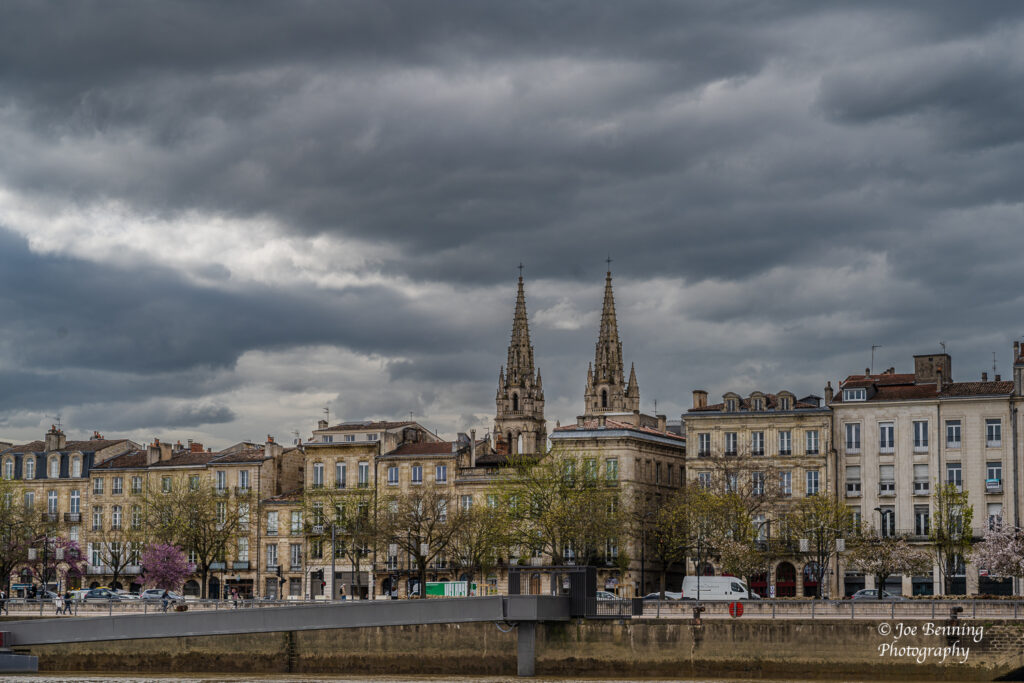
From the river La Cite du Vin is clearly visible as is Le Bourse and other famous buildings.
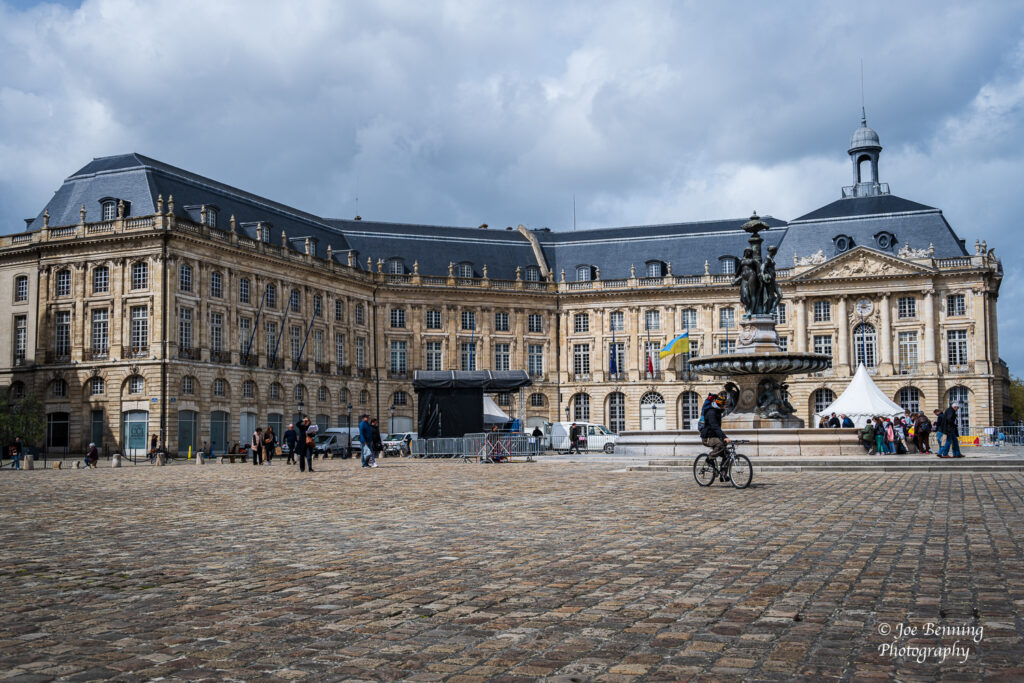
A photo of the square next to where the Bourse is locatedA photo of Bordeaux from a cruise on the Garrome River on a cloudy day
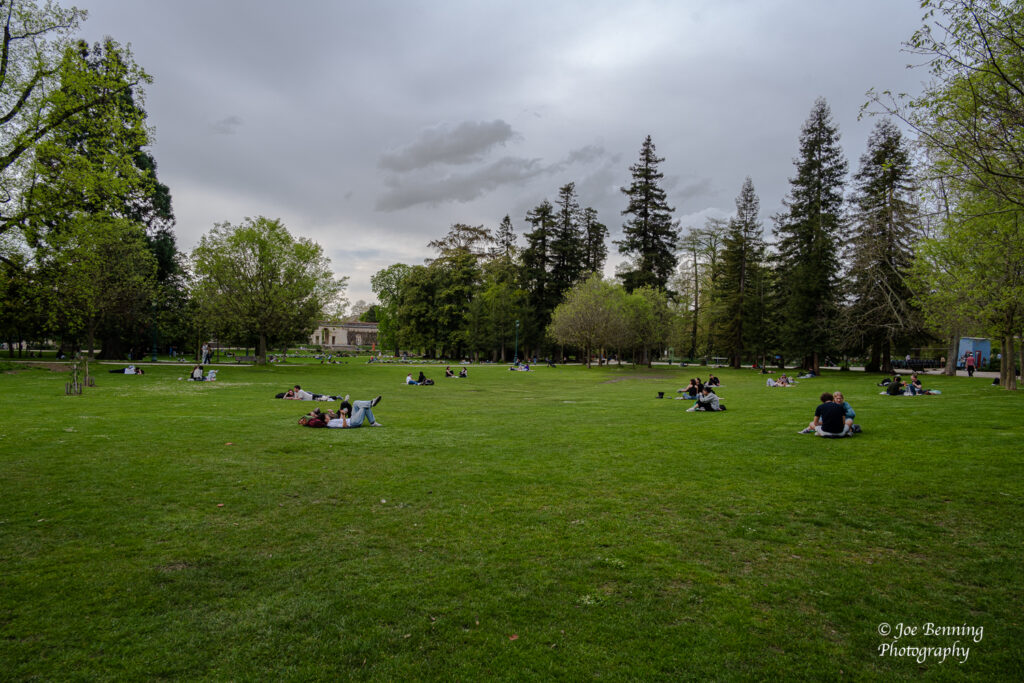
We visited the public gardens again, and it is amazing how quickly they turned green from just a week or so.
Photo of people relaxing on the lawn of the public gardens in Bordeaux
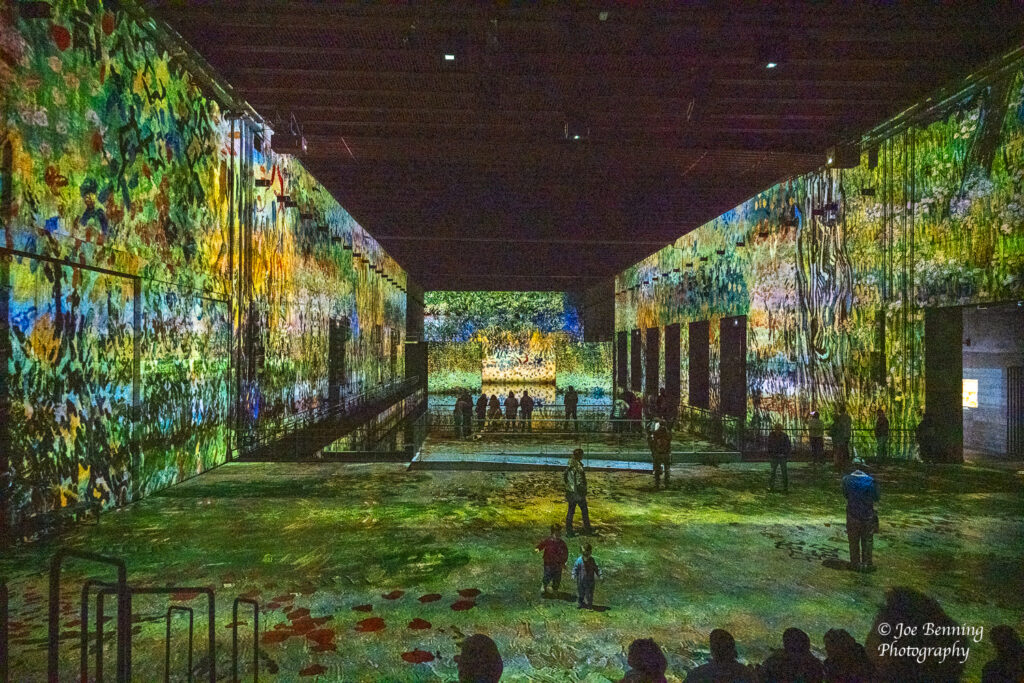
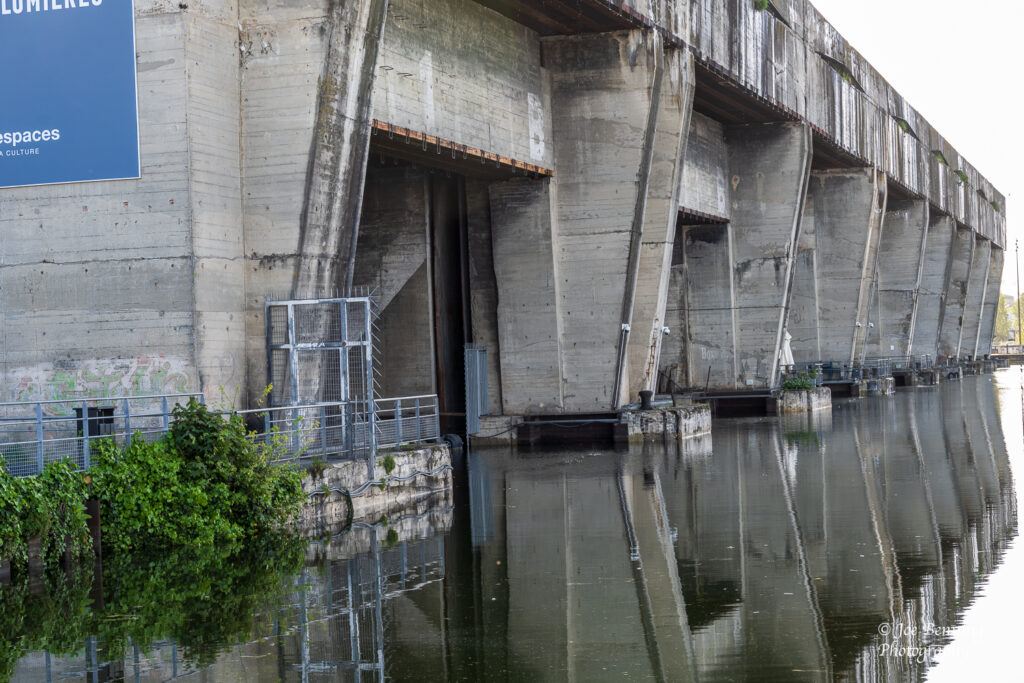
Finally we went to a light show in an immersive art center known as Des Lumiéres. The art center is essentially a converted submarine basin the Germans built and used during the occupation. Since it was almost indestructible, France repurposed it as an art center.
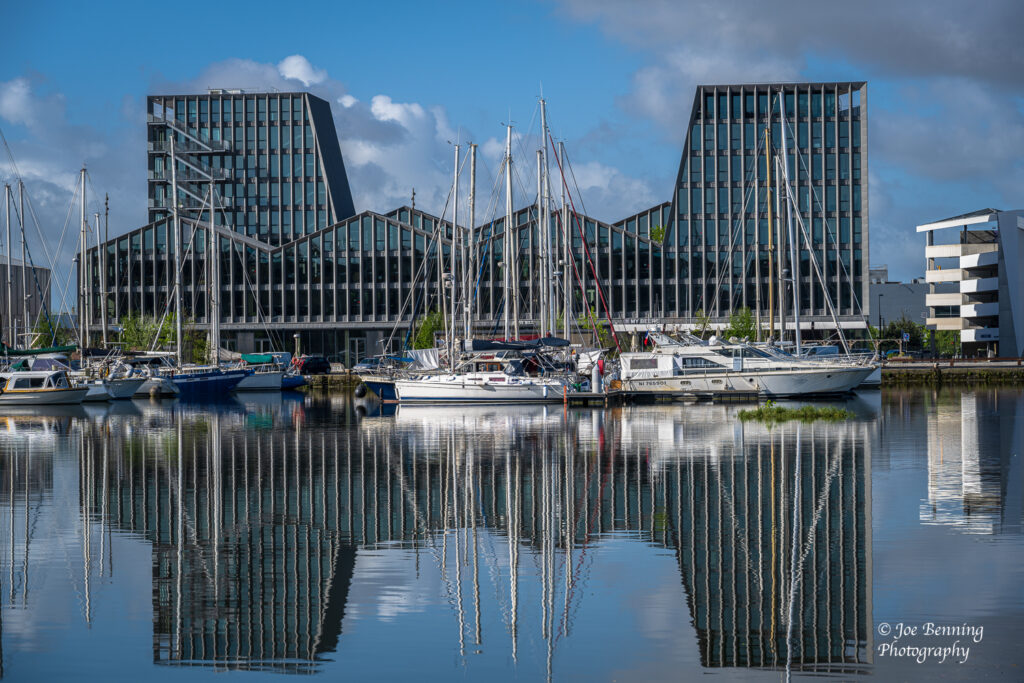
Immersive Light ShowBridge Outside Submarine BasinHarbor Outside by the Submarine Basin
Some photos from our travels are included in the post. This Saturday we are planning a day trip to Cognac. We hops to have photos from that trip to post next.
Along with Gerry Ponto we went took a train ride out to Sarlat in the French countryside for a weekend visit. Sarlat, in the Dordogne valley, has a reputation for being a stunningly beautiful village. It is undoubtedly that, and much more. Sarlat is surrounded by other beautiful and picturesque villages, complete with medieval castles and houses. And the Dordogne river snakes through the whole area.
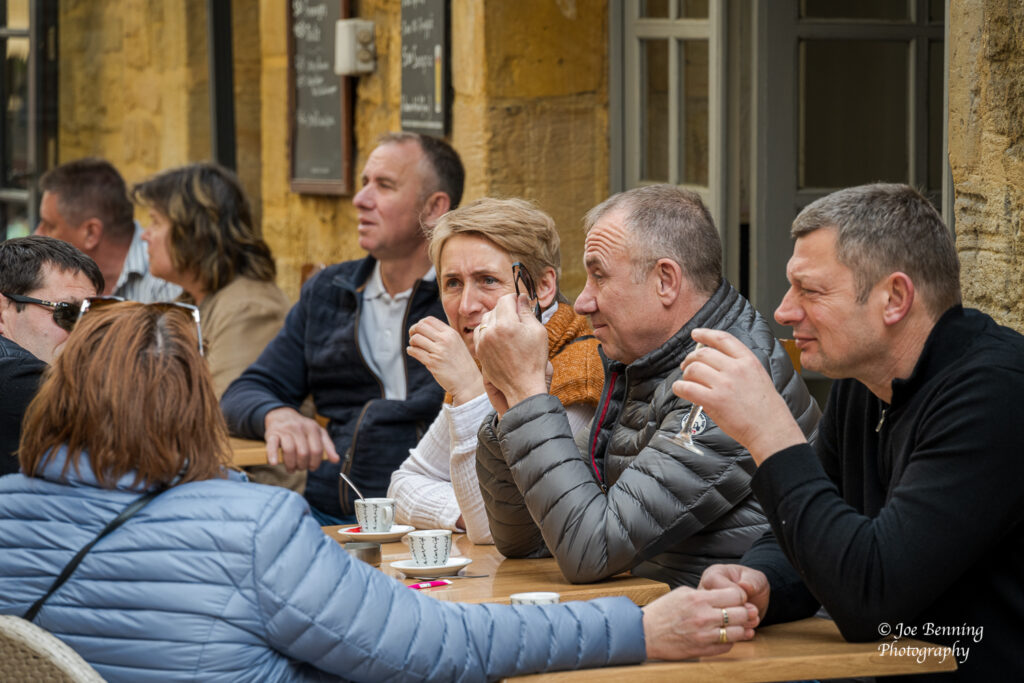
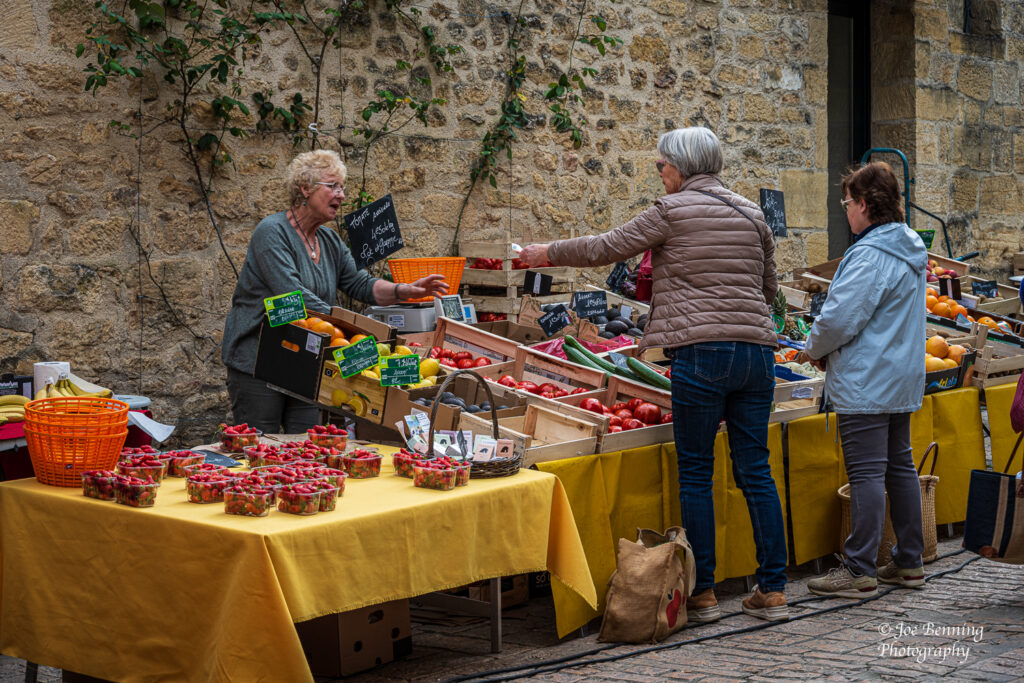
Sarlat, France — Locals enjoy a cuop of coffee at an outdoor cafe in Sarlat.Merchant makes a sale from her fruit stand
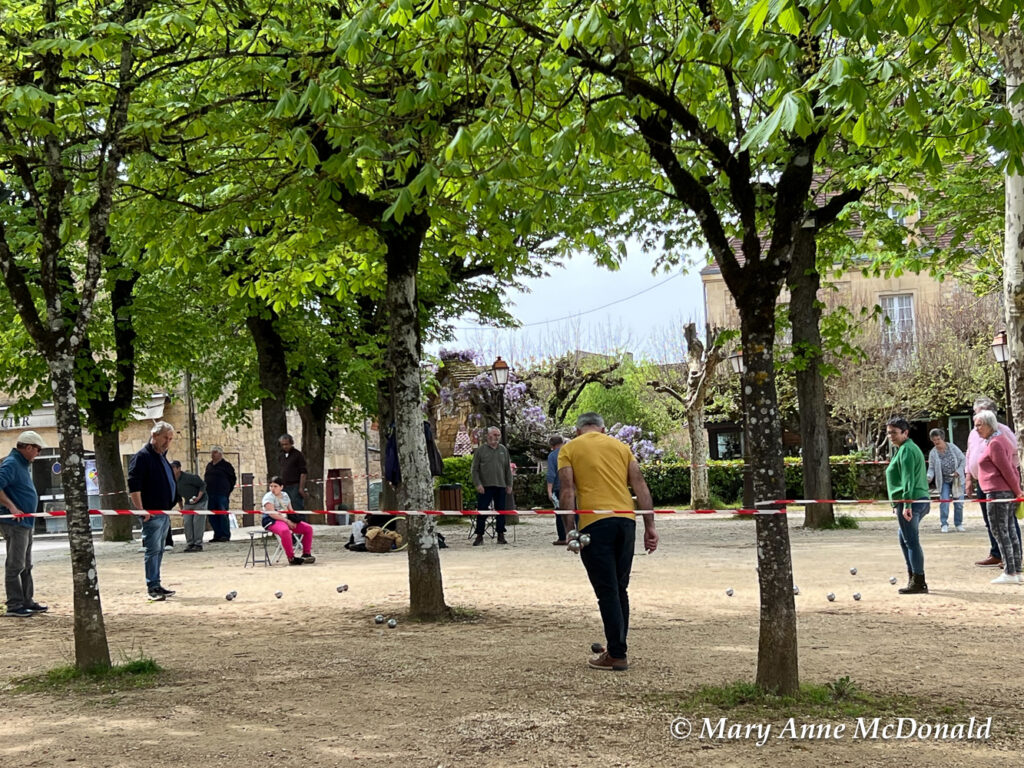
One of the villages we visited was Domme (a shout out to Tom McGuane who told Mary Anne not to miss it). It is a tiny, picturesque village with the Dordogne river running alongside it. Among other things we watched a small bit of a Petanque game in a park. Mary Anne caught a photo of it.
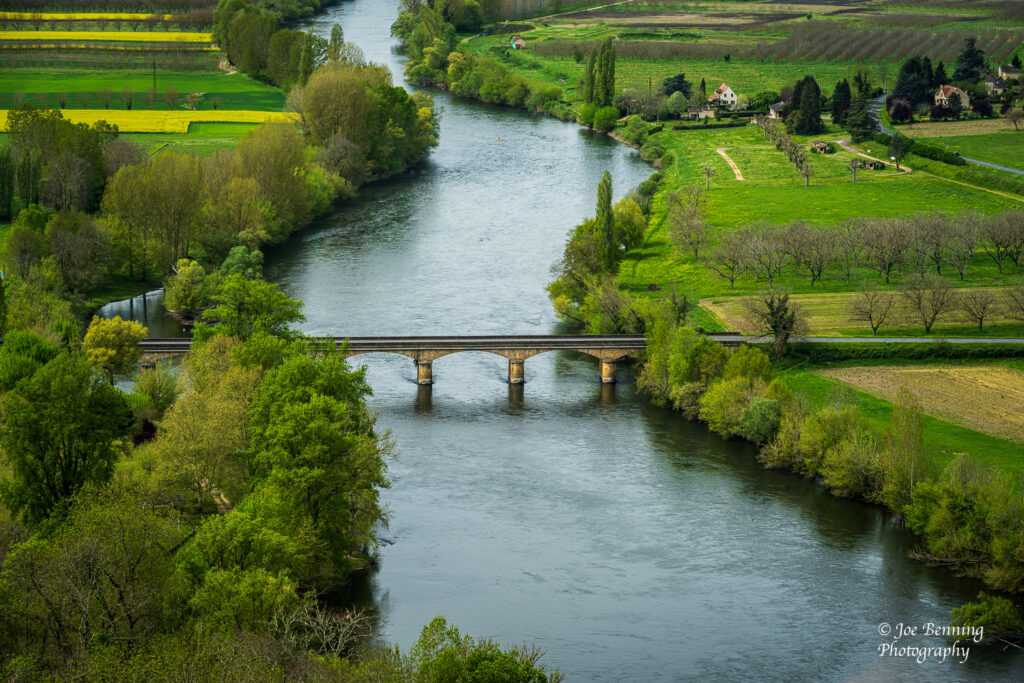
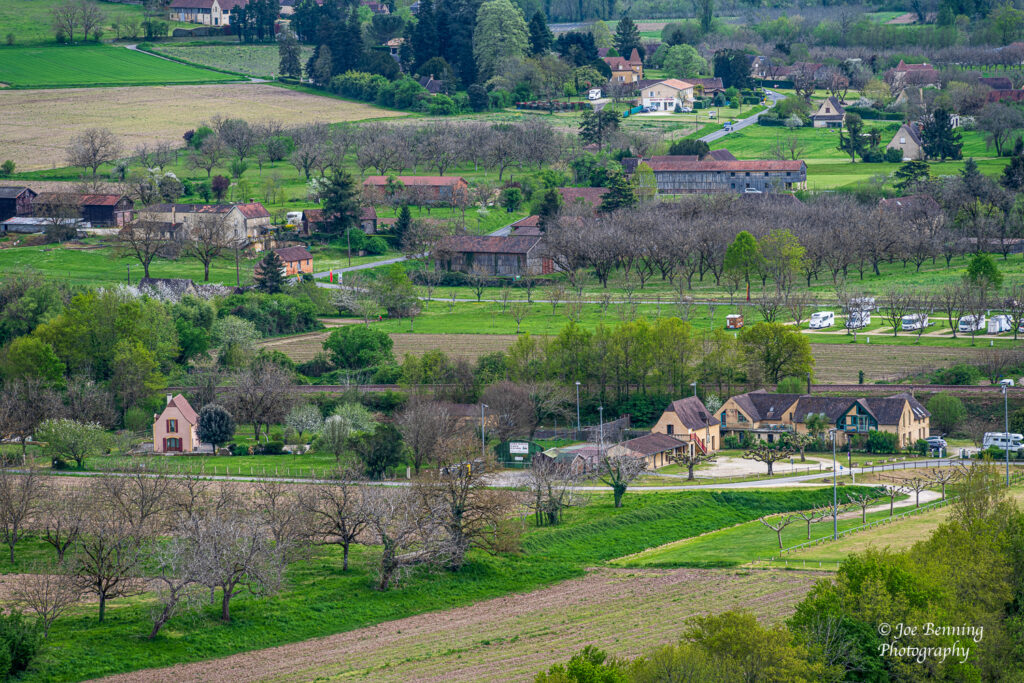
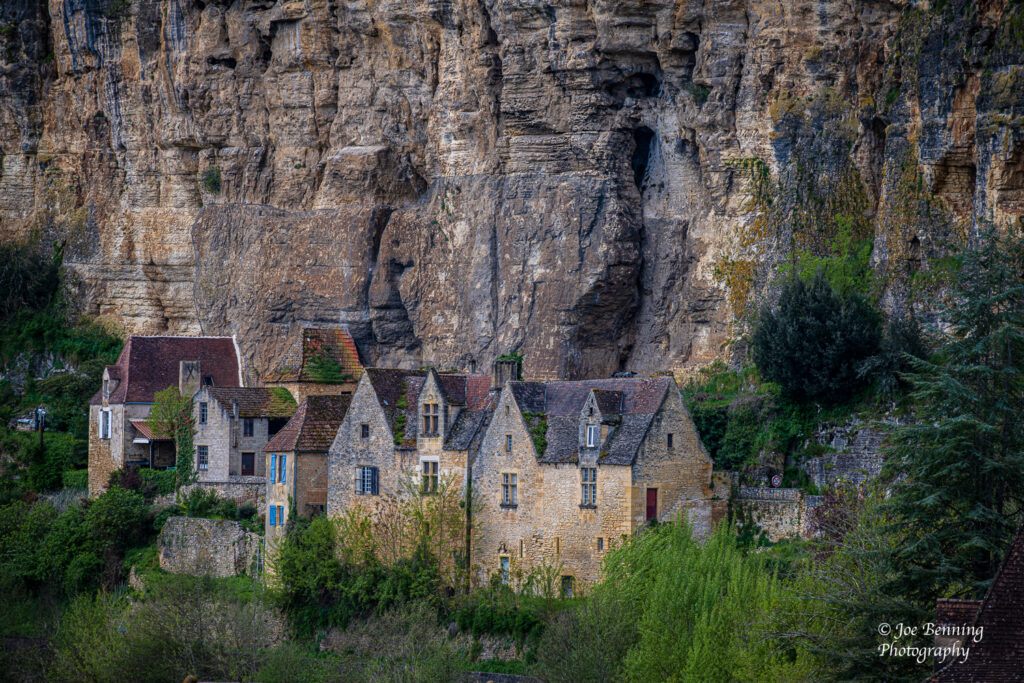
Playing Petanque in DommeOverlooking the Dordogne River from DommeA telephoto image of a village in the Dordogne ValleyHouses Built into the Side of the Mountain in La Roque-Gageac
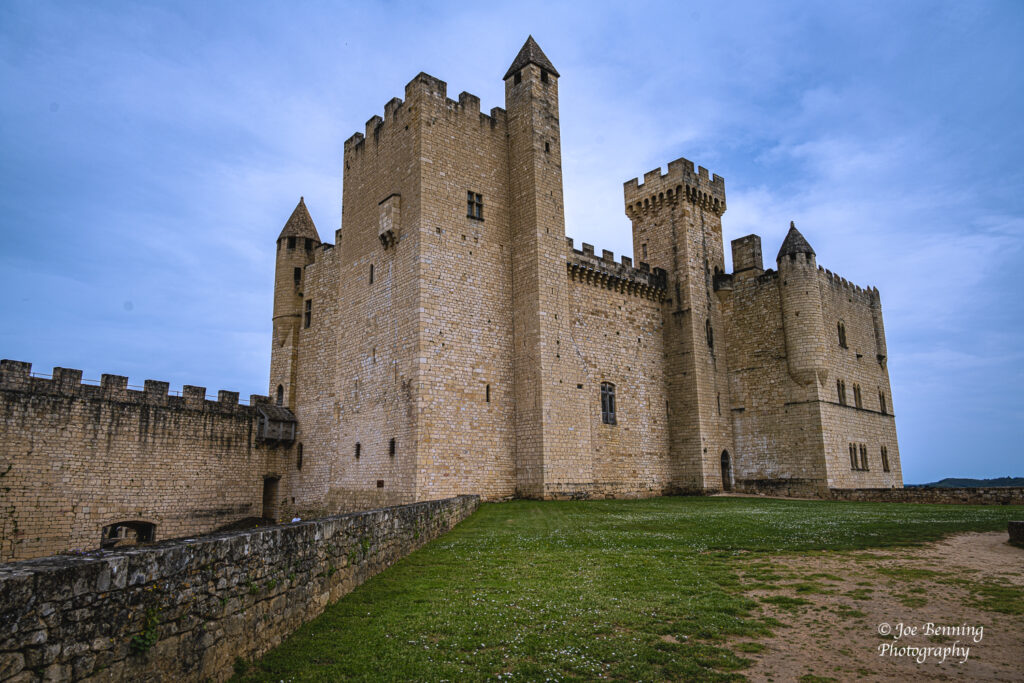
One of the more amazing things to see in the Dordogne Valley is the Beynac Chateau. (Chateau is the French word for castle). And it is quite a castle. Actually it looks kind of familiar. That’s because lots of movies have been filmed there, largely because it is so well preserved.
Turns out the Beynac castle was so well constructed and fortified that it was never overtaken by force. All was not light and sweetness though, because invaders would periodically lay siege on the fortress and try to starve them out. Apparently Amazon doesn’t deliver during sieges.
A photo of an approach to the Beynac Castle
It’s a 2 ½ hour train ride out to Sarlat from Bordeaux albeit through gorgeous scenery, so the time passed quickly. And we had a guide to take us around on Saturday afternoon. On Sunday we went to a local Mass and hopped back onto the train. A good time was had by all.
The last few days saw us taking several walks around the neighborhood where we are staying in Bordeaux. We also took a trip up to the Médoc Region where we—you guessed it—did a little more wine tasting. First: the ‘hood.
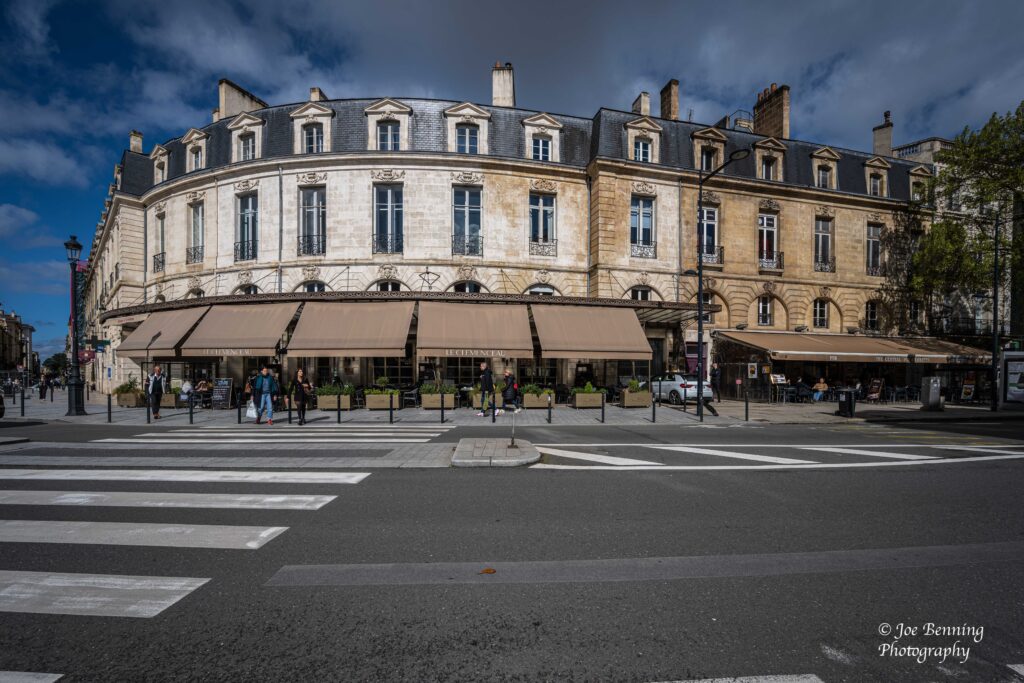
A wide angle photo of a street in the neighborhood where we are staying. One of our go to restaurants is the one with the red awning on the right.
We are staying at the Adagio Hotel while we are in Bordeaux. It’s kind of an efficiency long-term stay hotel. It’s a nice neighborhood and a short walk to the tram that takes us to school in the mornings.
Photo taken in Quinconces Park in BordeauxAn ultra wide-angle shot of a restaurant — the Clemenceau–in the neighborhood.
Last Wednesday we made a visit with the Road Scholar group to the Médoc region where we visited two wineries. There were some presentations on grape-growing and wine-making and then, needless to say, there were wine tastings. Also needless to say we participated in the wine-tastings.
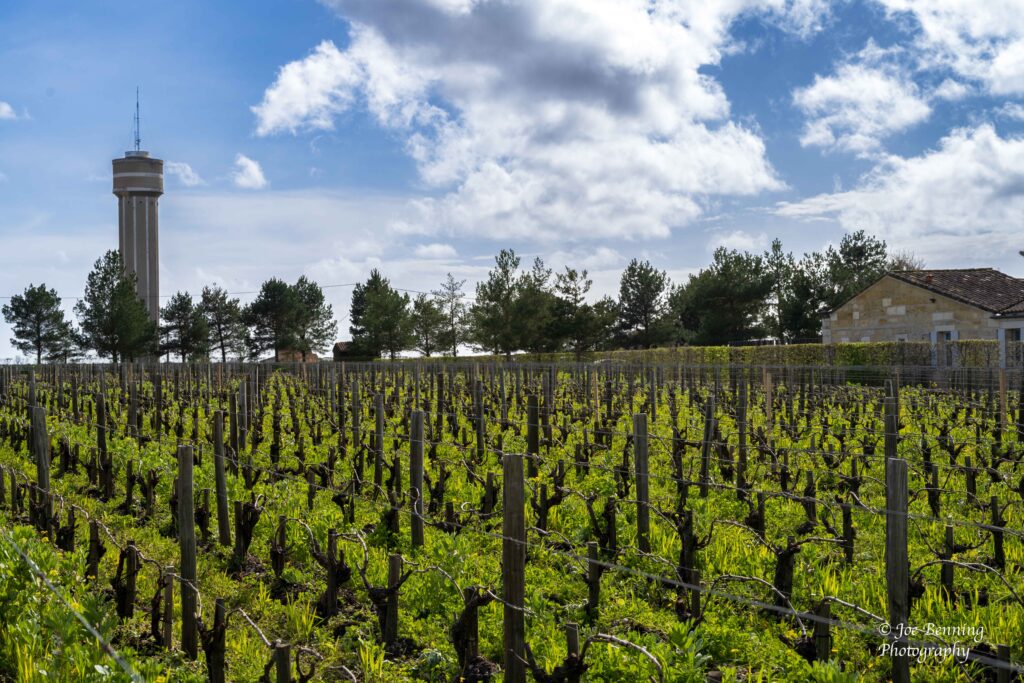
A photo of the vineyard at the Pedesclaux Chateau.
The wineries we visited were named Pedesclaux and Boudan. Pedesclaux was large and very modern; Boudan was family owned, much smaller and more traditional.
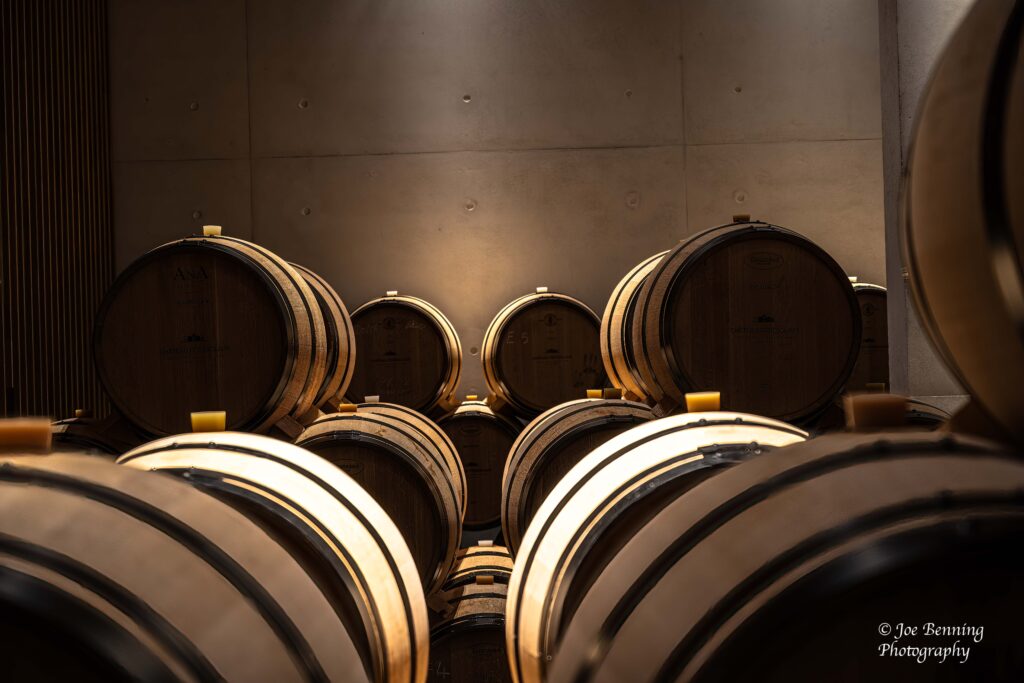
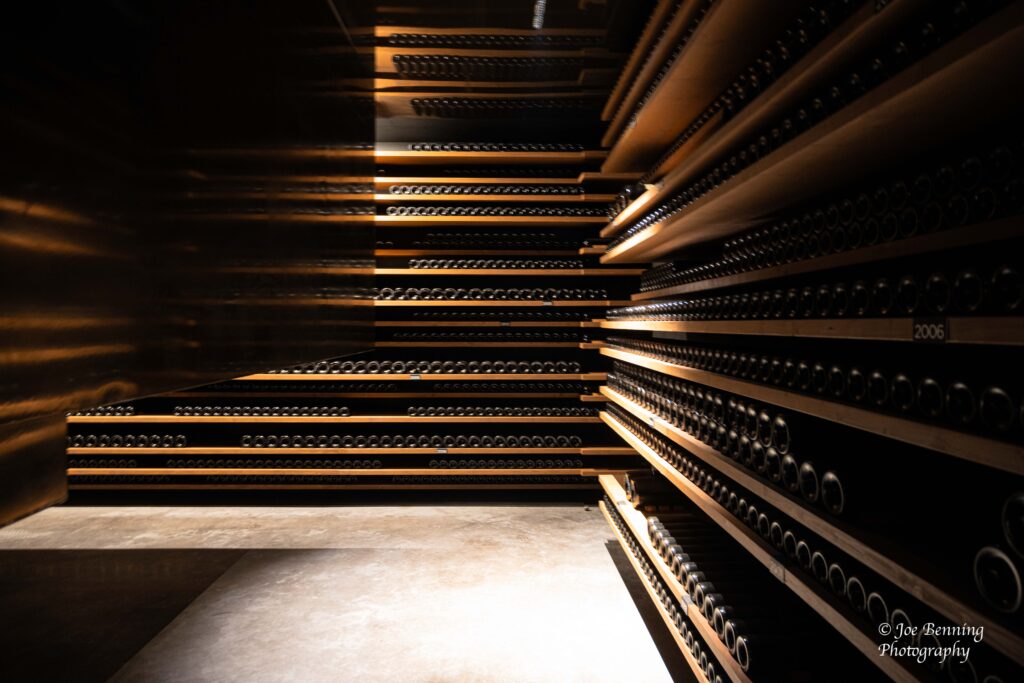
A photo of wine ageing in oak barrels.A photo taken in a wine cellar of fine wines in bottlesPhoto of. a cottage in Medoc where oak casks of wine are kept.
This coming weekend we are scheduled to take a train to Sarlat in the Dordogne Valley. We have a guided tour scheduled which includes a stop in Domme. We’ll spend the weekend there before getting the train back to Bordeaux. And French classes.
We have been very, very, awfully busy. Just this last weekend we visited the French section of the Basque Country. It is French enough, and Paris exercises sovereignty over it, but apparently the people also consider themselves to be Basque which comes complete with its own language. Not an unusual situation in the world when you think about it.
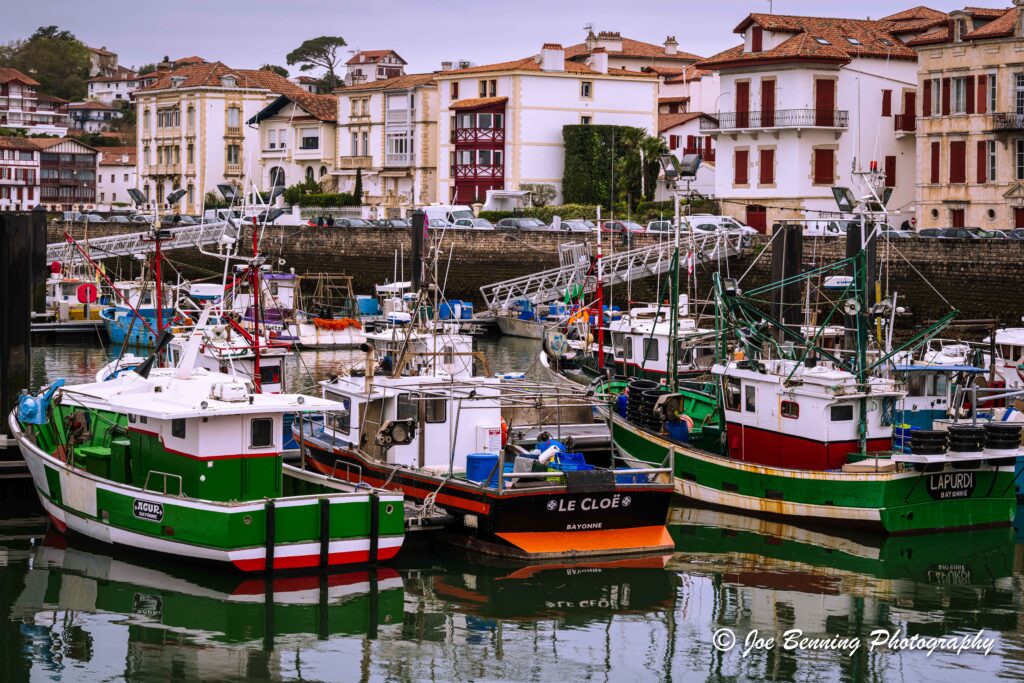
St-Jean-de-Luz, France–March 24, 2024.. Fishing boats docked in the harbor of St Jean-de-Luze in France.
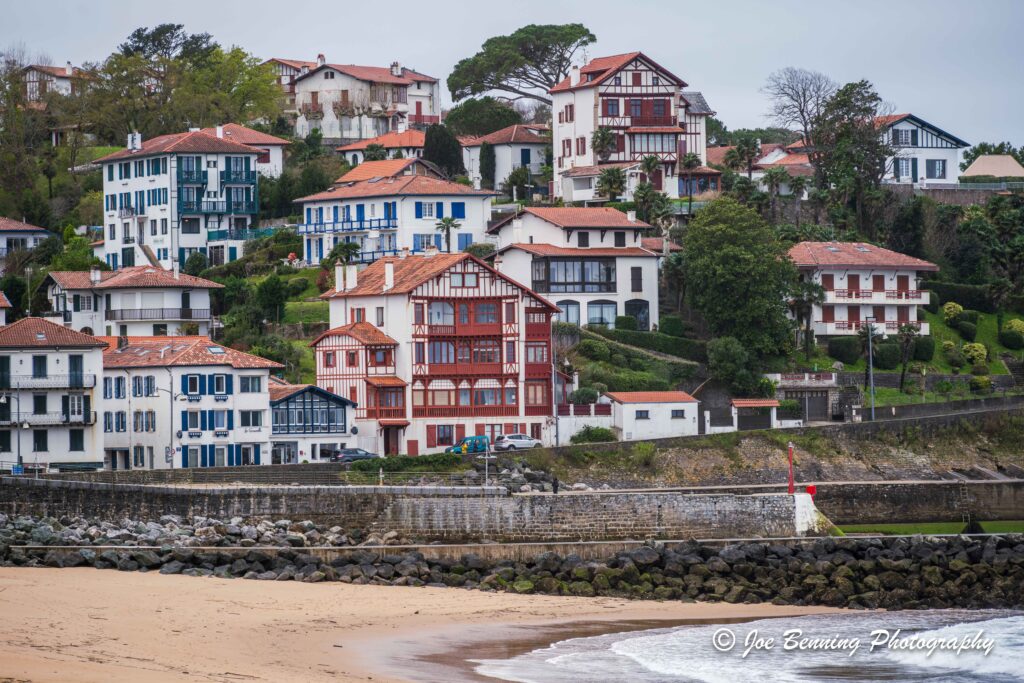
The cities we visited along the way included St. Jean-de-Luz and Bayonne (not the one in NJ). From there we went to the famous and very affluent shore town of Archachon, which has a certain similarity to Spring Lake, NJ. Also on the list were Espellet and Biarritz.
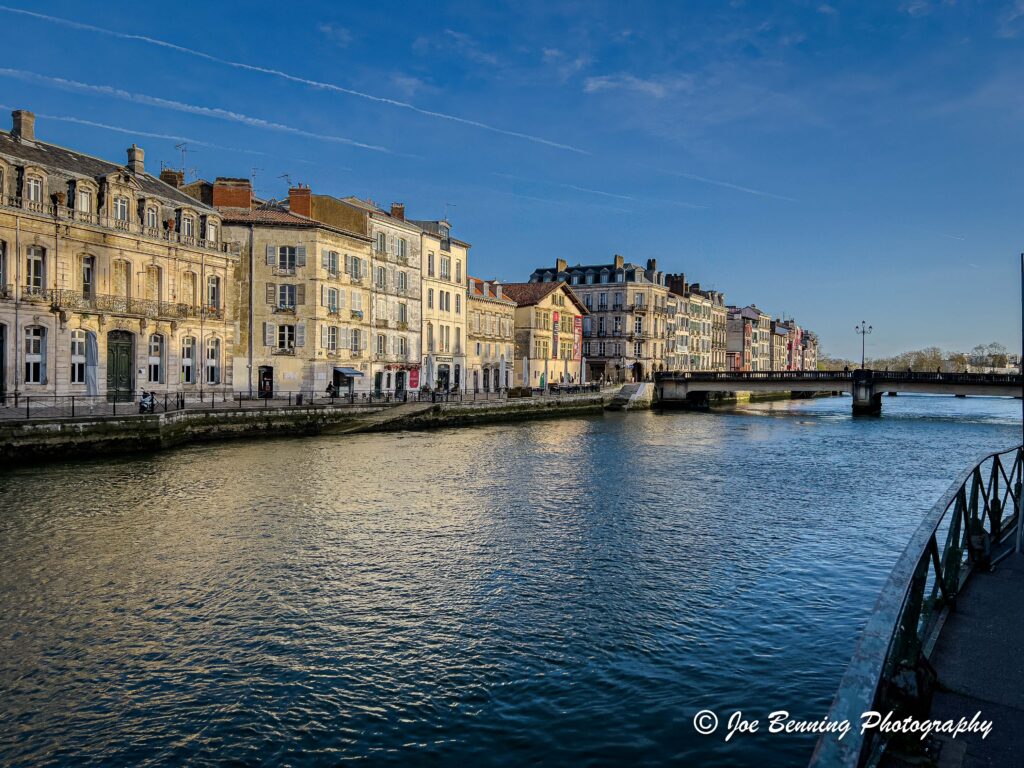
A wide angle iPhone picture of buildings on the Nive River in Bayonne
St Jean-de-Luz, a sort of fishing village where we first stopped is fairly small and known for its oysters. (We didn’t try them.) After the stop in St Jean-de-Luz we headed to the reasonably large city of Bayonne where we stayed for 2 days. From our base of operations in Bayonne we made our way to Archachon to do a walking tour of the city.
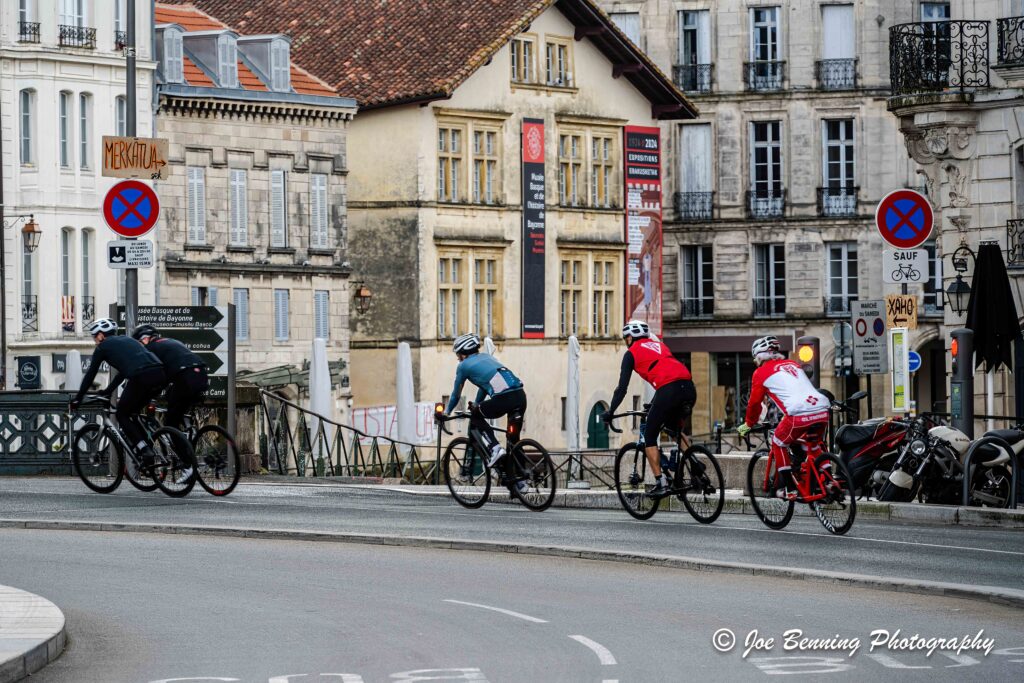
A wide angle iPhone picture of cyclists in Bayonne, France
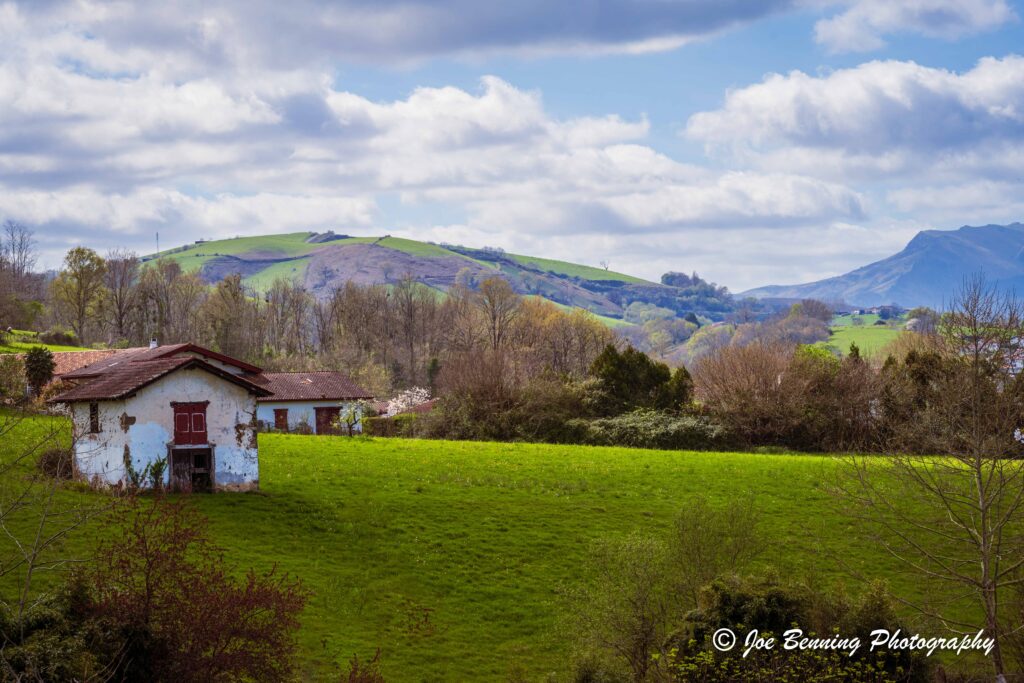
Later we went to the town of Espellet where we had lunch and went on a walking tour with our guide Luciano.
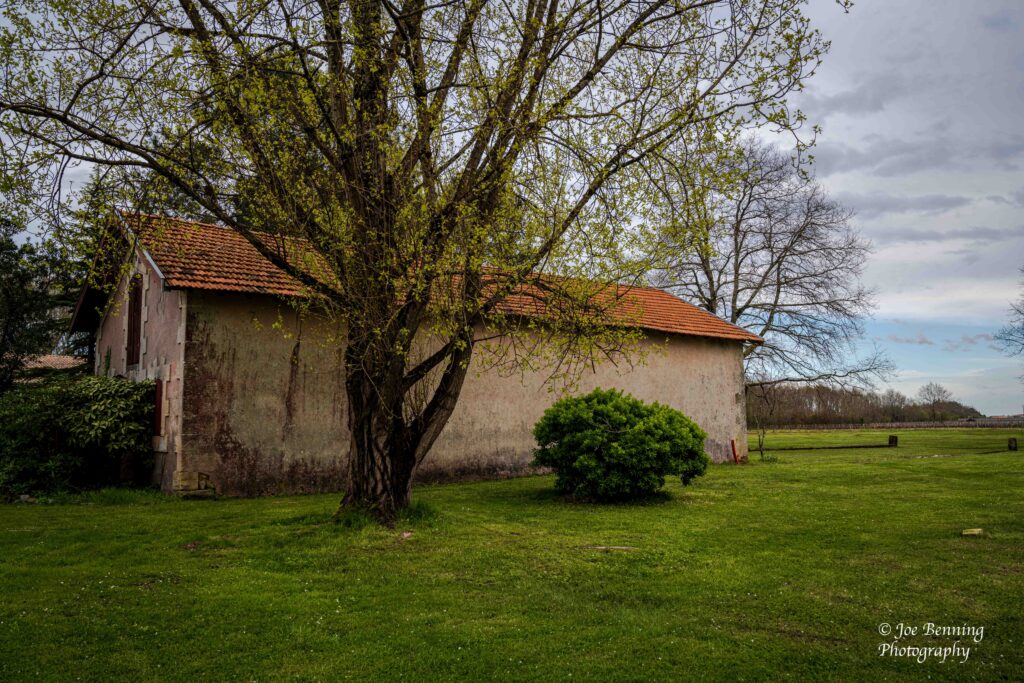
Espelette CountrysideTelephoto image of residences in Archachon, France
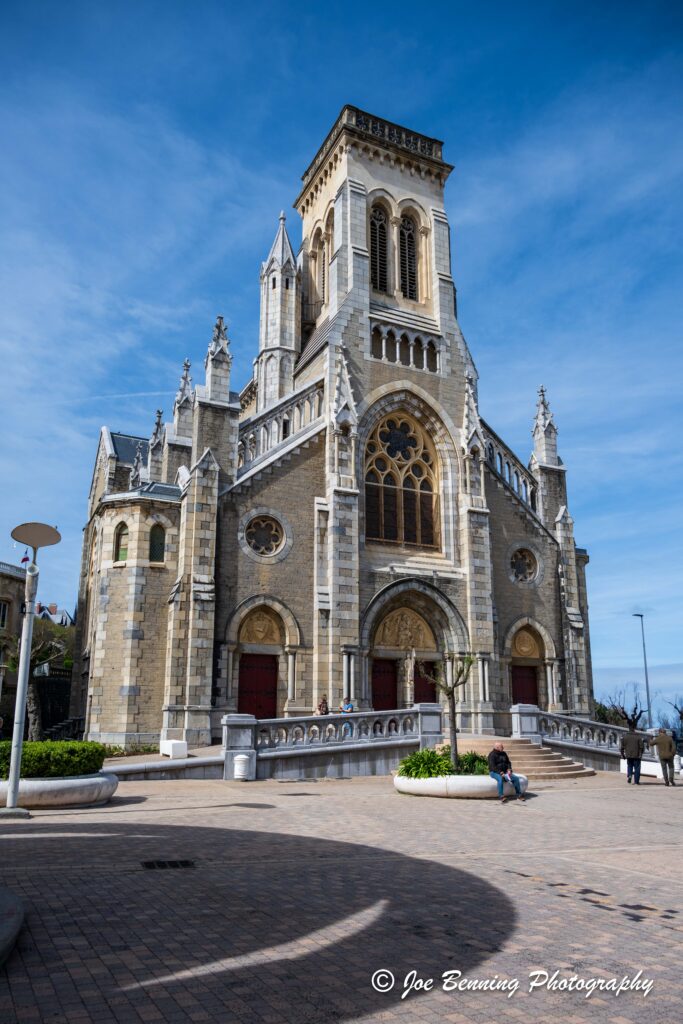
The last town we went to this go-around was Biarritz. It is super posh, as they say, and is filled with all the shops you would expect…Hermes, Cartier and the rest of the usual suspects. Biarritz from which the expression “putting on the Ritz” originated, also had two magnificent cathedrals which we saw. One dominated the main square, the other was on top of a hill. Last, but not least, Biarritz is the site of an historic lighthouse looking out over the Atlantic. All in all a very nice and very active weekend.
Biarritz, France — March 25, 2024. A telephoto shot of the Lighthouse in Biarritz with the waves of the Atlantic Ocean breaking on the rocks in. the foreground.L’Eglise Saint-Eugenie in Biarritze
And that doesn’t count French class and the homework. Or the wine tastings. More about those later.
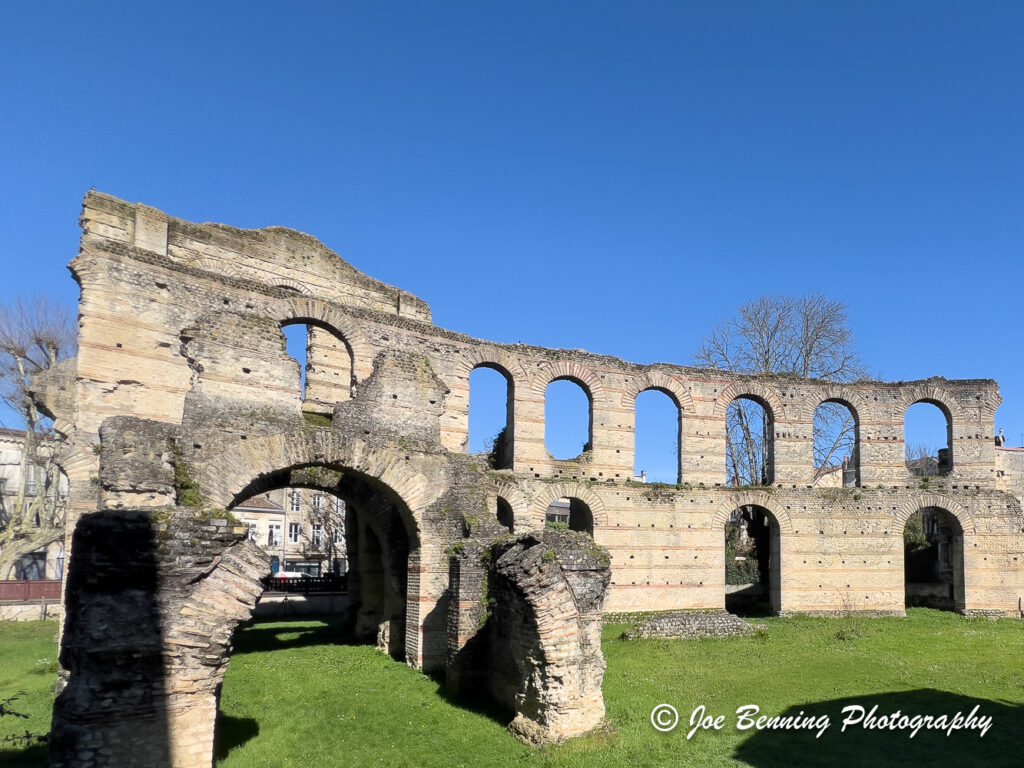
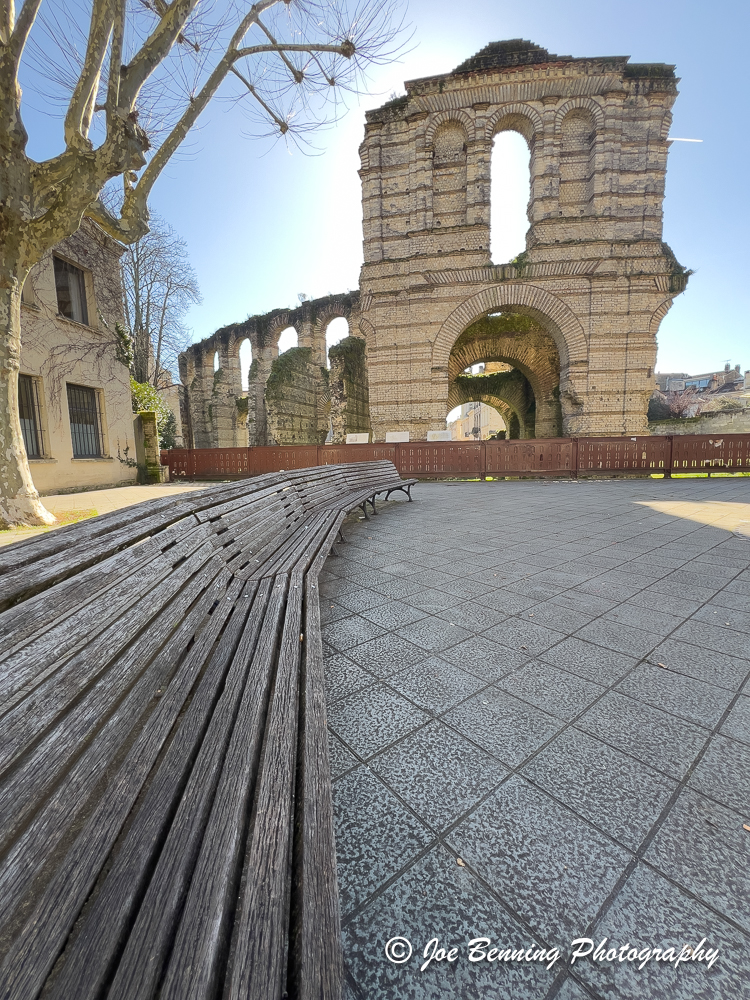
We continued our adventure in Bordeaux with a photo walk with a photographer around a few parts of town. On our walk we went to the public garden—a botanic garden that is open to the public. Both the public garden and nearby surrounding areas have Roman ruins that have been preserved through the centuries.
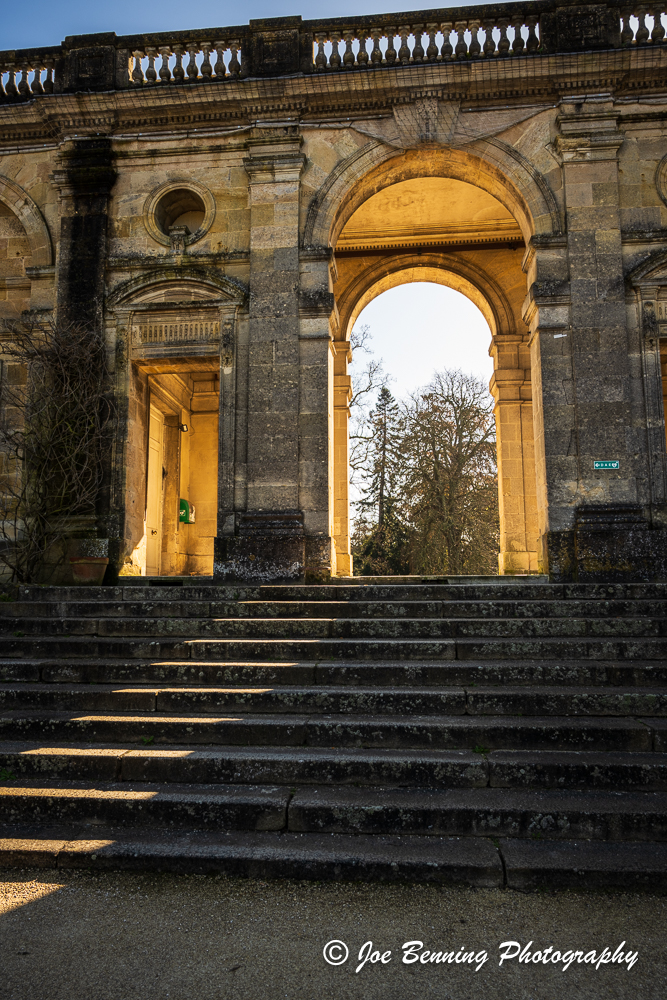
A photo taken of an ancient structure built in the Public Gardens of BordeauxA wall from Roman ruins in the heart of BordeauxA wide angle iPhone photo of a section of Roman runins in the center of Bordeaux.
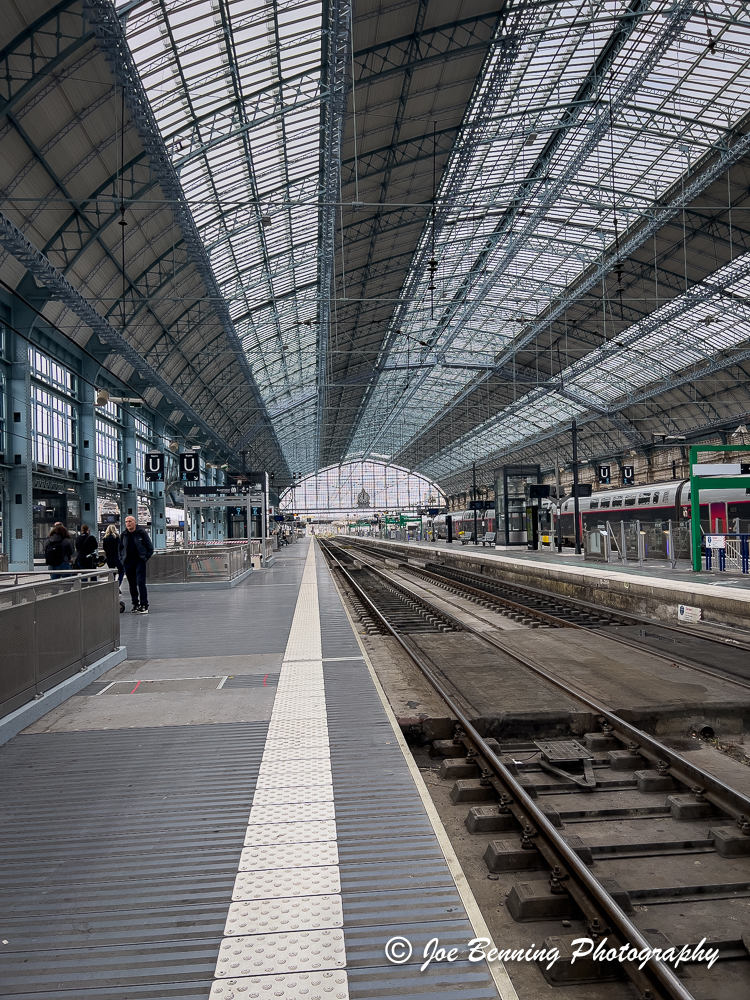
A few days later, over the weekend, we headed out on the train to Saint-Emilion in the heart of the wine country. It only takes a half-hour ride on the train to reach Saint-Emilion, and then maybe a 20 or 30 minute walk into town. The town and the surrounding vineyards are truly spectacular.
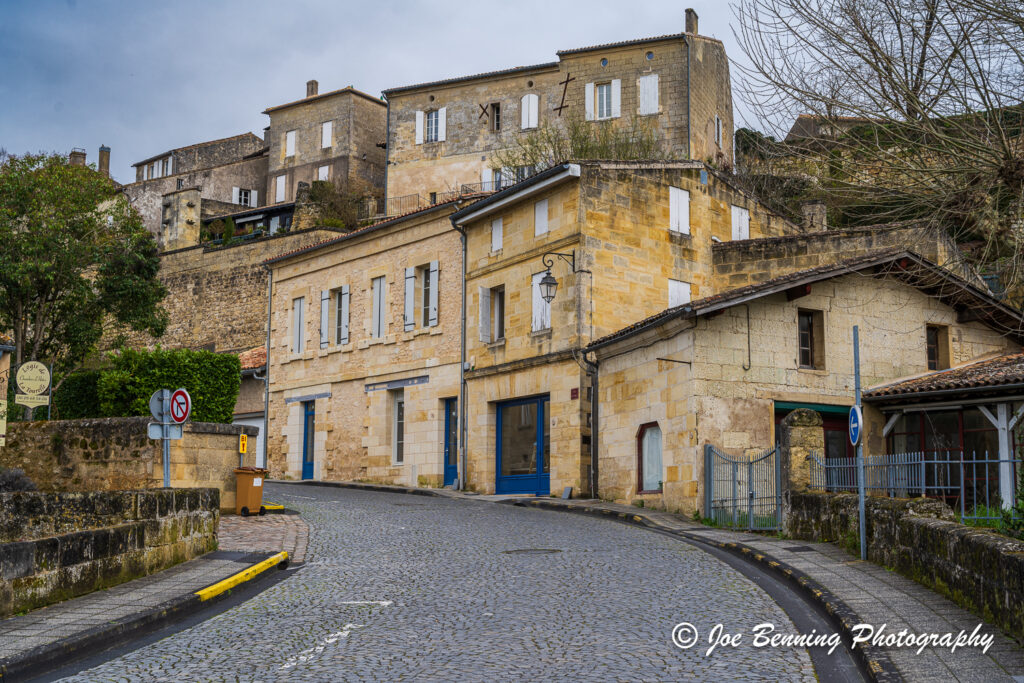
Bordeaux Train StationA winding street leading to the top of the city of Saint-Emilion
It is a medieval city, and you can easily imagine what it must have looked like centuries ago. The old winding streets, the grand churches and little shops and restaurants provide a feast for the eyes. Along with Tai-Chi and Geraldine we had lunches consisting of Coquille St Jacque and duck at a restaurant named Lard et Bouchon, which we could get into because Mary Anne had the foresight to make reservations.
Anyway some photos from Saint-Emilion are below. Also—Mary Anne went on a tour of an outdoor market and took some photos. We’ll post on that before too long.
A landscape photo of a vineyard in St Emilion.A photo of a chateaux and vineyard in St Emilion
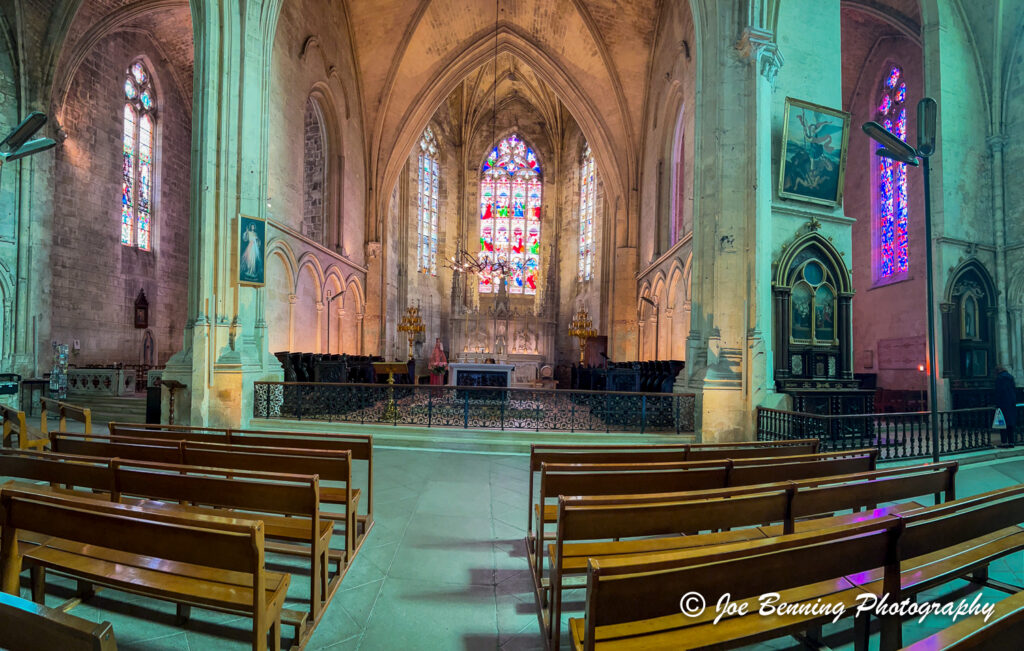
We have been awfully busy lately. Among other things, we have been looking at the architecture of the city, which is pretty incredible and we still have a lot to see. Below, for instance is a iPhone panoramic photo taken inside one of the churches in St Emilion in the Bordeaux region of France.
In addition to these types of visits, we have 3 hours of French class daily (sometimes with homework). After class we often have some other activity organized by Road Scholar. For instance, just recently we went to an outdoor market in Les Halles (with the Road Scholar group) for lunch.
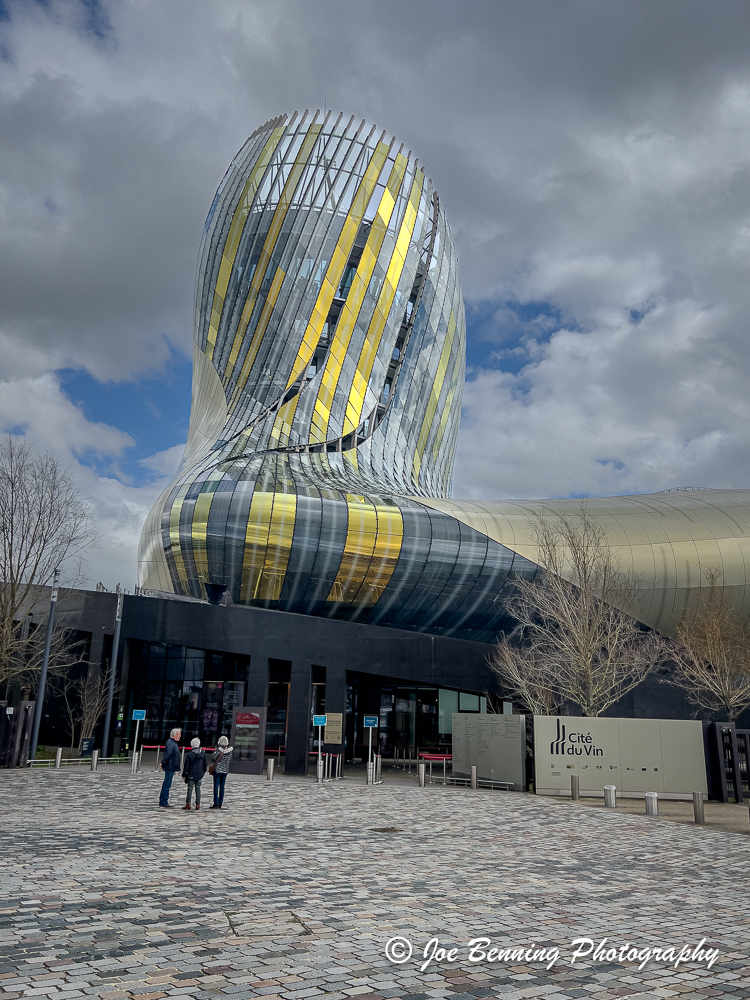
From there we went to the Cite du Vin where we visited the Wine Museum.
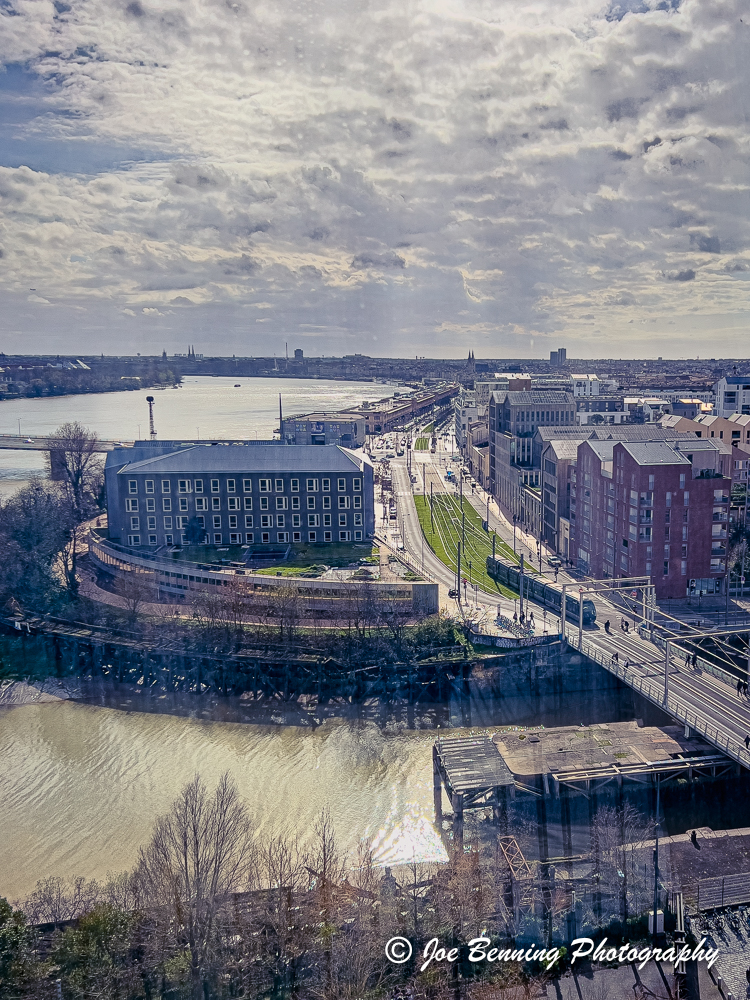
Of course we had a glass or two at the top of the museum while overlooking Bordeaux.
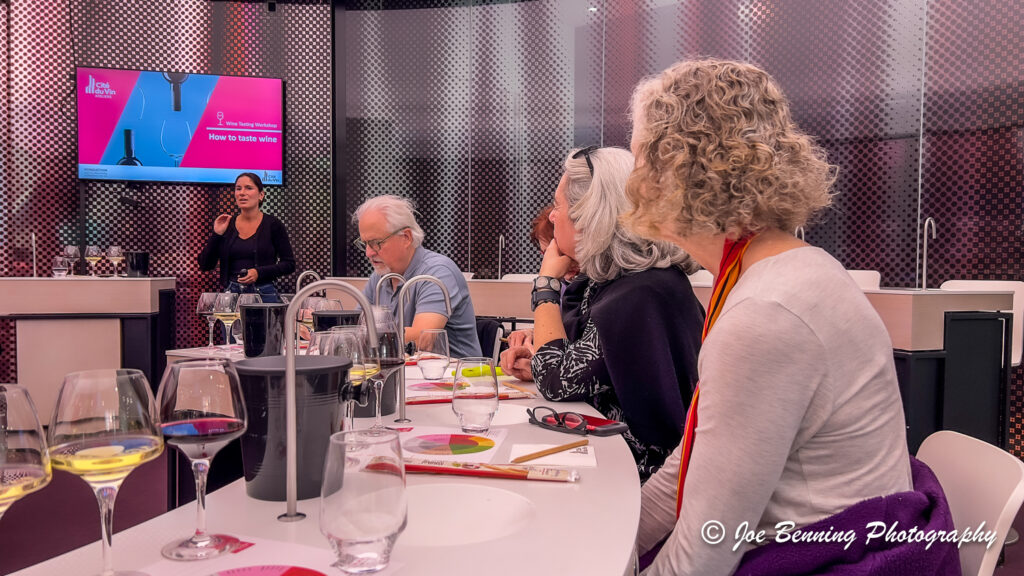
A few days later we went back to the Wine Museum to participate in a wine tasting presented by a professional taster. I wonder how you get that job! Anyway, it was a terrific presentation and we learned a lot about how to evaluate different wines.
A few iPhone shots from these activities are included in this blog post.
There are lots of other things we have to report on, including a photo walk and a day trip to St Emilion. More about those later.
Well, we made it. We made it in spite of the fact that on our scheduled day of departure Air France sent us an e-mail a little before 6:00 AM informing us that our flights were cancelled. Just like that. Not even an explanation—even in corporate speak—as to why. Based on news reports we surmised that it was a targeted strike of sorts.
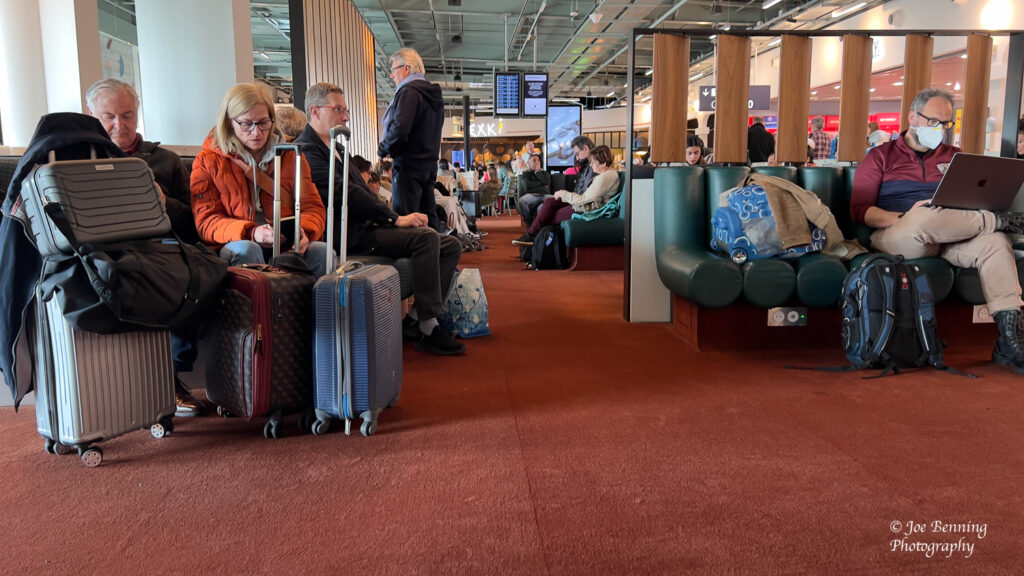
Paris, France — March 7, 2024. A wide angle iPhoto if the waiting lounge in Terminal 2G in CDG Airport in Paris.
Needless to say, Air France was incapable of rebooking us on alternate flights and the Air France website was useless. So a mad scramble was on. Fortunately we managed to book flights into Atlanta and from there to Paris and from Paris to Bordeaux. When we got to Atlanta we managed to get to the gate for the flight to Paris just as the plane was boarding. But we made it. So, as they say here: Voila!
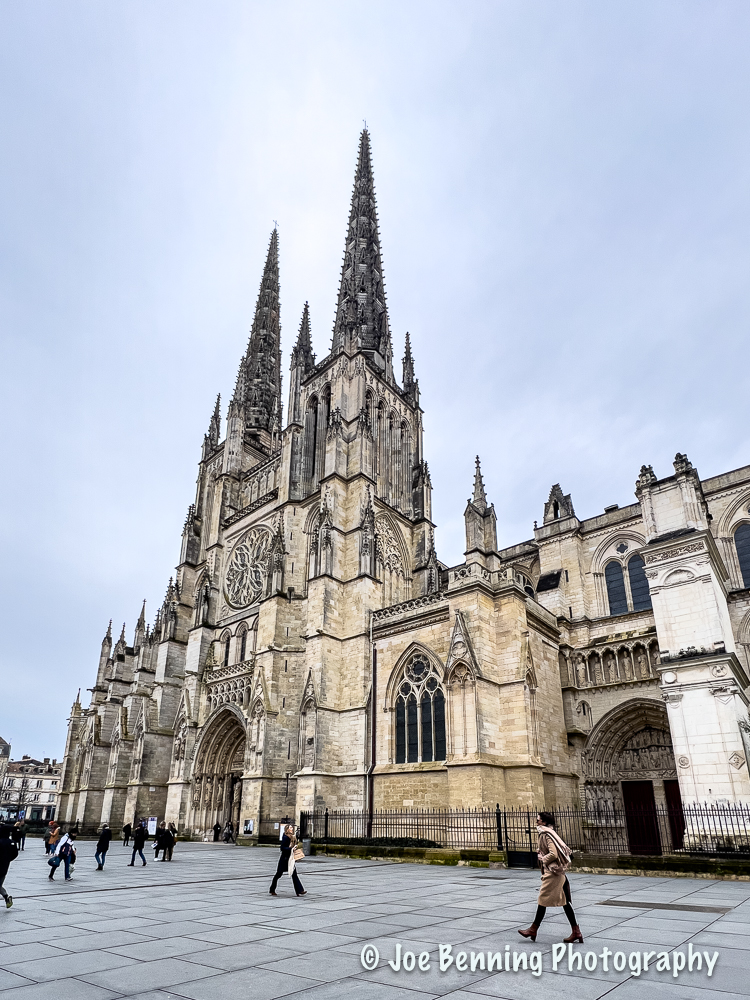
Bordeaux, France–An iPhoto of Cathédrale Saint-André de Bordeaux
French language classes start Monday and they will go on for 3 hours each weekday for 6 weeks. They are not kidding when they refer to language immersion. After classes we will be visiting museums and going to French cooking classes. On the weekends we plan to visit some vineyards. Saint-Emilion, Pauilac and St Estephe are all high on the list.
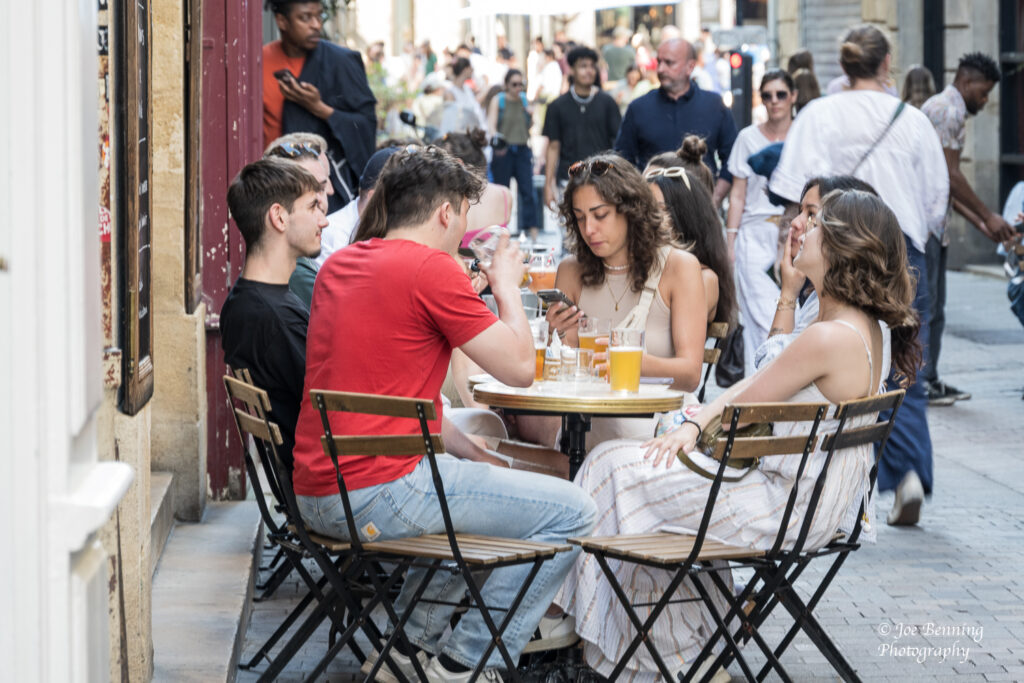
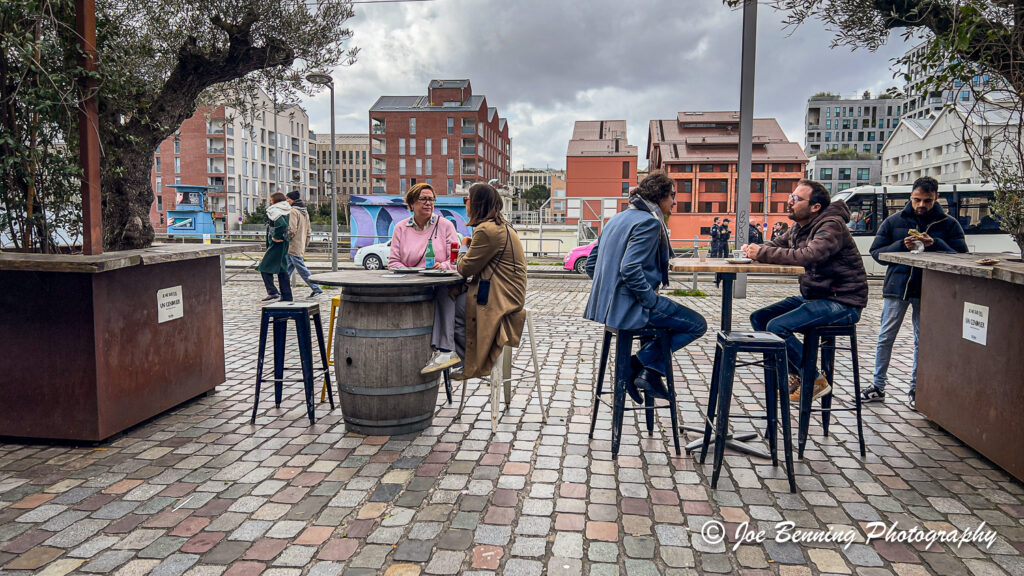
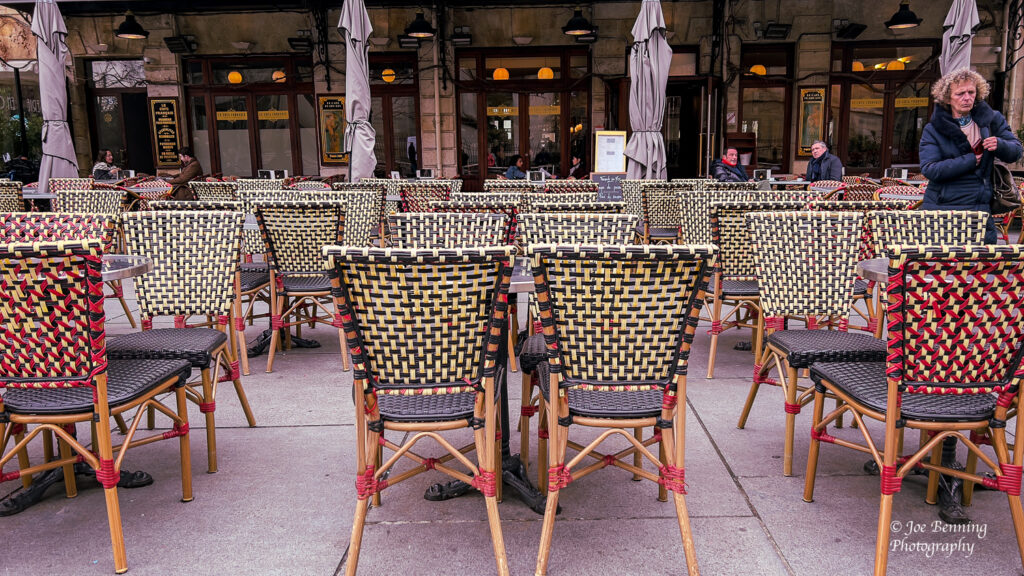
Bordeaux, France–A wide angle iPhoto of an outdoor cafe setting in Bordeaux, France
We are just settling in, so we’ll report back after some classes and touring around. In the meantime here are some iPhone photos.
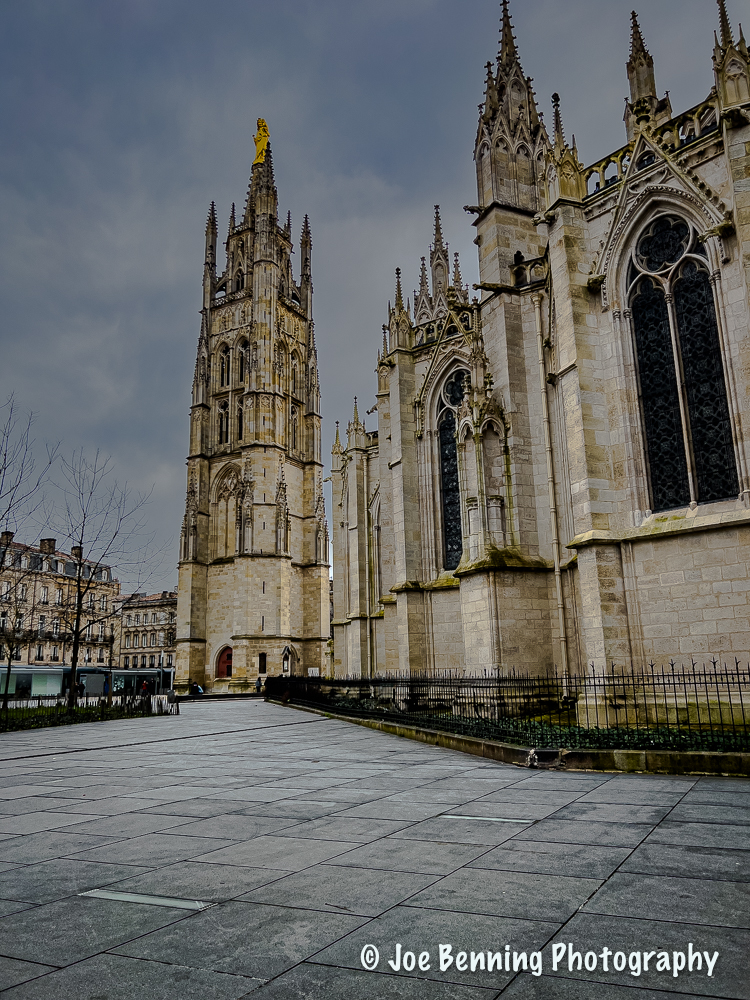
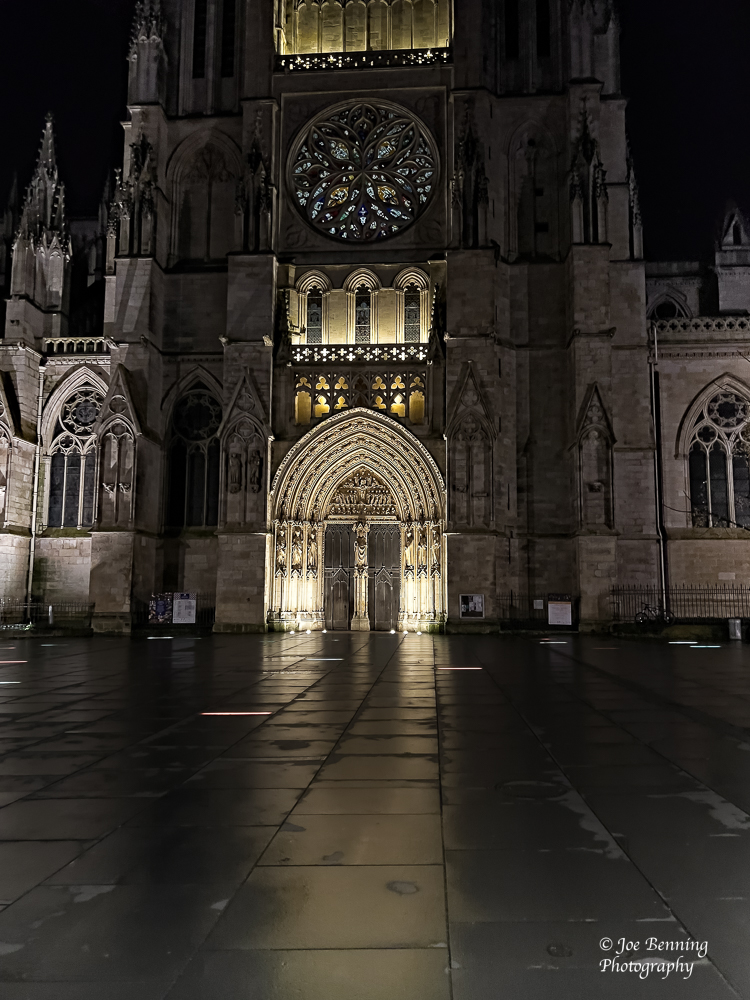
A side angle iPhone photo of the Bordeaux CathedralAn iPhone photo of Saint-Andre Cathedral on a rainy night.A wide angle iPhone photo of the Stone Bridge over the River Garonne in Bordeaux.Bordeaux, France—March 9, 2024. Cyclists on a quiet boulevard pedal along in front of a picture window that reflects distorted images from across the road.