We can now count ourselves among the over 4 million people who will visit Yellowstone and Grand Teton National Parks this year, enjoying their 2.5 million acres of incredible scenery, water features and geological places of interest.
Yellowstone NP is a caldera (the basin formed after a volcano erupts) within a caldera, with mountains all around, forests, wildlife, lakes and other bodies of water. Over the course of 4 days we toured Yellowstone NP from north to south, before heading to Grand Teton NP for 2 days. Over twenty native American tribes are affiliated with each of these national parks; among them are the Crow, Blackfeet, and various Sioux and Shoshone tribes.
Our trip started in Bozeman, MT, an old cowboy town that is quite sophisticated (you can go to the local saloon with its rustic décor and get the same variety of cocktails and food as in any fine restaurant in Manhattan). Montana is home to many dinosaur fossils, and the Museum of the Rockies in Bozeman has incredible displays of the dinos and other prehistoric animals that lived in Montana about 100 million years ago. Bozeman also is home to the American Computer and Robotics Museum, filled with artifacts and explanations about the history and development of innovation and technology.

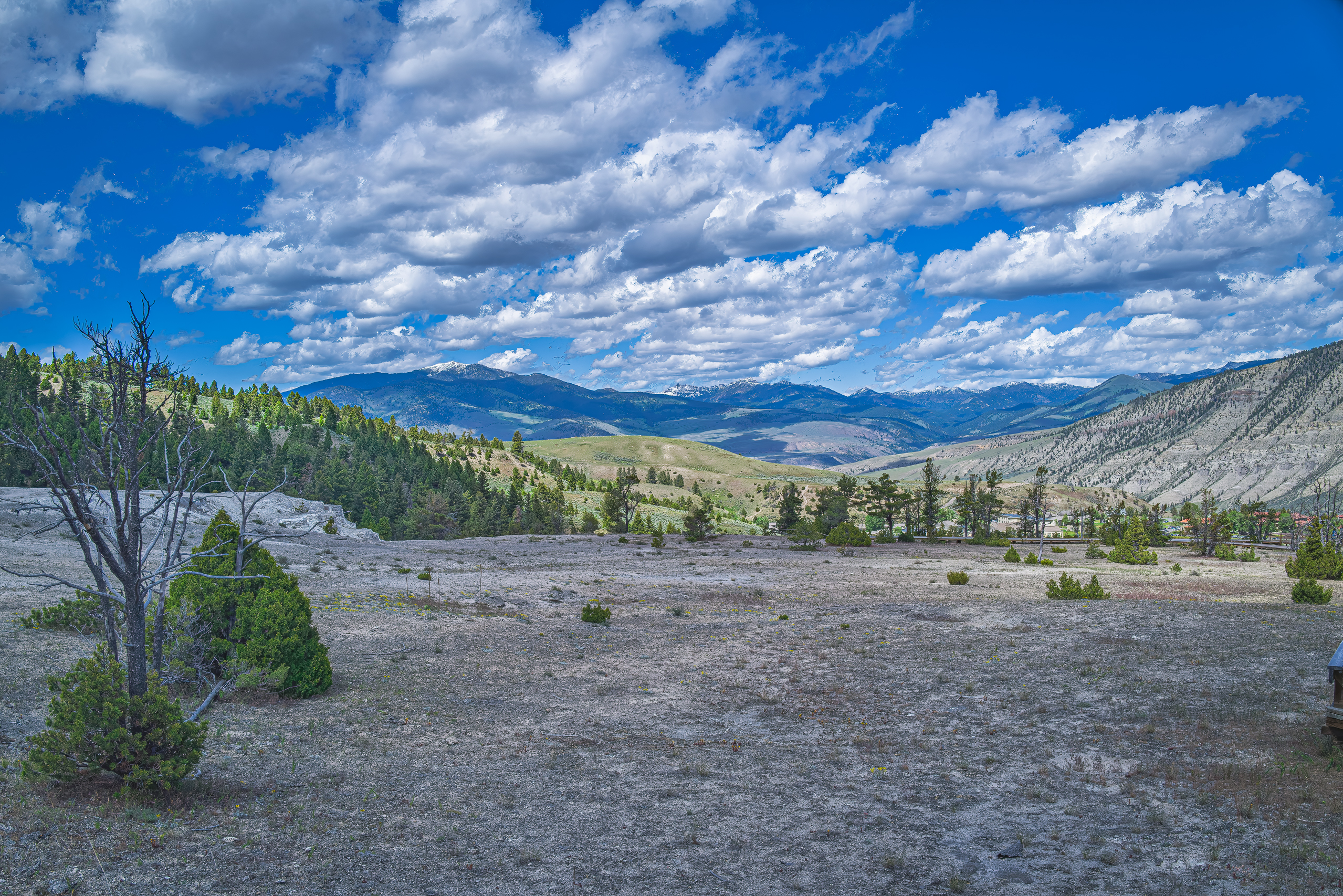
We were not surprised to see snow on the distant mountains during this June trip, but snow on the ground around us, and morning temperatures in the high 20s F and low 30s F were a little unexpected. The days warmed up quickly, and we were happy to have sunshine for the long days during the entire trip.

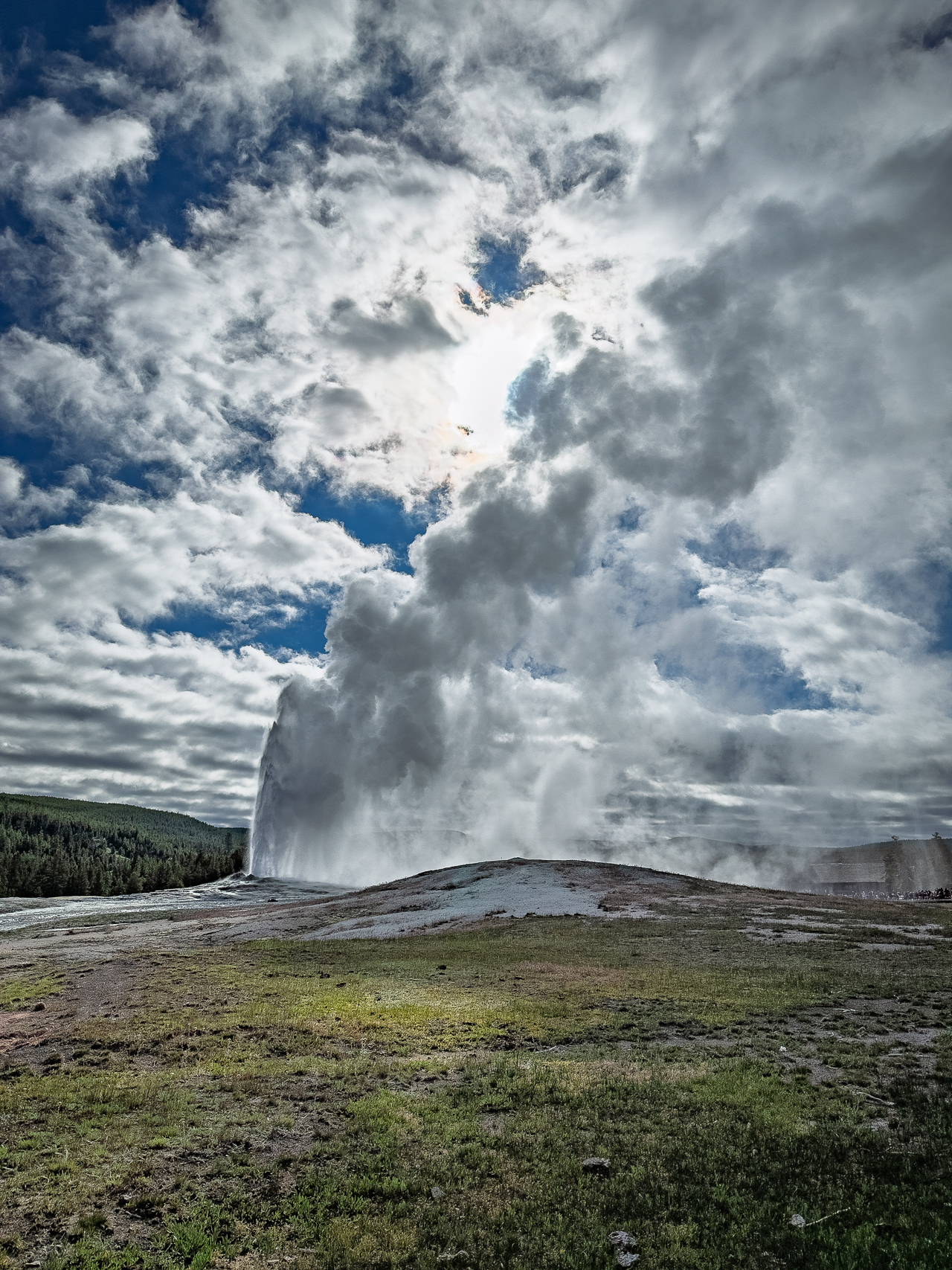
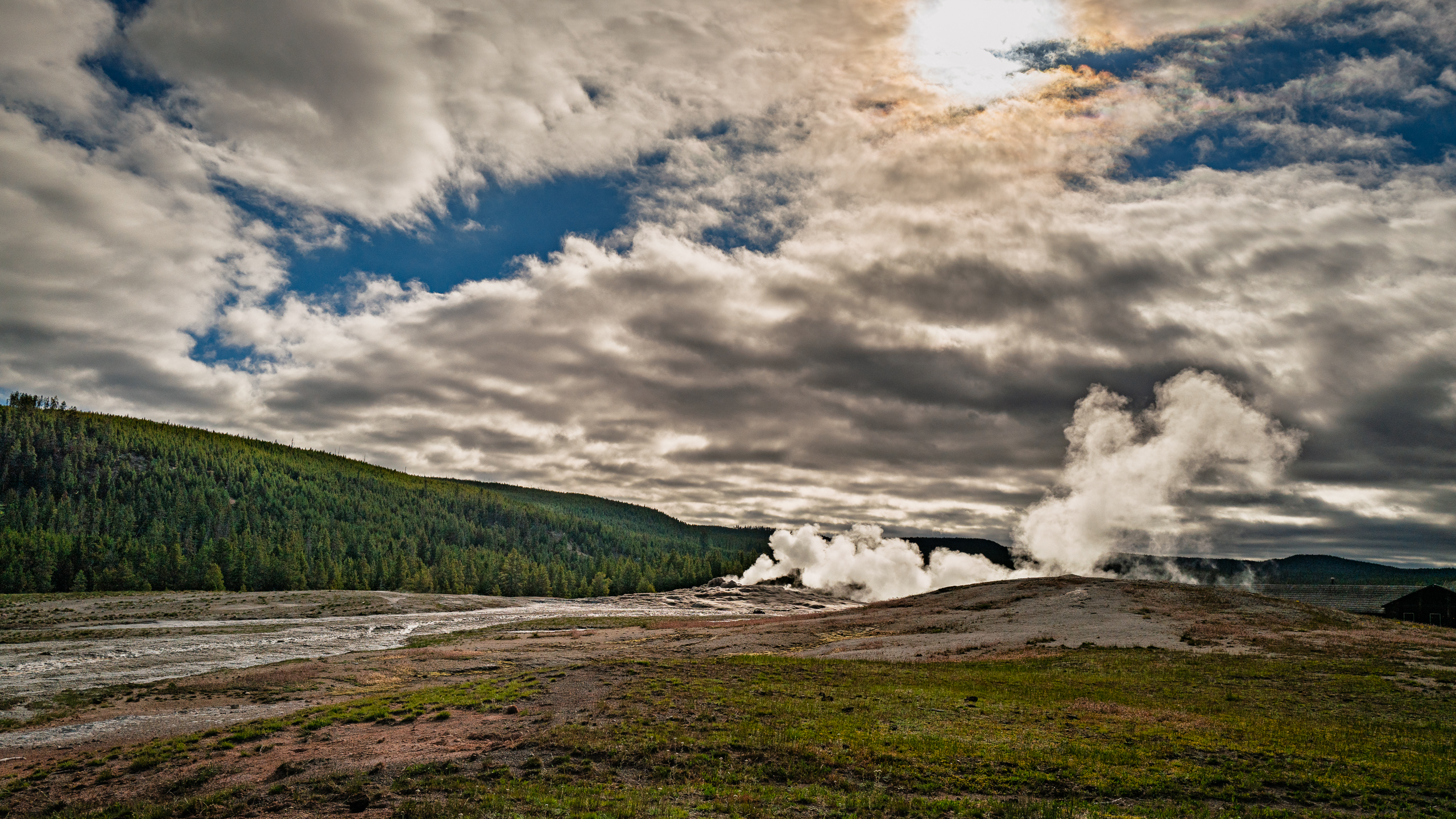
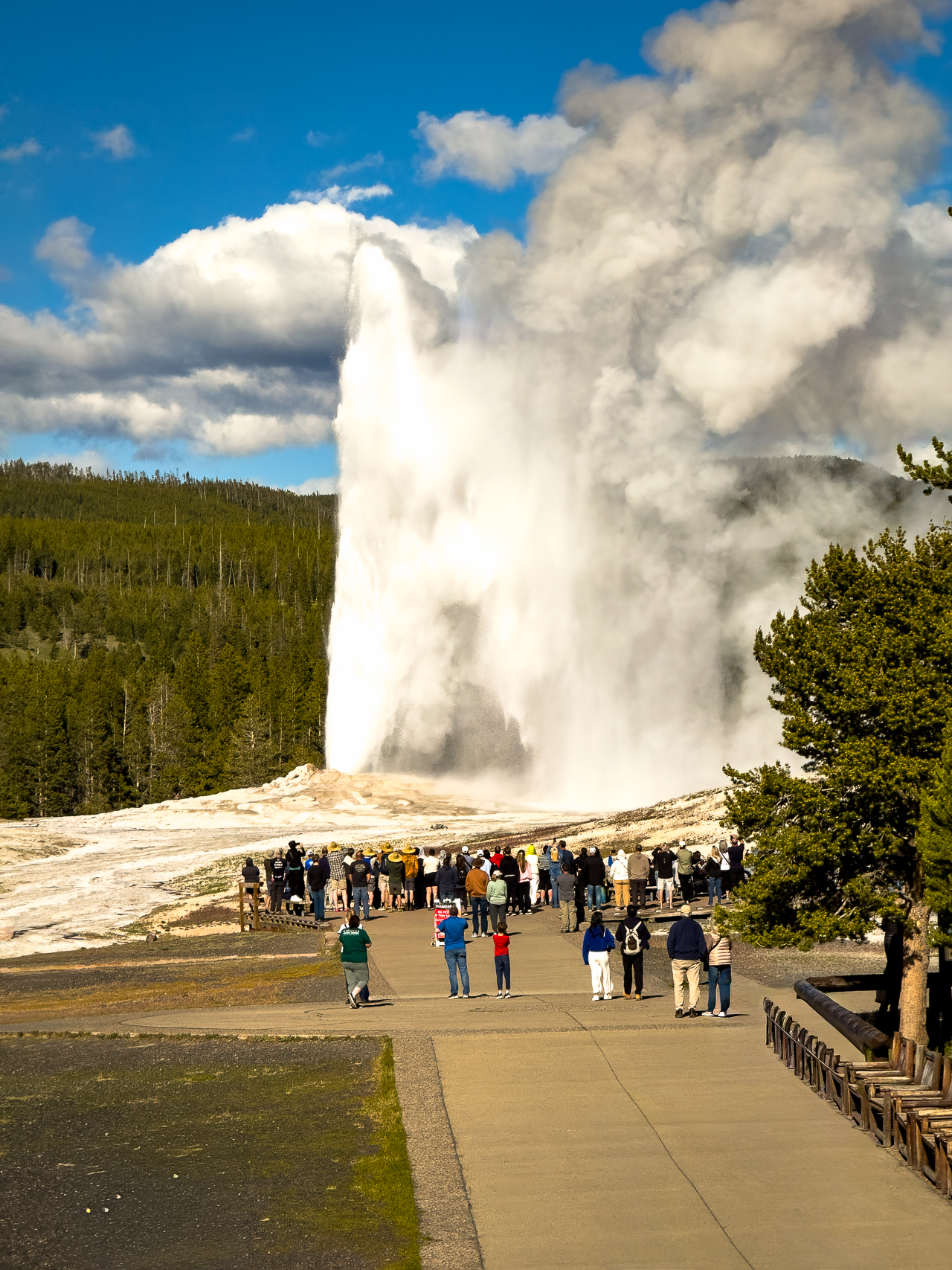
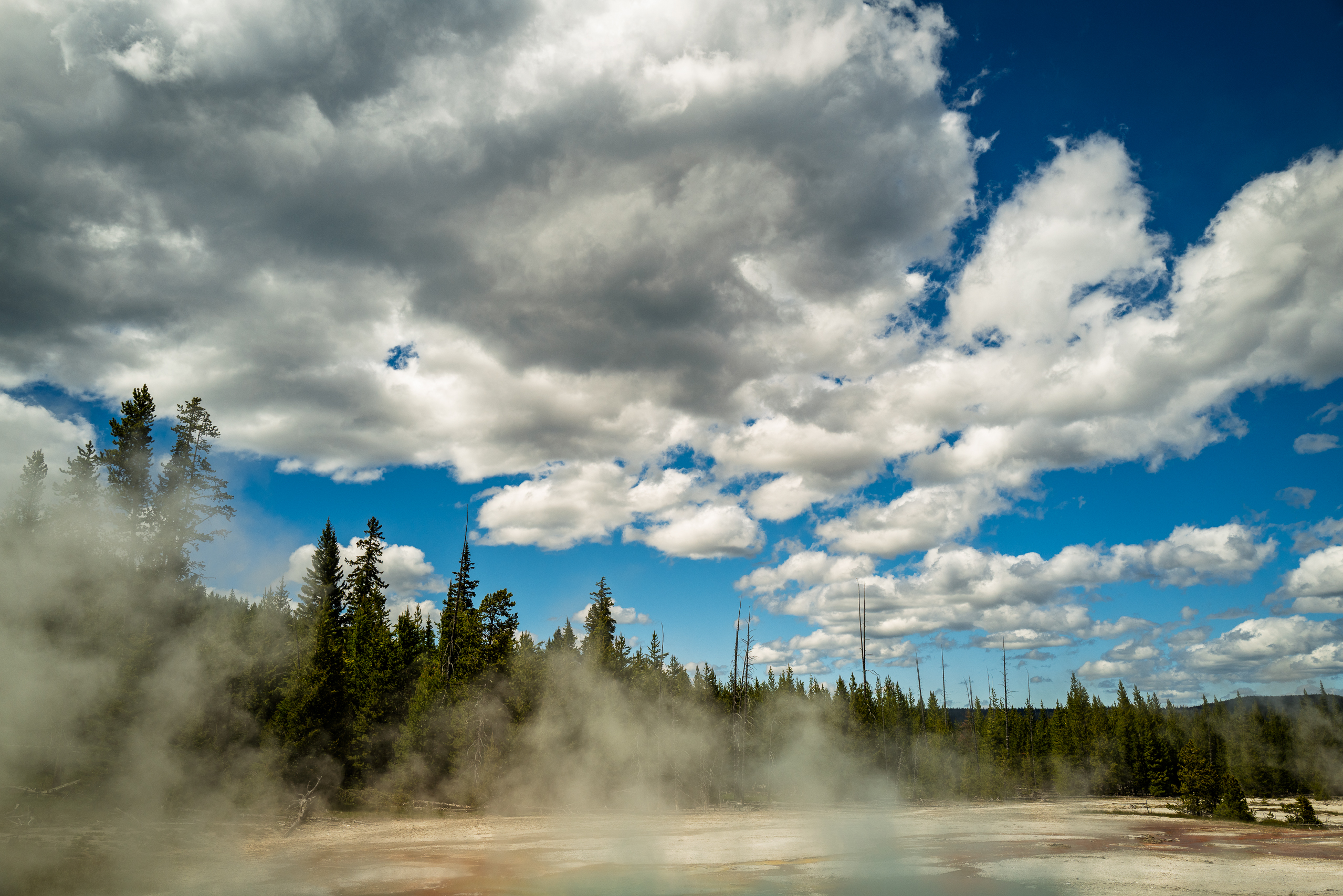
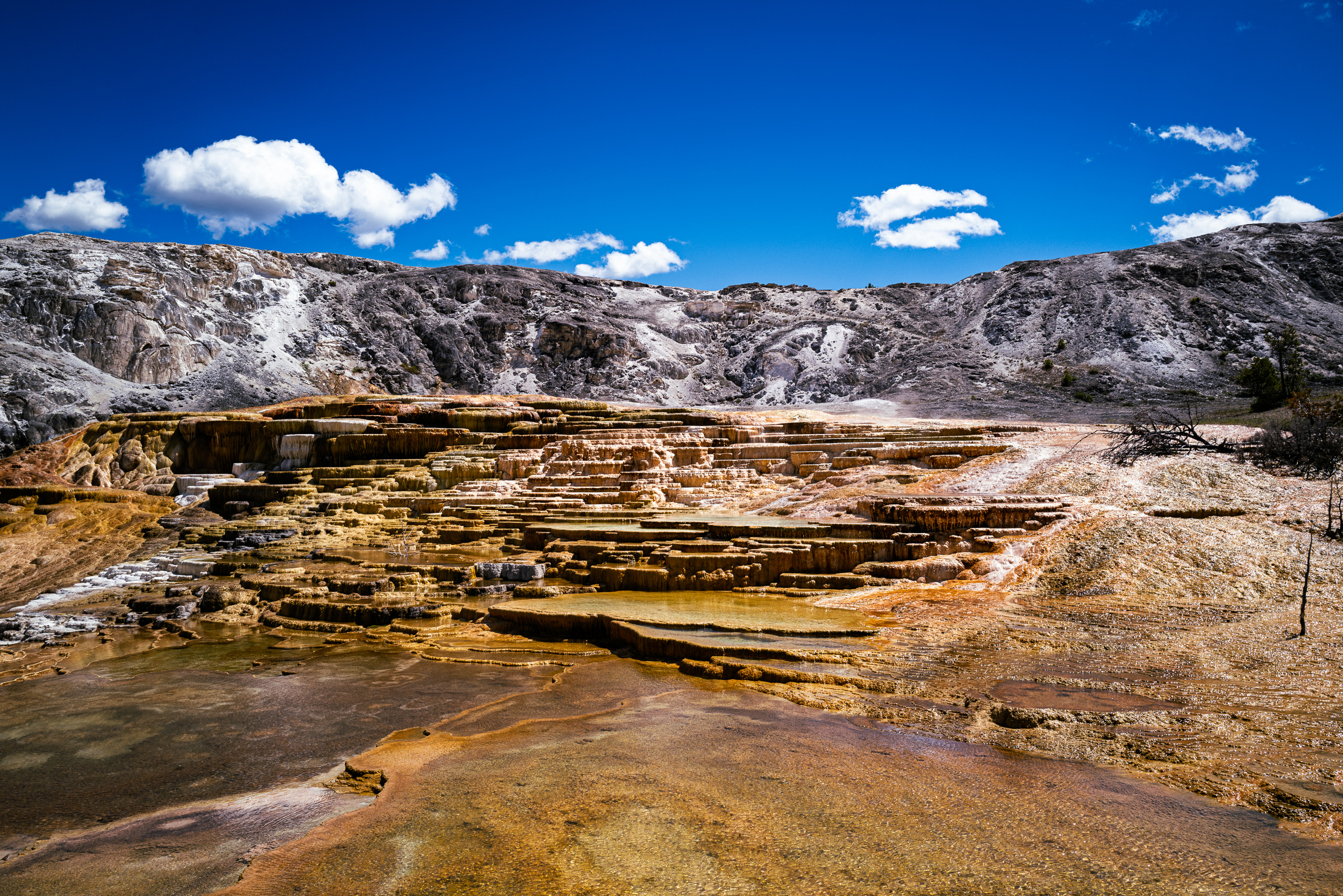
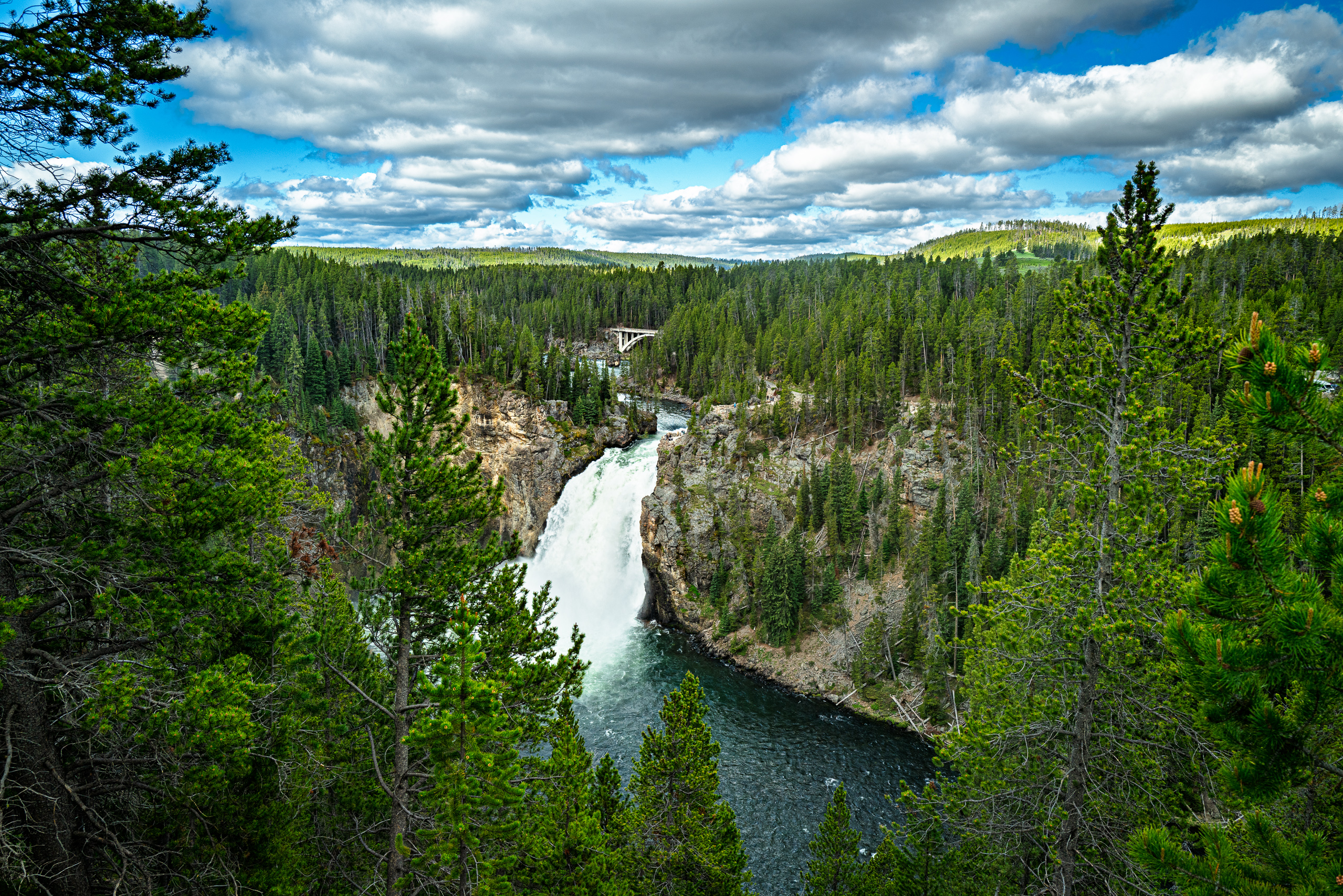
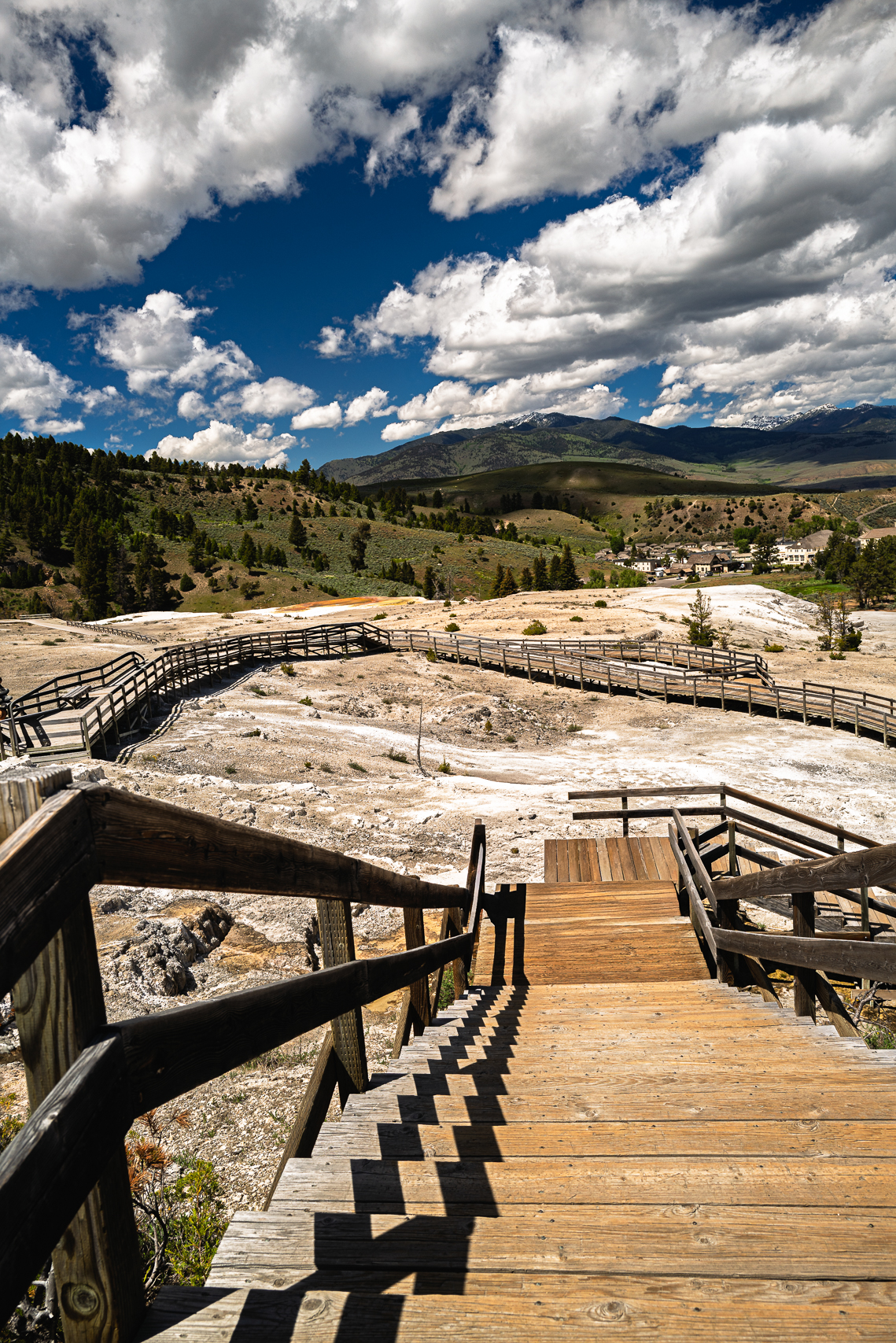
The continental divide mountain ridge runs through Yellowstone, and the lakes in that ridge drain all the way to the Pacific and Atlantic oceans. Throughout the parks, water is ever-present in lakes, rivers, creeks, waterfalls, geysers (like Old Faithful in Yellowstone), hot springs, and other forms. The water’s effect on rock creates some incredible formations, like Minerva’s Terrace at Mammoth Springs in Yellowstone, and the Grand Canyon of Yellowstone.
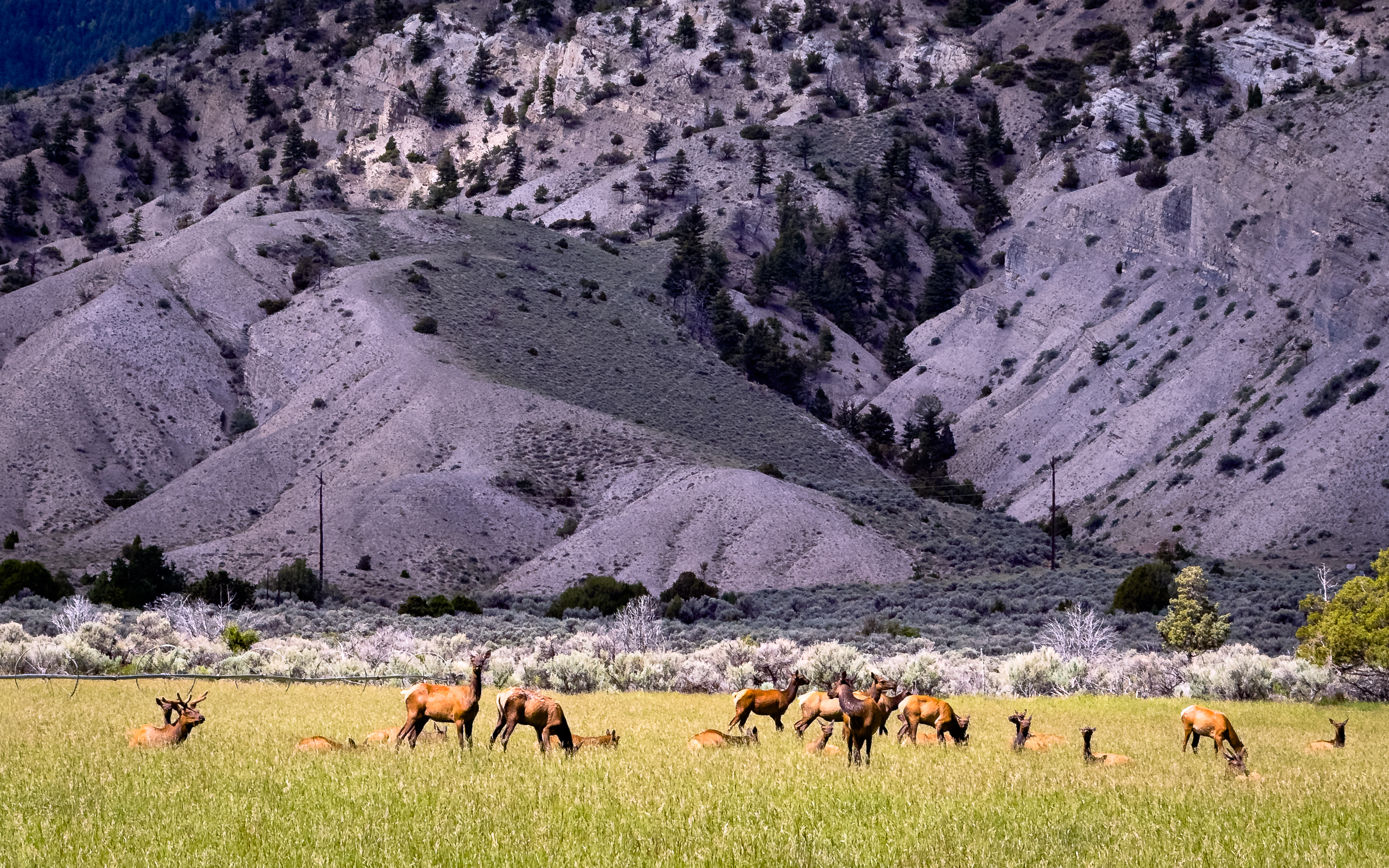
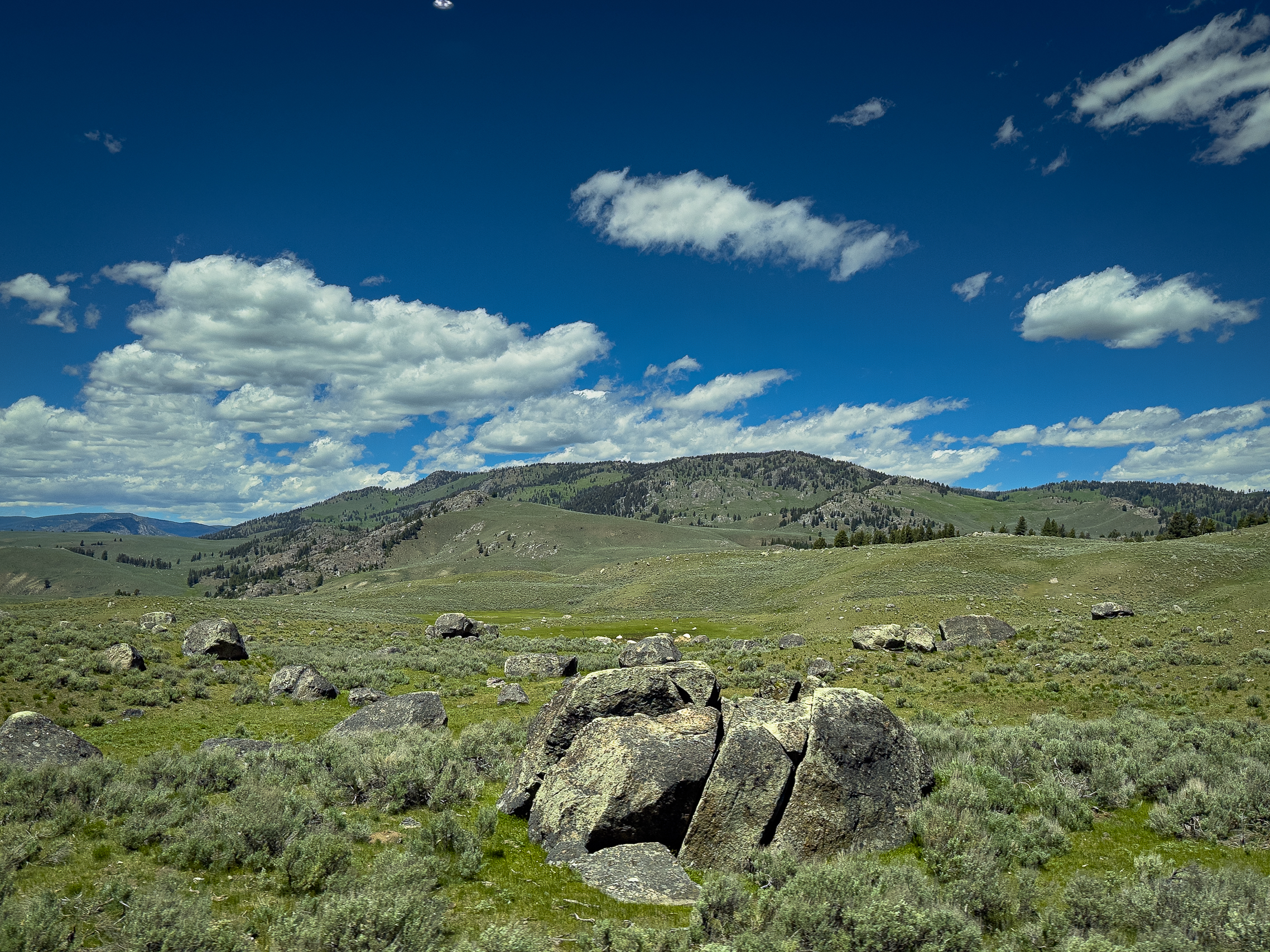
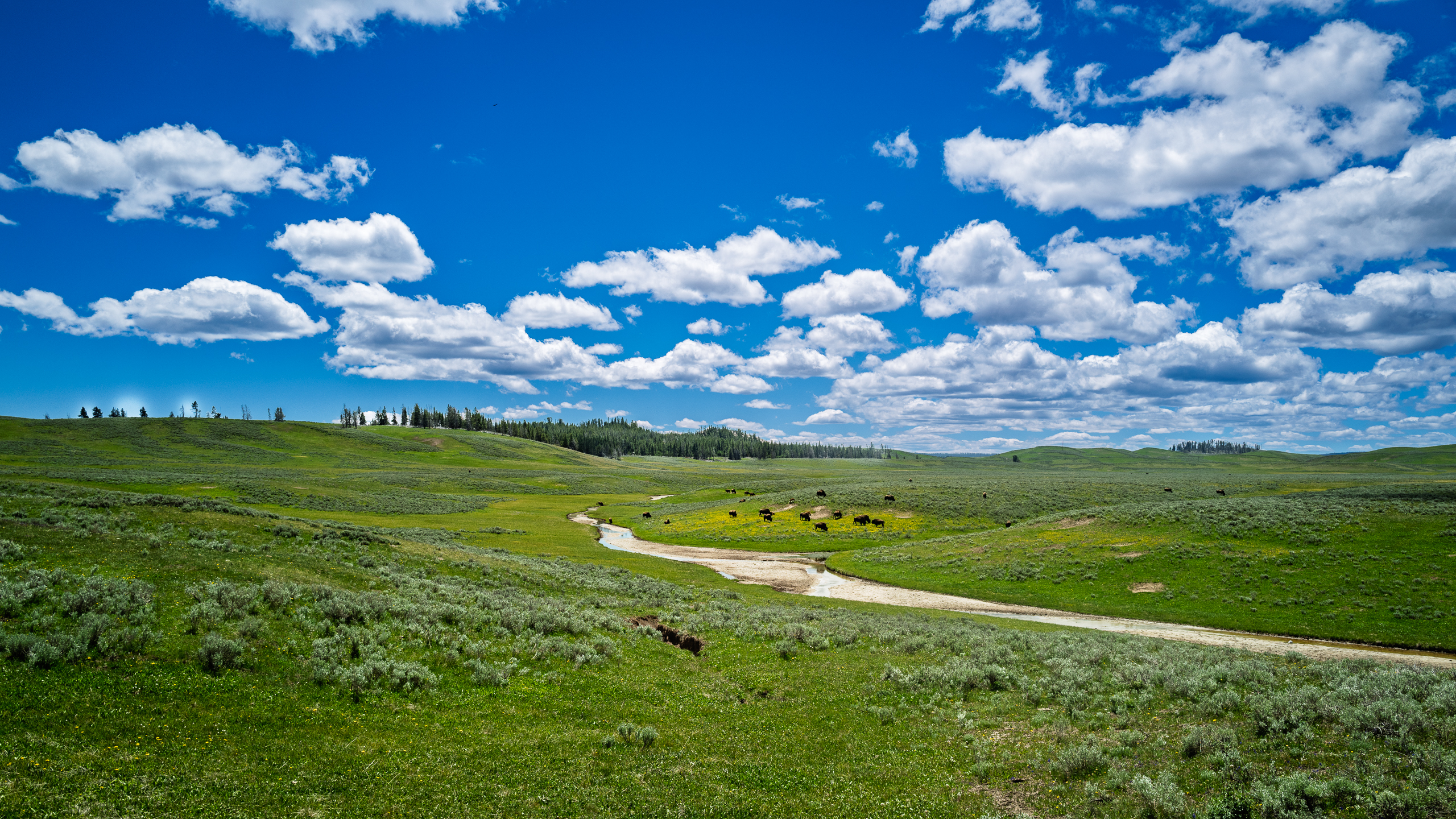
Valleys between the mountains sustain a great variety of wildlife, and we saw lots of bison, elk, deer, pronghorn sheep, black bears and birds, as well as a few foxes and a moose, and some cattle and horses on ranches.

Several small towns are just outside the parks, with lots of lodging for hikers and fishers. Shops abound, selling bait and bear spray, beer and bison burgers, and works by local artists.
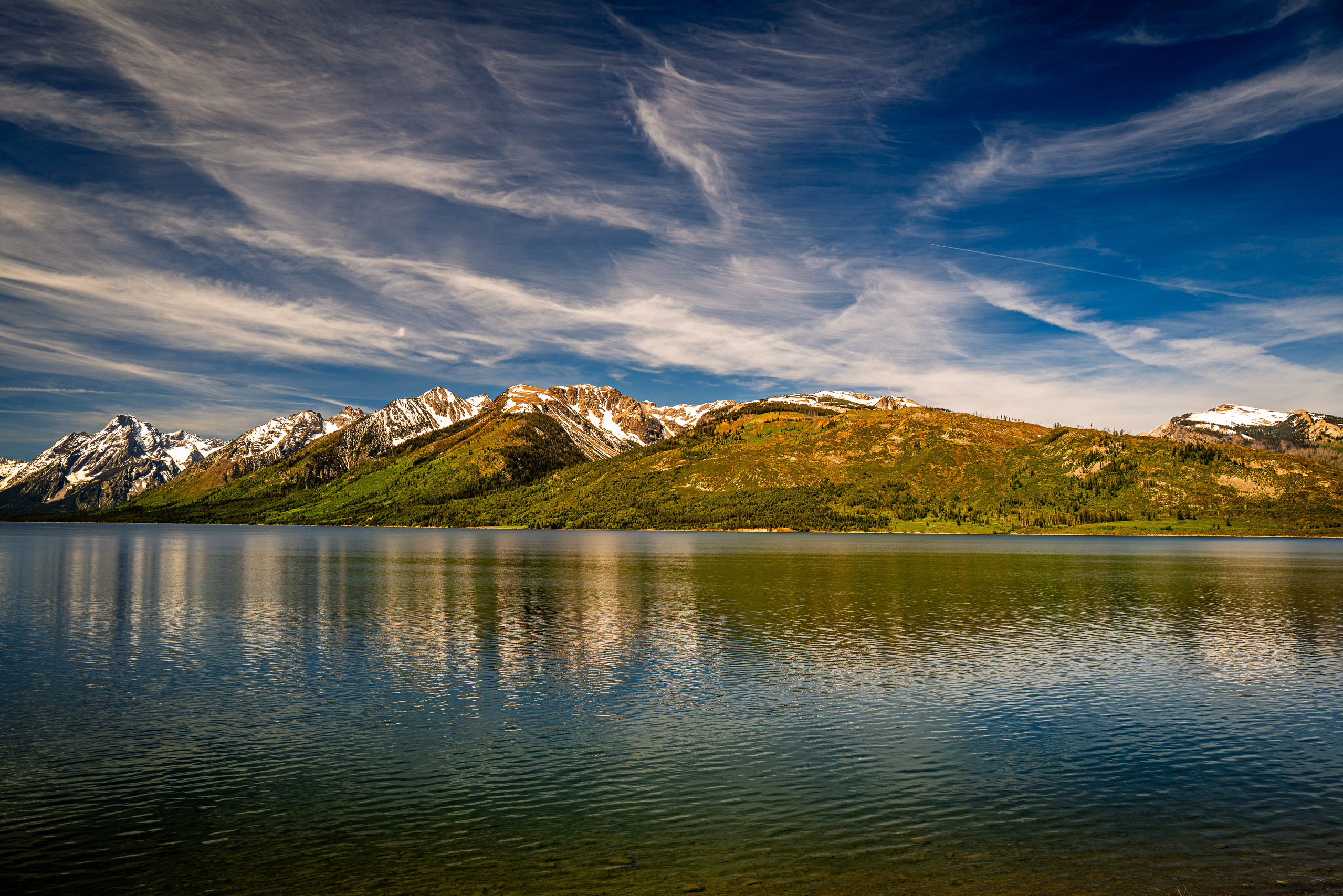
The Grand Teton mountains are magnificent, appearing to rise up almost suddenly from the earth (no foothills or incremental elevations), and reflected perfectly in the Snake River and other bodies of water. Glaciers are still present in the Grand Tetons, looking like frozen rivers on the mountains in the range.
The National Museum of Wildlife Art in Jackson houses an impressive collection of paintings, drawings, sculpture and other items commemorating wildlife and the traditions of the West. It sits on a hilltop across from the National Elk Refuge, a massive area where many species of animals and birds can come during the harsh winters to find food needed for survival.
Our trip ended in Jackson WY, another rustic yet sophisticated town, where outdoor life is celebrated yearlong. No matter the season, there are outdoor sports to play – hiking, fishing, hunting, skiing, etc.
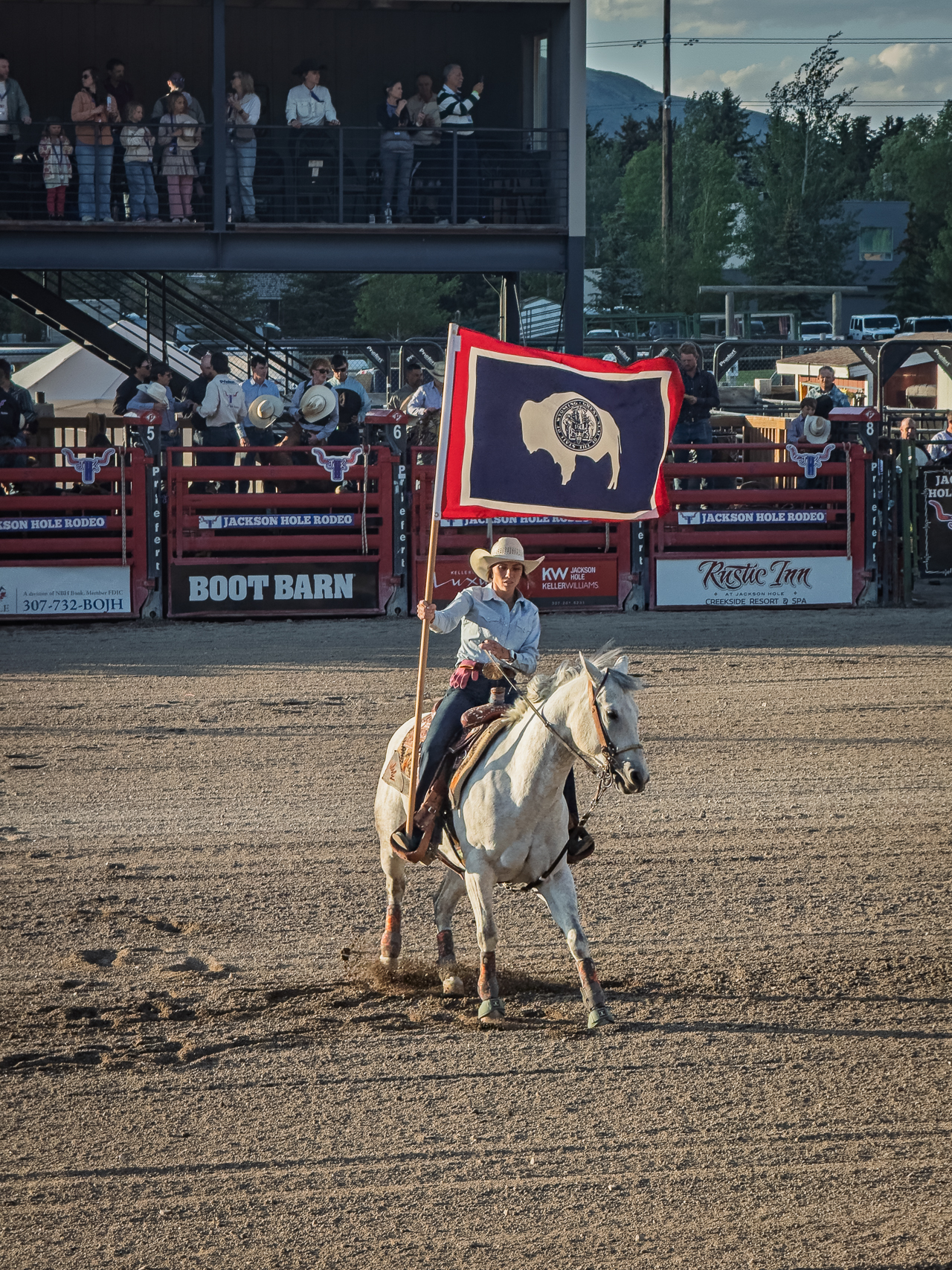
We went to the Jackson Hole Rodeo on our last night in town, and saw some incredible horsemanship by riders of bucking broncos (horses) and bulls, ropers of calves and steer, and people doing other risky things with big animals. The stands were filled with families, and virtually every kid had on boots and a cowboy hat, while the boots worn by the women in attendance ranged from plain brown leather boots to high-style ornamented versions in red and pink leather and suede, with lots of sparkles. It was a lot of fun, and interesting.

We haven’t yet made it to all 63 of the US national parks, but we are working on it. Yellowstone and Grand Teton are two that we are very happy to have visited, and would visit again in a heartbeat.
Joe and MA