
Sailing Along the Douro River
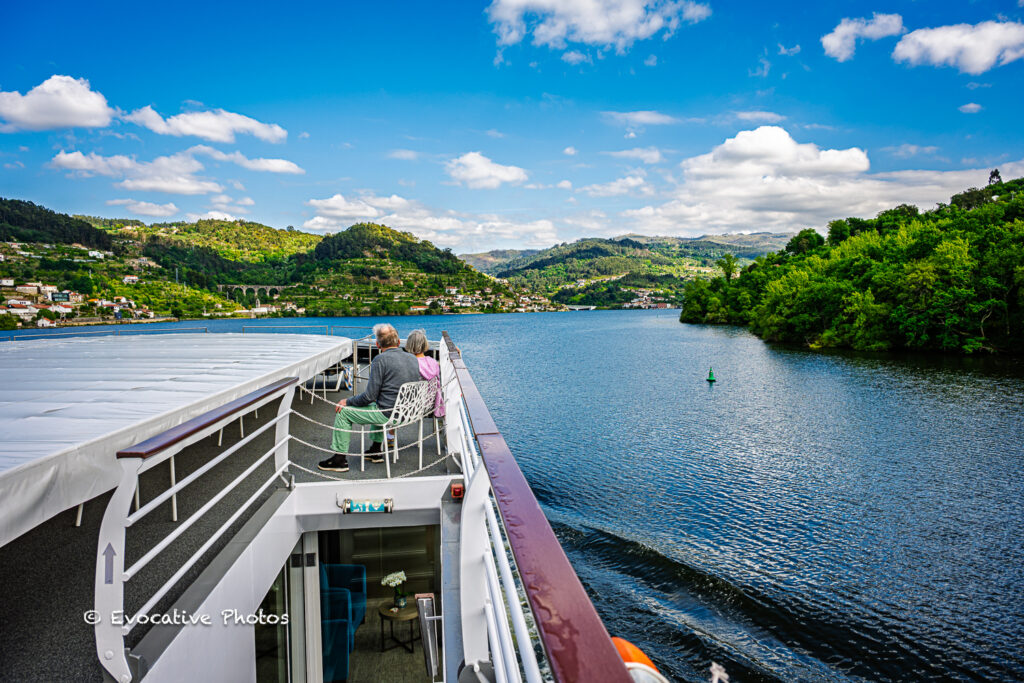
When we finally arrived, we began our trip to Portugal with a Road Scholar led cruise on the Douro River. The cruise was truly magnificent, as was the Road Scholar guide, Lucia Gomez. We got lucky with the weather which was extravagantly good, and the scenery which was stunningly beautiful along the riverbank.
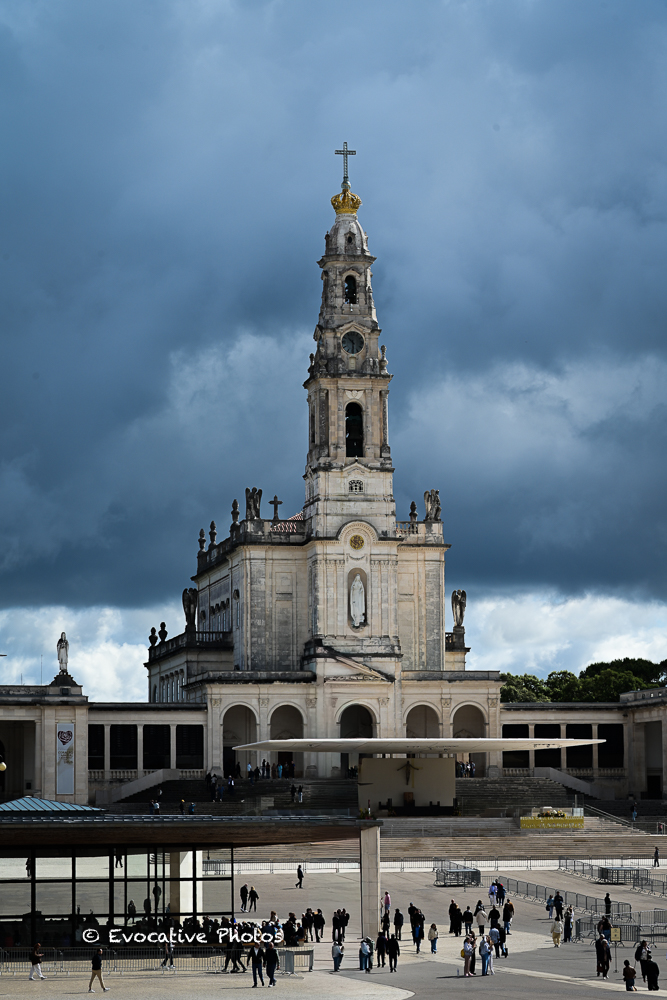
In our travels, we also got a chance to visit Fatima and Tomar , which are in the vicinity of the Douro Valley. Fatima is where the Blessed Virgin appeared to three shepherd children in 1917. It is visited by millions of pilgrims every year and is one of the most important pilgrimage destinations of Catholicism.
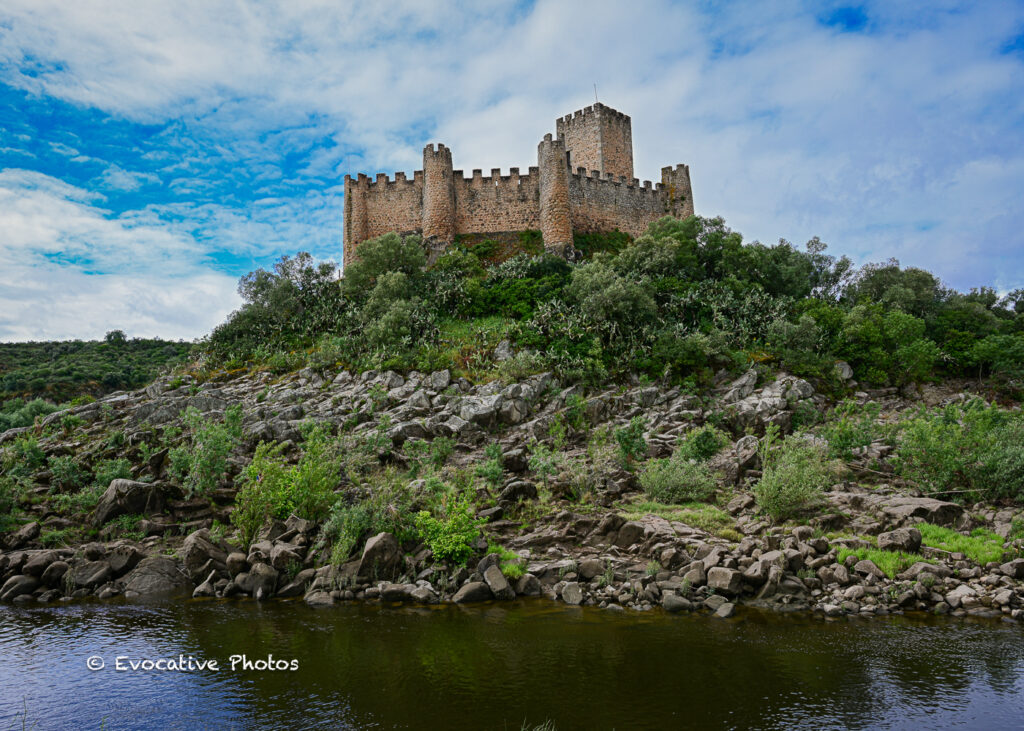
Tomar (below) famous as the site of the Convent of Christ with its strong connection to the Knights Templar. In Portuguese Convent refers to a dwelling that can accommodate either men or women–but not both.
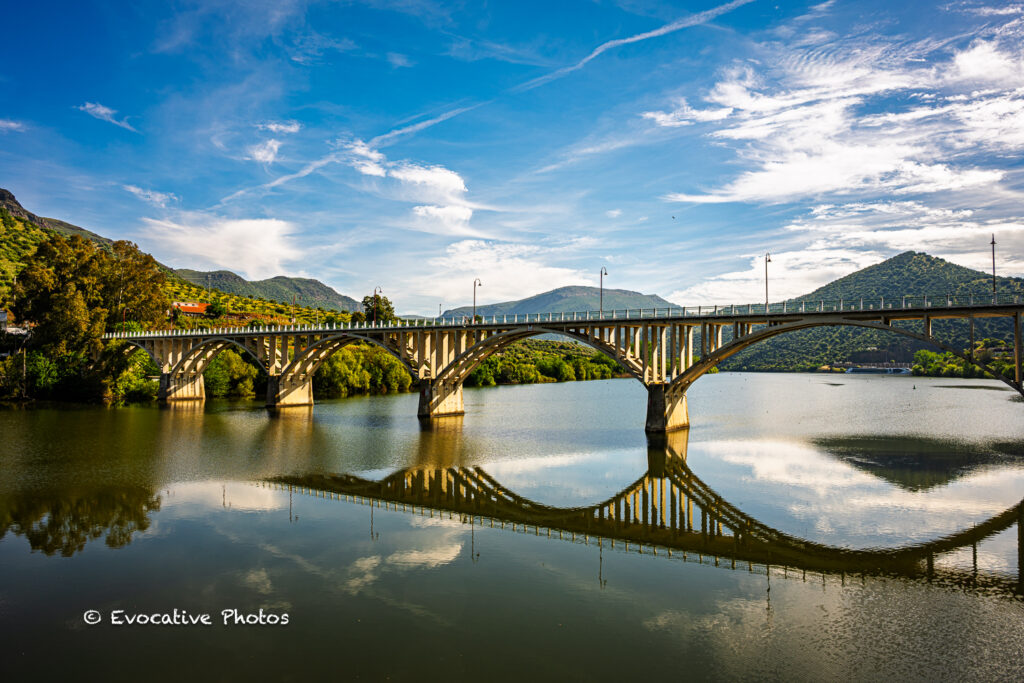
Along the way we passed more towns than I can mention, all of which seemed to have a medieval touch, modern bridges and architecture and tourists.
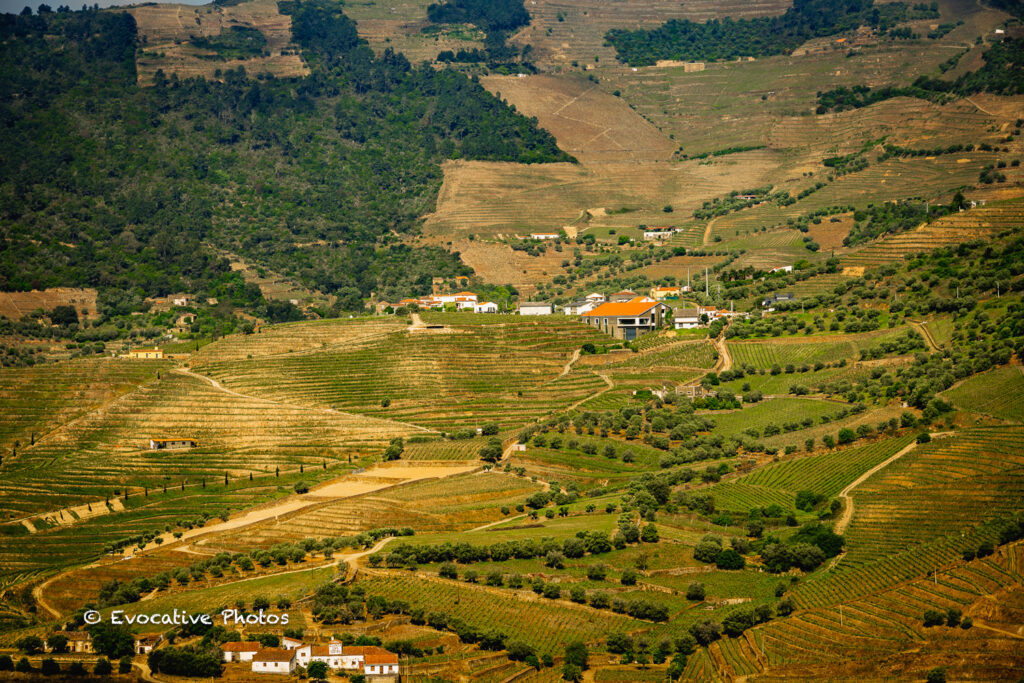
And there was construction going on everywhere. I should mention that although we began the first part of our journey in Porto, we actually got on the ship in Vila Nova de Gaia, a town with spectacular views of Porto.
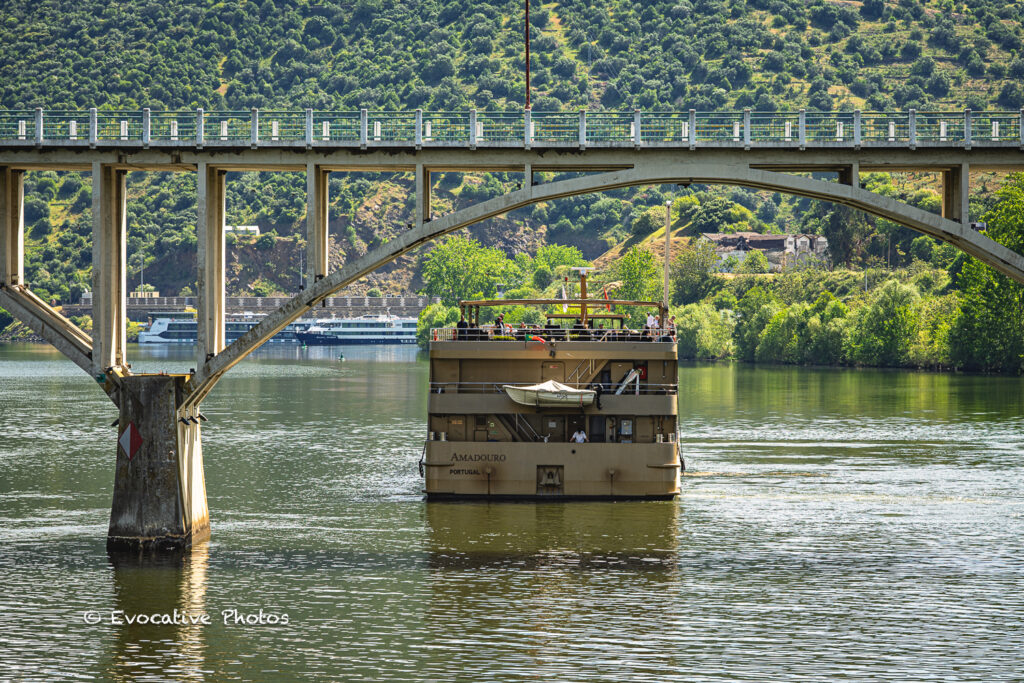
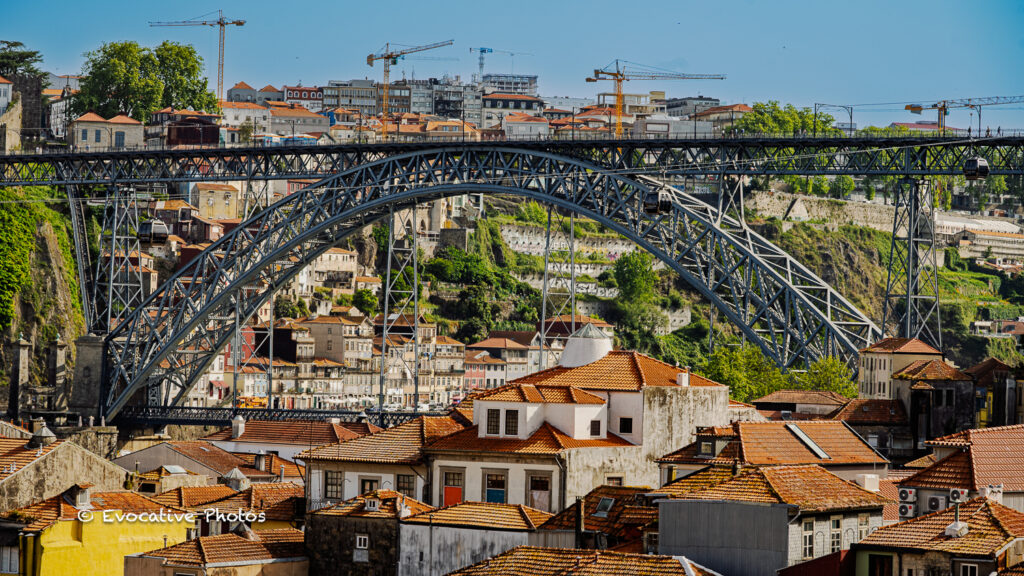
All in all a fine start to the trip to Portugal.
JFB
Merry Olde England
Well, here we are in Devon, England at the Mill Inn. We had to cancel the first part of our plan which was a Road Scholar trip to Wales. Mary Anne managed to salvage the second part—a visit to see our friends Sally and Michael Oxlade. We have now begun a trip with them through Devon and Cornwall. After that we plan to go to the Isles of Scilly before returning to Barton Stacey where we will spend a couple more days with Sally and Michael.
Baton Stacey is not too far from London geographically speaking. But there is a world of difference between London and and the village of Barton Stacey. I should explain—unlike the US which has big cities, suburbs and rural areas, England can better be described as having large cities and small villages.
Anyway, we are here in Devon, which is mostly a collection of villages and some larger cities.
For the most part it is countryside, and it is magnificent. When people in the States think of Britain, they think of London. This is not like London at all. There are acres and acres of rolling hills, grass and farmland. And there are plenty of sheep and some wild ponies.
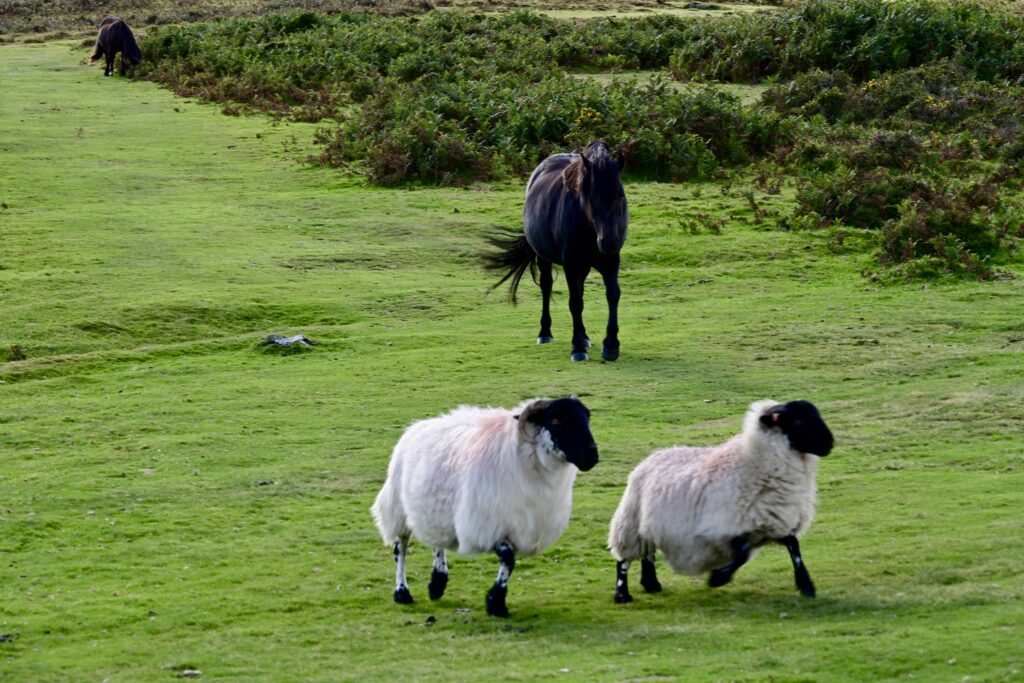
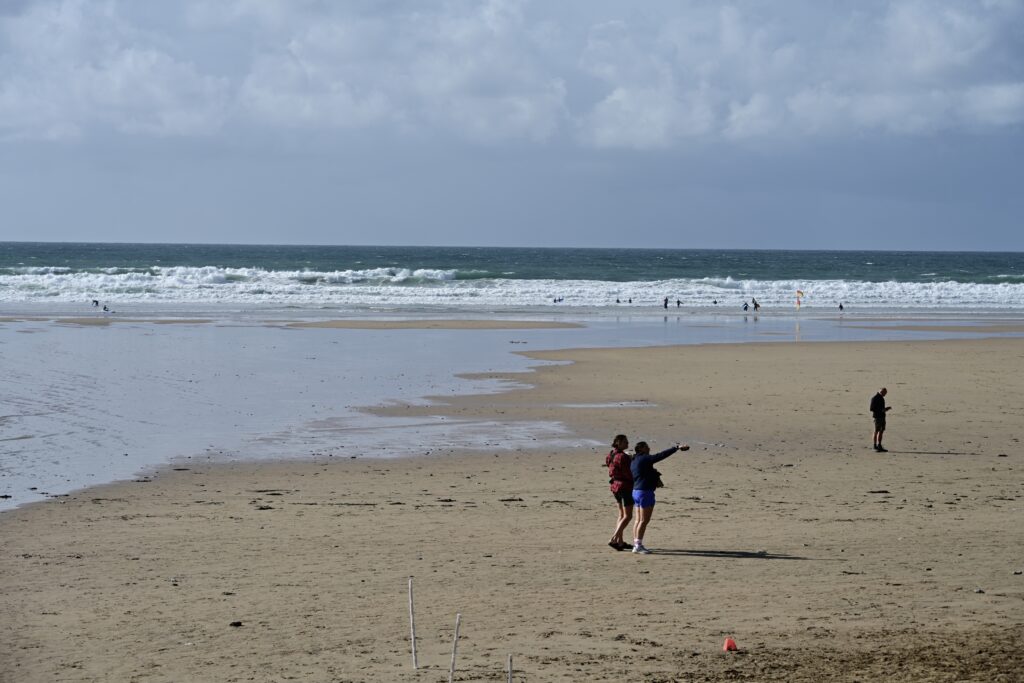
We saw quite a few sheep, cows and magnificent vistas. And that was before we had lunch at one of the surfing beaches we stopped at along the way. While we were having lunch there was a torrential downpour that lasted all of 10 minutes, and then everybody was back on the beach.
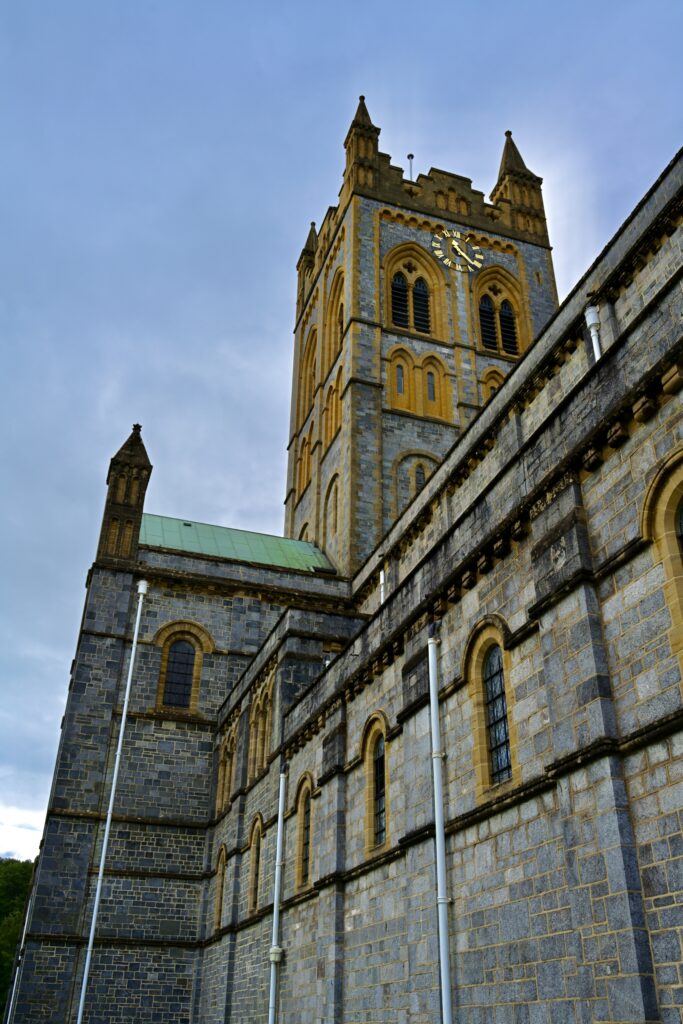
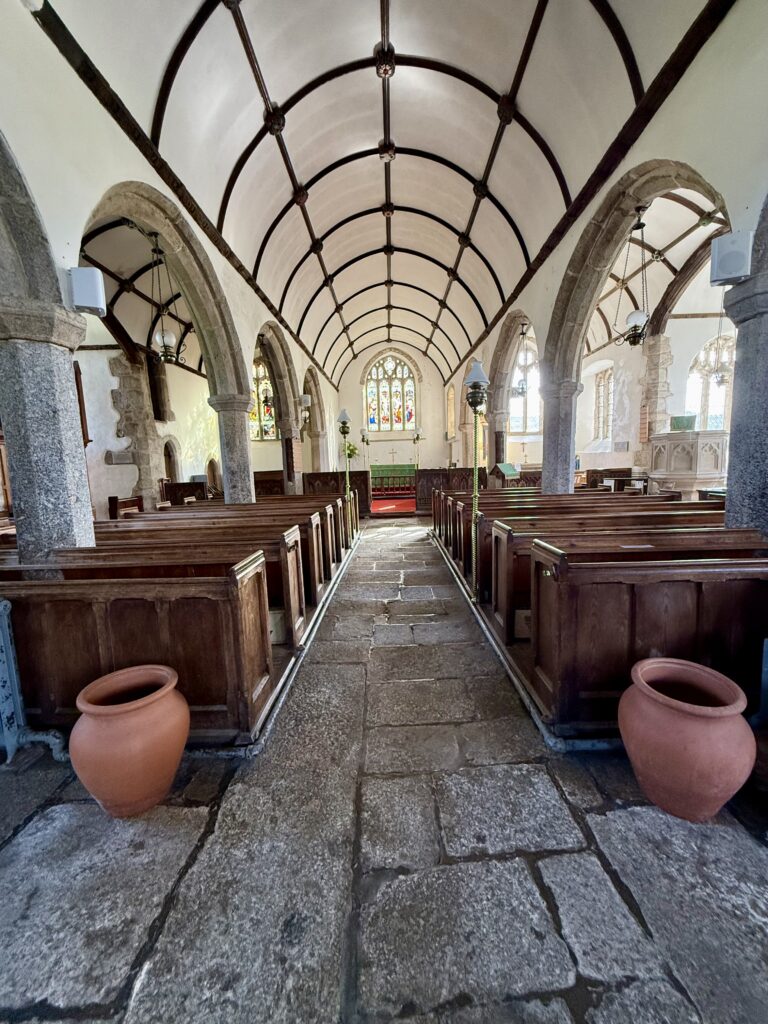
Not a surprise, but everywhere we go there is a building, often a church, that is, round numbers, 500 to 1,000 years old. The buildings are in excellent shape. And they are magnificent.
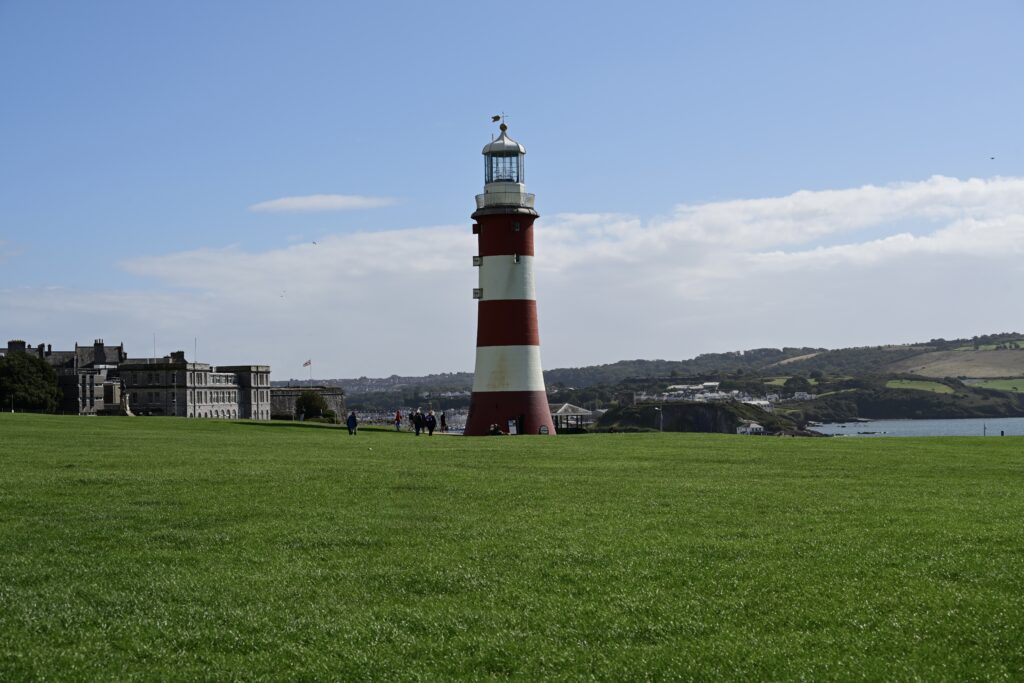
Among other things on the way we also went to a surfing beaches, and to a lighthouse by the English Channel.
We finally made it to our hotel for the evening, which was of course, excellent. We bunked in for the night, had an excellent dinner and breakfast the next morning. Then it was on our way to Cornwall, where we will stay for a few days.
Until next time,
JFB
Türkiye (Turkey)
After two days in Greece, we moved on to Türkiye (Turkey), a country with a unique geographic position and an incredible history. It is partly in Europe and partly in Asia. A ferry shuttles between the two; it’s about a half hour ride. Most of the land mass is in Asia but most of the population is in Europe.
Before arriving in Turkey we studied some of its history, but it is a LOT to absorb; parts of Turkey have been inhabited by humans for about 12,000 years. We did our best to see Ephesus and Istanbul, but 3 days is hardly enough.
Ephesus and Mary’s House
Ephesus (as in Paul’s Epistle to the Ephesians) was a major port city for the Romans in the first century AD. When silt in the river made the port less accessible, Ephesus was moved inland.
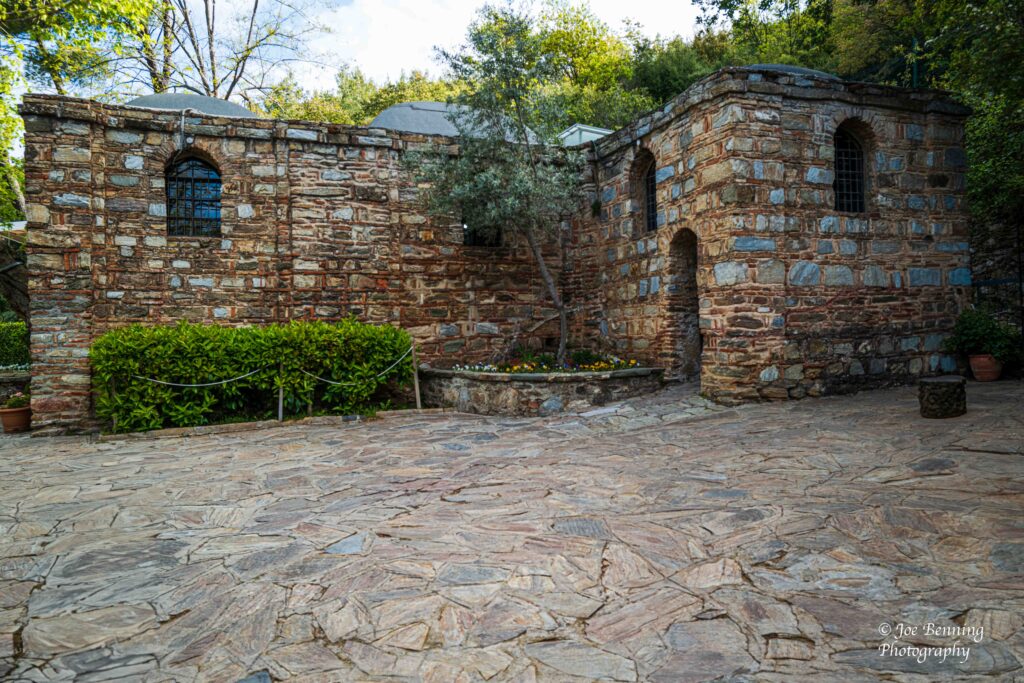
Before exploring well-preserved ruins from the Roman era, we had an early morning visit to the house near Ephesus where the Blessed Virgin Mary was believed to live after the death of Christ. The stone house, located in a large national park, is a simple 2-room structure which now houses a chapel. The morning was serene and the atmosphere very spiritual. It was a beautiful way to start our exploration of Turkey.
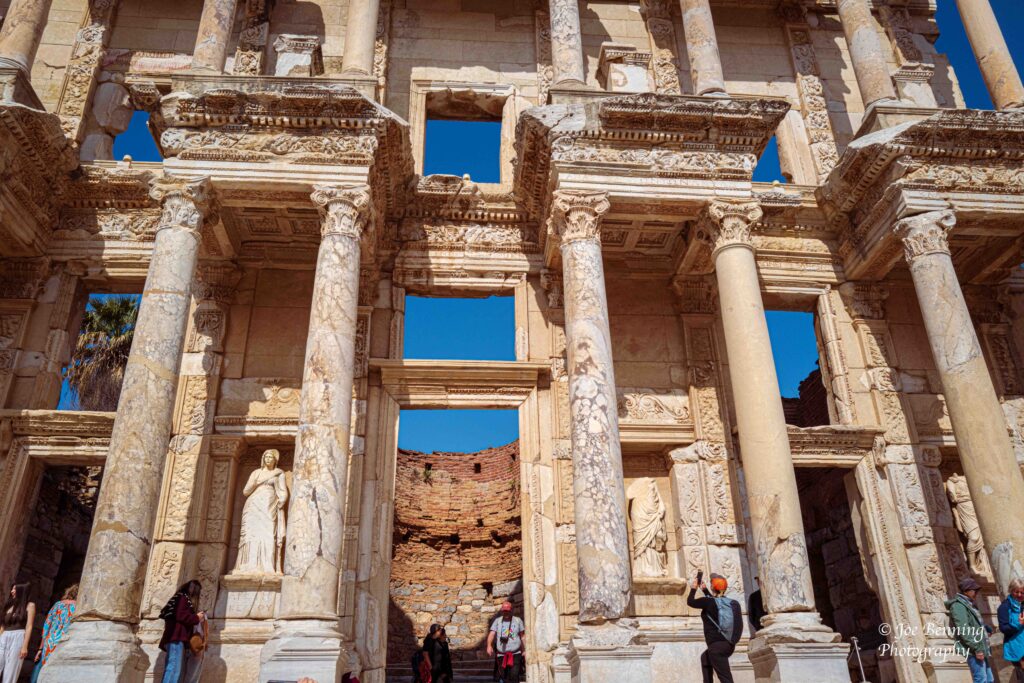
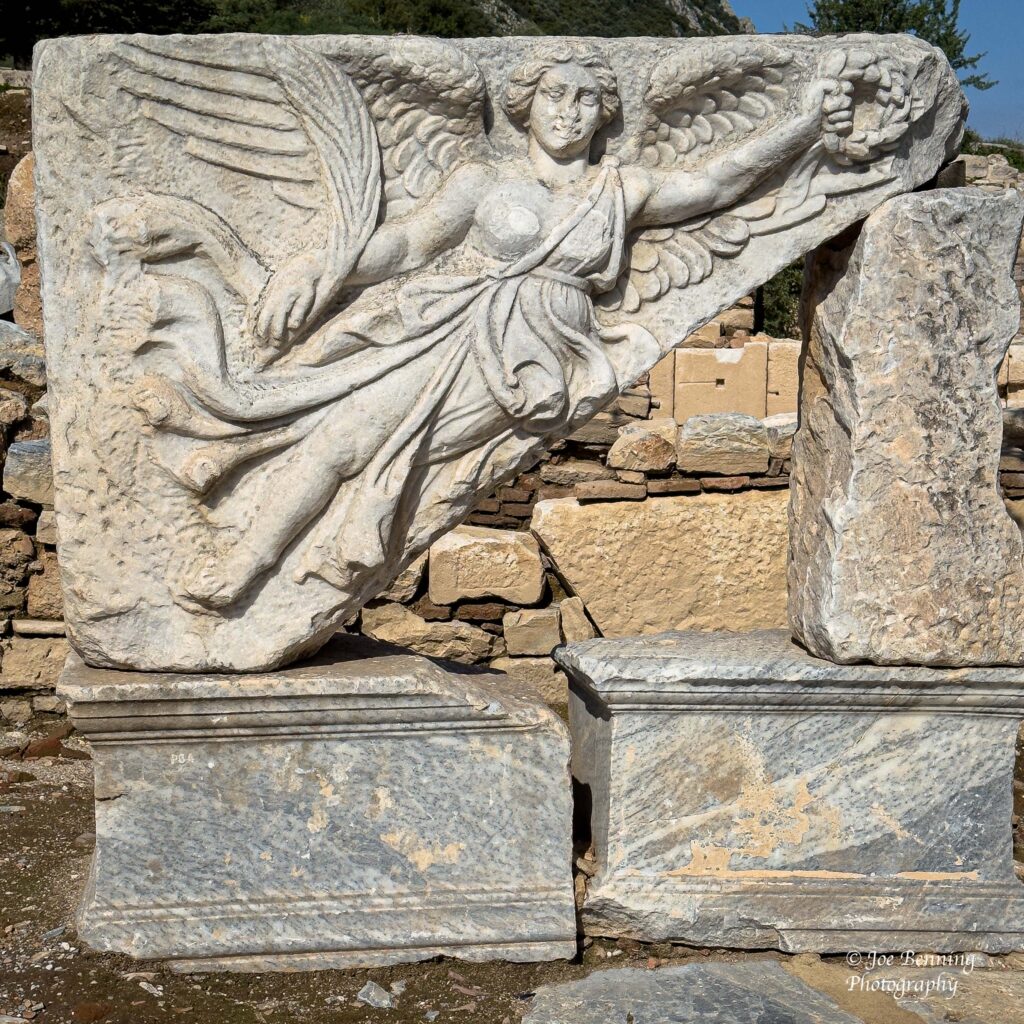
We moved on to the remains of the Roman city of Ephesus, walking around well-preserved structures (or parts of them) – the Library, the Odeon, the Temple of Hadrian, the Theater and the Agora.
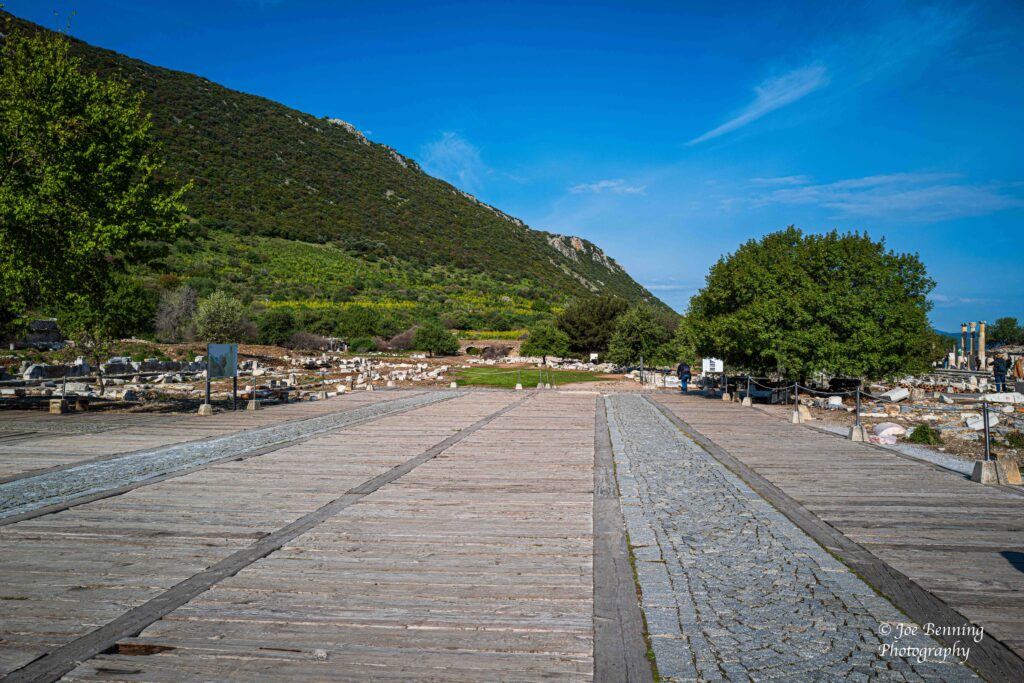
Excavation in this area is quite recent, and approximately 20% of the old City center is now open to the public. There were virtually no limits on accessing the works – you can climb around and stand on pedestals or walk up the steps and enter what is left of the library.
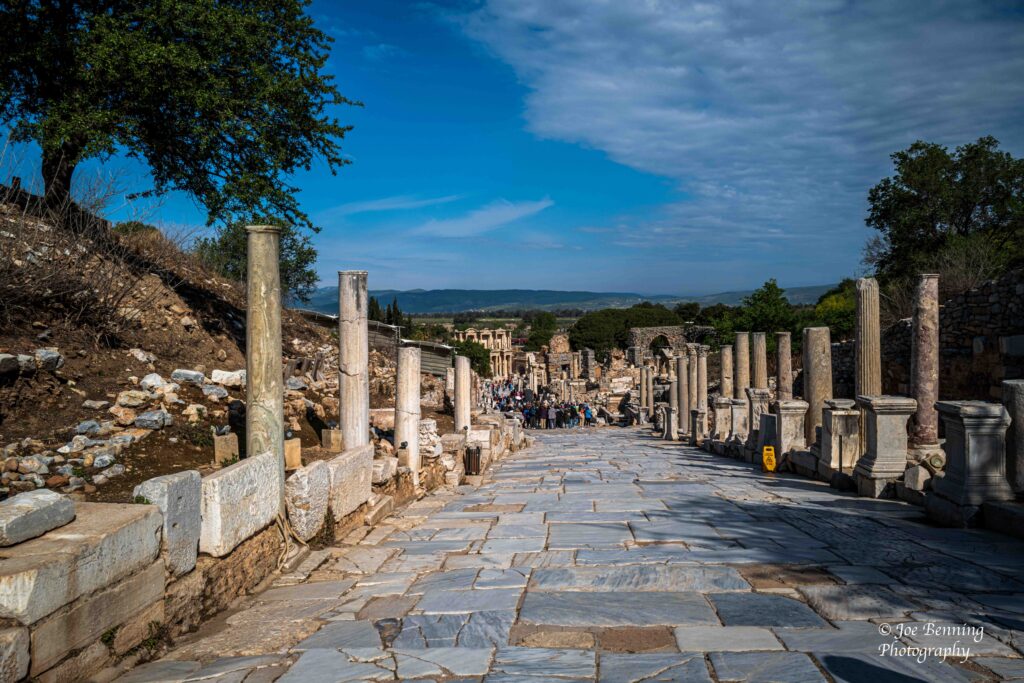
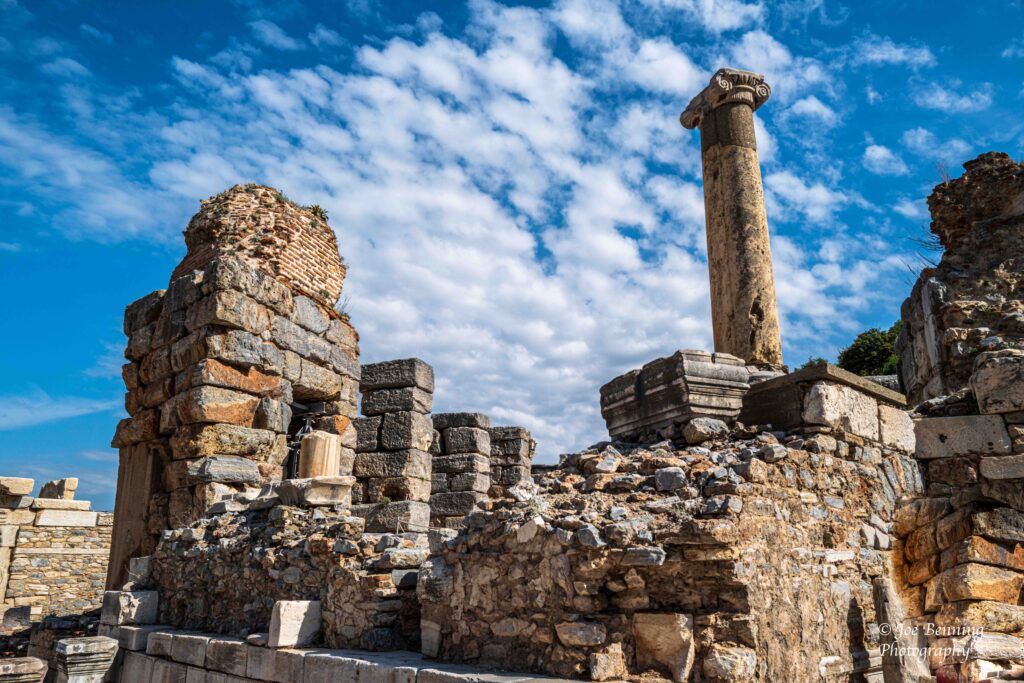
The Ephesians were masters when it came to water and sewers – clay pipes of various sizes allowed for different water pressure, and marble or stone enclosures ensured that when the pipes met at a right angle, the pressure did not cause any cracks. The public health was enhanced by a public latrine system that used running water to remove waste. Very ingenious, those Romans.
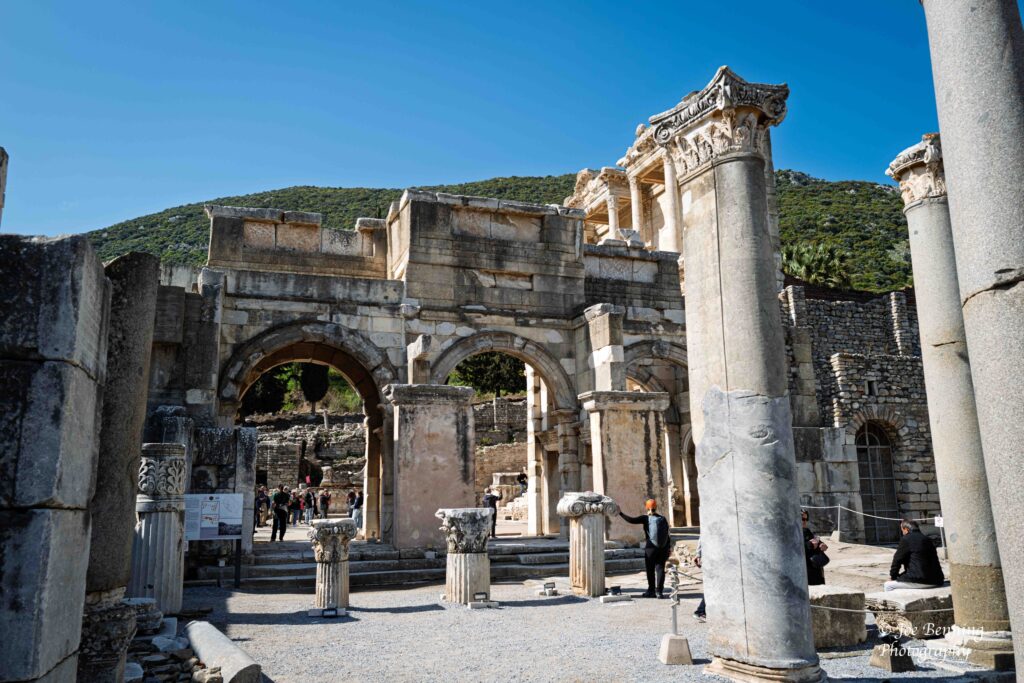
Next stop: Istanbul
MAM & JFB
Malta: A Land of Churches and Palaces
We spent two days in Malta. Officially known as the Republic of Malta, it is a small island country located in the Mediterranean between North Africa and Sicily. It is a member country of NATO.
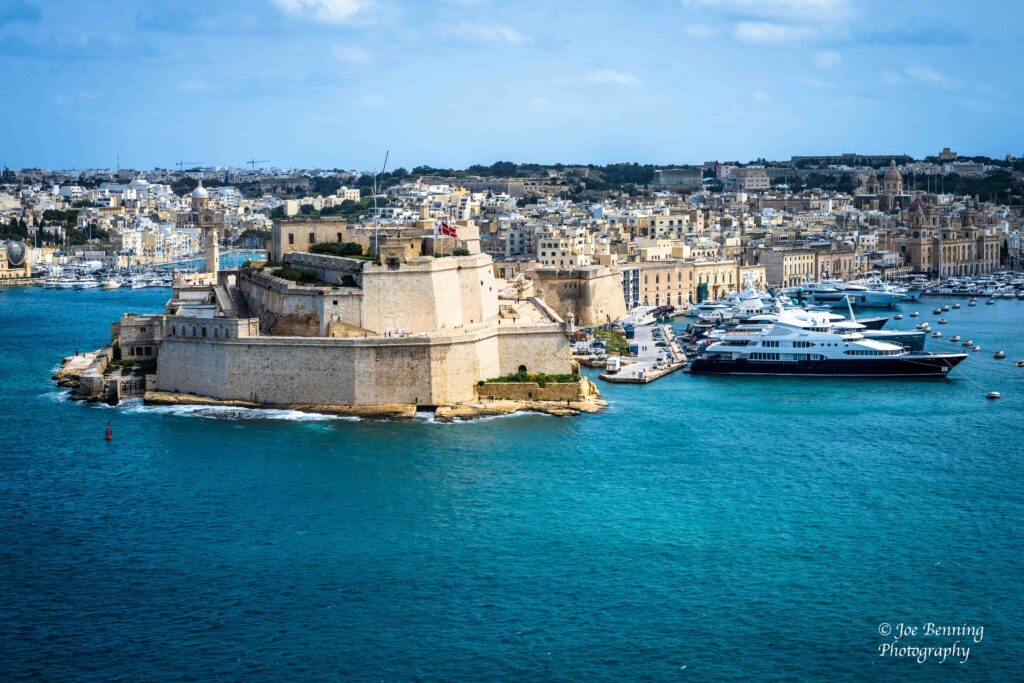
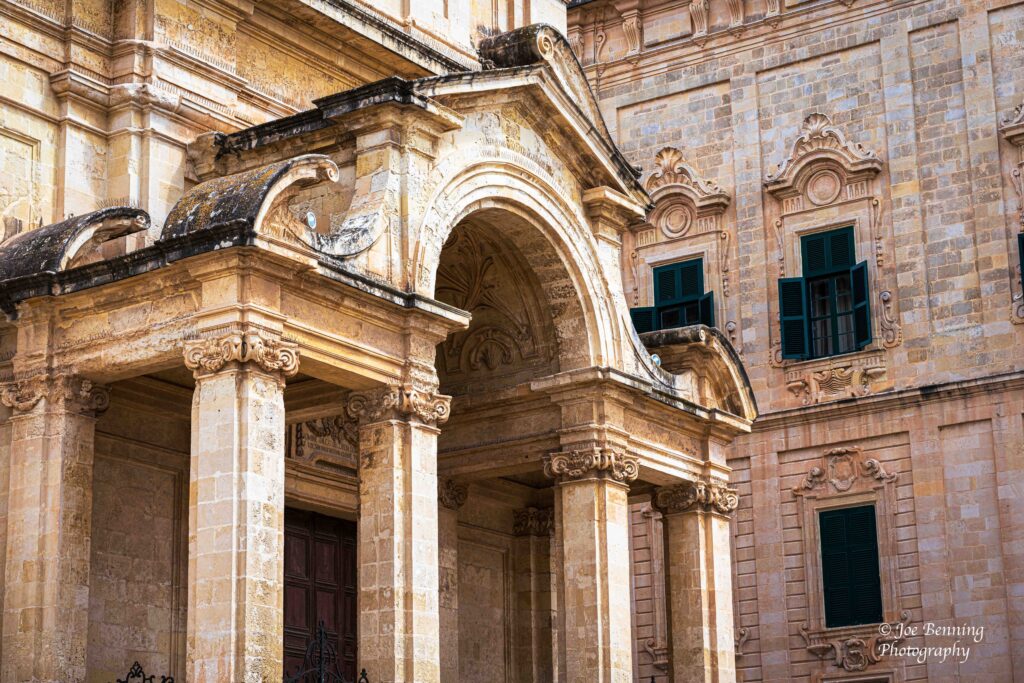
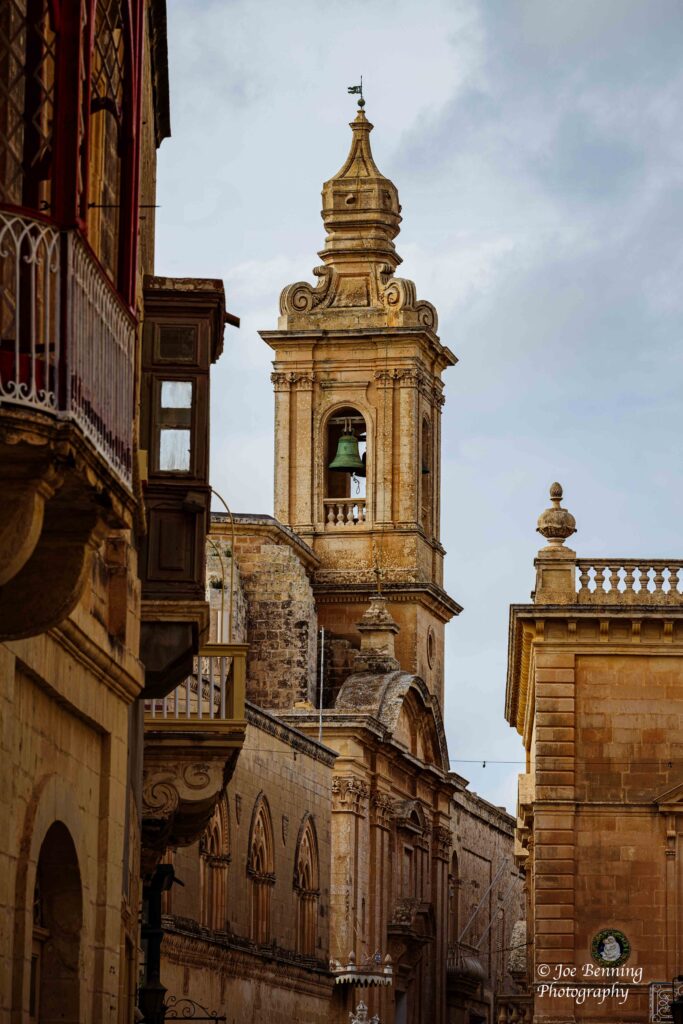
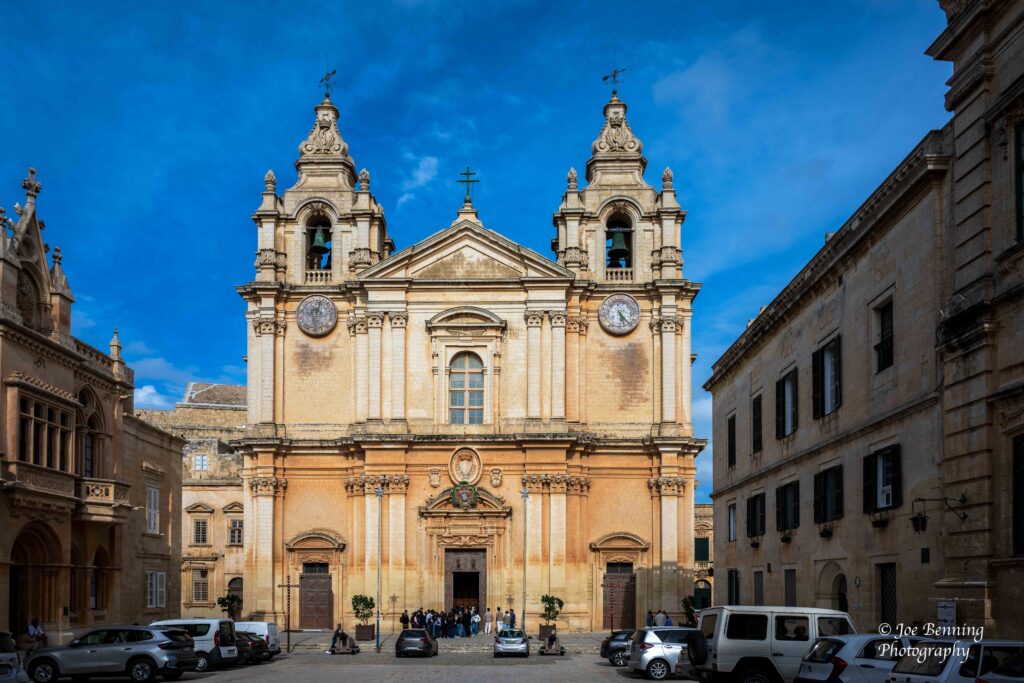
While it may be small (population 525,000) it is a very wealthy state and densely populated. It is overwhelmingly Catholic. And it seems like there are churches and palaces everywhere.
Per capita GDP expressed in purchasing power parity (PPP) is about $68,000; its GDP is about $37 billion. By way of comparison, Malta’s PPP GDP is 2.5 times the world average (about $27,000). The US clocks in at about $82,000. Which is to say that Malta is one of the world’s richest countries.
Malta, which is often described as a city-state, only received its independence (from Britain) in 1964. Its official languages—there are two—are English and Maltese.
Largely due to its geo-strategic importance, Malta has been continuously inhabited since around 5,900 BC. For the same reason, Malta has been ruled by many different countries as they competed for power and influence. These societies included the Phoenicians, Carthaginians, Greeks and Romans during antiquity. The Arabs and and Normans tried their luck in the Middle Ages.
In the modern era (from about the early 20th century) the Knights Hospitaller, a Catholic military order, and past participant in the crusades ran the show for a while. A forerunner to the Order of the Knights of St John, it held sway. Both Britain and France took their respective turns at governing as well, with Britain granting self rule to Malta in 1964.
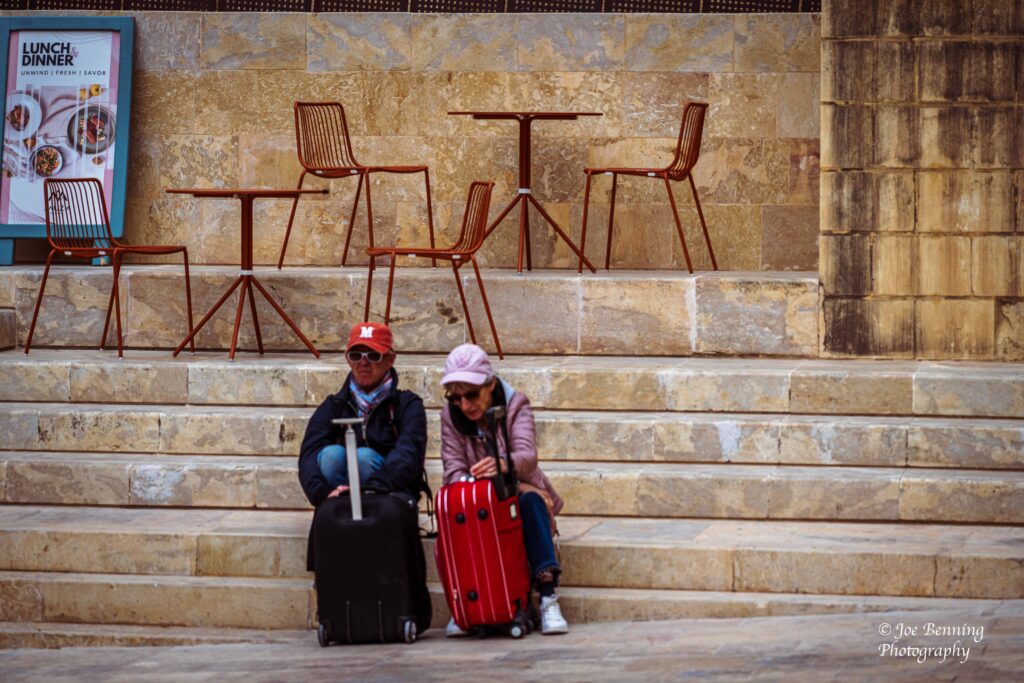
We took several walking tours over the 2 days we were there. And we walked everywhere, from churches to museums to public parks.

The second say we were there we stopped at a restaurant not too far from the ship where we had a nice lunch. I should add that it would be difficult not to be impressed by the majesty of Malta. It is relentlessly clean, orderly and full of history. Definitely worth a stop.
JFB
Off to Spain
So here we are in Cádiz, Spain. It is the capital of the Province of Cádiz in autonomous Andalusia. It is one of the oldest continuously inhabited cities of Western Europe, but it is quite small. It has only about 115,000 resident citizens.
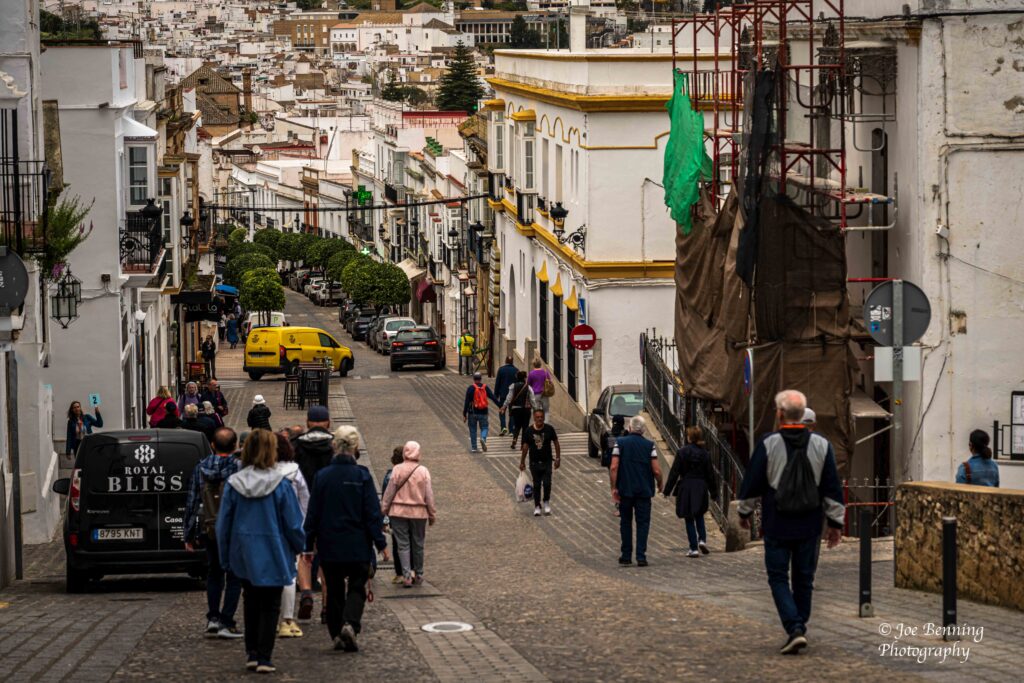
It is often described as a typical Andalusian city brimming with historical landmarks. The older part of the city, the “Old City” takes up the bulk of the city’s area. It has narrow winding streets and alleys that connect large plazas. By way of contrast, the newer parts of Cádiz have wide avenues and modern buildings.
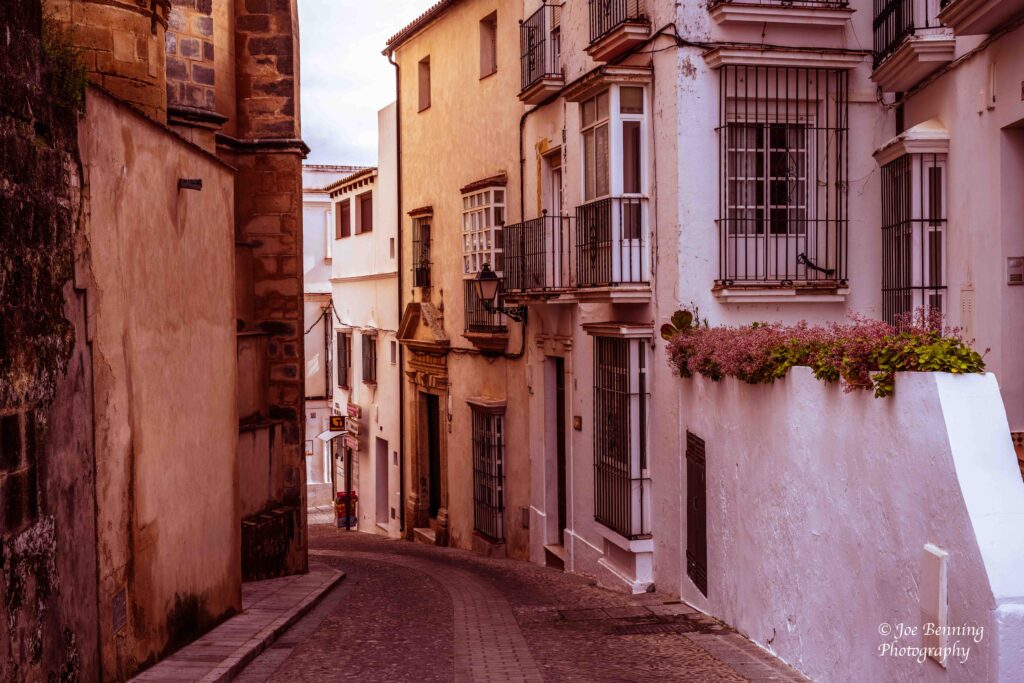
We went on a walking tour of the city and pretty much covered everything, from the narrow winding streets of Old Town, to the more modern bustling streets of the newer city. We saw some large plazas, cathedrals and high points that overlooked the city including farmland in the distance.
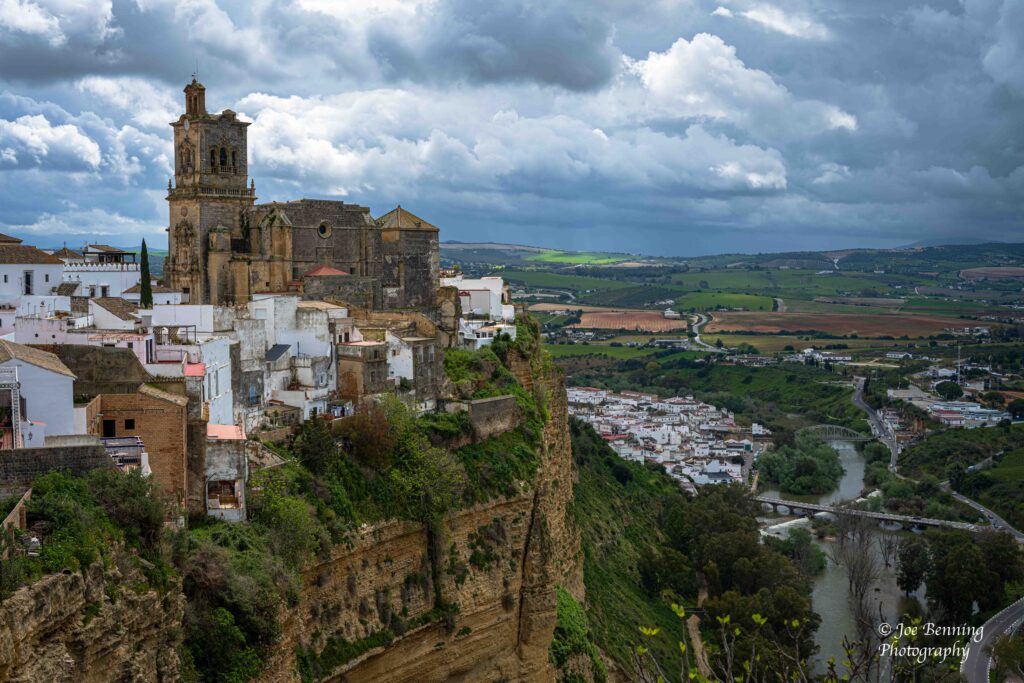
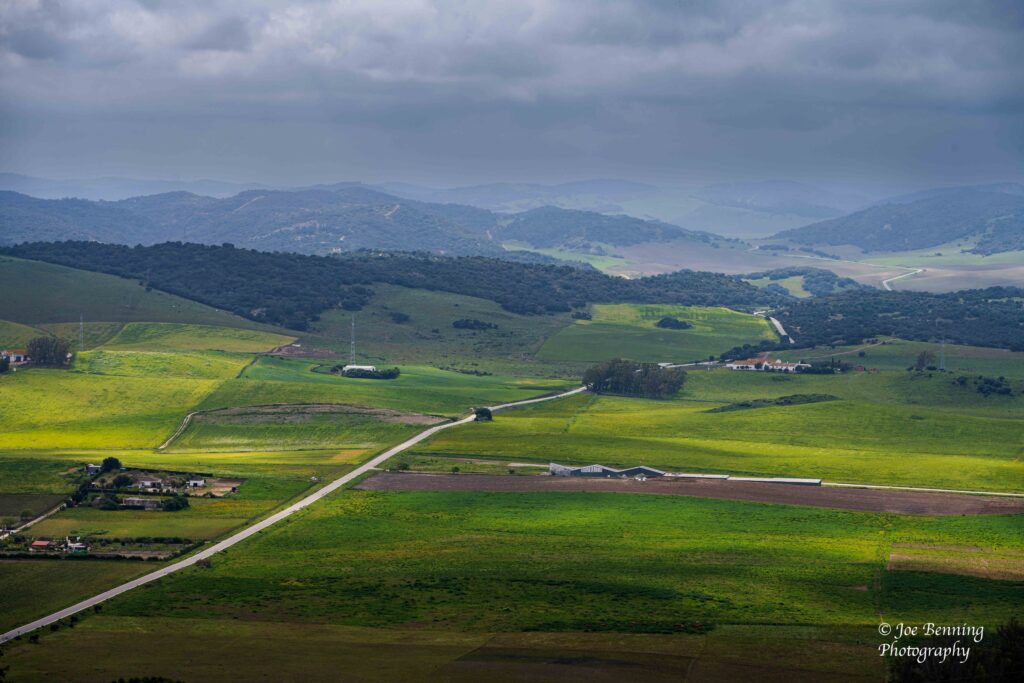
All in all Cádiz is a charming little city and worth a visit.
JFB
Docking in Lisbon, Portugal
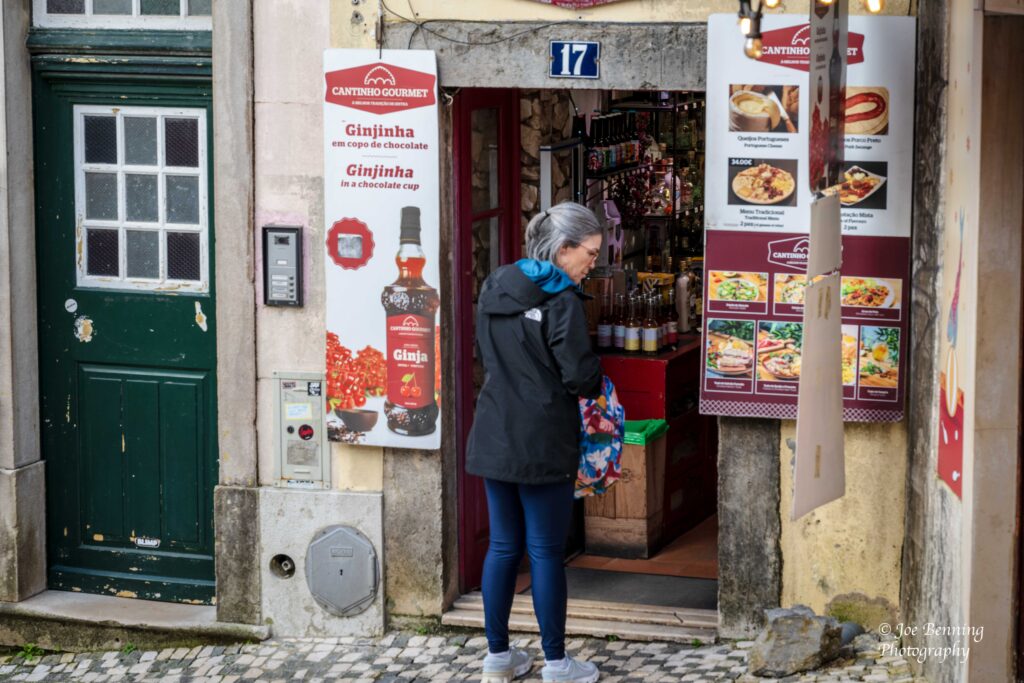
After leaving Portimão, we sailed to Lisbon (AKA Lisbao) and we docked there for 2 days. Upon arriving we headed out for Sintra, reputed to be a charming medieval town. I can report it was everything it was cracked up to be.
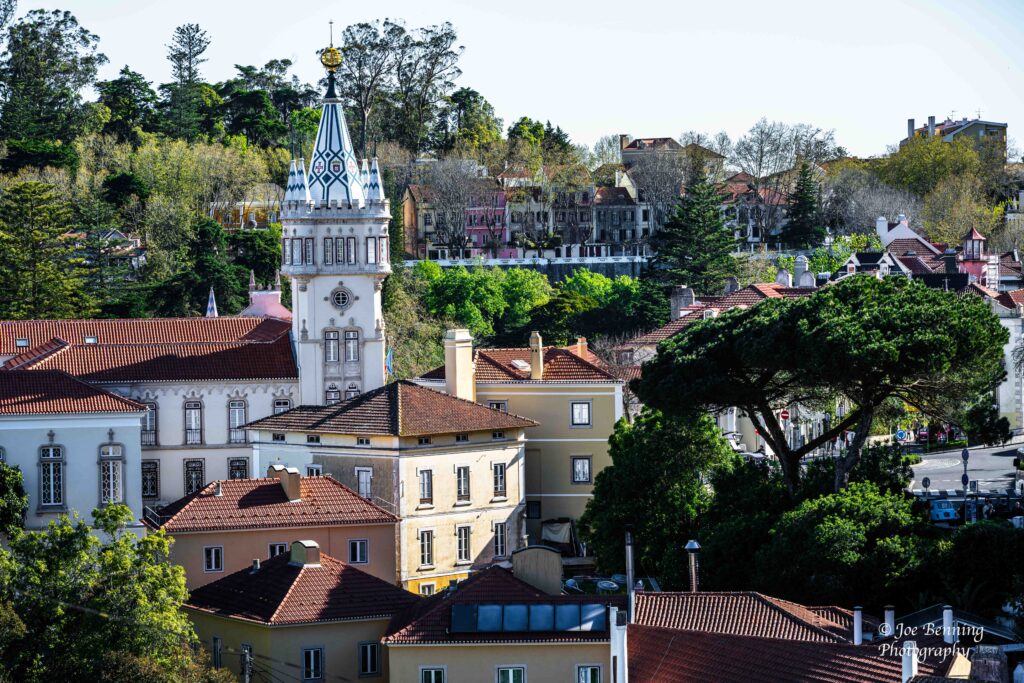
Sintra is a small town with population about 385,000 people. It is densely populated and it is a major tourist attraction, but it certainly isn’t a tourist trap. It is picturesque, with several palaces, castles, parks and gardens. It is famous for its Romanticist architecture and is designated as a UNESCO World Heritage site. As it should be.
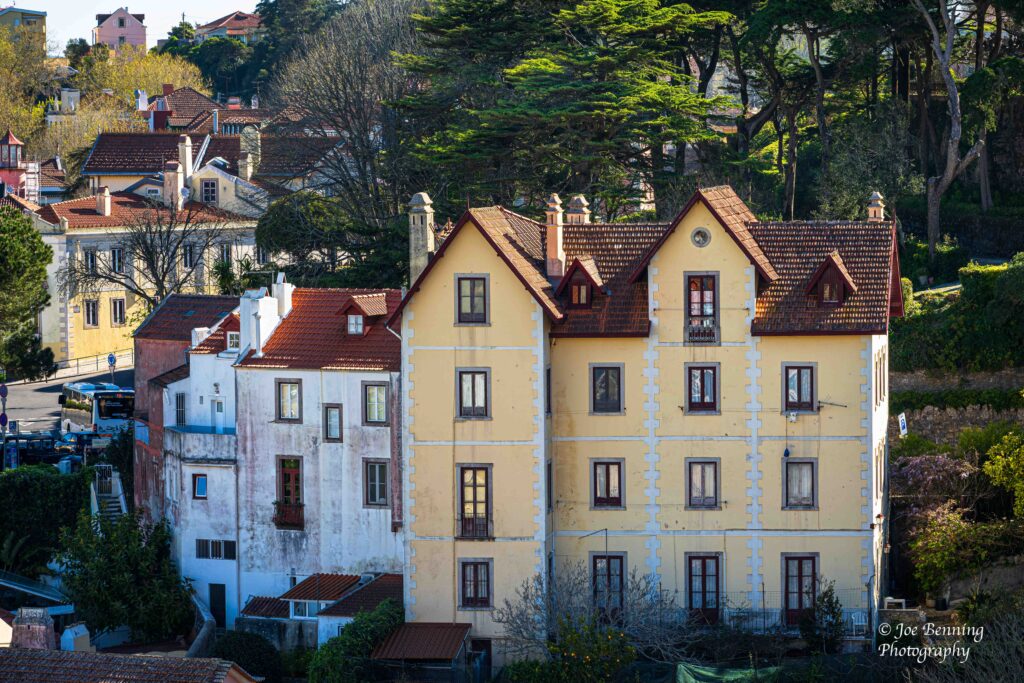
Sintra is not just a beautiful city. It is also very wealthy; in fact it is one of the wealthiest cities in Portugal in addition to being one of the wealthiest cities on th entire Iberian peninsula. Not surprisingly, it continues to rate as one of the most desirable places to live in Portugal. It also has the largest ex pat community on what the locals consider to be the Portuguese Riviera.
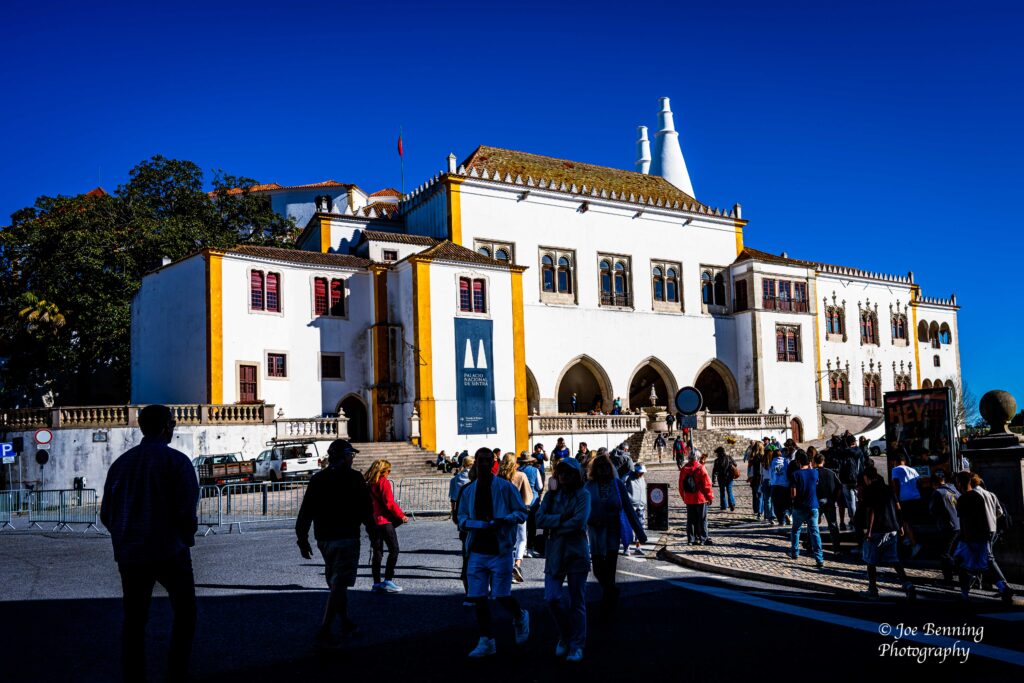
All in all, Sintra has an excellent reputation. It is well deserved.
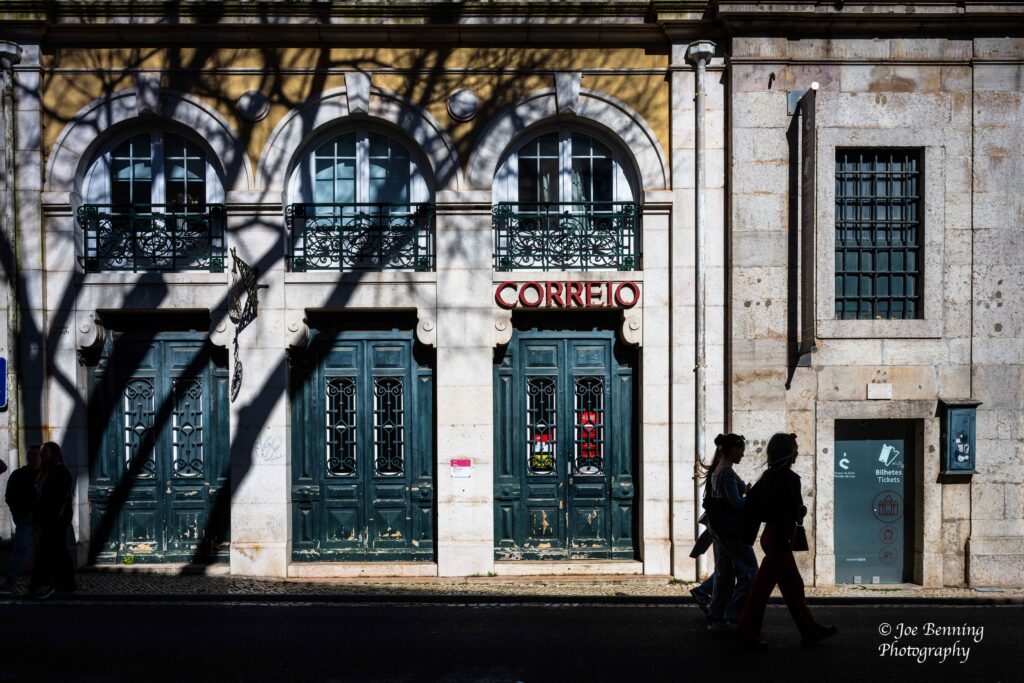

JFB
Portimão Portugal
We said our farewells to North Africa and headed out to Portimão Portugal. That is about 336 kilometers (208 miles) away as the crow flies. The first significant place we visited was Fort São Vicente in Sagres, or Fortaleza do Cabo de São Vicente.
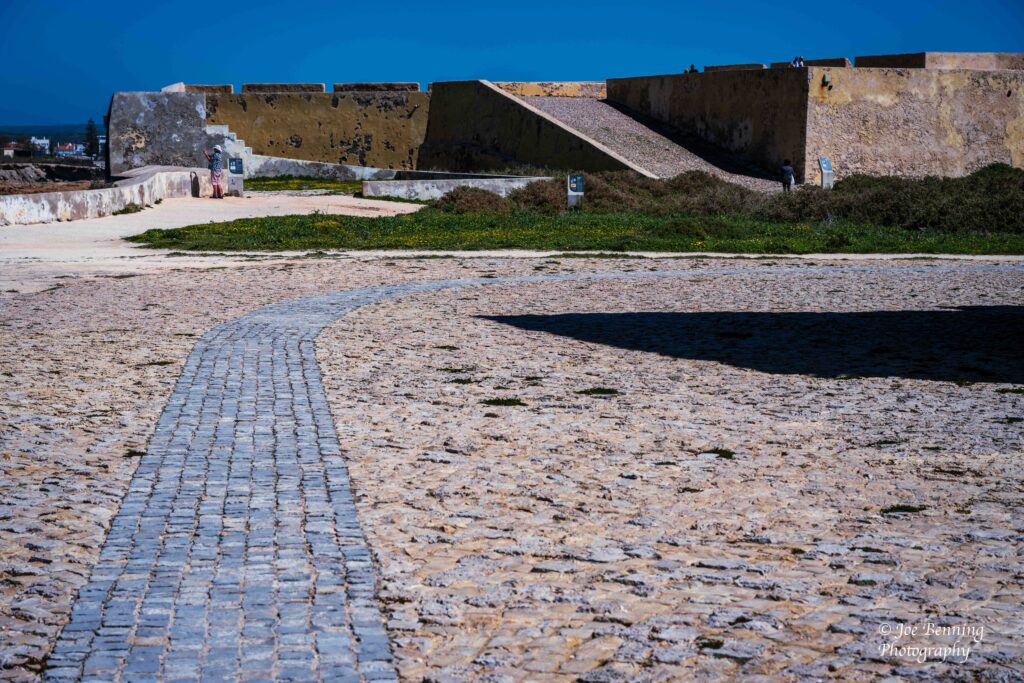
Fort São Vicente was built in the 16th century to protect a small coastal strip and an existing monastery. The fort was destroyed in 1587 by none other than Sir Francis Drake (described as either a privateer or a pirate depending on your point of view.)
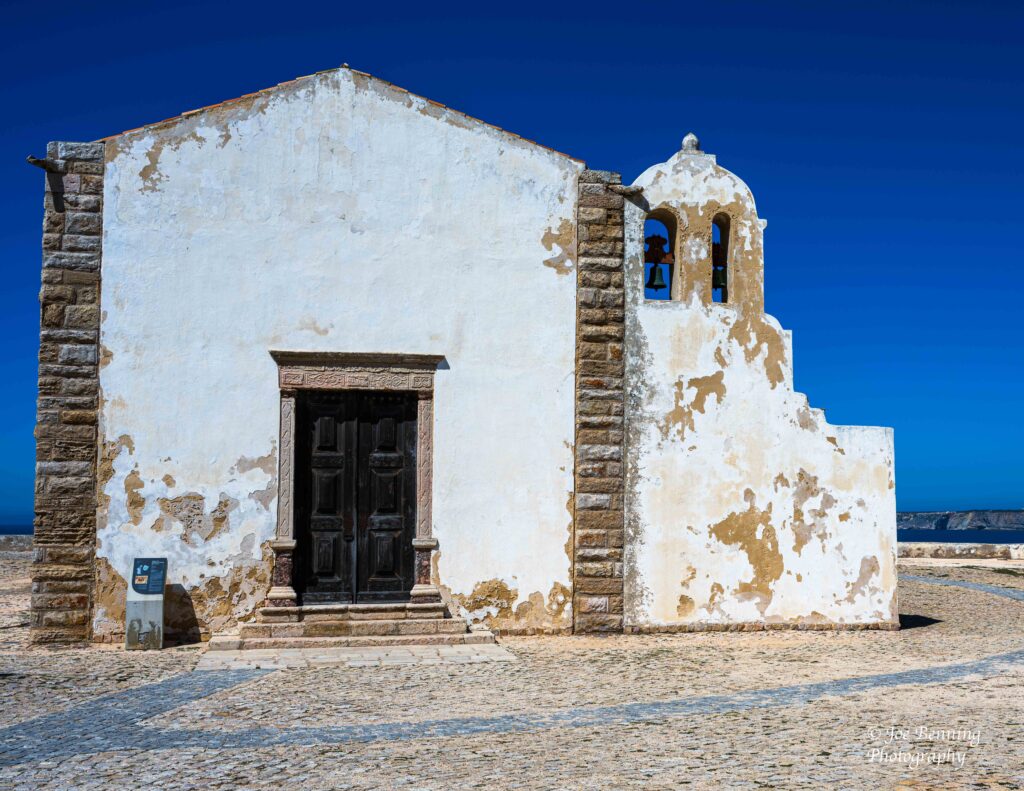
Anyway the site was rebuilt in 1608. A lighthouse was added in the mid 19th century and restoration work was ongoing in the mid 2000s.
The surrounding area is a big fishing area, but the cliffs are treacherous. Nevertheless fishermen come (and are clearly visible) fishing on the rocks.

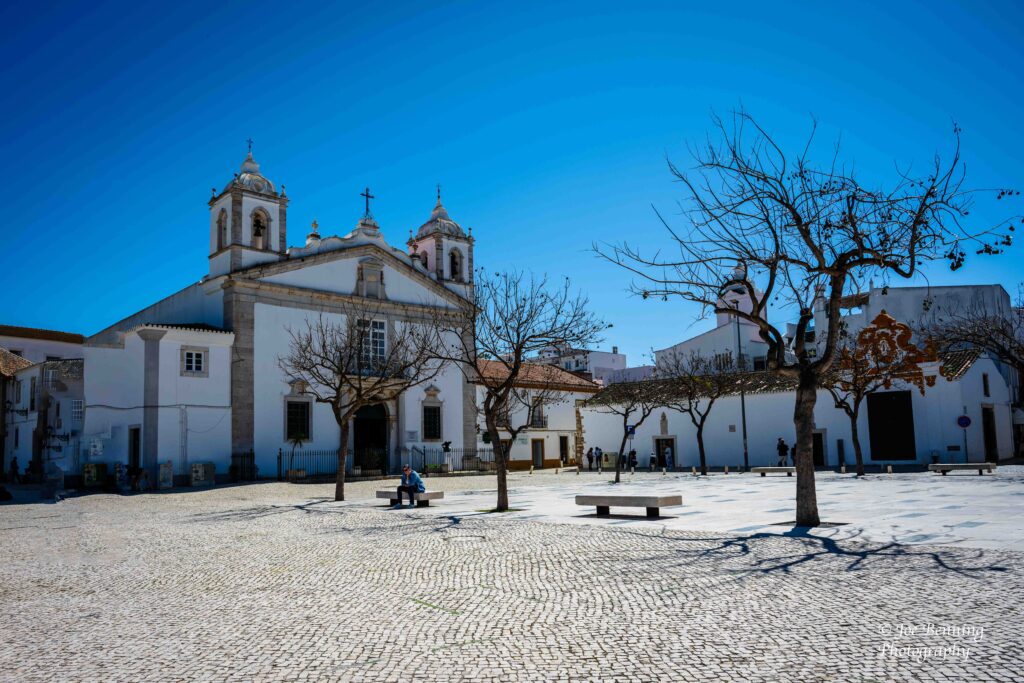
After exploring the grounds of the fort we headed out to Lagos. When we got there we visited the town square that housed the Church of St Maria Graca (Our Lady of Grace). The church, which dominated the area, which was completed in the early 15th century and gothic in style, was begun in 1380.
After looking around the town square we explored the neighborhood which was highly commercialized. Then we headed out to the port where we started the day, but without buying anything. All things considered, it was a good introduction to Portugal.

JFB
Visiting Tangier, Morocco
Tangier is located in the northwest of Morocco, on the coasts of both the Mediterranean Sea and the Atlantic ocean. Tangier has a population of about 1.25 million people. The city is located on a bay in the strait of Gibraltar, about 17 miles from Spain.
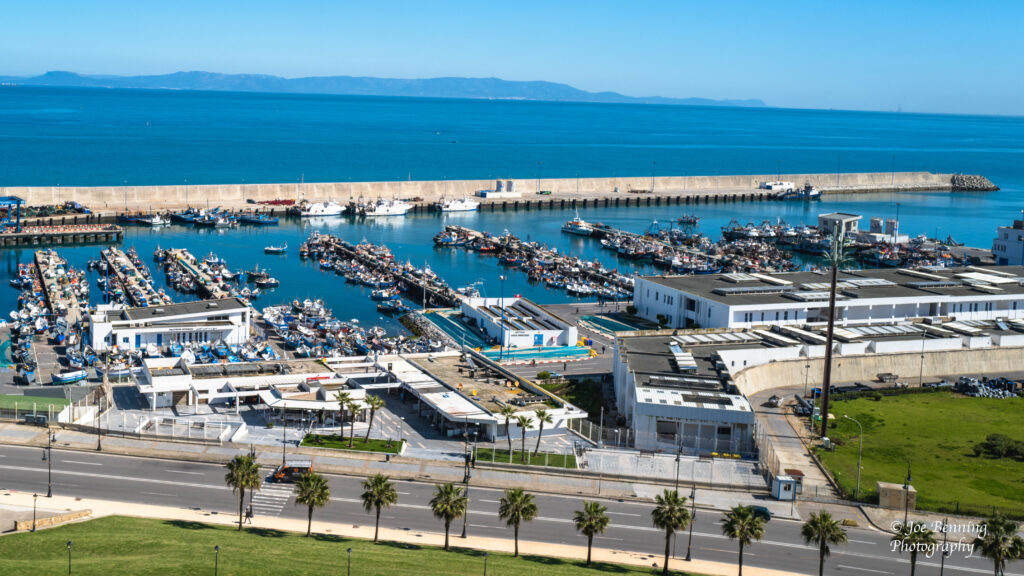
It has always been a strong supporter of the United States. It was the first nation to recognize the independence of the US. They did so implicitly in 1777 and by treaty in 1786.
When we visited Tangier we went on a walking tour of the city. Unlike Casablanca though, Tangier is extremely hilly. So we walked up and down the hills. Got a good night’s sleep afterwards.
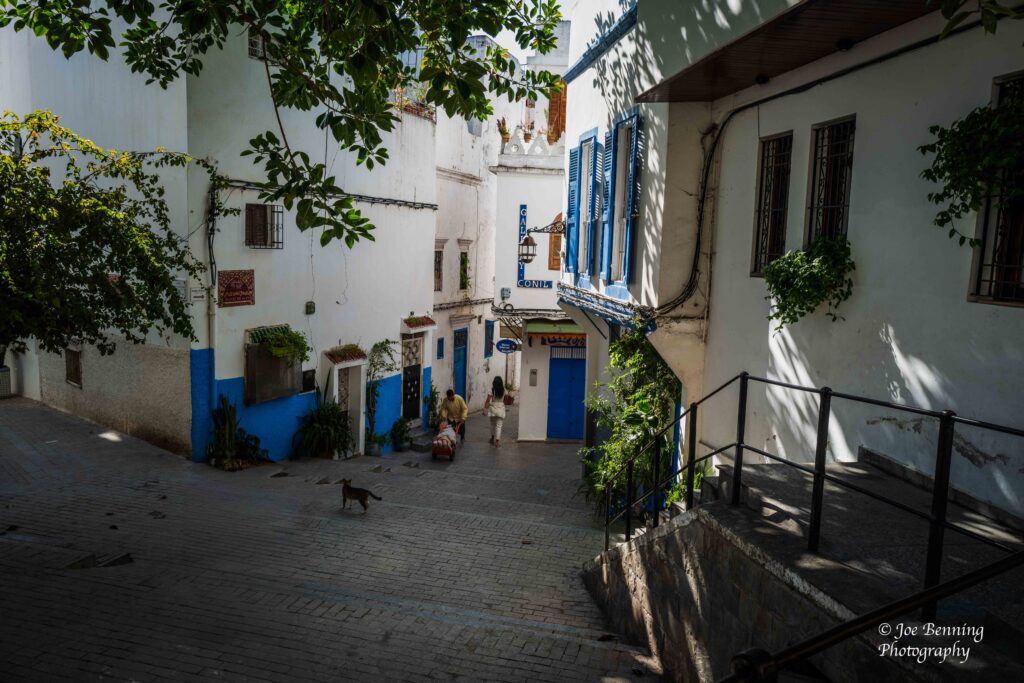
The tour included a visit to a souk, where the local people do their shopping. Not surprisingly, there is a wide variety of things for sale ranging from pocketbooks to shoes to carpets and fruits and vegetables.
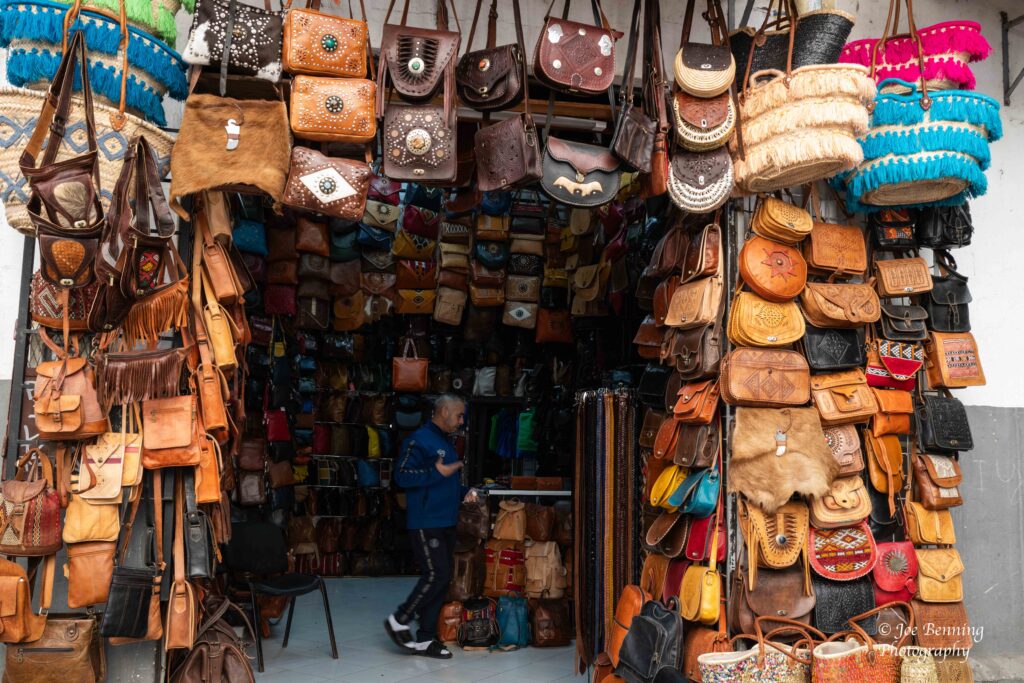
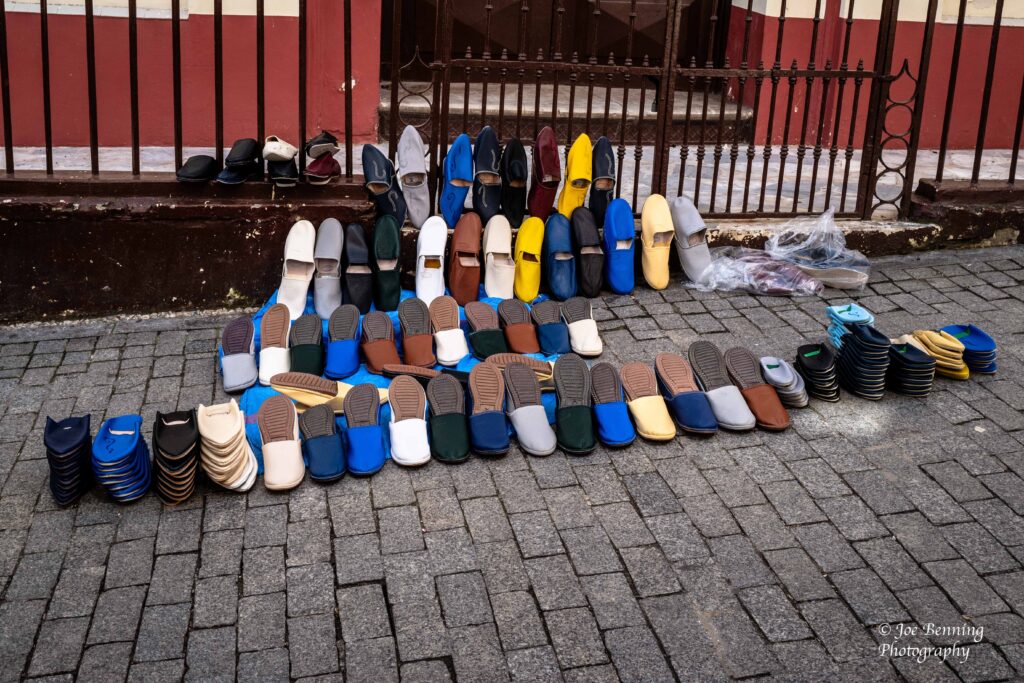
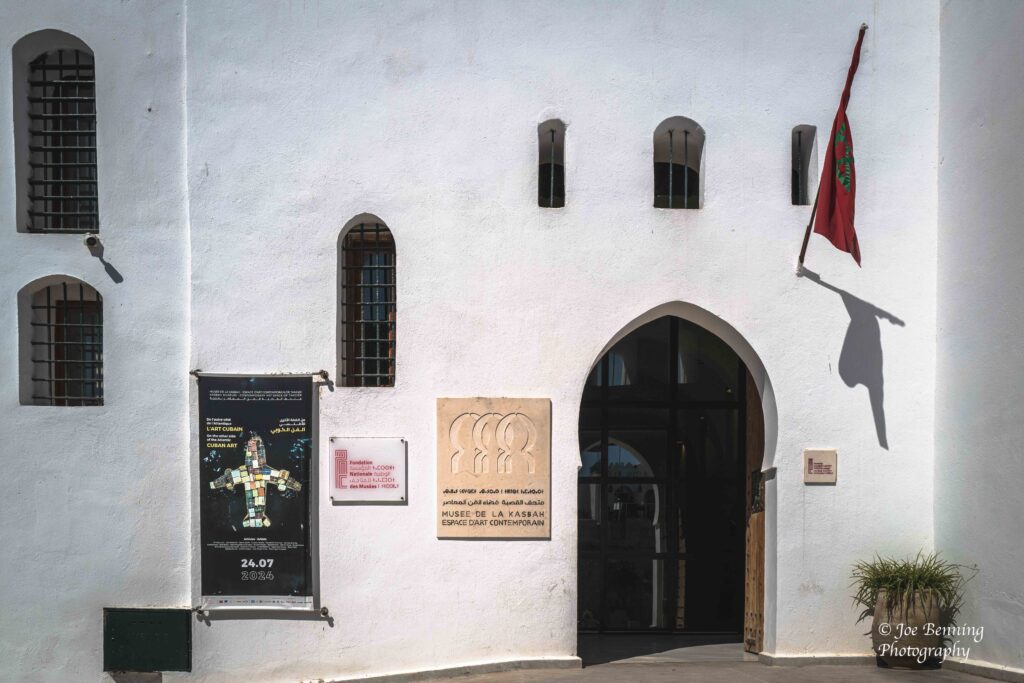
After visiting the souk we had lunch in the (first rate) Grand Hotel Villa de France and passed by Tangier’s contemporary Art Museum. All in all we walked all over around the city and found it to be charming, open and tolerant. A good place to visit.

JFB
Casablanca
We finished sailing through the Canaries and, after a sea day, we docked in Morocco. While in Morocco we visited Casablanca, and then a day later we made our way to Tangiers. And yes, this was the same Casablanca from the the movie starring Humphrey Bogart and Ingrid Bergman. The one where “Play it again, Sam” referencing As Time Goes Bye was made famous.
Of course we had lunch in Rick’s Cafe.
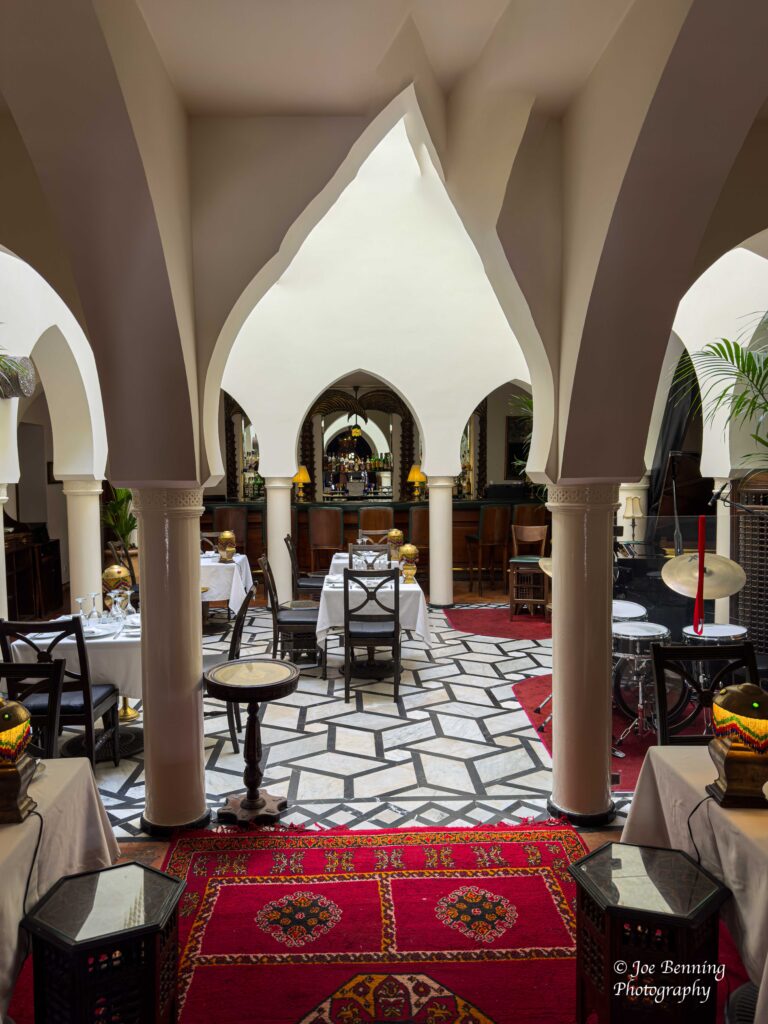
Except there was a little fly in the ointment: the movie was filmed entirely in Hollywood; the story actually took place in Tangiers and Rick’s Cafe was not the real one. But pretending is fun too. That’s what movies are all about anyway.
We didn’t spend the whole time in Casablanca retracing the steps of Humphrey Bogart—we actually did some sightseeing. One of the chief attractions was the Hassan II Mosque.
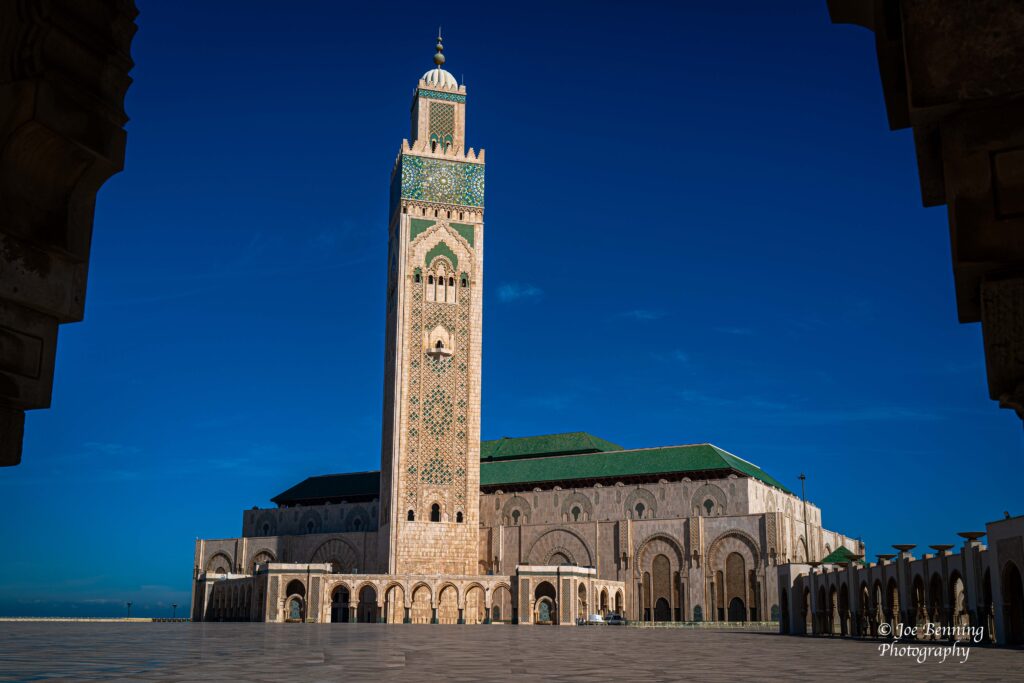
It’s a huge place and an architectural masterpiece. In addition to the mosque itself, there were several buildings on the grounds. So we took a look around before going into the mosque itself.
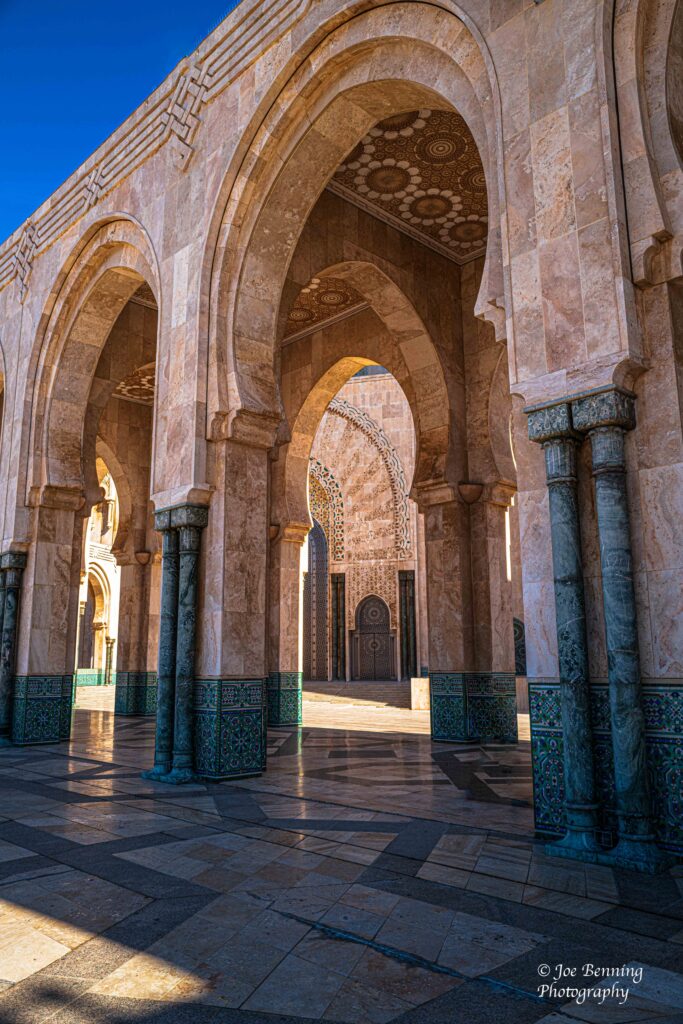
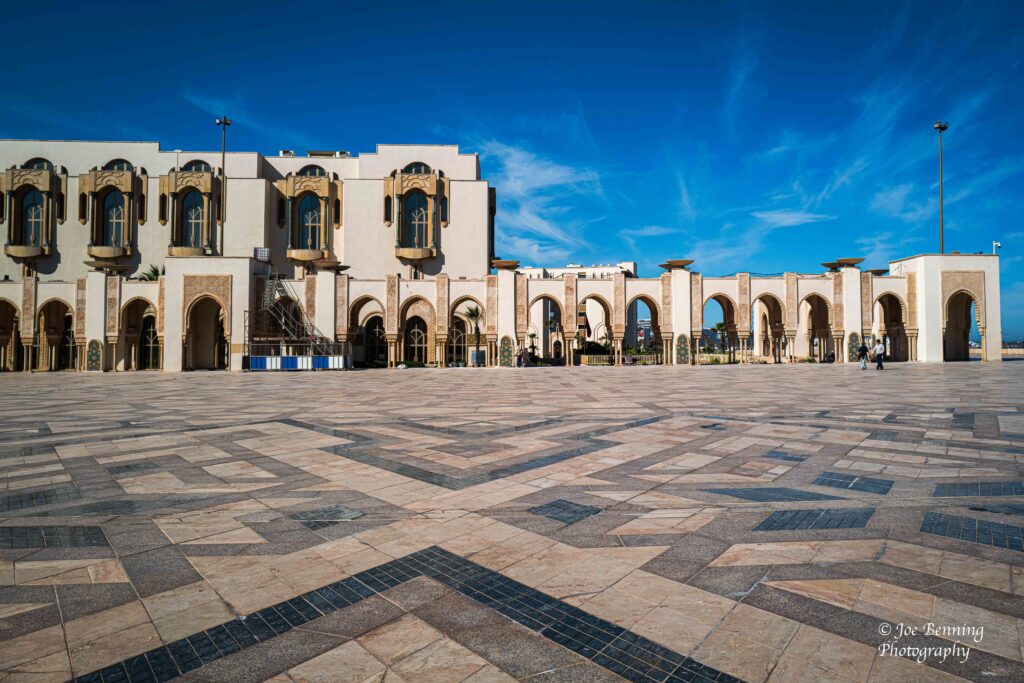
We were allowed inside the mosque without any problem. Services were not in progress where the men and women are separated, so we just had to remove our shoes to walk around inside the mosque proper. Once inside the mosque, the grandeur and scale of it are truly impressive. It’s the kind of thing that has to be seen.
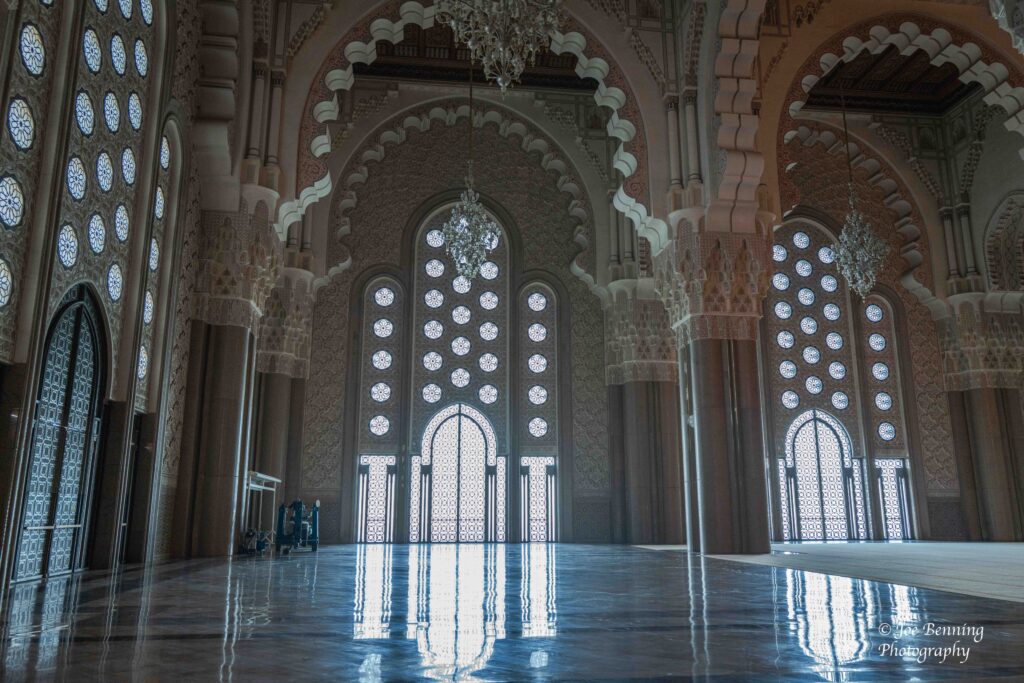
So next time you are in Casablanca, it’s worth a look.
Next stop: Tangiers.
JFB