Joe Benning Photography

  • J
  • O
  • E

Month: March 2016

Borobudur

Temple of Borobudur, Java, Indonesia                   Friday,            March 4, 2016
Yesterday we visited the Temple of Borobudur in Java, Indonesia. On the long (2+ hour) trip to the temple, we learned a ton of geographic and historic facts about Indonesia and the islands and neighboring countries, but I can’t remember much of it. Suffice to say that it is much more complex and diverse than I knew! On the ride we also passed mosque after mosque; each village and town has one, and you can see all shapes, sizes and colors of domes as you drive along.

We arrived at Borobudur, which is the world’s largest Buddhist shrine and place for pilgrims, and the most visited place on the island. Of course there were tour groups from all over, but it was surprisingly peaceful and quiet despite the number of visitors and vendors (selling kites, puppets, wood carvings, items made from batik and colorful fabric, souvenirs, etc.). We donned sarongs as is customary to cover the body and show respect, and walked around the perimeter of the monument with our guide, learning its history and significance.

Borobudur was built in the early 800s (yes, that’s the 9th century, not the 19th), over the course of 80 years. Stone cutters brought large pieces of gray andesite stone through the forest, and constructed the temple by laying the stones together – no mortar or similar material adheres the stones to one another. The monument is about 400 square feet, and over 100 feet in height. Narrative reliefs (1460 of them) describing the life of Buddha and the way to enlightenment are carved into the stone panels, and stupa (dome-shaped structures) house various statues of Buddha. A pilgrim or visitor can enter the lowest level of Borobudur, and walk a circular path through the monument to the top, progressing through the Buddhist stages – the worlds of desire, form and formlessness (nirvana).

There are many explanations of the symbolism of Borobudur, and we learned that the stupa reflect 3 of Buddha’s attributes: the substantial base stands for wisdom; the dome reflects an inverted alms/begging bowl, standing for charity; and the stick that protrudes from the top of the stupa represents Buddha’s walking stick, which stands for leadership. So, a person who strives to follow Buddha will show wisdom, charity and leadership.

Borobudur fell into disuse due to several factors (including volcanic eruptions nearby, the rise of Islam), but was restored in the early 1800s due to the efforts of Sir Thomas Raffles (of Raffles Hotel, Singapore fame). The temple is now a UNESCO world heritage site.

We were fortunate enough to be able to ascend to the top of the temple and look out over meticulous grounds and gardens, very simple and peaceful despite the number of tourists. At mid-day we heard the Islam call for prayer to Allah, as we looked at the Buddhist temple.

After an hour or so in the hot sun climbing the steps (and nervously descending where there were no handrails and the steps were steep and uneven), we went to a beautiful pavilion on the grounds of the temple, and enjoyed a traditional dance performance (and some local beer).

There were many from our cruise who took this long trek to Borobudur, and when we returned to the ship in late afternoon to depart for Malaysia, everyone was remarking on how beautifully spiritual the day was.

Hope that you enjoy the pictures we post – as with so many things, they don’t do justice to the reality.

Best,

MA
Read More
Java, Indonesia on Thursday, March 3, 2016

Java, Indonesia                                                          Wed. March 2, 2016

Tomorrow we land on the island of Java, the most populous island on earth (140 million people), and the place that was heart of the English and Dutch trading posts in earlier times. In fact, the Dutch East India Company (or so we have been told) was the first “megacompany” in the world – 4800 ships, huge profits, shareholders, employees and slaves, and its own colonies and quasi-governmental processes.

Java was ruled by the Dutch for about 350 years, endured Japanese occupation in WWII, and eventually obtained its independence (as part of Indonesia) in 1949. In its history, Indonesia has served as a melting pot of sorts for many ethnicities and religions from China, India, Arabia, Europe and other places. Today Indonesia is largely Muslim (except for Bali, which is largely Hindu). Temples, mosques, pagodas and churches abound, and Java is home to Borobudur, the largest Buddhist monument in the world. We understand that the country is largely harmonious, with certain exceptions such as areas where Sharia law prevails and tolerance is limited.

After obtaining its independence (the fight led by Sukarno), Indonesia was courted by Western powers to prevent its alliance with communist powers, so that its valuable natural resources (copper, nickel, bauxite, forests, etc.) could be available to major western companies, and its critical location would be a platform for western influence in southeast Asia.

Suharto became President of Indonesia in 1968, and the country enjoyed three decades of substantial economic growth (Suharto was forced to resign due to widespread corruption, but he enjoyed a “severance payment” of US$15 million).

We’ll post pictures as we can – the connection via satellite to the internet is not so reliable as we hoped.

Hope you are all well.

Best,

MA

Read More
Mary Anne McDonald
a few more pix from Bali - I promise, no more today!
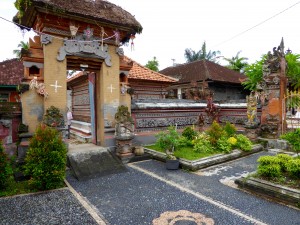
the entry to a family compound in a village in Bali; entry is on the left, on the right are gardens which line the road; toilets are a new addition to village homes in Bali

the entry to a family compound in a village in Bali; entry is on the left, on the right are gardens which line the road; toilets are a new addition to village homes in Bali

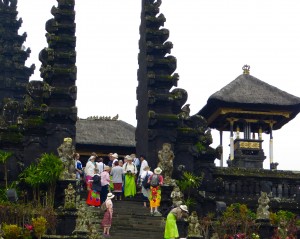
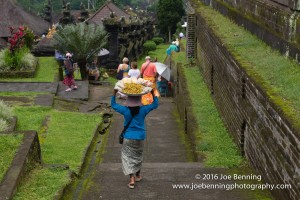
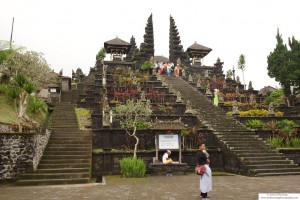
just some of the many steps at Bali's largest Hindu temple in Besakih; all visitors must wear sarongs to cover their legs; many villagers come to Besakih and bring blessing back to their local temples

just some of the many steps at Bali’s largest Hindu temple in Besakih; all visitors must wear sarongs to cover their legs; many villagers come to Besakih and bring blessing back to their local temples

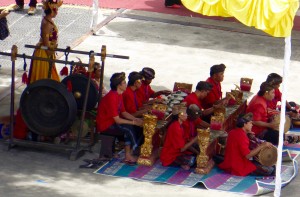
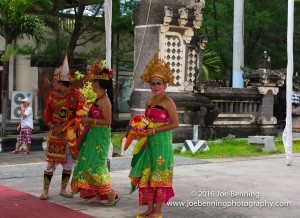
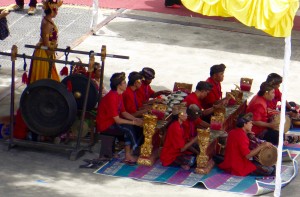
traditional Balinese musicians and chanters at the Port of Benoa when we arrived; the dancer is in the back, waiting to make an entrance and perform.

traditional Balinese musicians and chanters at the Port of Benoa when we arrived; the dancer is in the back, waiting to make an entrance and perform.

Read More
Mary Anne McDonald
more pix from Bali - sorry if these are duplicates; not sure what got onto the site previously
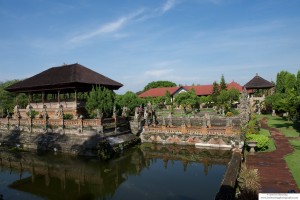
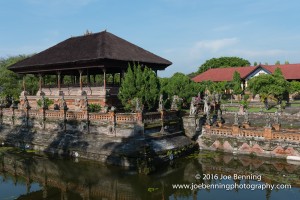
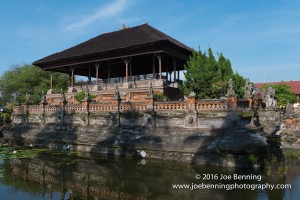
Kurt Gosa, or the Royal Court of Justice, in Semarapura, Bali Indonesia

Kurt Gosa, or the Royal Court of Justice, in Semarapura, Bali Indonesia, where many of our friends and relatives would be right at home arguing or deciding cases!

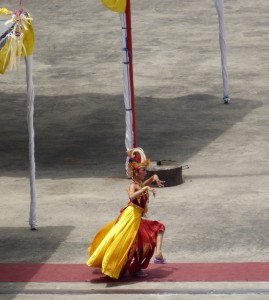
Balinese dancer at the pier in Benoa.

Balinese dancer at the pier in Benoa.

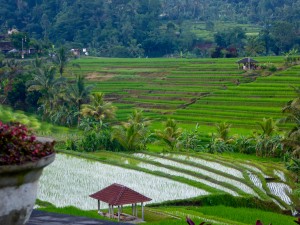
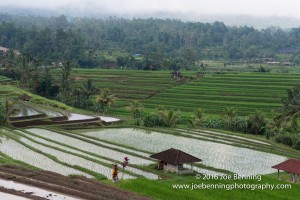
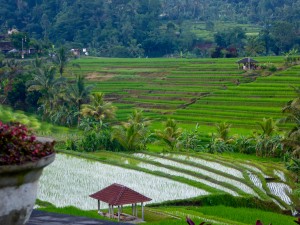
Rice terraces at Jatiluwih

Rice terraces at Jatiluwih

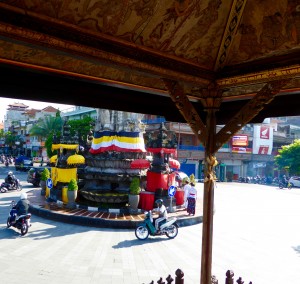
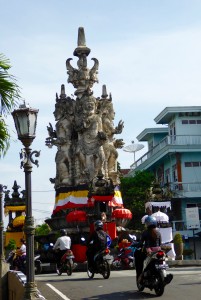
Busy intersection outside court of justice, with shrine in center and 2 ladies (near the red banners) making an early morning offering to the gods. This photo is messy but shows some of the old and new in Bali - old architecture and shrines, new motorbikes and satellite dishes.

Busy intersection outside court of justice, with shrine in center and 2 ladies (near the red banners) making an early morning offering to the gods. This photo and the next one are  messy but show some of the old and new in Bali – old architecture and shrines, new motorbikes and satellite dishes.

P1000243

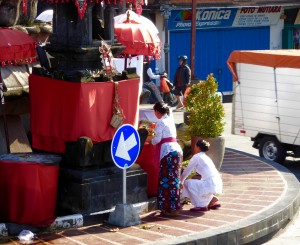
close up of the ladies offering to the gods in Klung Kung near the Court of Justice

close up of the ladies offering to the gods in Klung Kung near the Court of Justice


Read More
Joe Benning
Photos from Bali, Indonesia

Exotic Bali

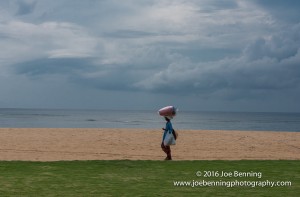
Well Bali certainly turned out to be exotic. We are now on our way to Java, Indonesia and expect to arrive tomorrow morning. Here are some photos of some of the sights from Bali. They include shots taken at the Royal Court of Justice, Rice Paddies, the Port of Benoa, a woman carrying produce on her head outside the Holy Besakih Temple and a woman carrying her wares on a beach.

Joe

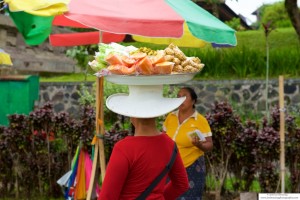
Woman balancing produce on her head at the Holy Besakih Temple

Woman balancing produce on her head at the Holy Besakih Temple

A section of the  Kerta Gosa, or the Royal Court of Justice, Bali Indonesia

A section of the Kerta Gosa, or the Royal Court of Justice, Bali Indonesia

Photo of the Rice Paddies of Jatiluwih

Photo of the Rice Paddies of Jatiluwih

Greeting at Port Benoa by native Balinese people

Greeting at Port Benoa by native Balinese people

Woman balancing packages on her head while walking on the beach

Woman balancing packages on her head while walking on the beach

Shot taken by the last stairway leading to to the Pura Besakih, the largest Hindu Temple in Bali

Shot taken by the last stairway leading to to the Pura Besakih, the largest Hindu Temple in Bali

Kurt Gosa, or the Royal Court of Justice, in Semarapura, Bali Indonesia

Kurt Gosa, or the Royal Court of Justice, in Semarapura, Bali Indonesia

Woman balancing fruits and vegetables on her head in the market in Bali, Indonesia.

Woman balancing fruits and vegetables on her head in the market in Bali, Indonesia.

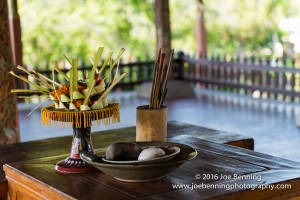
A display of an offering to the gods at the Royal Court of Justice.

A display of an offering to the gods at the Royal Court of Justice.

A section of the  Kerta Gosa, or the Royal Court of Justice, Bali Indonesia

A section of the Kerta Gosa, or the Royal Court of Justice, Bali Indonesia

Read More
Mary Anne McDonald
Bali, Indonesia
Busy intersection outside court of justice, with shrine in center and 2 ladies making an early morning offering to the gods.

Busy intersection outside court of justice, with shrine in center and 2 ladies making an early morning offering to the gods.

Rice terraces in Jatiluwih, a UNESCO world heritage site; this is just a small picture from the large bowl-shaped area.

Rice terraces in Jatiluwih, a UNESCO world heritage site; this is just a small picture from the large bowl-shaped area.

P1000197P1000197P1000190

Bali, Indonesia (4,000+ miles from Sydney)

Tuesday March 1, 2016 5 p.m. local time

We sailed into Bali (Benoa Port) on Sunday and came through every known type of vessel in the busy port, from party boats to parasailing motor boats to cruise ships – a glorious sight. We docked and could here drums, bells, chimes and chanting from our room. When we stepped out on the veranda we saw singers and dancers performing for the passengers on the ship.

Legend has it that back in the days when Bali was joined to java by a land bridge, a Javanese priest had to exile his dissolute son. The priest took his son to Bali and left him there while the priest returned to Java. The priest then drew his finger in the sand, creating a channel that filled with water and left Bali as an island. This is the kind of history that seems to accompany everything here in the island – a mystical explanation for it all.

Bali is one of Indonesia’s smallest islands and the Balinese work hard to preserve their culture and art. Two large volcanoes (1 erupted in the 1960s) tower over forests filled with monkeys, duck farms, rice paddy terraces and villages. Beautiful beaches (some with white sand, some with black) ring the island and bring in many tourists. Tourism is now Bali’s largest source of revenue, moreso than farming.

The villages are often comprised of family compounds, in which several generations live together (rooms are added as sons marry and bring wives to the compound). We visited one compound (pictures) – each has its own temple for ancestor worship, areas for rituals, a common kitchen and separate rooms for sleeping. Behind the kitchen area many families raise animals. Ancient buildings and beautiful gardens line the roads in the villages.

Life in Bali revolves around worship of gods and ancestors, rituals, and seeking harmony and balance between spiritual life and material needs. Hinduism is the basis for religion of most Balinese, but concepts from other religions are mixed in, so you hear Balinese speak of karma, nirvana, animism, reincarnation, mysticism, etc.

There are shrines and temples EVERYWHERE – sidewalks, houses, intersections, walls, and anyplace else where a little worship can be practiced. Families make daily offerings of flowers at their home shrines, and daily offerings are made at other shrines and temples. In one very busy intersection by the Court of Justice, we saw 2 young women bring an early morning offering to one of the gods represented at the shrine in the center of the intersection (picture). As a result of these daily offerings, the sale of flowers is brisk.

Bali has a rich history related to arts – wood carving, stone work, IKAT weaving and batik cloth, poetry, music, dance, shadow puppets, and other local arts are visible everywhere, and are seen in many of the tourism offerings.

During the past 2 days we travelled to the ancient court of justice (where the big cases were resolved in olden days), visited some beautiful rice terraces; observed countless motorbikes with none of the US-type safety activity; learned about the water cooperatives formed by the rice farmers and their arduous planting, weeding and harvesting activity; heard about mythical dragons, lions, monkeys, deer and other animals; and learned a lot about the Hindu religion as it is practiced on Bali. We visited Bali’s largest temple and climbed a lot of steps to view the areas where the Balinese honor the gods.

We have seen several ceremonial processions – two in which entire villages dress in white and car pool to a major temple to seek blessings which they bring back to the local temples, accompanied by costumed performers and musicians; and one which was a cremation ceremony. Cremation is compulsory in Bali, and it’s a big event; for families who cannot spend much on a cremation ceremony, there are mass cremations in which the cost is shared. If you are really lucky and someone wealthy is being cremated, your family might be able to participate and pay nothing.

Bali has a history of commercial trading, given its location, exports and imports. The trading continues today, beginning with the taxi fare, continuing to the many shopkeepers who entice you to buy as you walk on any street, and extending through the world of personal services (one of our friends on board reported that she received a 60-minute massage yesterday at a clean and proper establishment for a total of US$6).

Bali struggles to determine how tourism can be promoted without harming the culture, the environment or the way of life. As the Hindu philosophy goes, it’s all about harmony and balance.

Hope that you are all well.                                                   Best,

MA

PS – we will post pictures as soon as we are able to get internet bandwidth, which is a challenge!

Read More
This website uses cookies to improve your experience. Cookie Policy