Tarquinia and Rome
Rome is a bit busy these days, so when our ship docked at the port, we decided to go to a nearby medieval town, Tarquinia. The town dates back to the ninth century BC, and sits on top of a very steep hill overlooking the Tyrrhenian sea.
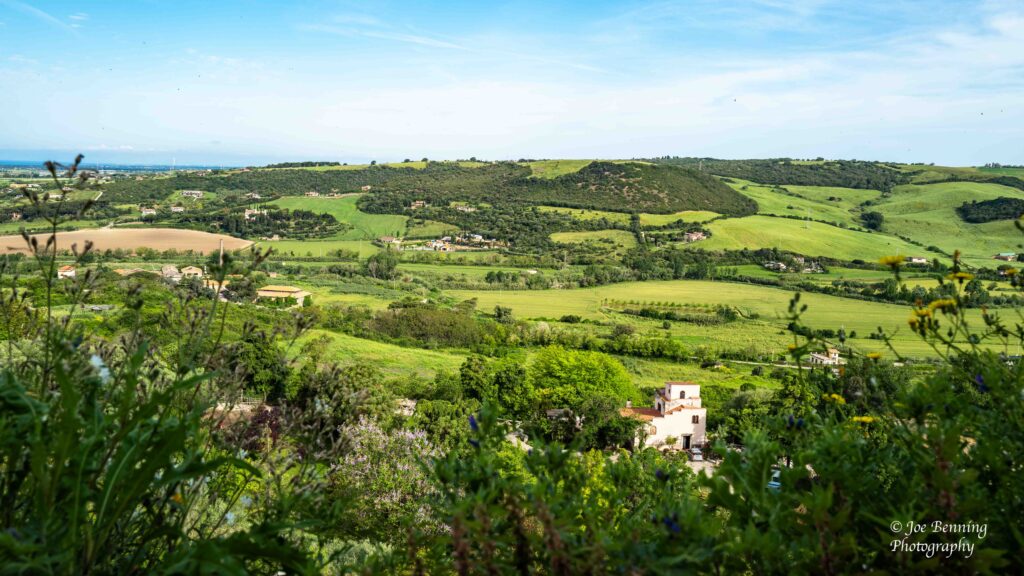
The town is enclosed by medieval walls and watch towers. There are numerous churches and bell towers within the town, giving it a lovely profile.
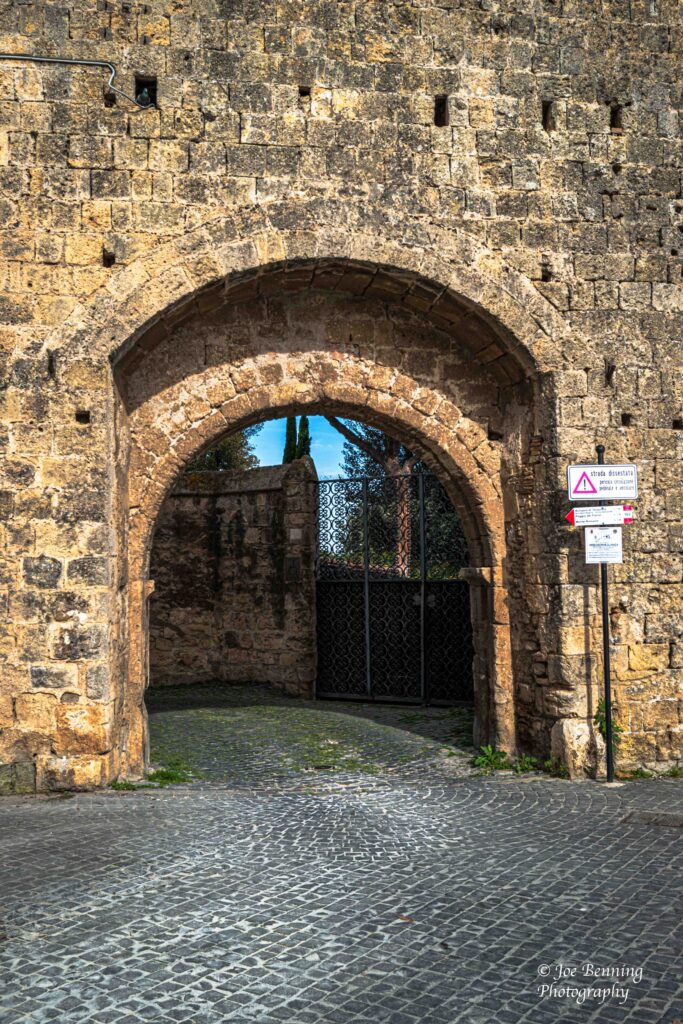
The old cobblestone streets of Tarquinia are incredibly steep, so we were fortunate to take a trolley train (with a guide to narrate the history) through most of the old town.
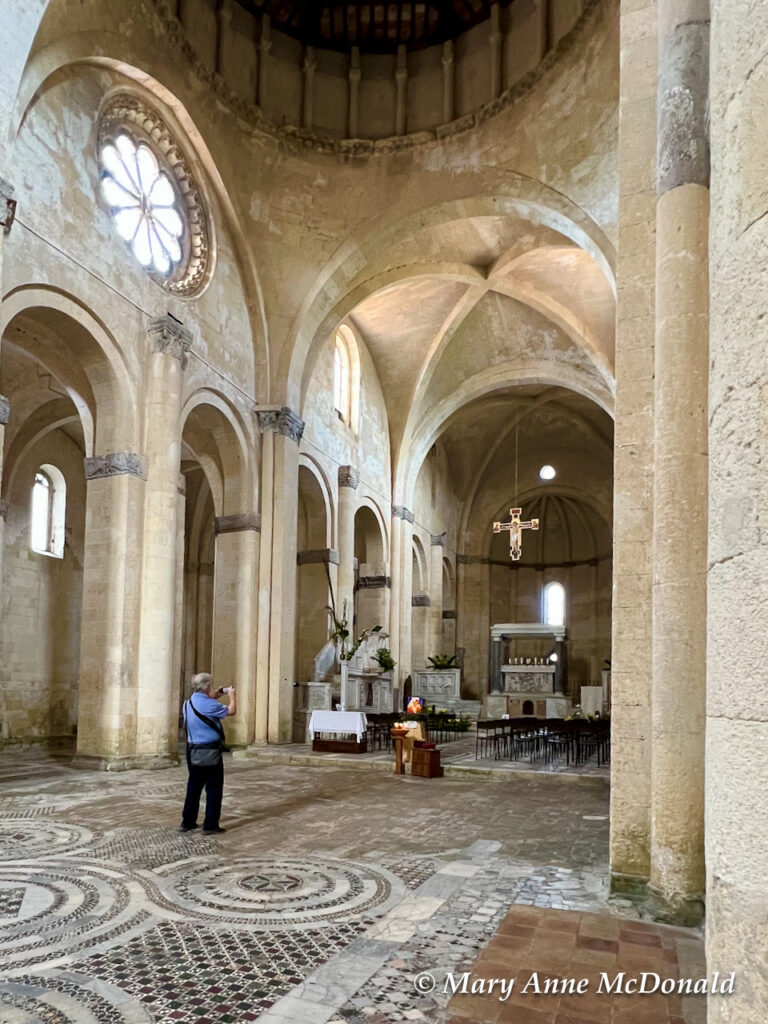
Fortunately it was Sunday when we visited Tarquinia, so one of the oldest churches (Santa Maria in Castello) was open for Mass. We were able to visit the interior of the church before Mass started. It was striking in its simplicity and age.
Our tour finished with a delicious gelato, and we were back at the port in no time.
That evening we went into the city of Rome for an event sponsored by Crystal for its passengers on the world cruise.
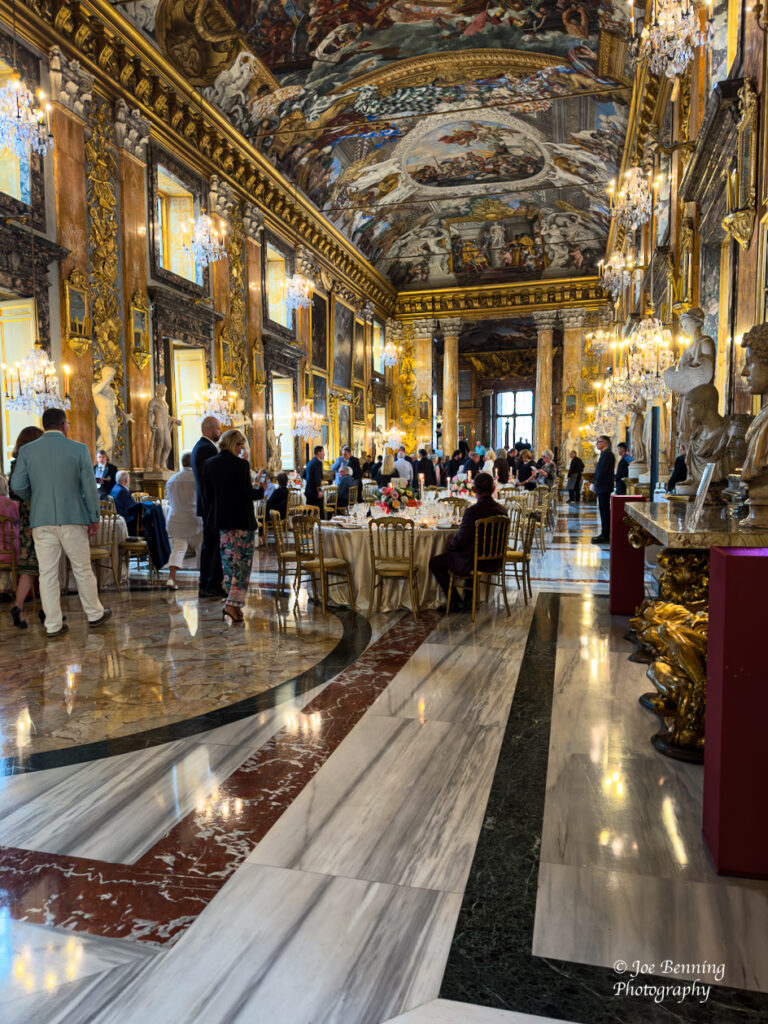
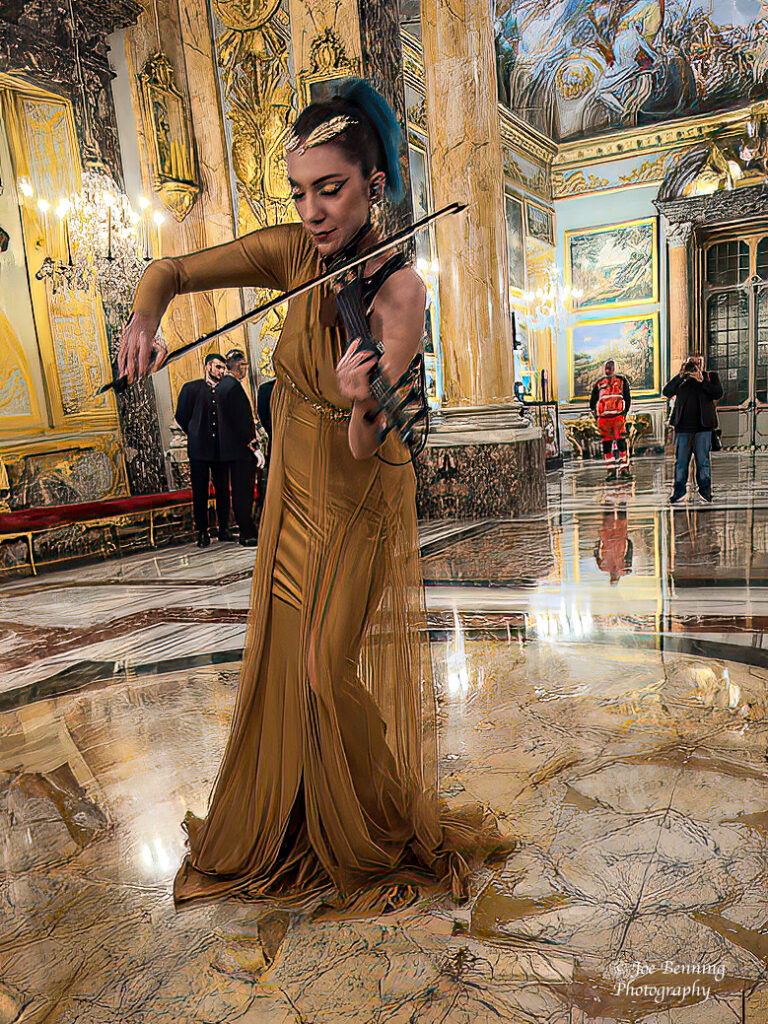
We were treated to a delightful evening of music and dinner at the Palazzo Colonna in Rome, a private museum. The chef who prepared the dinner will be responsible for the menu at one of Crystal’s specialty restaurants. One of his restaurants has 3 Michelin stars. The event was pretty amazing – and a great way to end the day.
JFB and MAM
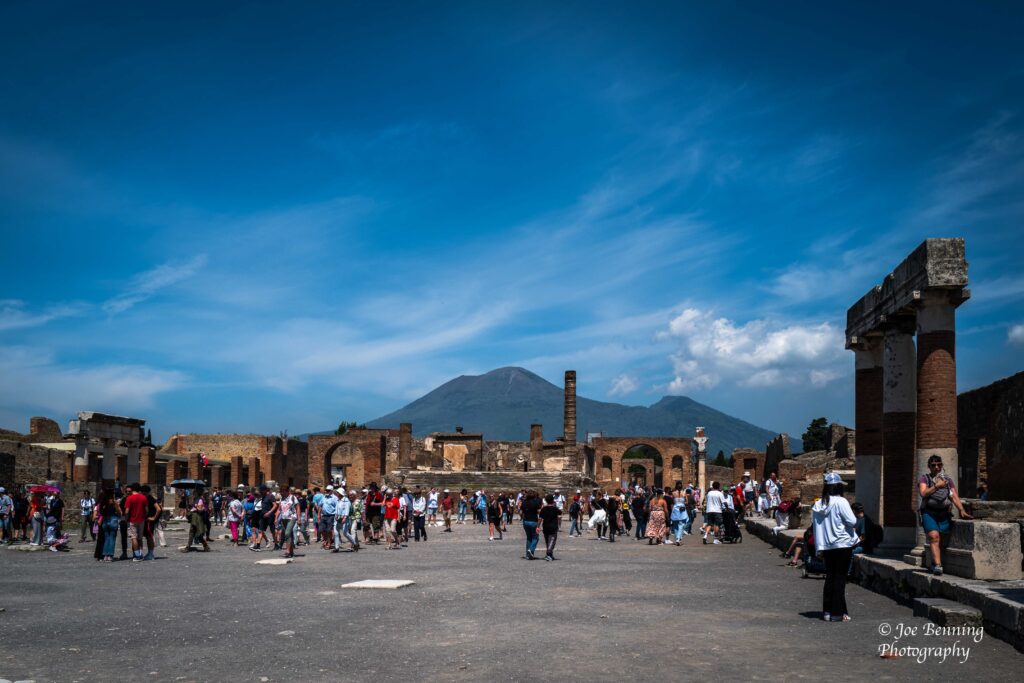
Last Days of Pompeii
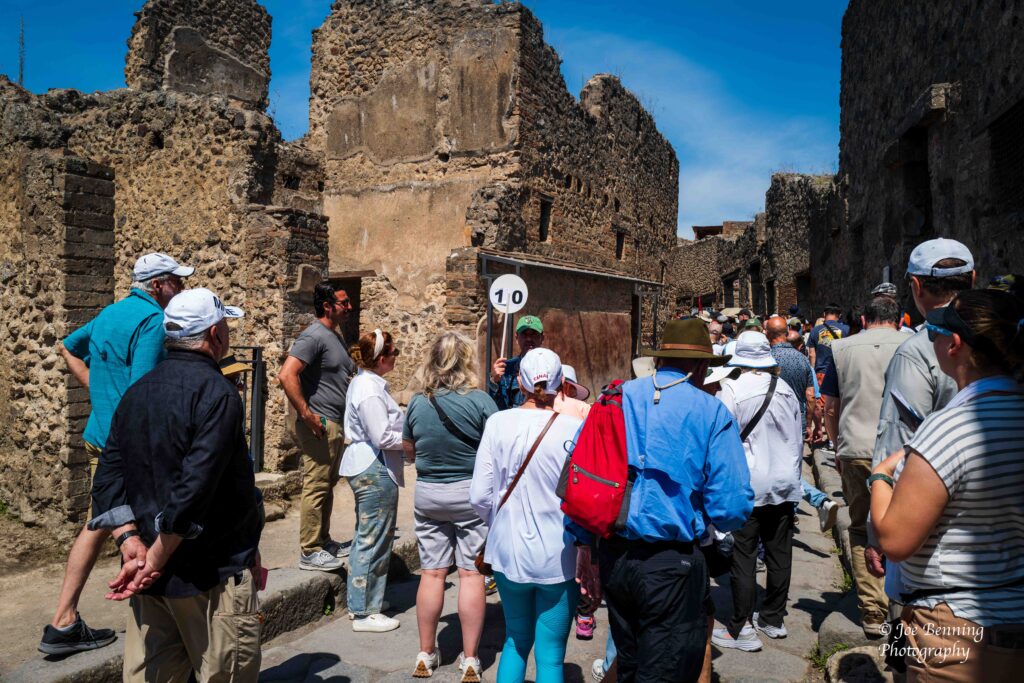
When our ship docked in Naples, we had the opportunity to visit the ruins of Pompeii and Herculaneum.
Pompeii was instantly buried beneath 30 feet of volcanic ash and cinder when Mount Vesuvius erupted in 79 A.D. People living in the city perished instantly when the volcanic ash poured down on the city.

We had an interesting tour of the portion of the city that has been excavated. We saw streets, homes, and shops that were preserved intact as a result of the instantaneous cascade of volcanic ash that rained down on the city. Consequently it provided a glimpse of Roman life as it was 2000 years ago.

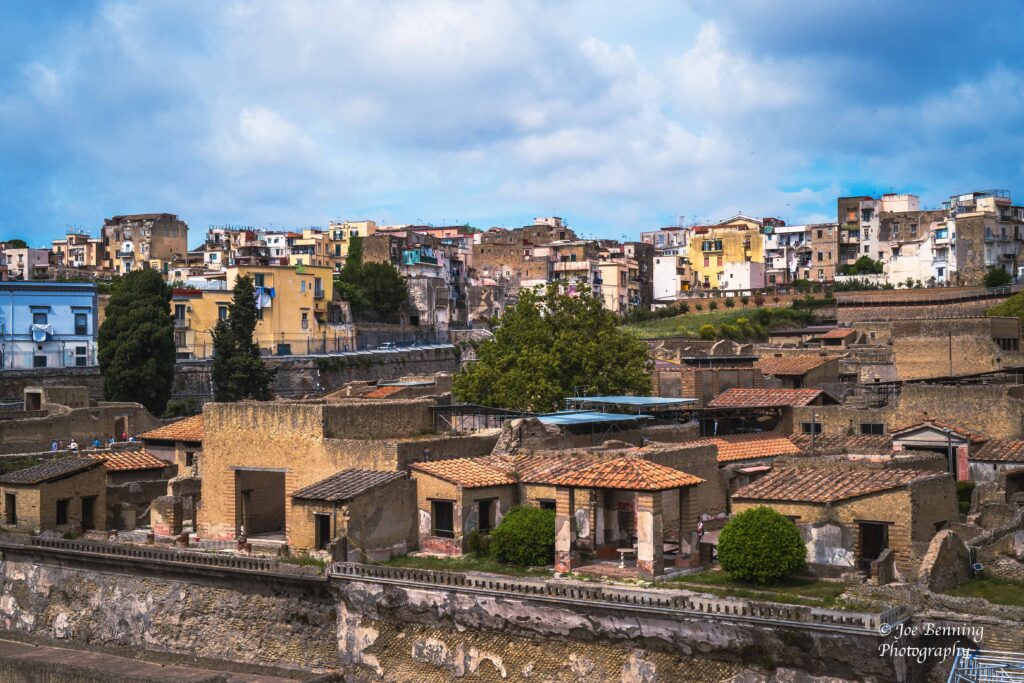
We then visited the nearby city of Herculaneum, which was a both wealthier and smaller than Pompeii.

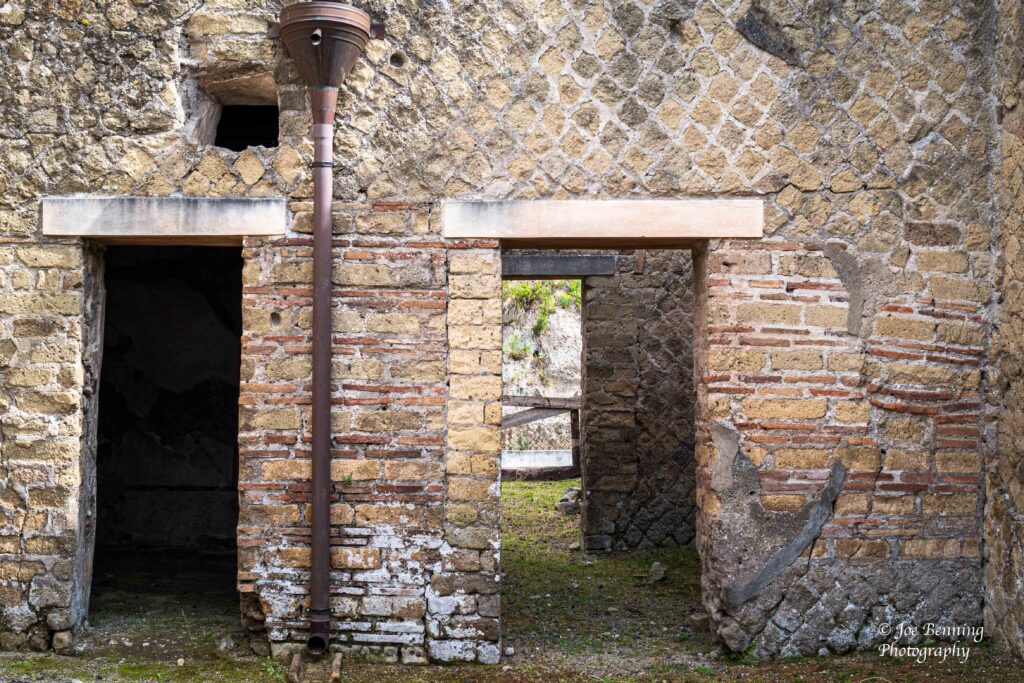
Nearby Herculaneum was destroyed by massive lava flows from the eruption of Mount Vesuvius. Before the volcano erupted, some of the wealthy inhabitants of the town were able to leave by ship. Others didn’t make it out. The homes that they left behind were buried in mud and are therefore well preserved. In fact, residents of the city knew how to construct walls in a way that would withstand some earthquakes, which made it even easier to see some of the structures in their original state.

It was interesting to imagine how life was in these towns 2000 years ago, and to see the contrast between the two cities in terms of the wealth of the inhabitants. Also very interesting to see the manners in which the cities were destroyed (or left intact) by natural disasters.
JFB and MAM
Recent Posts
- The American West July 1, 2026
- Yellowstone June 22, 2026
- A Few Side Trips in Portugal May 31, 2026
- Three Weeks in Lisbon May 29, 2026
- Sailing Along the Douro River May 23, 2026