Tallin, Estonia
Tallinn may be the most beautiful city you’ve never heard of. The capital of Estonia, Tallinn is a small city in a small country with a turbulent history, particularly with respect to relations with Russia. On our walking tour of the city our guide noted that for Estonia, “NATO is everything”.
There are about 1.5 million citizens of Estonia, and about 435,000 people who live in Tallinn. Located on the Gulf of Finland on the Baltic Sea, Tallinn has close historic ties with Helsinki, Stockholm and St Petersburg.
The city proper dates back to the first half of the 13th century, but humans settlements are estimated go back 5,000 years. The first recorded claim for the land was made by Denmark in 1219 after a successful raid. After a couple of centuries of fighting between Scandinavian and Teutonic rulers, Tallinn became an important commercial hub because of its strategic location.
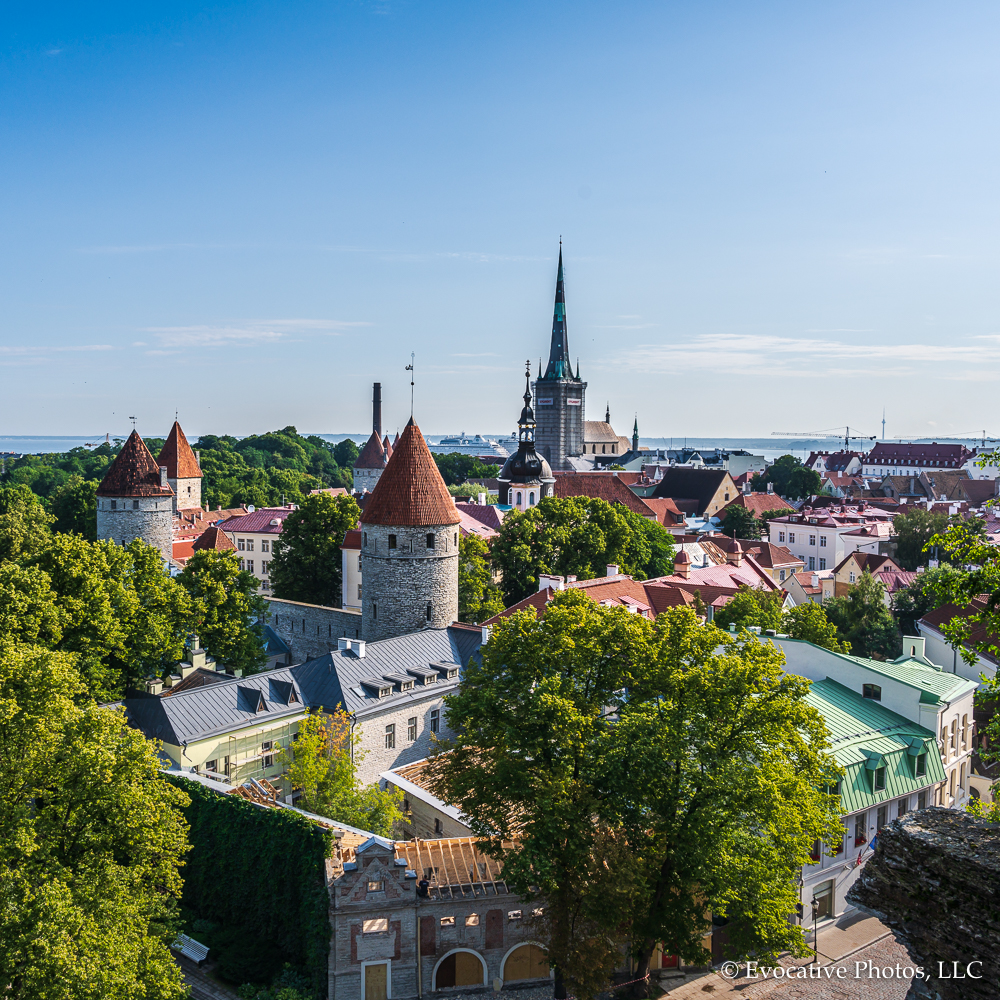
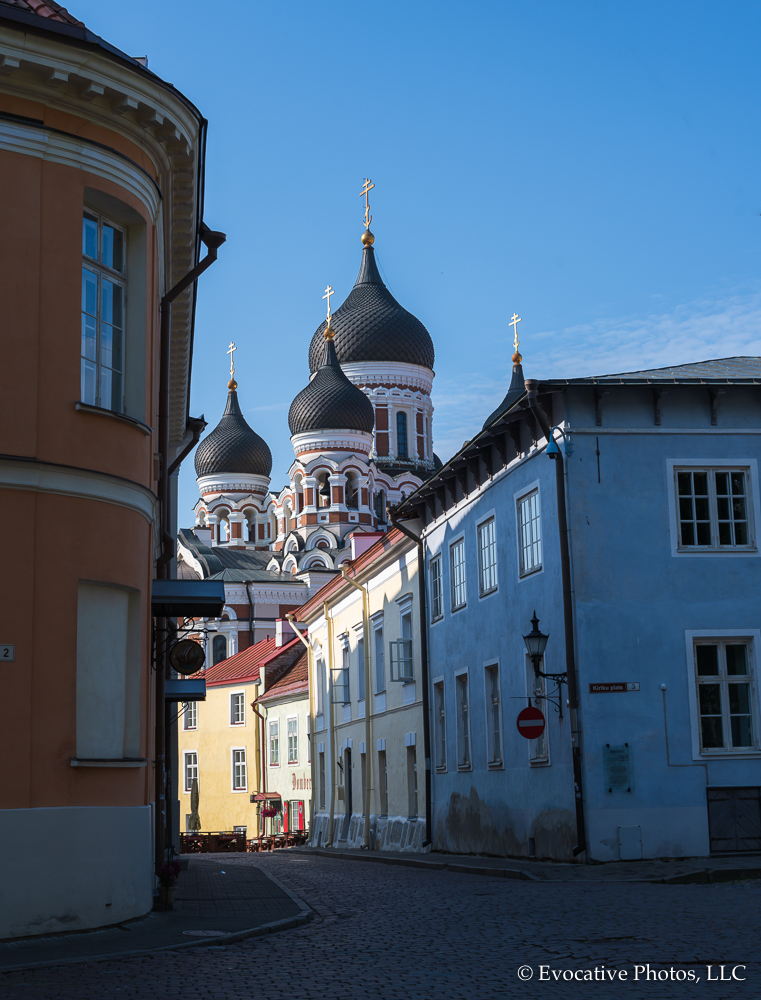
Tallinn is one of Europe’s best preserved medieval cities and is counted as a UNESCO World Heritage Site. It has the largest number of star-ups in Europe, and is the birthplace of Skype. It houses the EU’s IT agency and is the home of NATO’s Cyber Defense Center of Excellence. It is also ranked as one of the world’s top 10 digital cities.
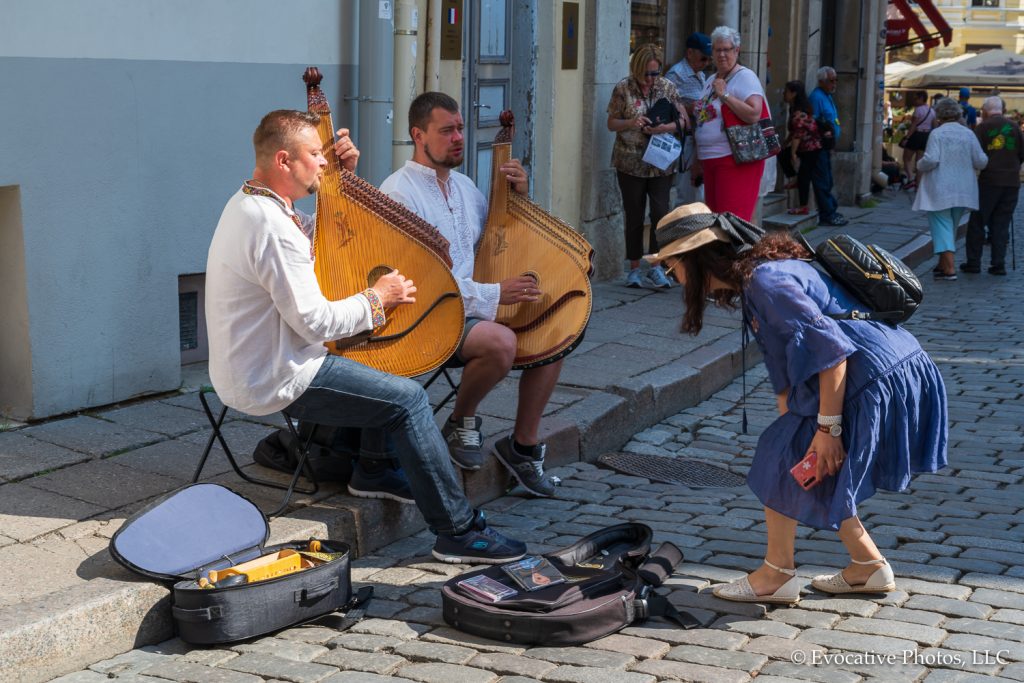
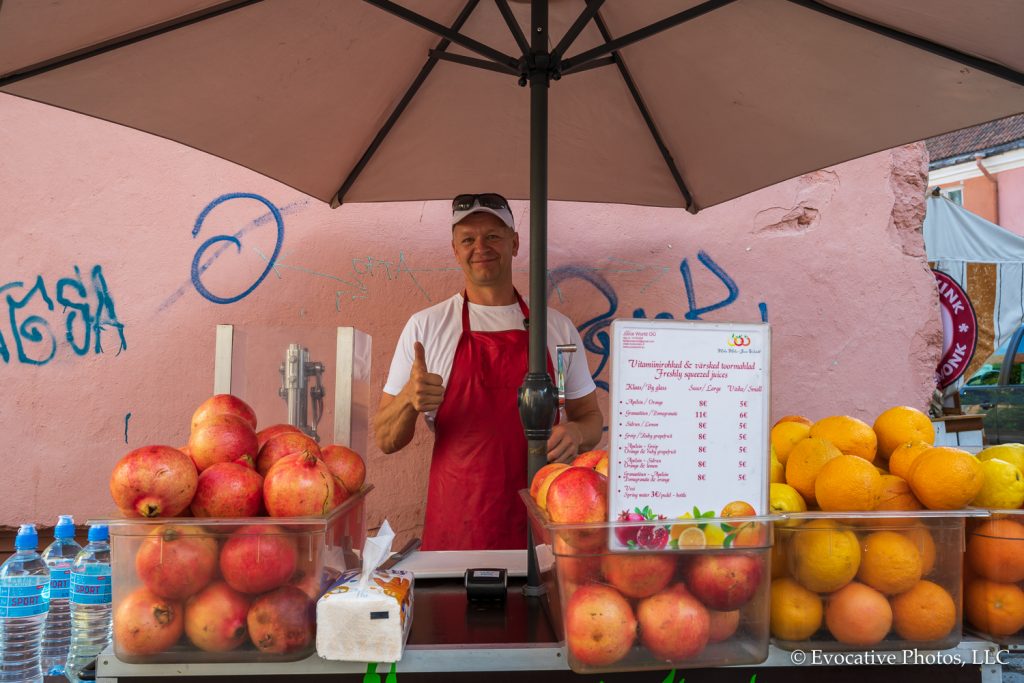
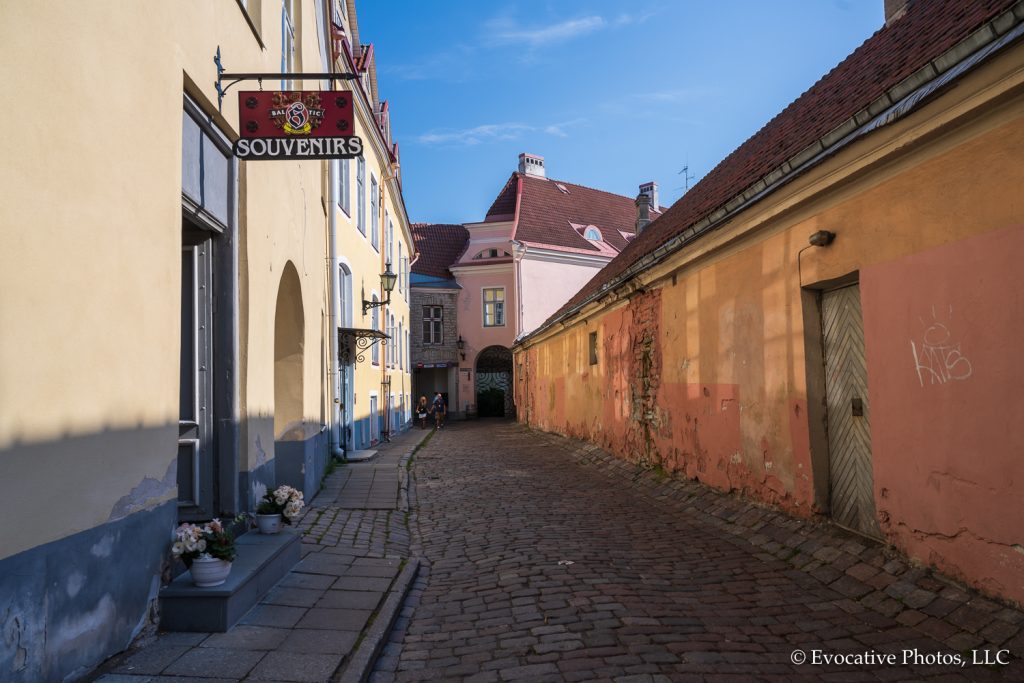
We went on a walking tour of the city with a local guide and took lots of photos in the process. A few are posted below.
JFB
More on Three Days in St Petersburg
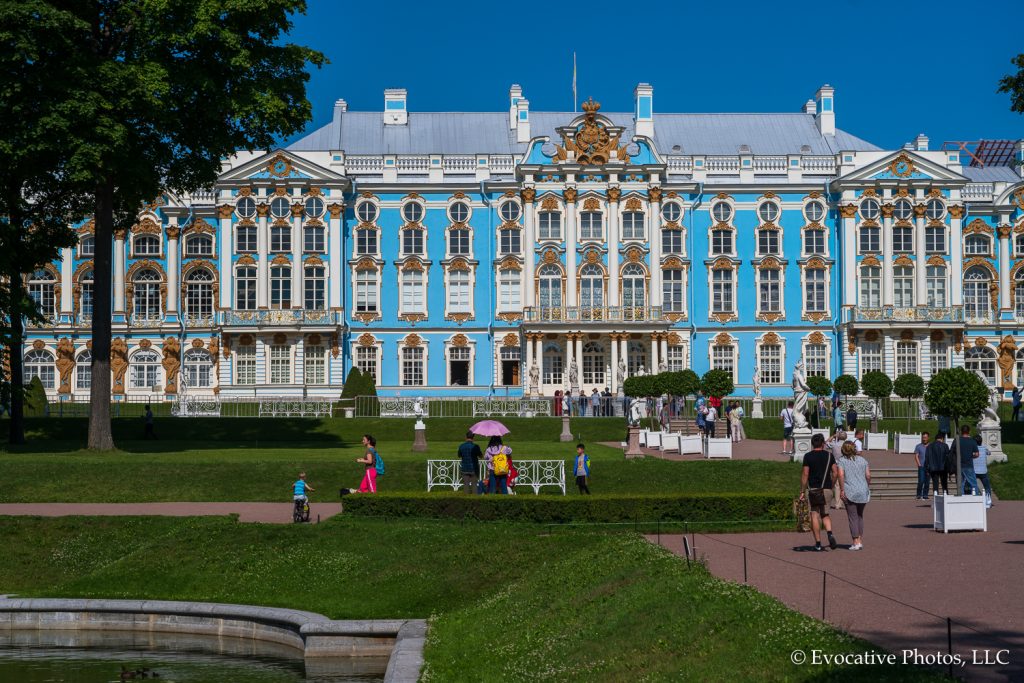
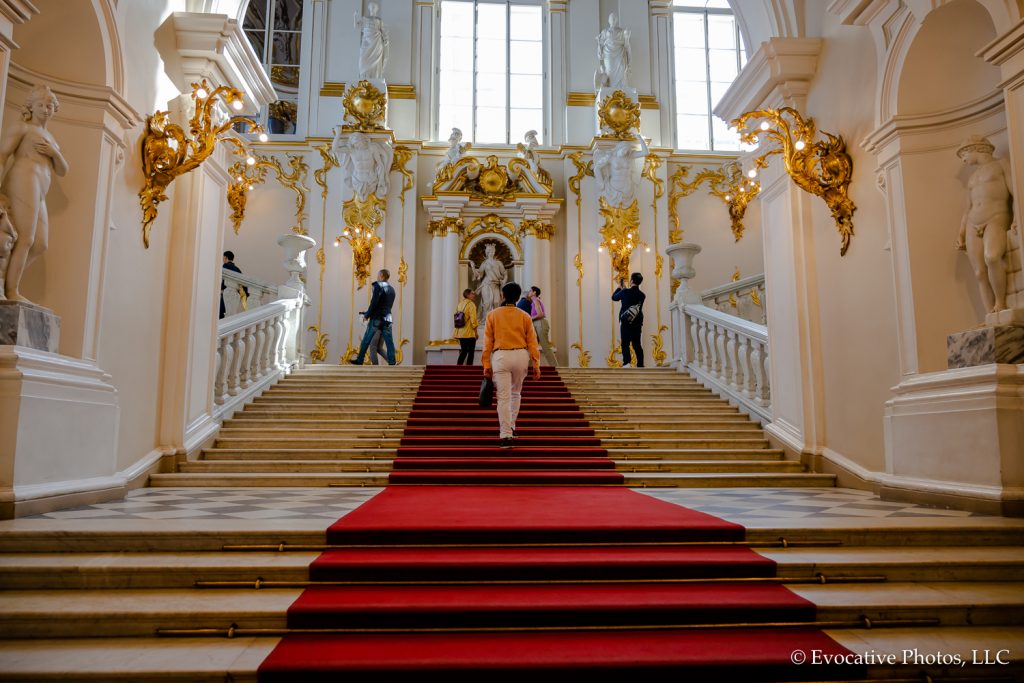
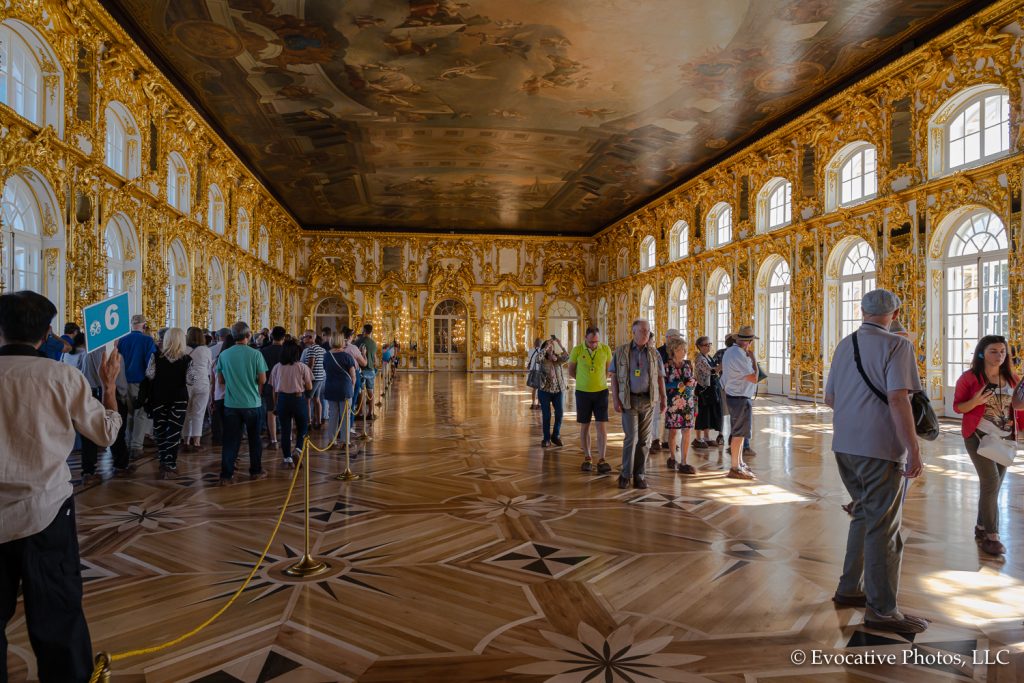
Among the many mind boggling things to contemplate is the fact that the Russian aristocracy didn’t just have one enormous and opulently decorated and designed palace. They had several of them; each one elaborate and ornate. In fact Catherine actually put a halt to all the gold being used to decorate her palace that had begun by order of her predecessor, Empress Elizabeth.
Here, below, are some photos of Catherine’s Palace located in Pushkin, not far from St Petersburg. Please note that while some photos link to Evocative Photos for licensing, photos taken inside the palace may not be used for this purpose, so they are not linked.
JFB


Three Days in St Petersburg
The Summer Palace, Peterhof, Russia
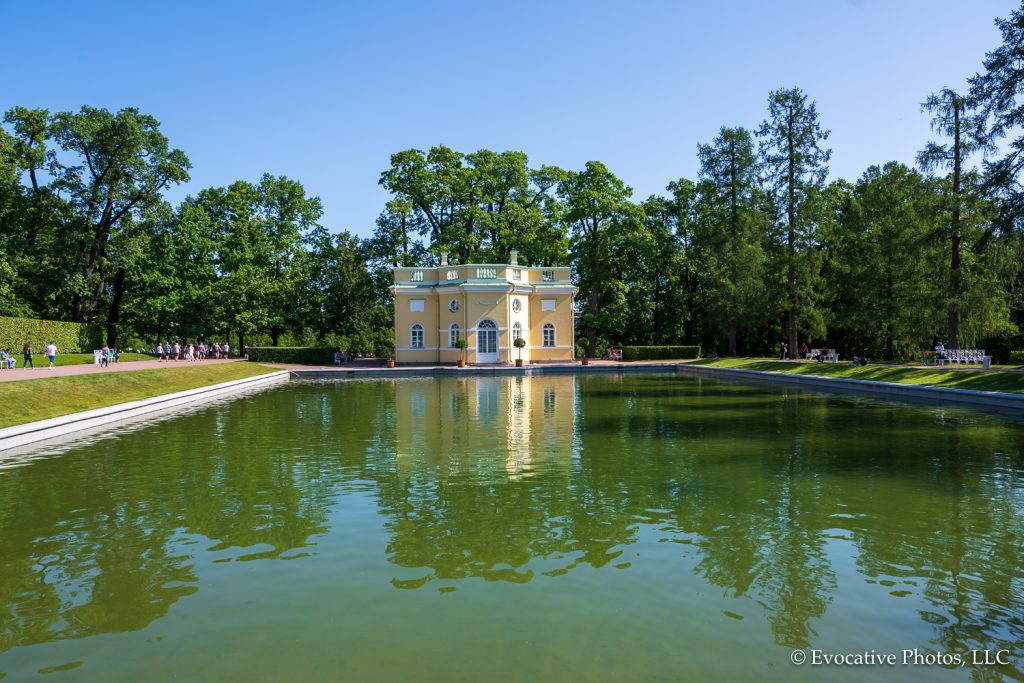
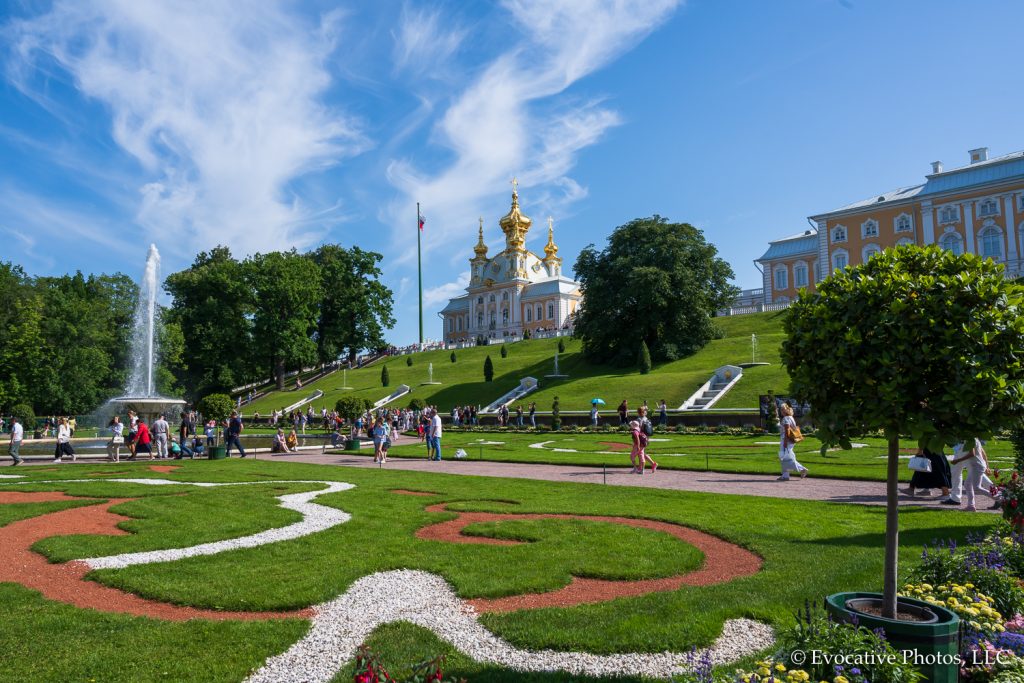
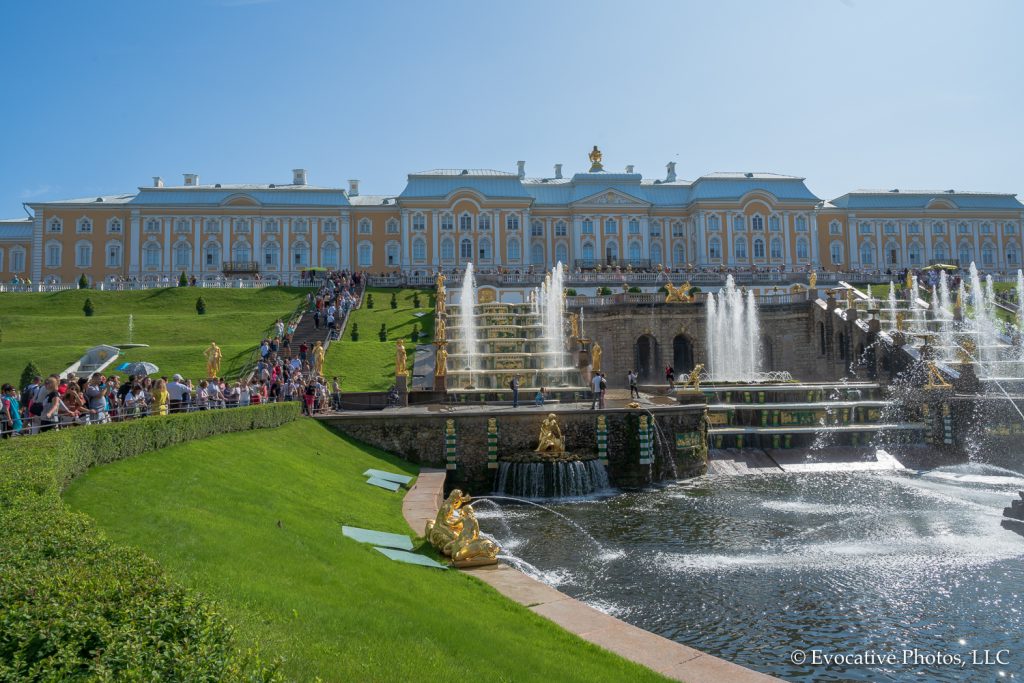
It would take years to see all there is to see in St Petersburg; actually it would take years just to see just the important stuff. So we picked our spots and saw all we could, including the winter and summer palaces. This post includes photos taken at the summer palace, located in Peterhof, about 40 minutes outside St Petersburg proper.
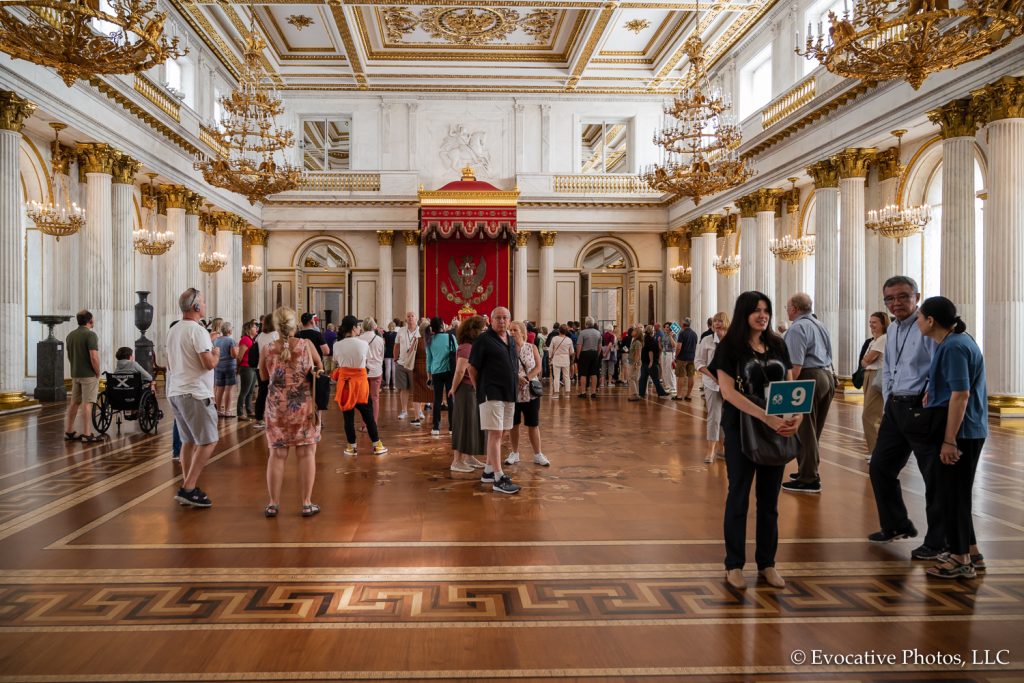
The physical scale of the place, along with the wealth on display, is almost beyond belief. The main palace has about 1,000 rooms—big rooms. The rooms we saw, and we saw quite a few, typically were decorated with gold inlays on the walls and ceilings. Classical paintings and sculpture abounded, including collections by Russian, German and French artists.
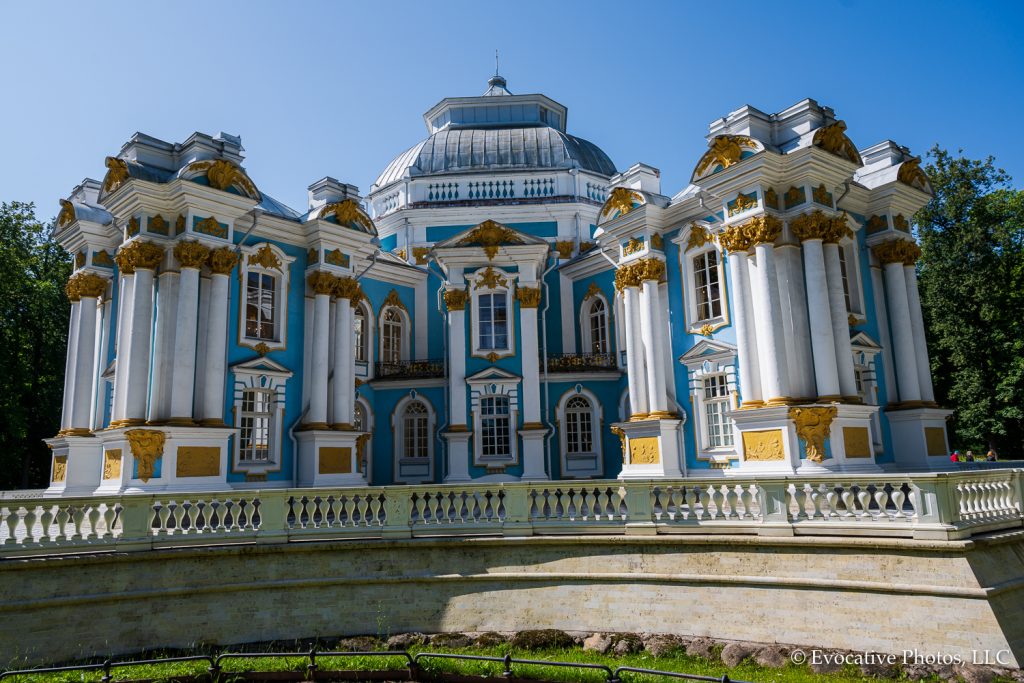
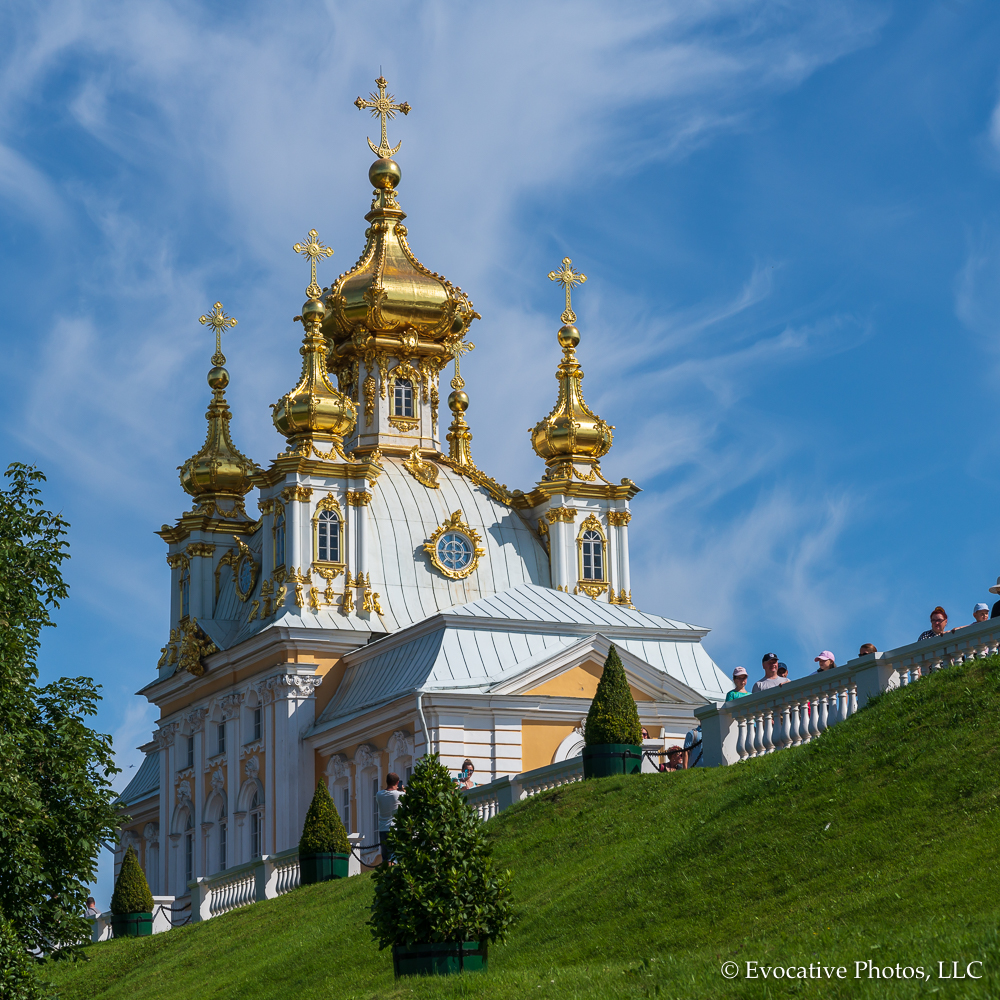
Outside the palace there were gardens, an elaborate set of cascading fountains and a smaller gold domed castle. And this was just the summer palace. There was a winter palace as well, in some ways even more over the top. Note that in the photo of the throne room below, there is no furniture in the room other than the throne. That’s because protocol demanded that supplicants either stand or kneel in the presence of the King.
A political scientist from Johns Hopkins who was on the trip with us (as a lecturer) made the point that while we refer to her as Catherine the Great, the serfs would be unlikely to do so. Their lot was arguably even worse than that of black slaves in the South of the United States. It’s something you can’t help thinking about when confronted by the staggering wealth on display in the palaces of the aristocracy.
JFB


Helsinki, Finland
Helsinki, with the highest urban standard of living in the world, is, not surprisingly, one of the most livable cities in the world. It is refreshingly clean; the architecture is magnificent; the city is very walkable and friendly to tourists. With its metropolitan area population of 1.25 million people it is the third largest municipality of the nordic countries after Stockholm and Oslo.
The city was the site of the negotiations that led to the signing of the Helsinki Accords by then President Jerry Ford. Initially thought to be a sop given to the Soviet bloc, the Helsinki Accords, with their emphasis on human rights, turned out to be a powerful weapon in the hands of Soviet reformers and dissidents.
Finland became a member of the European Union in 1995, and it is flirting with the idea of joining NATO in 2025.
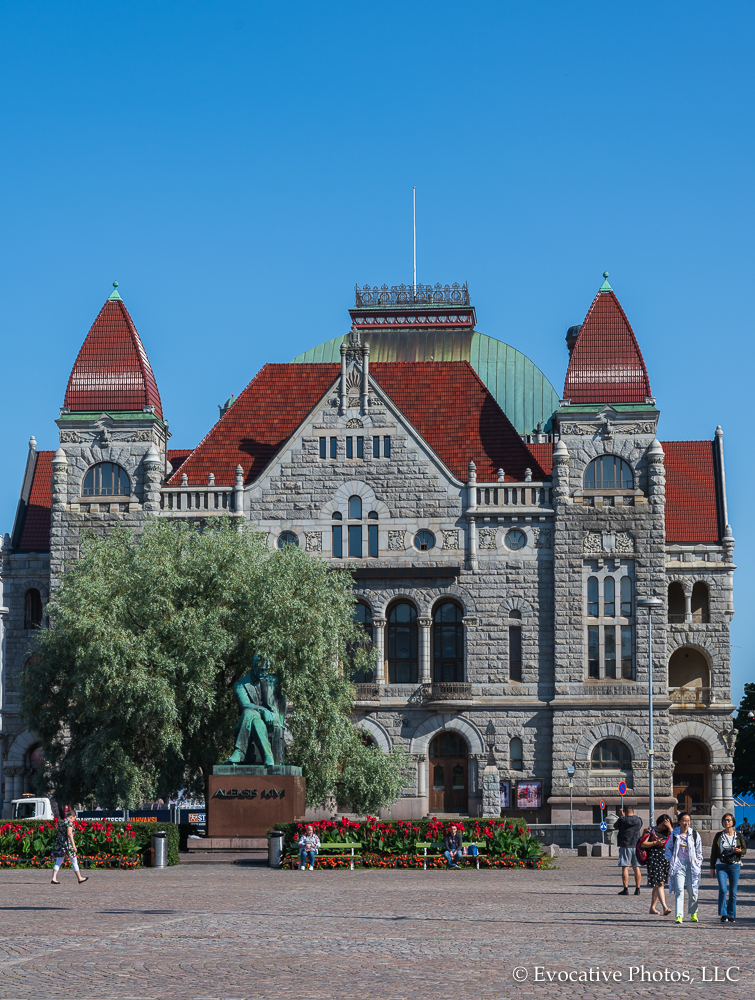
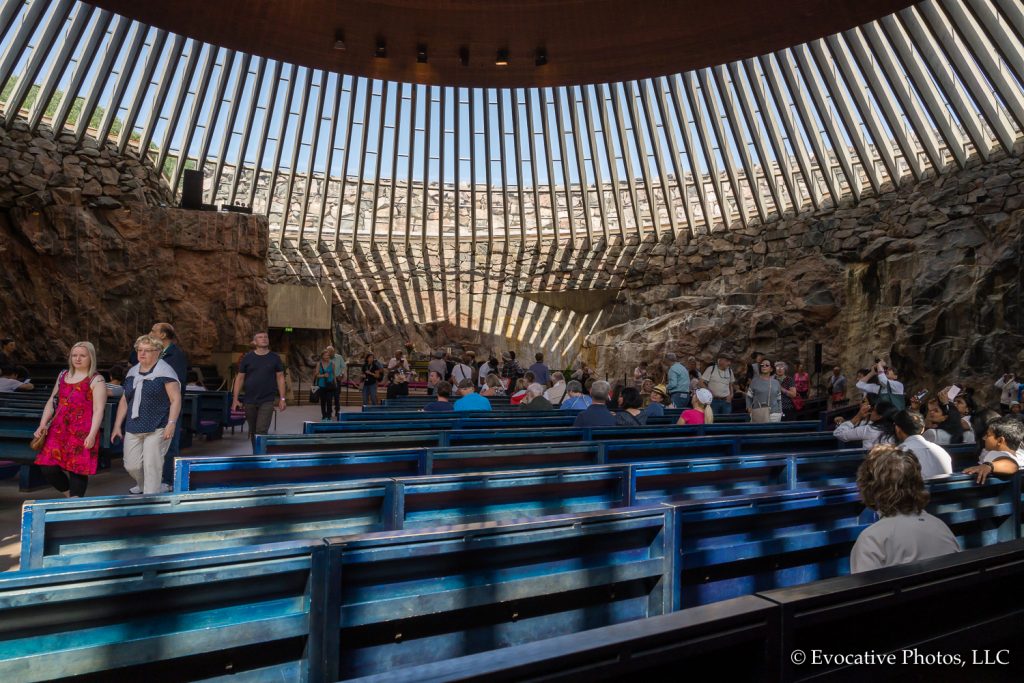
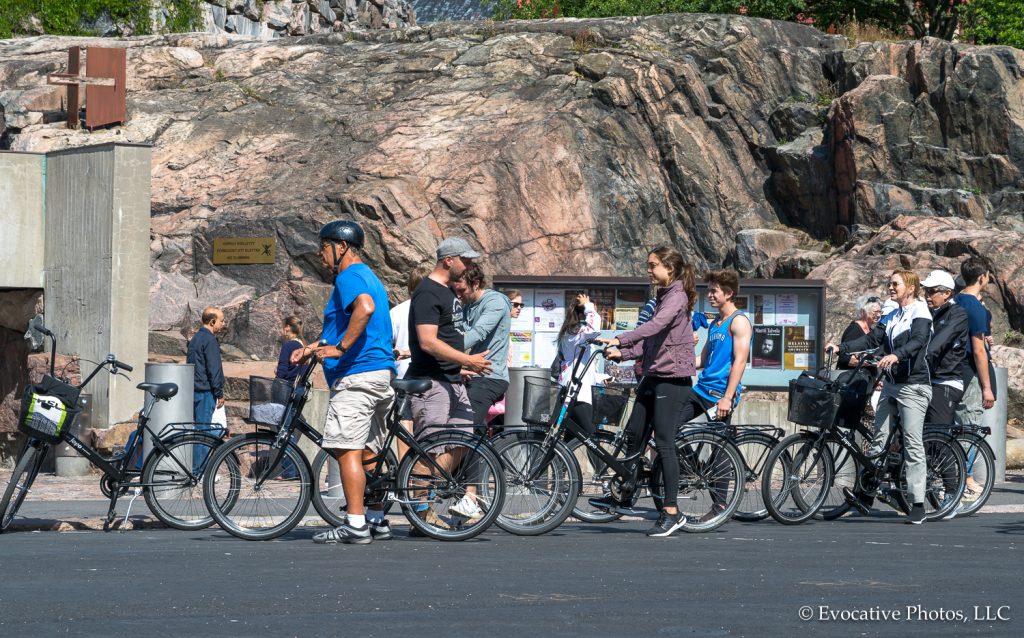
Anyway, we went on a walking tour of the city, during which we wound up at the Rock Church, so called because it was built into solid rock by Timo and Tuomo Suomalainen—brothers and architects. By denomination it is a Lutheran Church in the Toolo neighborhood of Helsinki. It opened in 1969.
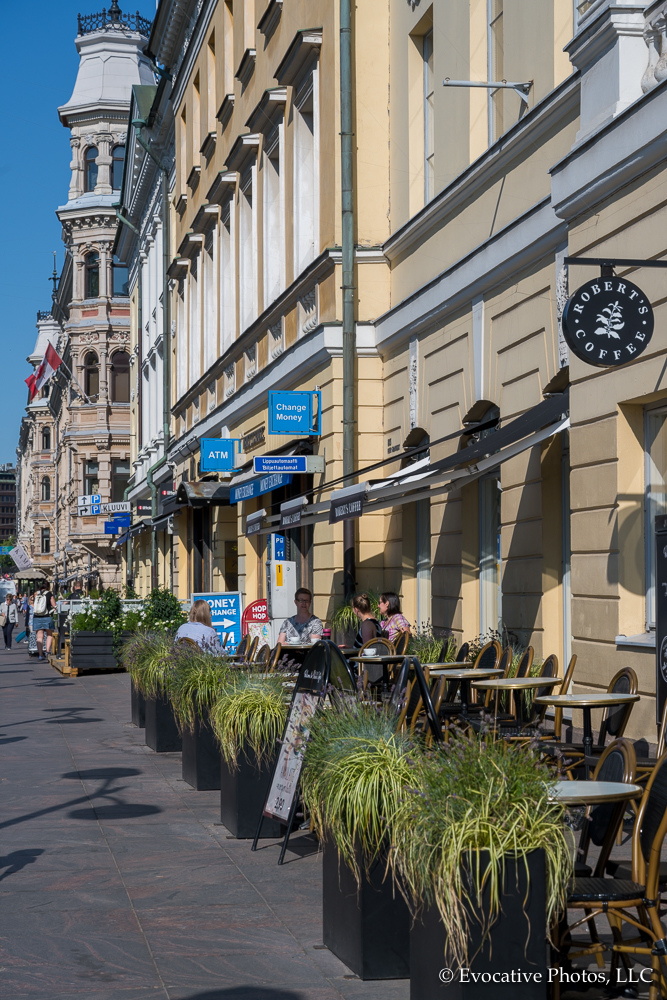
Below here are some photos from our walk around, including photos of the Rock Church.
JFB


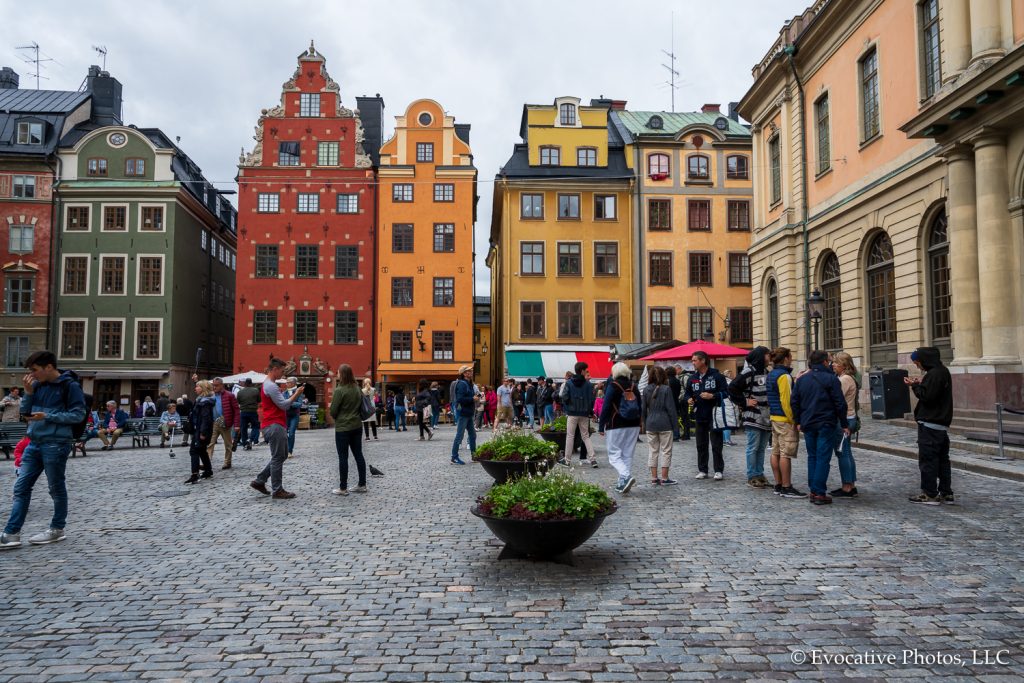
Stockholm, Sweden
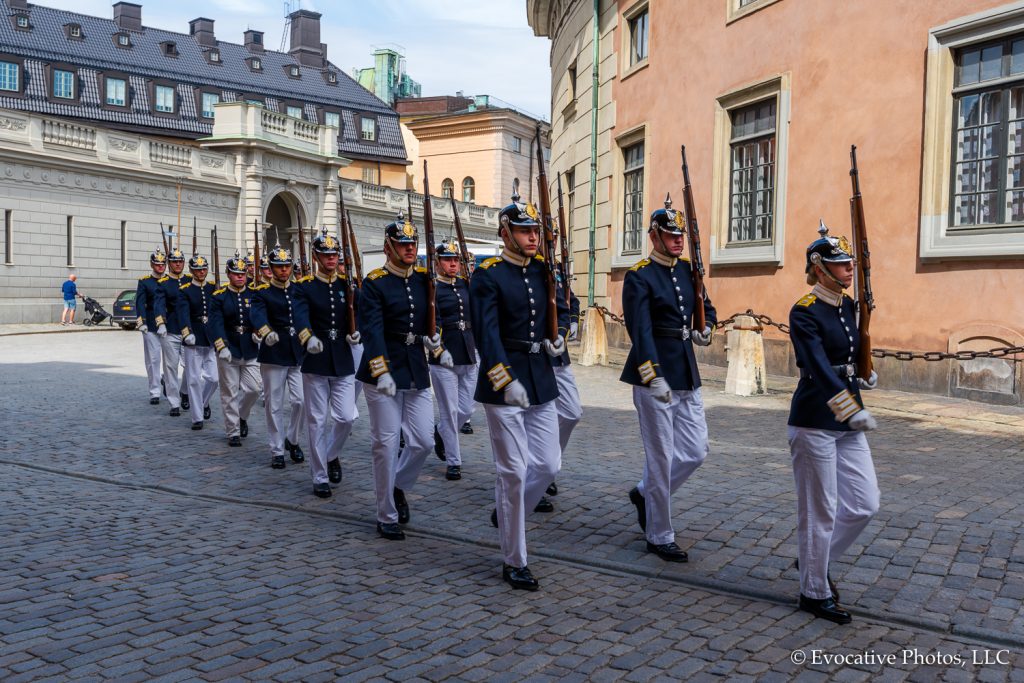
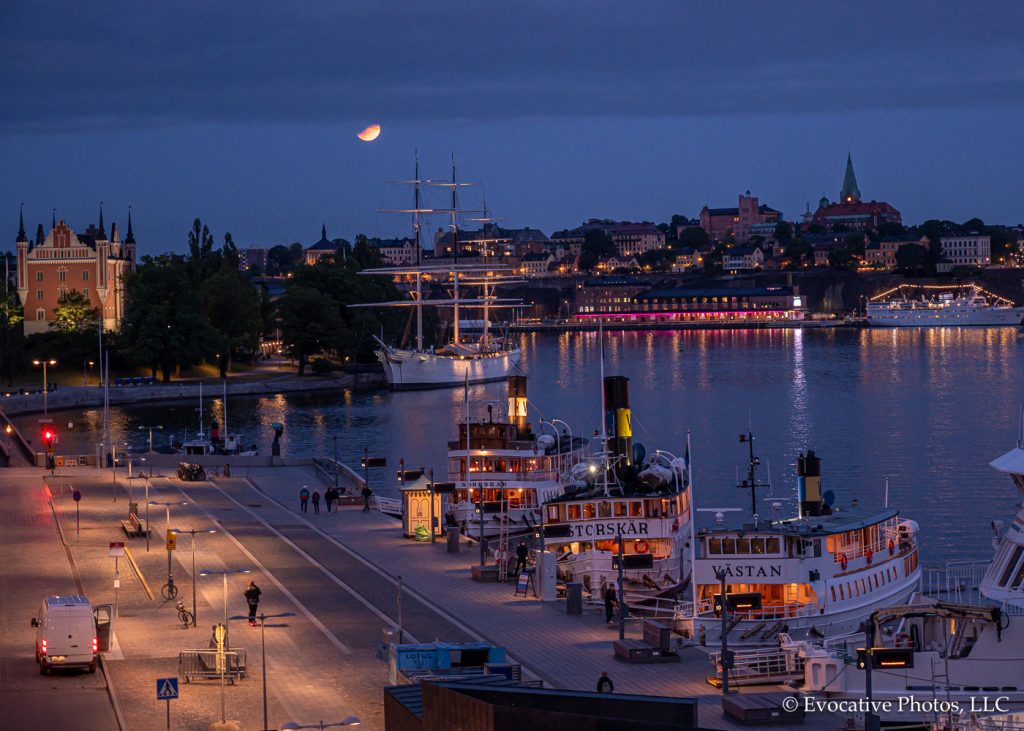
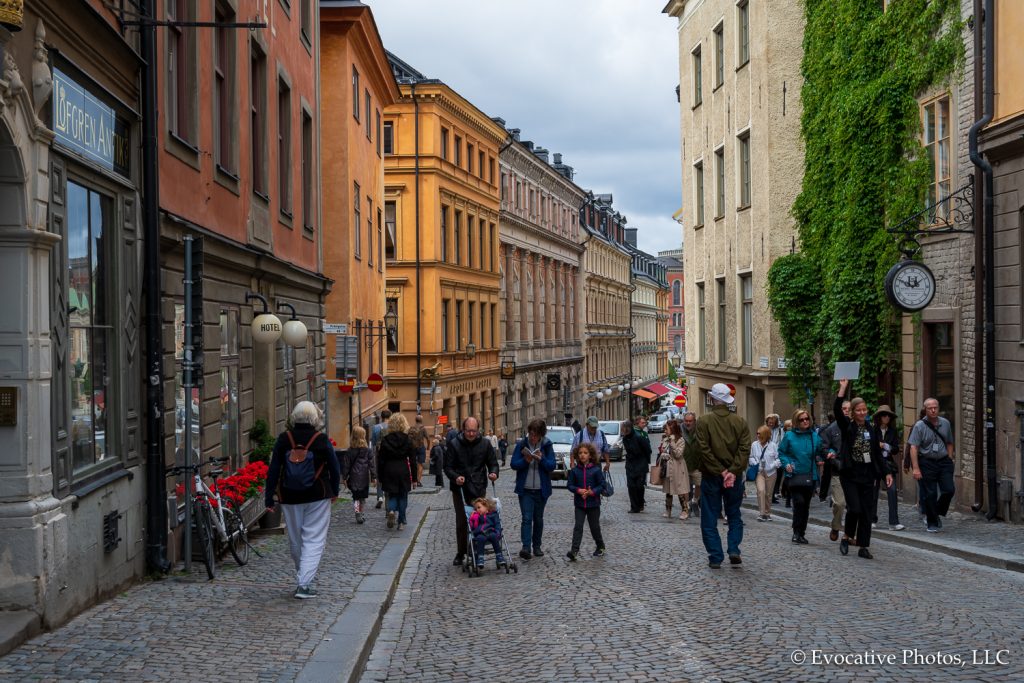
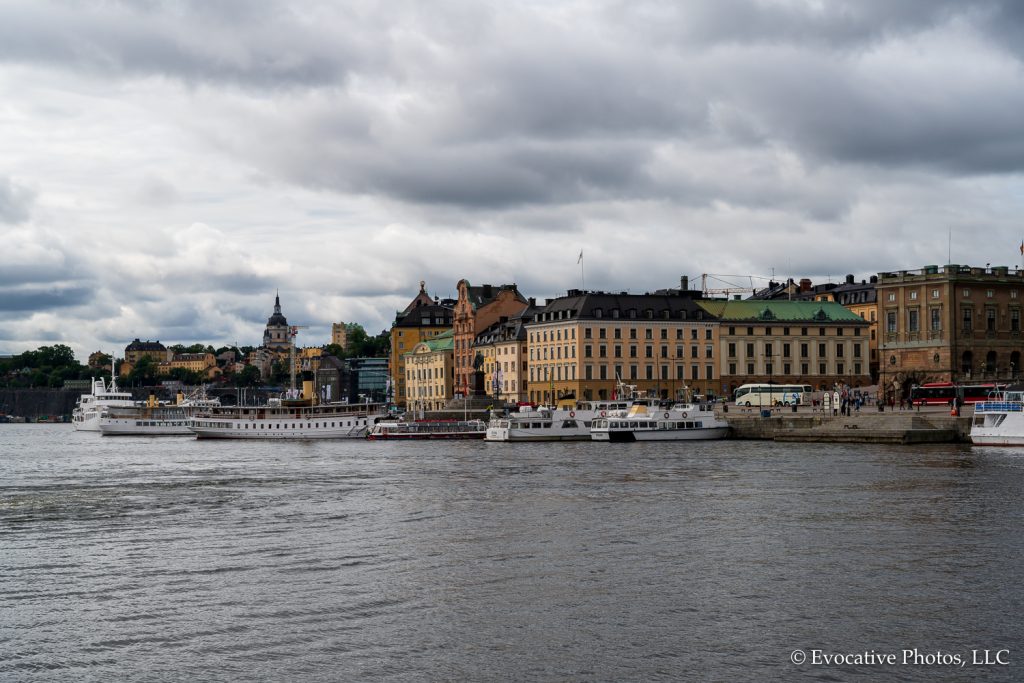
We are back from traveling through the nordic countries for a couple of weeks, with Stockholm being the first stop. Stockholm is an extraordinarily beautiful (and clean) city. As are the other nordic cities we visited, as it turns out.
It is a vibrant city, and with a population of just under 1 million people, it is the cultural, media, political and economic center of Sweden. Stockholm represents about 10% of the population of all of Sweden (about 10 million) but accounts for 1/3rd of Swedish GDP. At 10 million people, Sweden is the 90th most populous country in the world.
Sweden today is decidedly not the Sweden of the 1970s it was back when Bernie Sanders was a member of the socialist Liberty Union Party of Vermont. In the Freedom Index produced by CATO and the Fraser Institute, Sweden is tied with the U.S. at #17. To put this in context, New Zealand ranks #1, Switzerland #2, Hong Kong #3 Australia #4 and Canada #5. Toward the bottom is Russia, #119, and Venezuela at #160, just edges out Syria for last place at #161.
The country’s population is largely homogenous, as are the rest of the Nordic countries, which may account for much of the nation’s sense of solidarity. But that might be changing as Sweden has recently had a good deal of trouble assimilating significant immigration from the middle east.
During the winter months, Sweden only gets about 6 hours of sunlight a day. During the summer the Swedes are out in force to celebrate the warm and relatively sunny weather—they only get about 70 sunny days in a year. We were very lucky—we had terrific weather for most of the time we were there.
Here (below) are some photos from our visit there.
JFB


Recent Posts
- The American West July 1, 2026
- Yellowstone June 22, 2026
- A Few Side Trips in Portugal May 31, 2026
- Three Weeks in Lisbon May 29, 2026
- Sailing Along the Douro River May 23, 2026