Joe Benning Photography

  • J
  • O
  • E

Category: Photo Notes

Joe Benning
Ushuaia, the Falklands and Puerto Madryn

We have been pretty busy in the last several days; We made our first port of call stop in Argentina when we went to Ushuaia. Then we proceeded on to the Falkland Islands where  Britain fought Argentina in  a short war in 1982. Finally we stopped in Puerto Madryn.
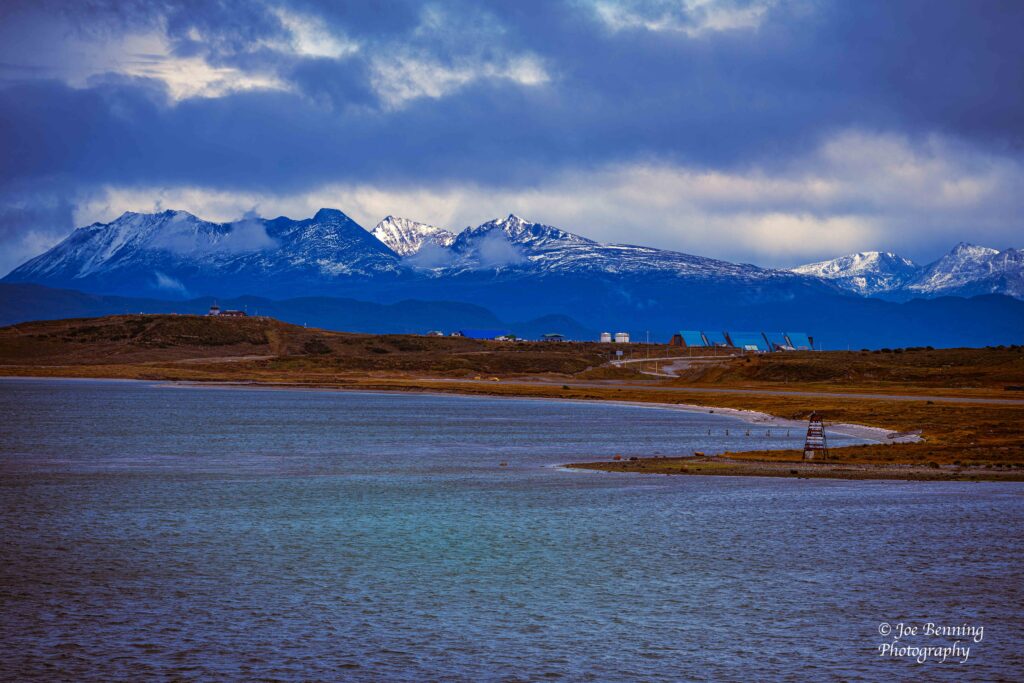
Ushuaia with Snow Capped Mountains in the background

Argentina and Chile have an ongoing disagreement over bragging rights to having the most southern city in the world. Chile claims it is Punta Arenas (pop 145,000). Argentina claims it is Ushuaia, which in fact is further to the South. However, Chile says, Ushuaia isn’t large enough to be considered a city, therefore.…However, the population of Ushuaia is over 80.000, which seems kind of substantial to me. Anyway, Argentina and Chile always seem to be fighting over something, so take your pick. 
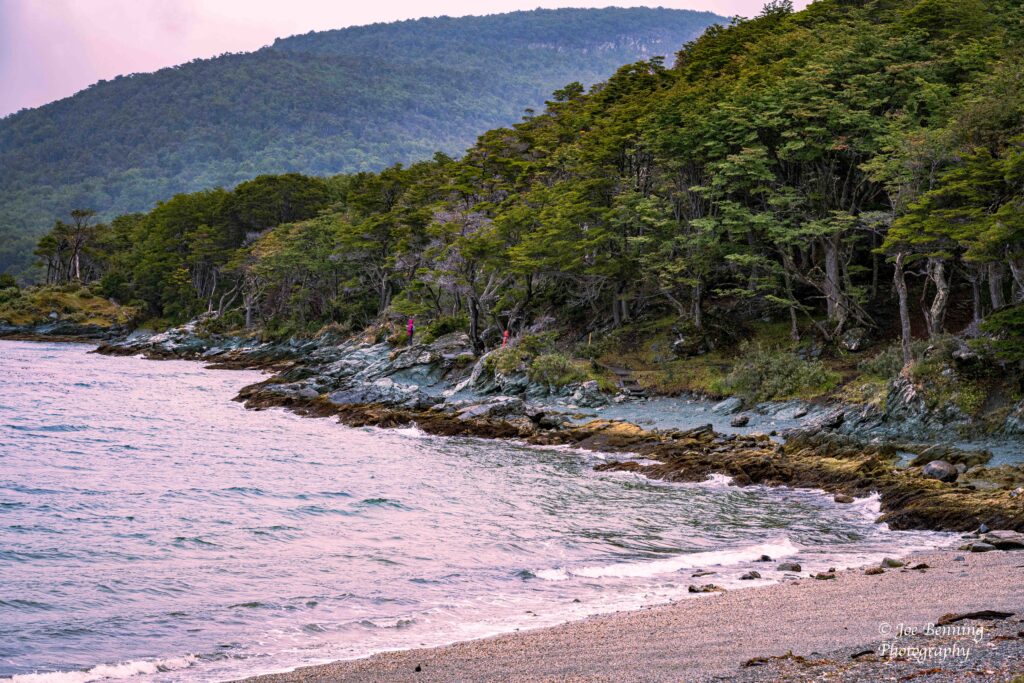
A stopping point in Ushuaia: Lago Fagnano

We also took a train trip named Train to the End of the World. Everything in Ushuaia is named …End of the World. Then again it travelled through beautiful countryside, if a little cramped.
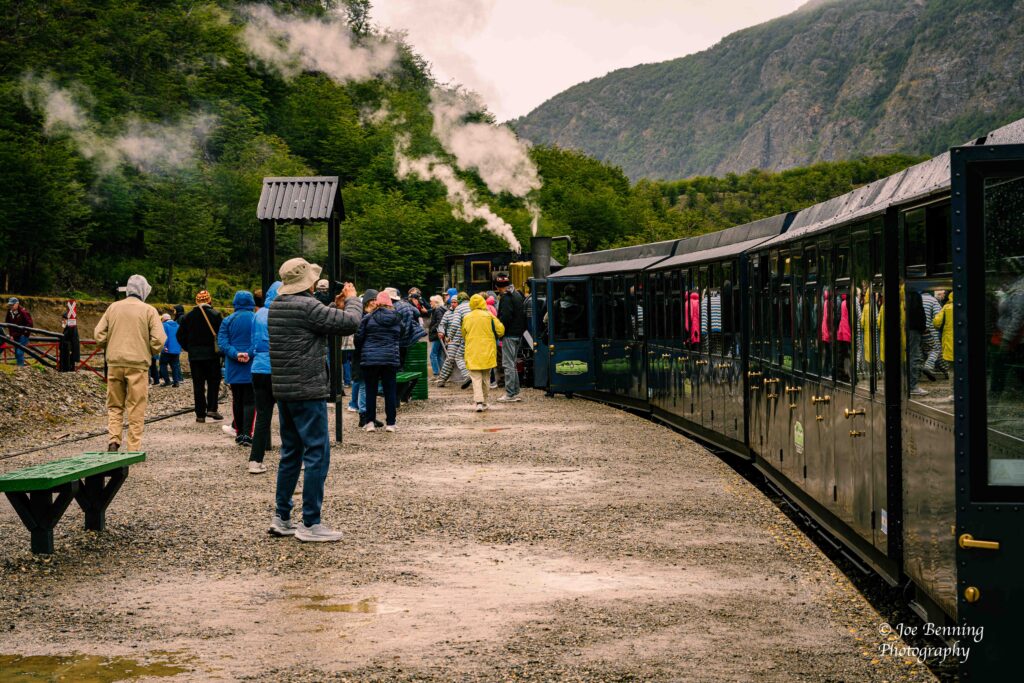
Train to the End of the World

Then again there is the Falkland Islands. Argentina fought a war, albeit a short one, with Britain over the archipelago in 1982. It only takes a short trip to the Falklands to understand that the Falkland Islanders consider themselves to be British through and through. 
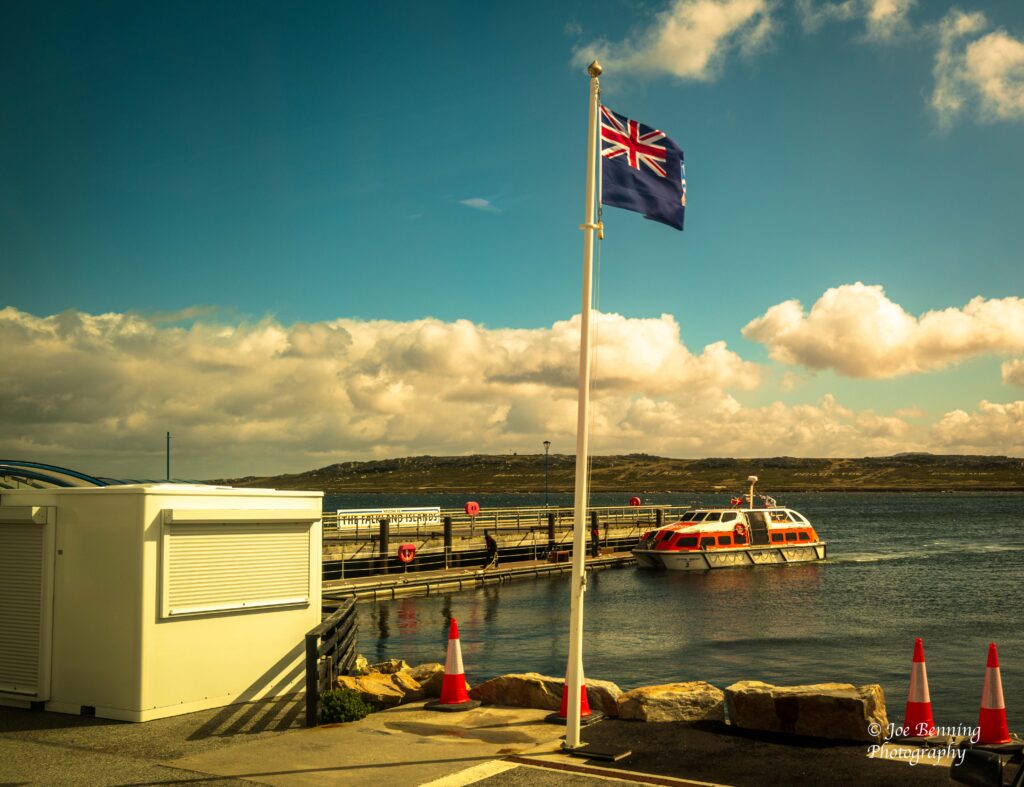
Union Jack Flying over Falklands Dock

The display of the Union Jack is routine and streets are named after Margaret Thatcher everywhere. The language, accents and customs of the people are undeniably British. In fact, a couple of years ago they had a referendum in which 98% of the people voted to remain a territory of Britain. 
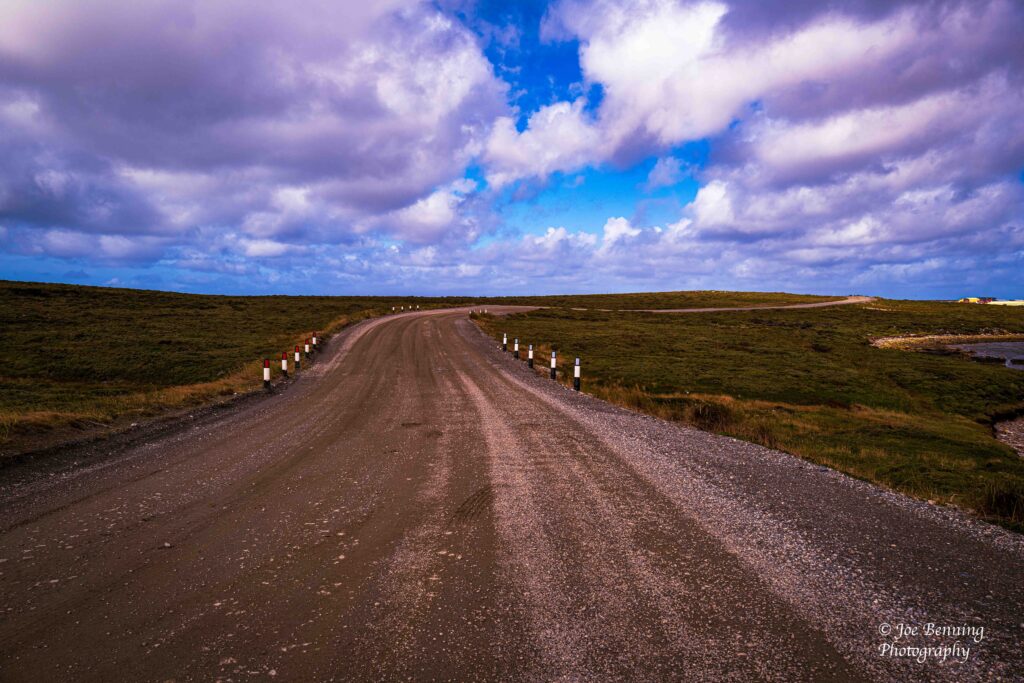
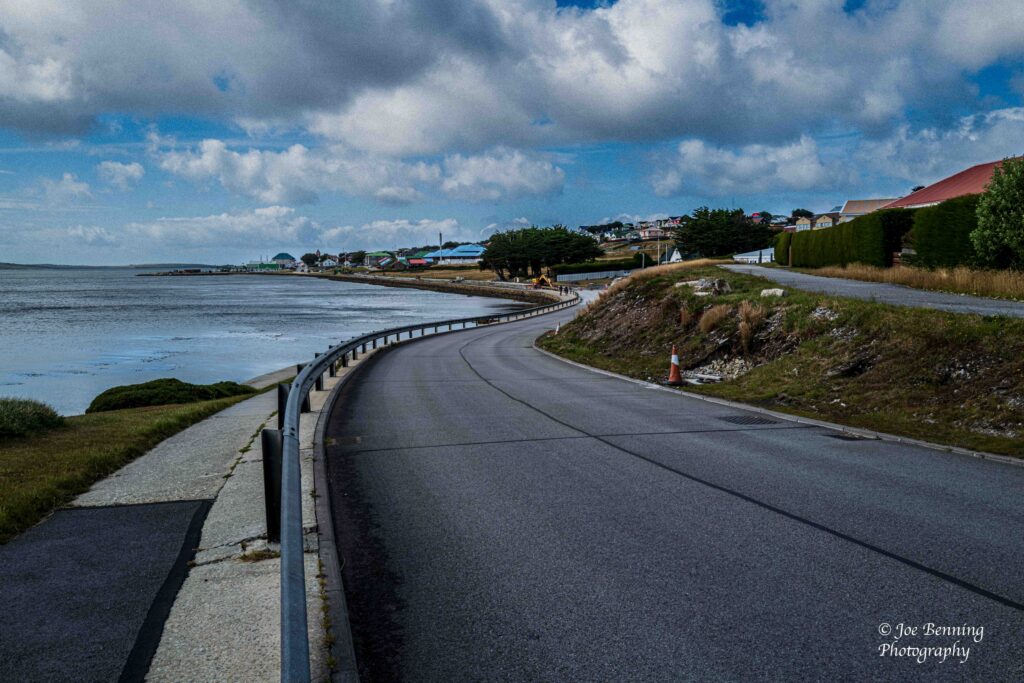
Falkland Islands Landscape
Leading line on the Coast by Stanley in the Falklands

For its part, Argentina still considers itself to be the rightful sovereign over the Falklands. Argentinians refer to them as Malvinas, I suppose as a way of asserting a continuing claim. Nobody appears interested in stirring up any serious trouble over the issue. 

Argentina is in the early stages of a huge social experiment. Juan and Eva Peron have had a huge influence on the country ever since the 1940s. Their legacy is almost certainly the cause of Argentina’s disastrous public finances and semi routine trips in and out of bankruptcy. In the last election however, Argentinians voted for Javier Milei, a self-described anarcho-capitalist. 

Milei has taken steps to fix Argentina’s public finances, deregulate industry, reduce inflation and dollarize the economy. In the event, the locals nicknamed him “El Loco”.  It remains to be seen how much of his agenda he will be able to achieve and what the effects will be. Stay tuned. 

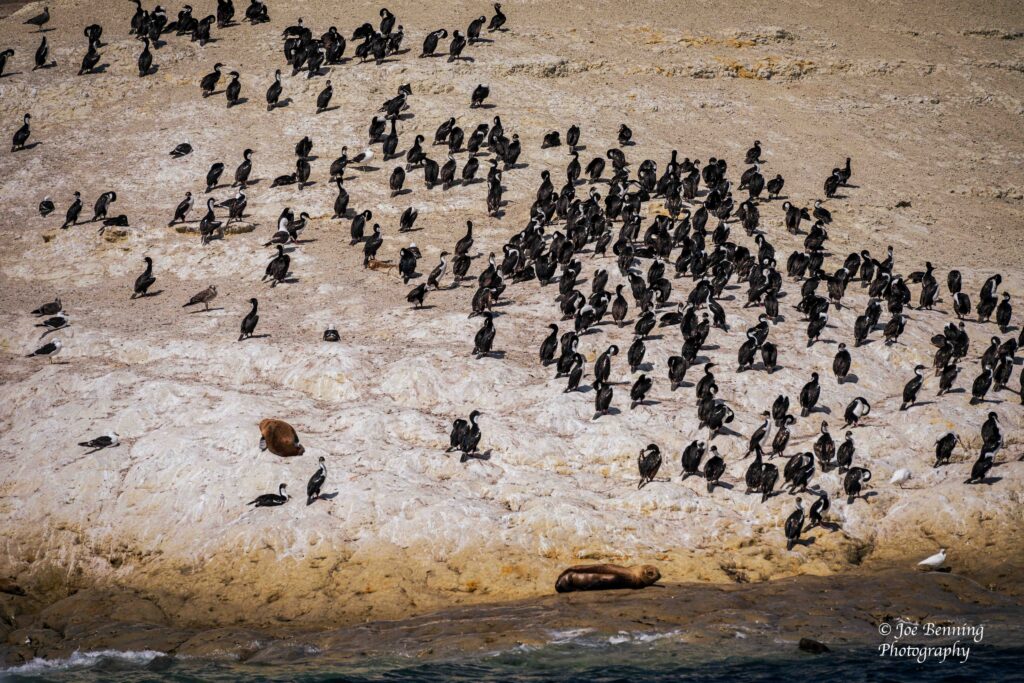
Next on the agenda was a short boat ride from the docks of Puerto Madryn to the Penninsula Valdes, a UNESCO World Heritage Site. There we did some for dolphin watching, although the dolphins were hard to capture on film. Nevertheless we did see quite a few sea lions and Cormorants.  
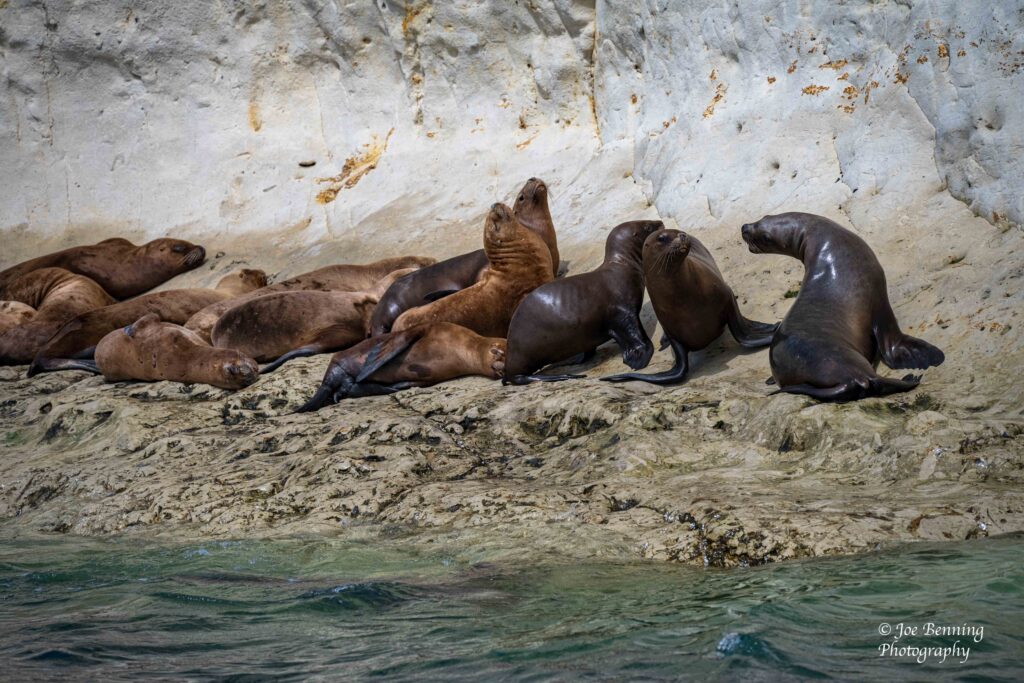
Sea Lions Sunning Themselves
Cormorants
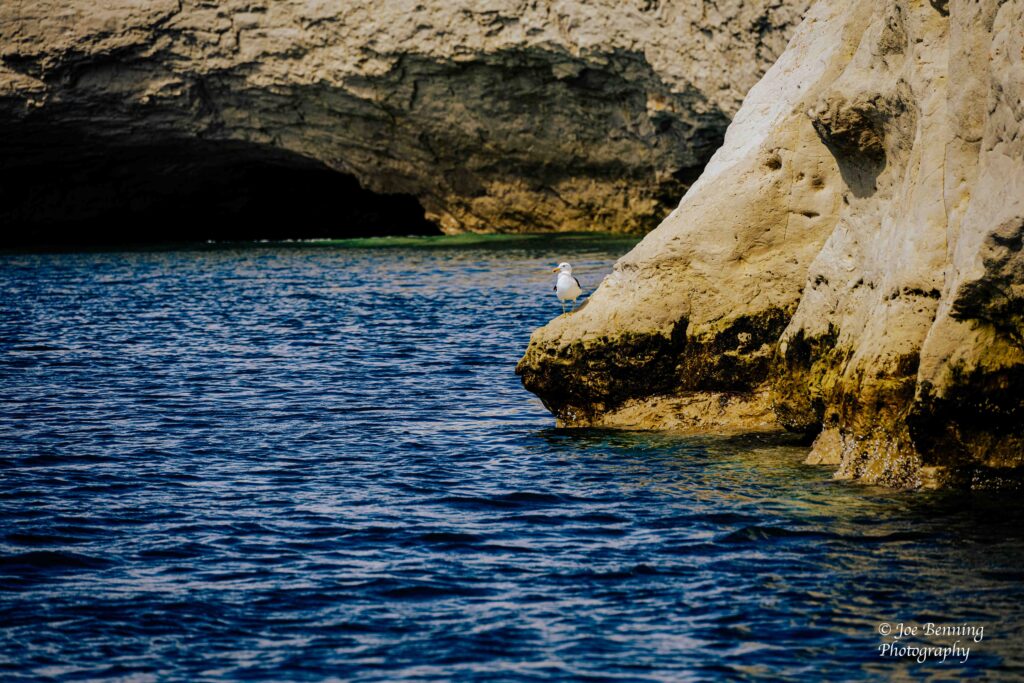
Bird by a Cave Entrance

One of the most interesting things about this trip has been the variation in atmosphere throughout all we have seen of South America. There have been so many immigrants from all parts of the globe that we constantly find (among the sheep ranches and the mining towns and the agricultural valleys and the glaciers) towns with distinctly European shops, architecture and vibes, and foods with Asian roots and influences.  It makes for a feast for the senses.  

Now it’s on to Montevideo Uruguay before heading back to Argentina and Buenas Aires.

Joe & Mary Anne
Read More
Joe Benning
Leaving Chile; Heading for Argentina

As we make our way out of Chile, we are going through the Beagle Strait (yes, that Beagle Channel named after the boat Charles Darwin used).

Leaving Chile by the Magellan Strait and Going through the Beagle Channel

First though, we paid a visit to Punta Arenas. Punta Arenas claims to be the southernmost city in the world. Argentina begs to differ and cites Ushuaia, where we are headed next. But, as Chile points out, Punta Arenas is a city—it has a population of about 150,000 while the population of Ushuaia is only a few thousand. Apparently Chile and Argentina will always find something to fight about. 

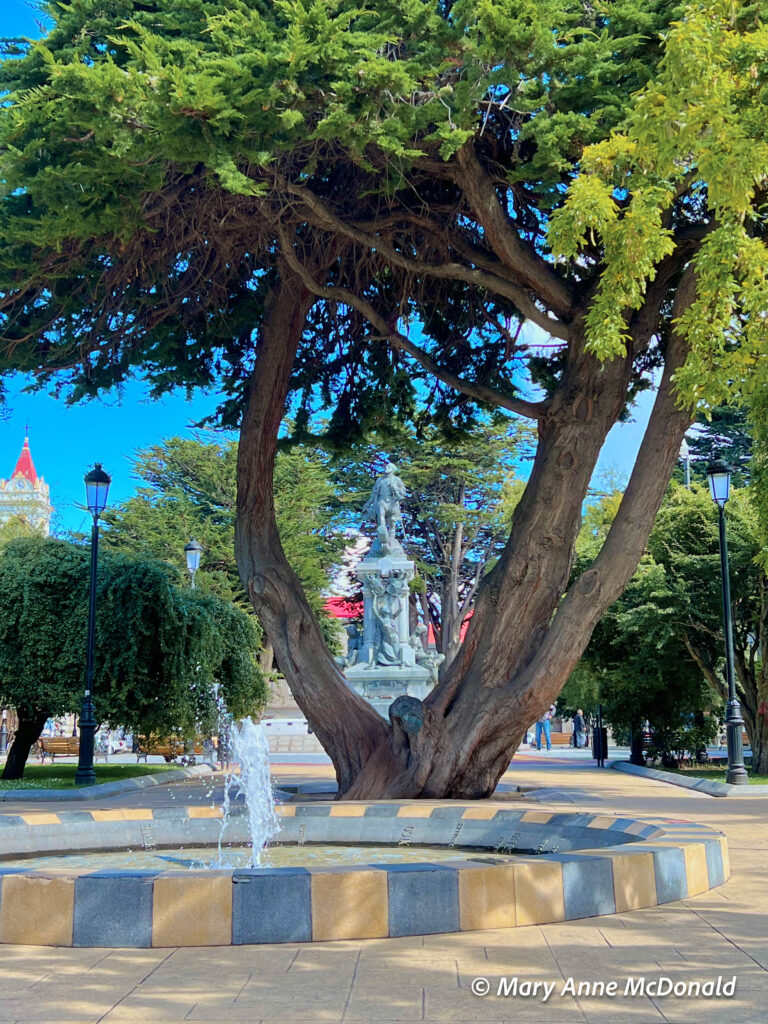
Main Square in Punta Arenas, Chile

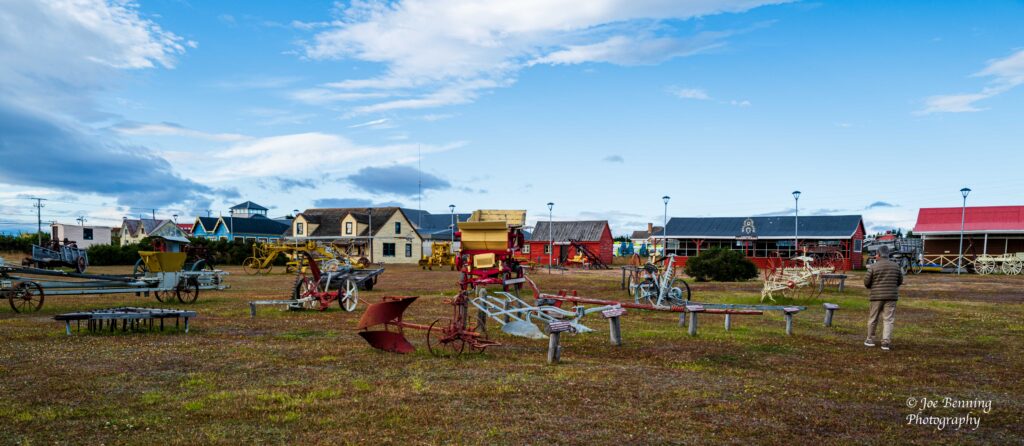
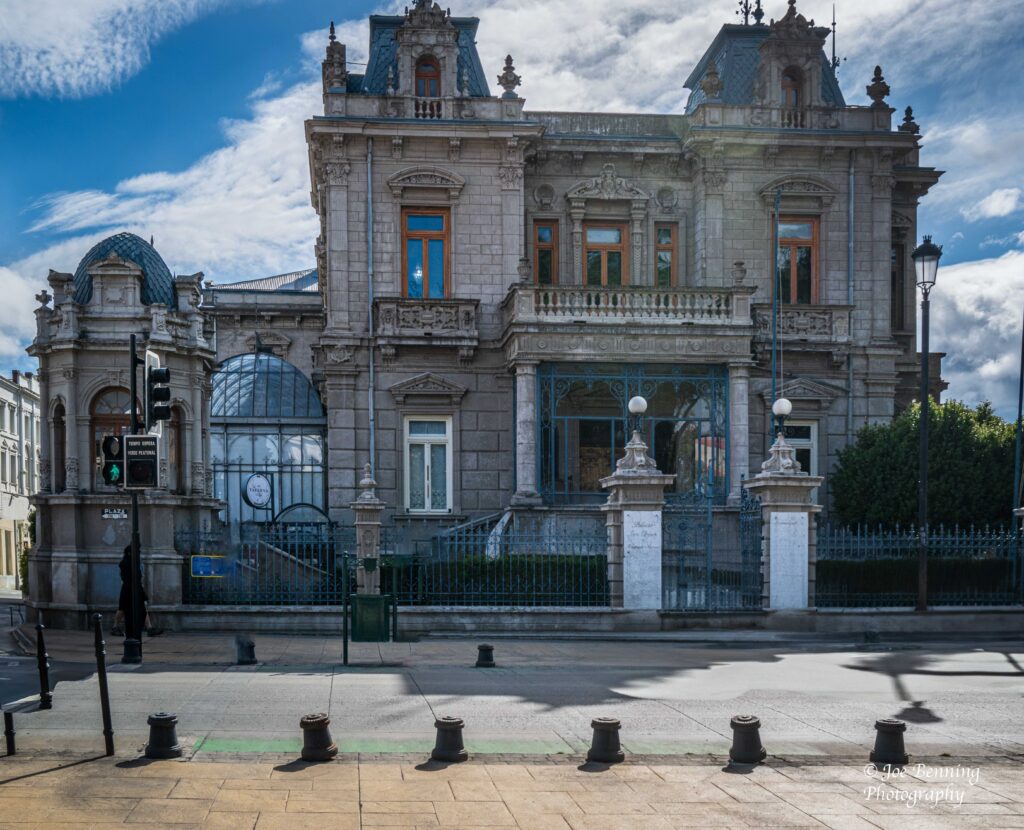
While we were in Punta Arenas we visited an outdoor museum of equipment from a sheep farm, which was big business back in the late 1800s and early 1900s. Sara Braun and the Menedez family helped put Punta Arenas on the (European) map with their business acumen with respect to sheep farming. Then there was the discovery of gold and a gold rush was on. 

Outdoor Museum of Farm Equipment from the estates of the Menendez and Sara Braun families
Palace of Sara Braun in Punta Arenas.

While Sara Braun & Co. were instrumental in the creation of Punta Arenas thriving economy, later scholarship uncovered their role in the genocide of the indigenous  Selk’nam people.  

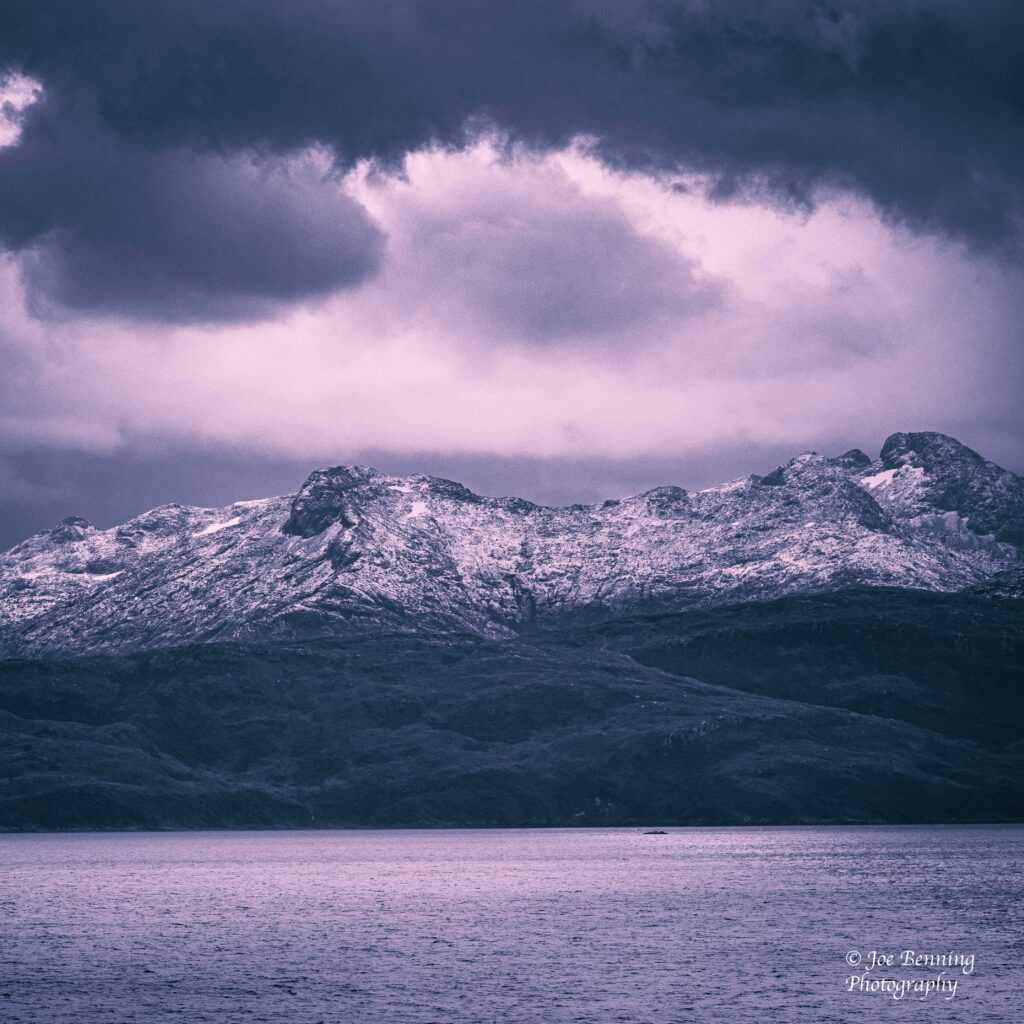
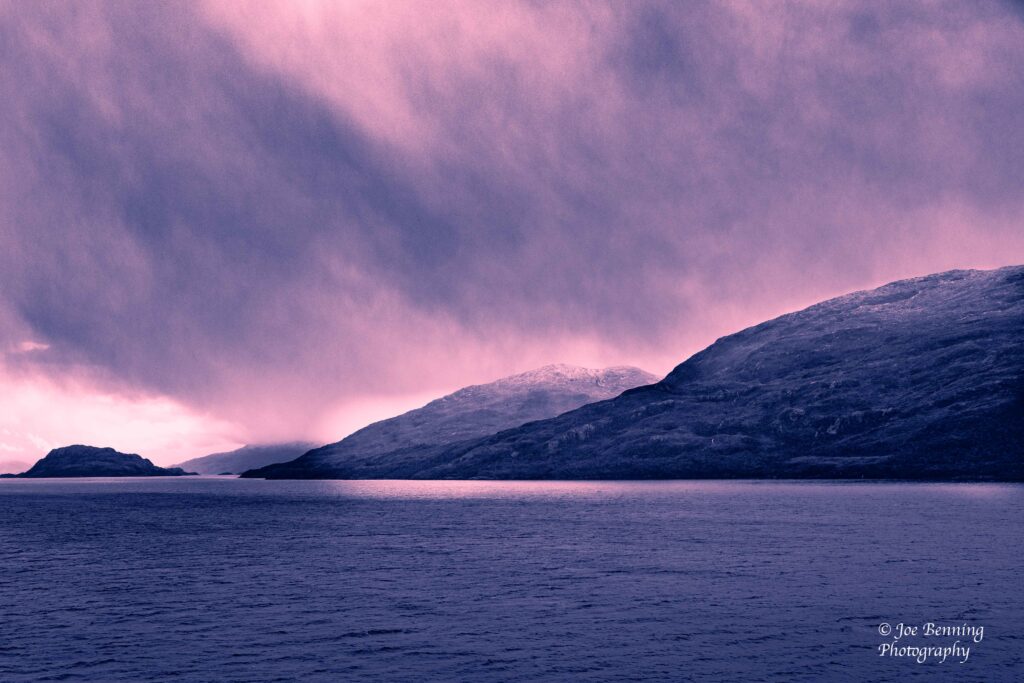
Snow Capped Mountains after leaving Punta Arenas

Anyway, we are on our way through various straits (including the Magellan strait) to Argentina where  Ushuaia is the first stop. Shortly afterward we are scheduled to stop in the Falkland Islands, although that appears to be dependent on weather conditions. 

We’ll check in when we get there. 

Joe Benning & Mary Anne McDonald
Read More
Joe Benning
The Patagonian Ice Fields

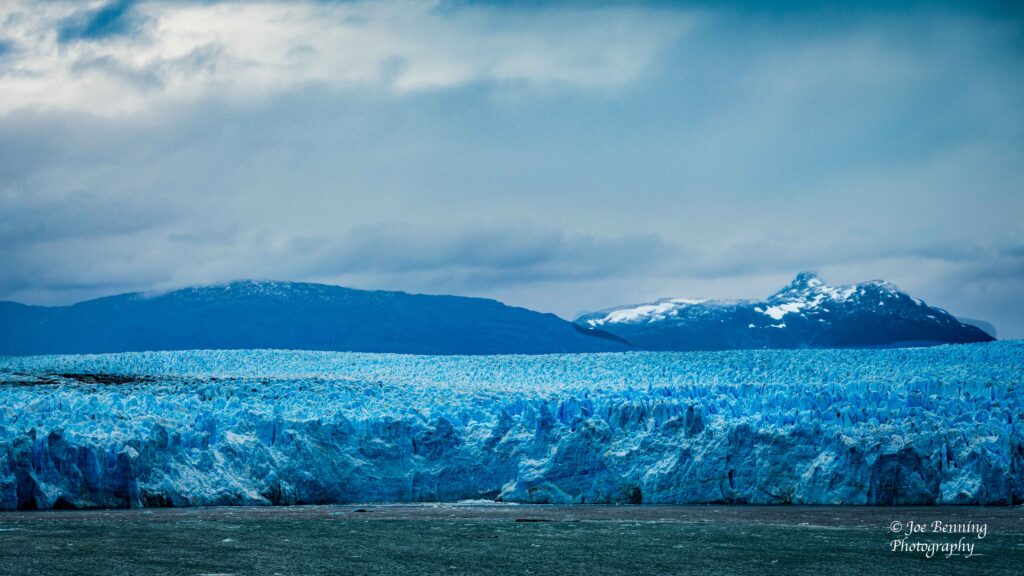
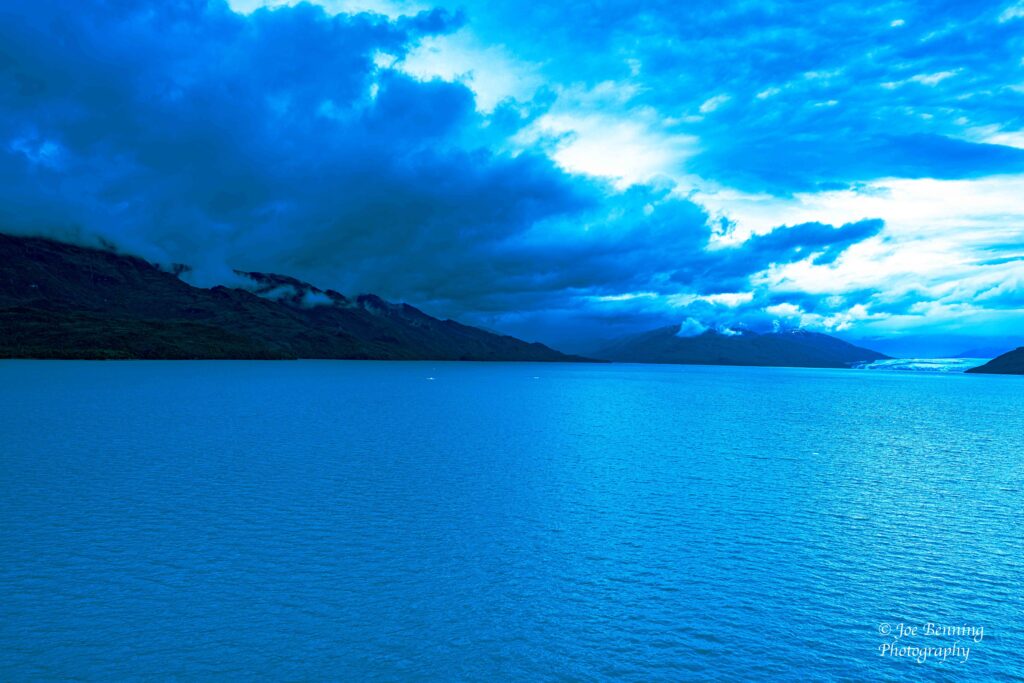
The Pio XI Glacier, also known as the Brüggen Glacier, excluding the Antarctic, is the largest but not the only glacier in South America. It spans over 60 kilometers (or 37 miles). An exact count of the number of glaciers is hard to come by–but they are concentrated around the border of Chile and Argentina. The estimated number of glaciers there is around 4,000.

The Pio XI Glacier

Depending on whom you ask, the Pio XI Glacier was named after the Pope by Spanish explorers shortly before WW1. Others insist it is the Brüggen Glacier, named after the German explorer. Either way, it’s the same glacier.

Pio Xi Glacier in the Distance

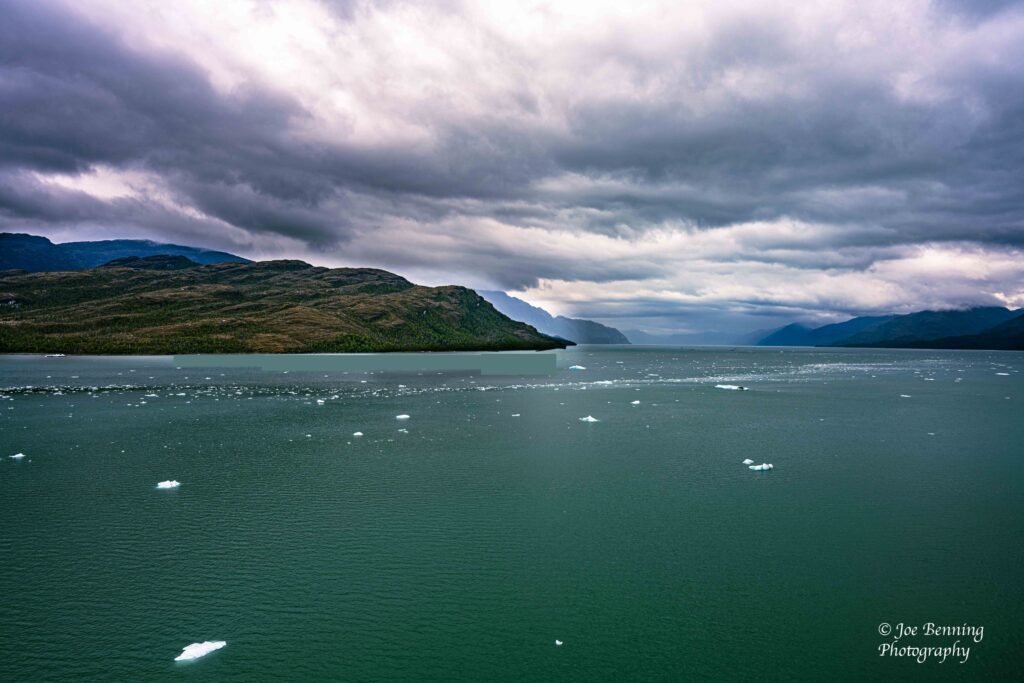
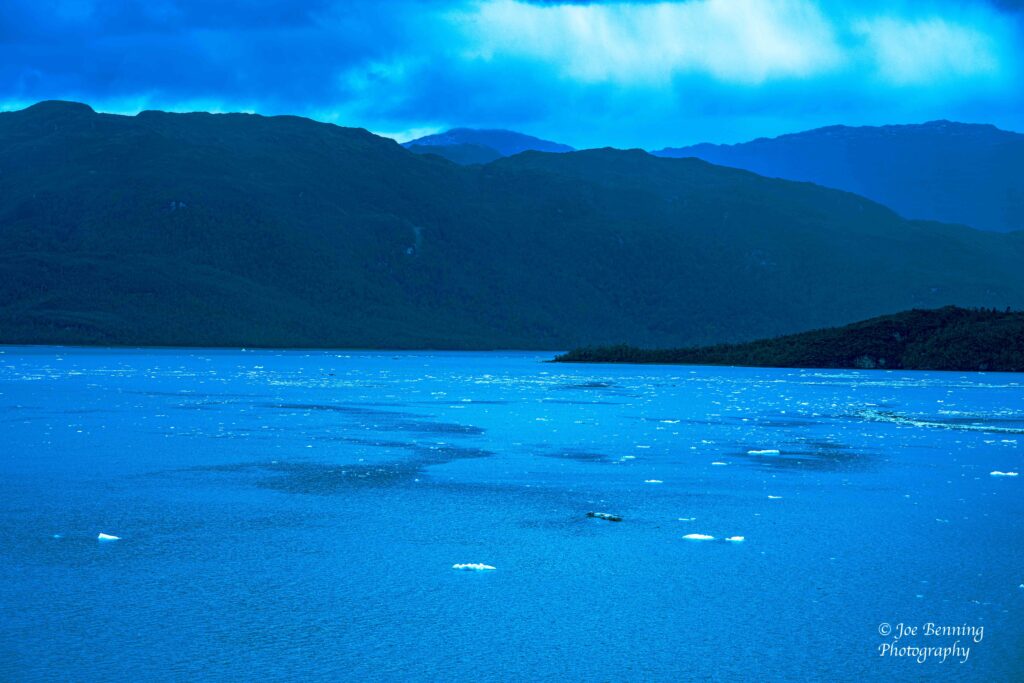
We sailed through some fjords in Patagonia so we could see it. Needless to say, Crystal being Crystal, there was a lecturer on board with a PhD in oceanography. The lecturer (Ed Sobey) explained how glaciers are formed, the different types of glaciers and interesting facts about the particular glacier we saw. Altogether a fascinating event. 

Fjord with Ice Chunks from the Pio XI Glacier
Fjord with Ice Chunks from the Glacier

We are due to dock in Punta Arenas tomorrow, which will be our last stop in Chile. Then it is on to Argentina. 

JFB

Read More
Joe Benning
Puerta Montt and Castro Chile

It has been about a month since we embarked on the ship and the time is flying by. And soon we will be seeing the last of Chile. Over the last few days we visited both Puerto Montt, Chile and Castro, Chile.   The last place we plan on visiting in Chile  will be Punta Arenas and then it is on to Argentina.

Harbor at the island of Castro Chile

On the 5th of February we went to Puerto Montt which is a gateway to the Andes mountains and the Patagonian fjords. It turns out that substantial numbers of German immigrants settled there several hundred years ago.  So among other things we got to visit a (relentlessly) cute Alpine village (named Frutillar) which the town maintained in the traditional style. 

Coastline by Puerto Montt

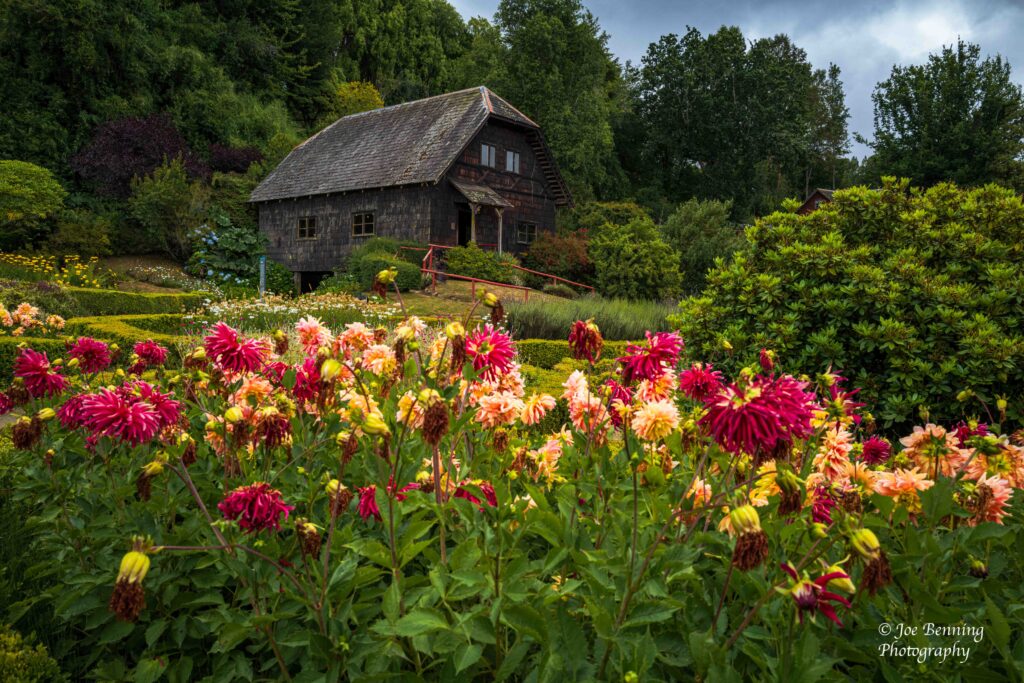
Among other things, it featured Germanic restaurants and a German museum complex with several buildings, exhibits and  gardens. 

German Museum Grounds in Puerto Montt

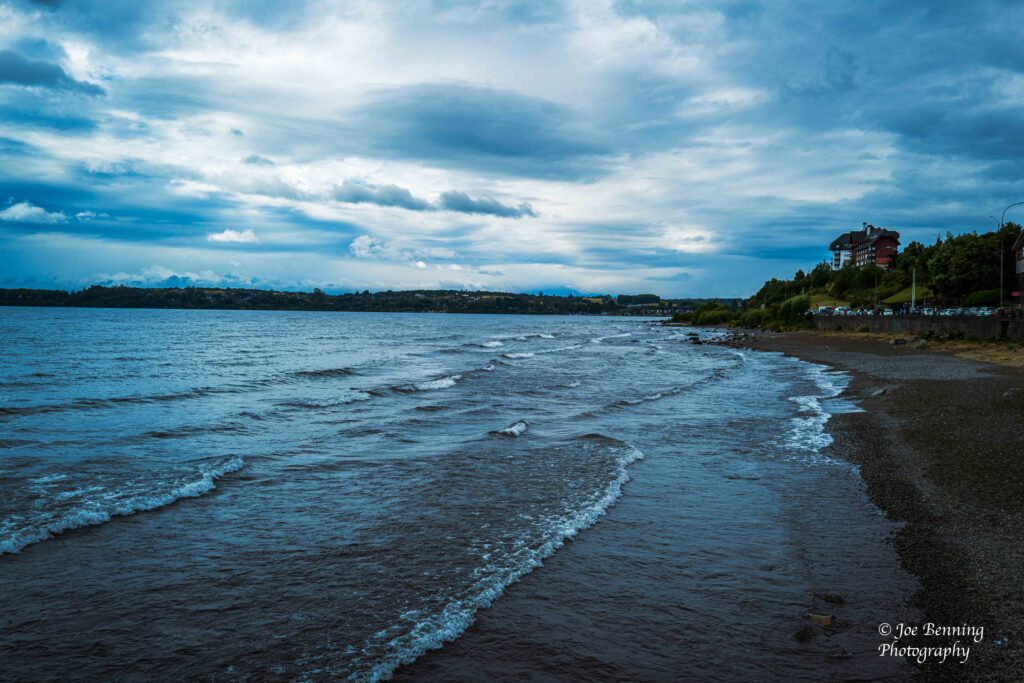
After spending some time in and around the museum grounds we then made our way to Puerto Varas, which as it turned out was a resort area that had rental cabins, big name hotels and beachfront properties.  In other words it was a big vacation spot, in spite of the fact that it rains there—a lot. Nevertheless the lake district was definitely worth a look. 

Coastline at Puerto Montt

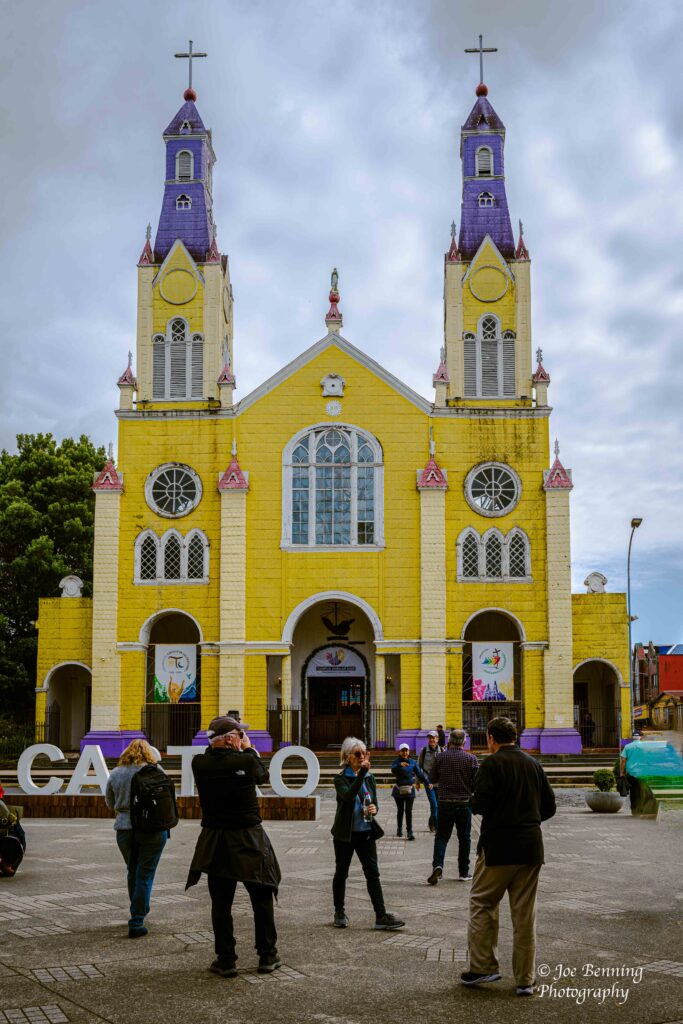
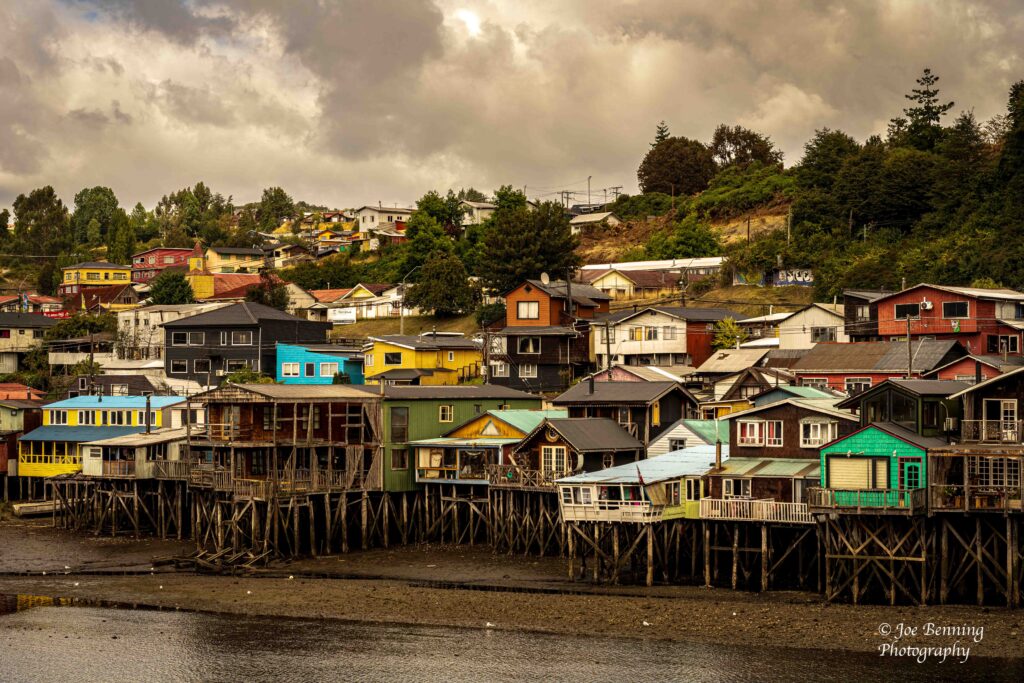
The next day it was off to do a walking tour of Castro Chile. The town is famous for it colorful houses and for its houses built on stilts—to shield the houses from high tide. It is also famous for its plethora of churches made with wood, of which Iglesia de San Francisco (which we visited) was one.

Iglesia de San Francisco, Castro
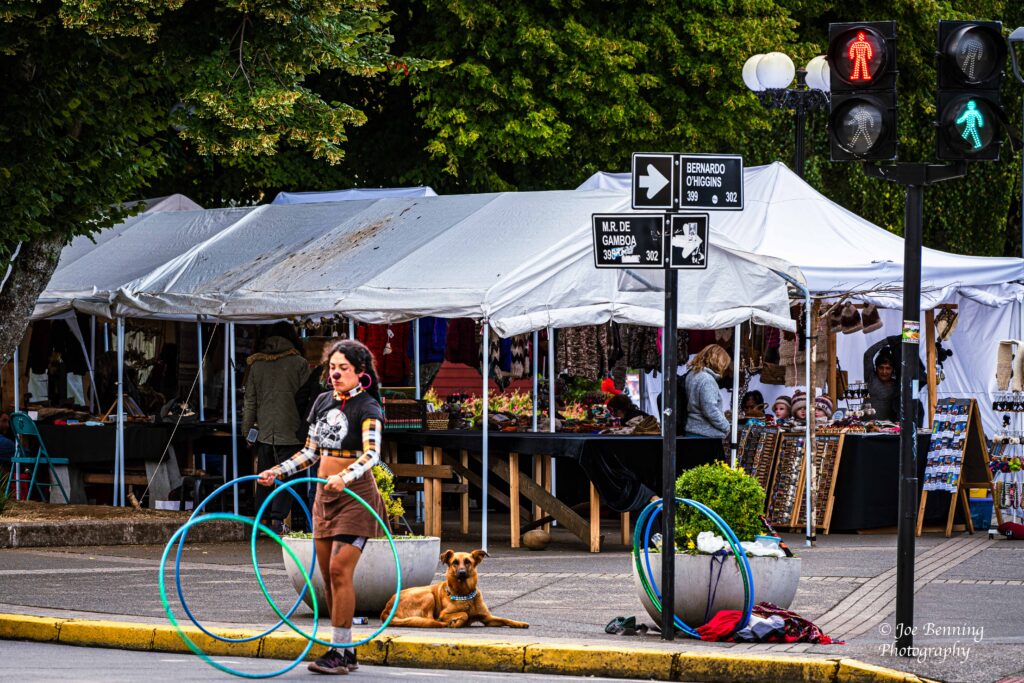
Street Performer in Castro Chile

I should also mention that the church was aptly named inasmuch as the city, like San Francisco California, was extremely hilly. So the walking tour turned out to be quite a hike. 

Famous Houses on Stilts

That said we will wind up in Punta Arenas on Monday, and then we take off for Ushuaia, Argentina where  we expect to land on Wednesday. 

JFB

Read More
Joe Benning
Coquimbo and Valparaiso, Chile

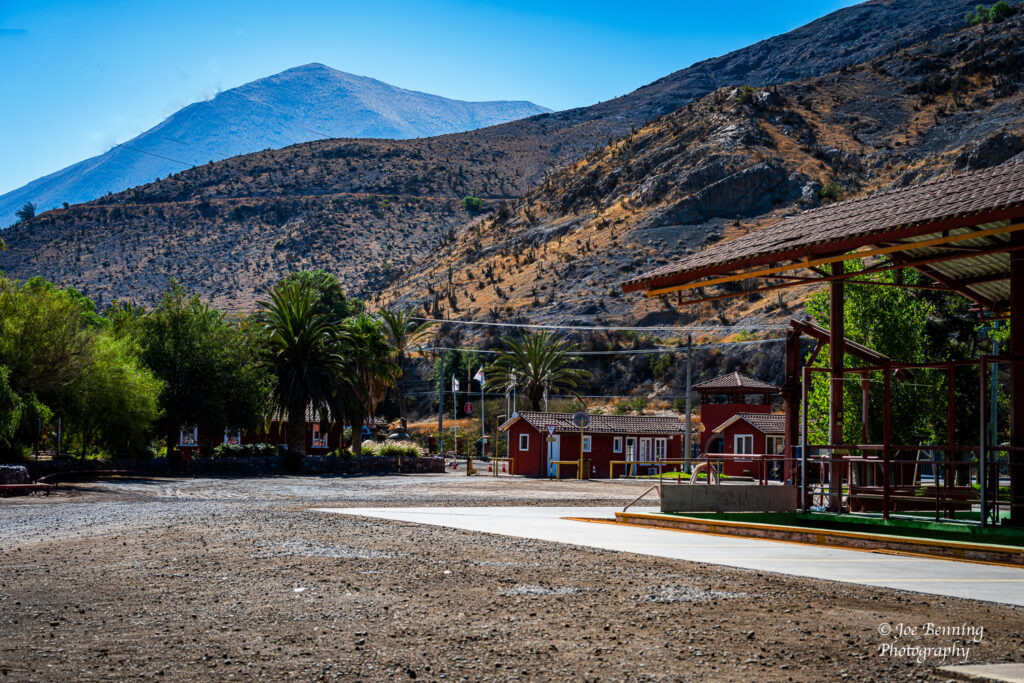
On Saturday we arrived in Coquimbo, Chile. We had a great tour to the Elqui Valley (pretty much due west from the coast).  Chile is a very long, skinny country, and in about 90 minutes our drive brought us to the foothills of the Andes, very close to the border with Argentina.  

Photo of the Foothills of the Andes

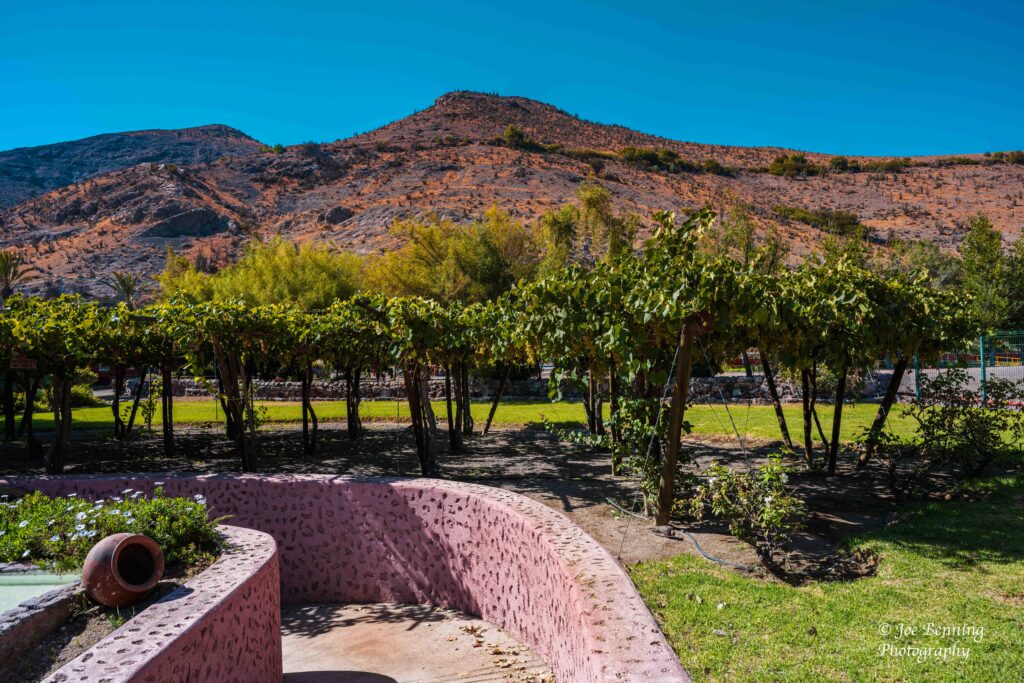
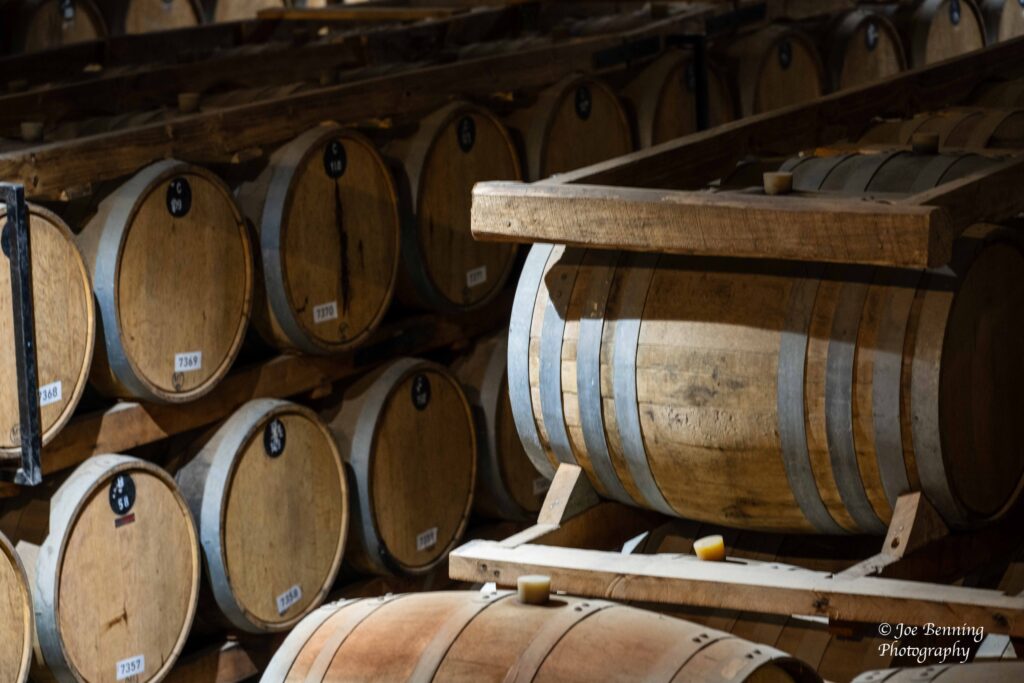
Grapes for pisco alcohol are grown in this area, and we toured a very pretty pisco vineyard and distillery (by the way, both Chile and Peru claim ownership of the famous Pisco Sour drink, which is a delicious, tart treat).   

Barrels of Pisco
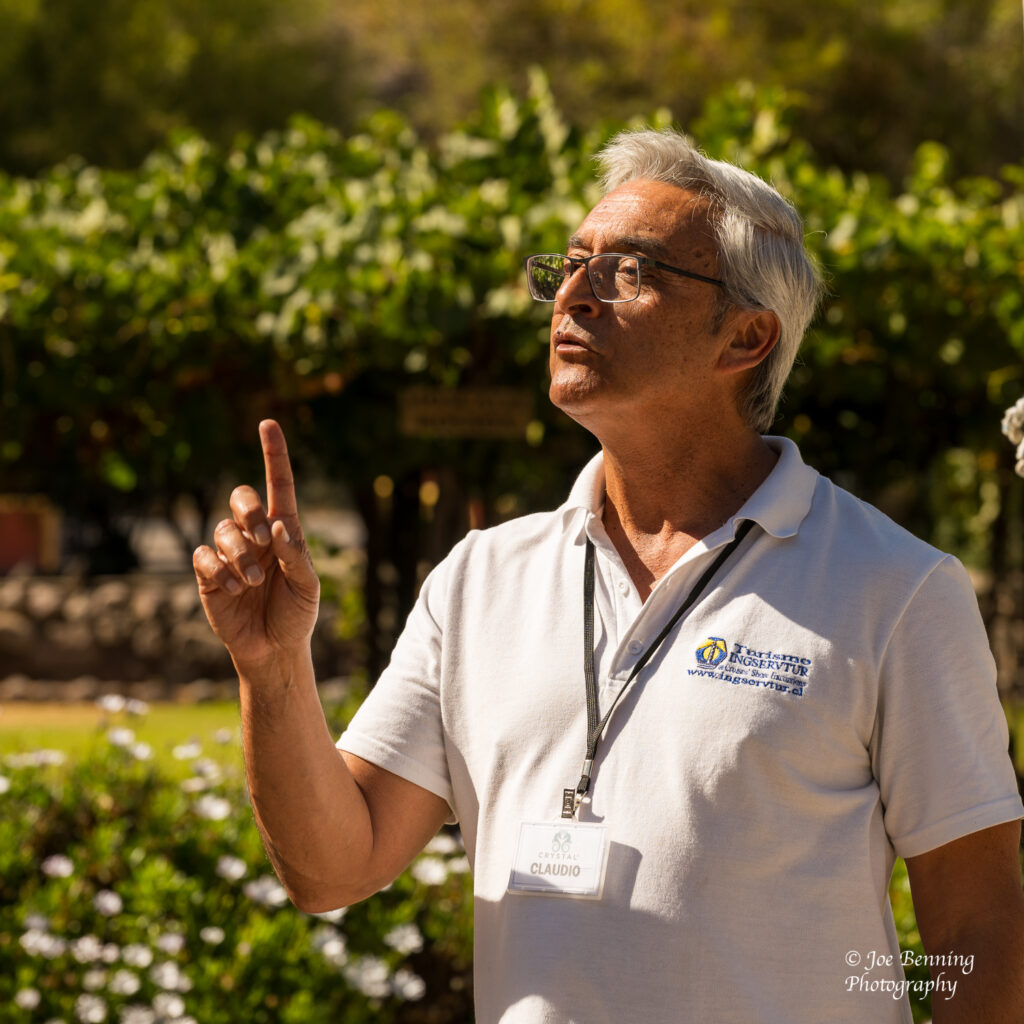
A guide in the Elqui Valley addresses toruists

Along the way to the Elqui Valley we passed some pretty beach towns, and many parks and places named Mistral, for the beloved Chilean poet Gabriela Mistral, a school teacher who received the first Nobel Prize in Literature awarded to a Latin-American writer (not the first female winner, but the first winner of either gender).  

Gabriela Mistral was an influence on Pablo Neruda, perhaps Chile’s greatest poet and one of MA’s favorites.  (Having read a lot of Mistral’s and Neruda’s works while studying Spanish, MA was happy about this, and Joe’s ears almost fell off listening to her talk about Neruda’s odes and works, including Poema XX, one of the saddest poems ever written.) 

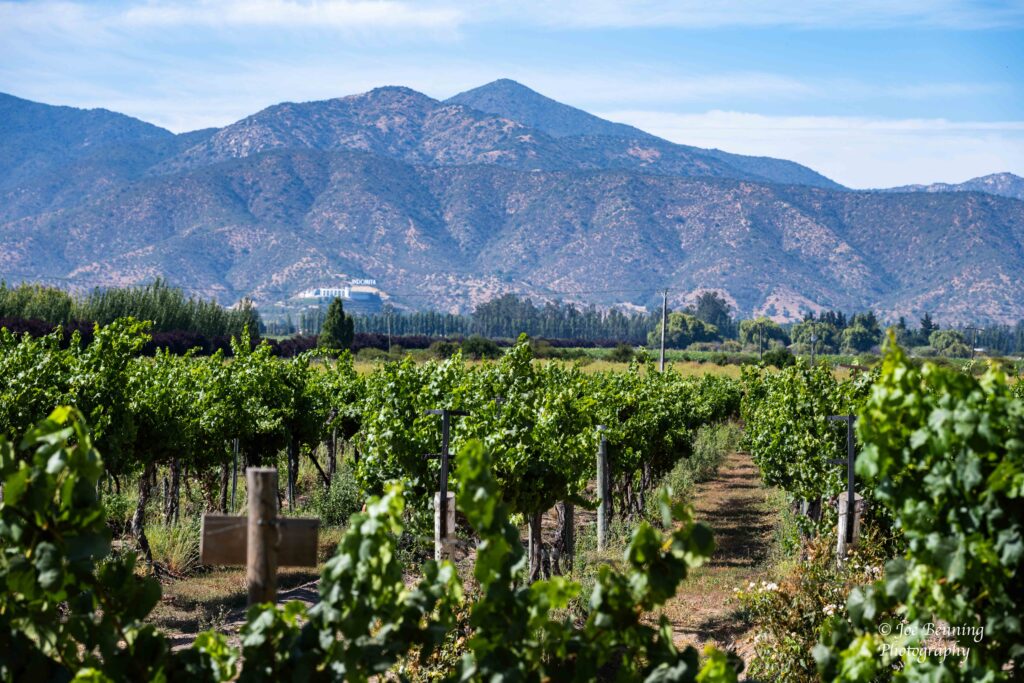
We visited the Casablanca Valley in Chile on Sunday – this is a beautiful valley between the eastern and western ranges of the Andes.   Although Chile has been producing great wines for many years,  wine-making in this region is only about 25 years old.   It was thought by many that the soil and growing conditions in this area were not suitable for wine production.  

Photo taken at the foothills of the Andes mountains

Then along came William Cole, an American who reasoned that the Casablanca Valley and Temeculah Valley in California are approximately equidistant from the equator and share many characteristics.  He started a vineyard in the Casablanca Valley, invested several years of work growing the grapes, and now there are about 25 vineyards in the area, many of which rely on Cole for bottling and other capital-intensive aspects of wine production.  

Casablanca Vineyard
A Casablanca Vineyard at the Foothills of the Andes Mountains

The drive from Valparaiso port to Casablanca Valley was not long (about 50 km) and brought us from the big, colorful, hilly city through lush green hills, with small towns along the way.   

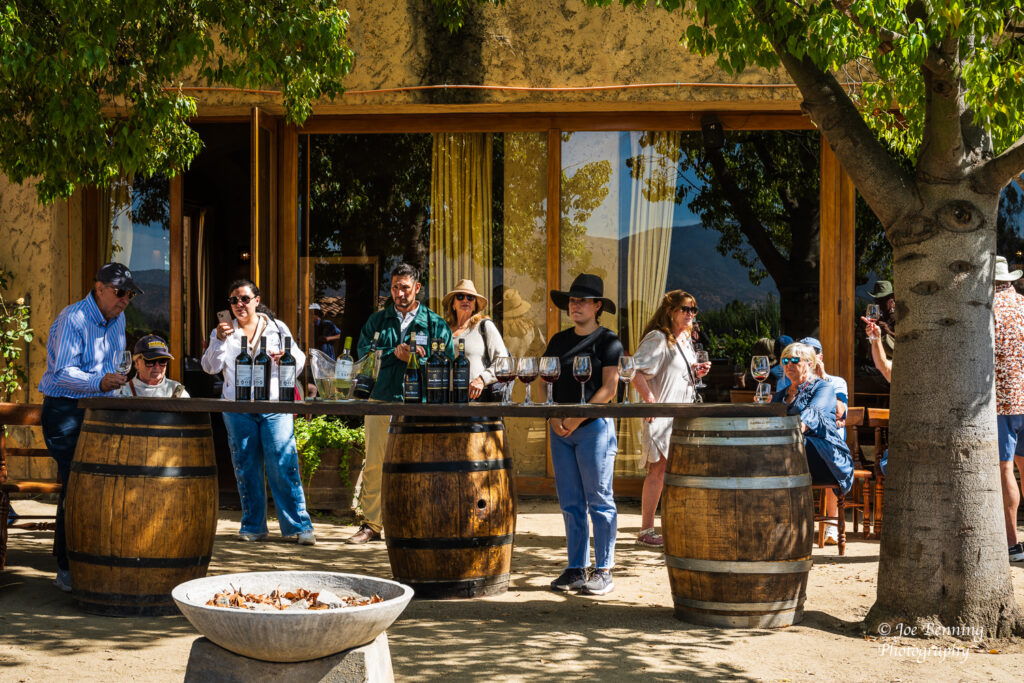
A Wine Tasting
Photo of a wine tasting at the Casablanca vineyard

For a skinny country, a drive from the coast inland brings many changes in terrain and scenery.  We are excited to continue southward for more experiences in Chile (and maybe another Pisco sour).  

Also of note: The Chilean Navy is doing some training exercises in the Valparaiso harbor–right near our ship!

Chilean Navy Ships in Valparaiso Harbor

JB and MA

Read More
Joe Benning
Iquiqui and Antofagasta

After leaving Peru we are heading down the west coast of Chile, headed for Coquimbo and then Santiago. On the way we  stopped off in the relatively minor port cities of Iquiqui and Antofagasta in Chile. 

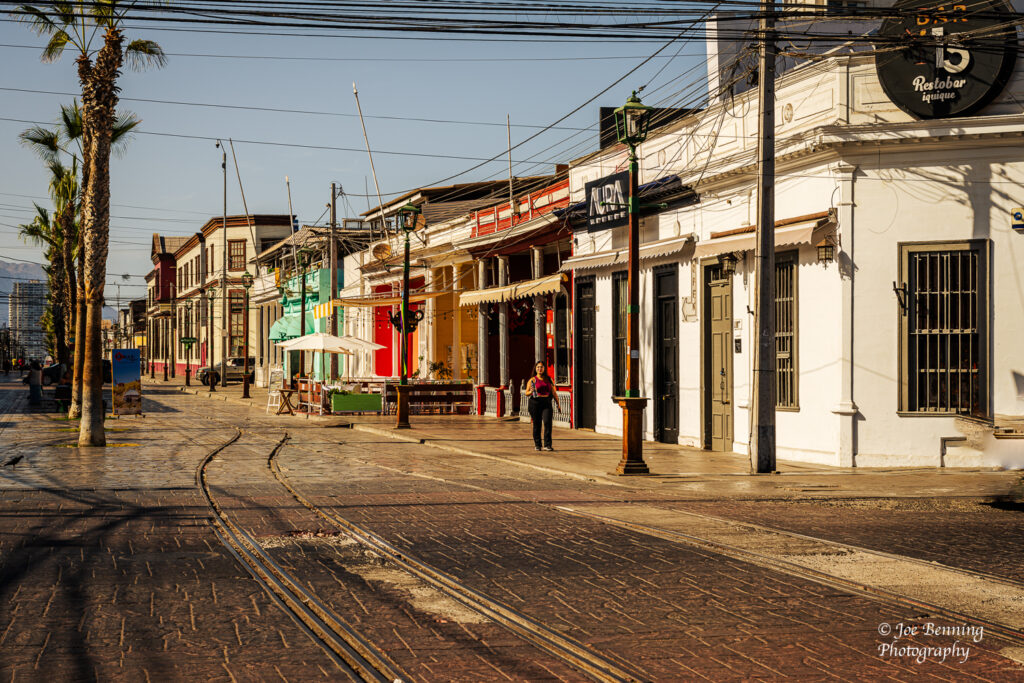
Gritty Street Scene in Iquiqui

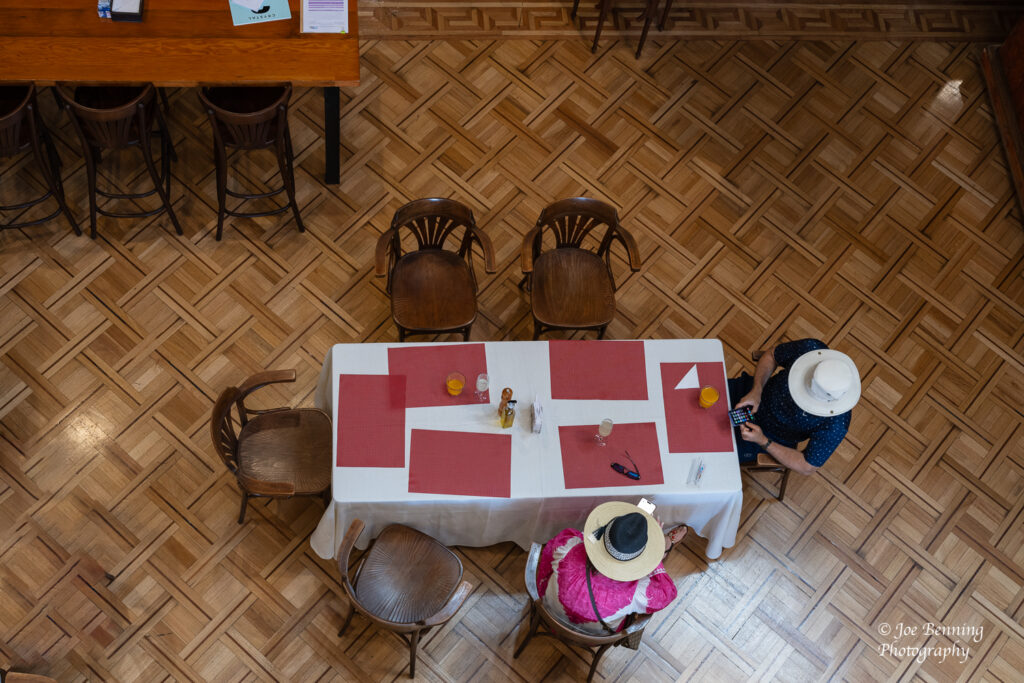
Nevertheless, these port cities were kind of interesting. Iquiqui had some fairly gritty sections as well as parts that were well developed. No surprise there. But who knew that we would bump into a Croation Social Club? It turns out—at least according to the guide—that Croatia turned out a lot of mercenaries who also fought alongside the Chilean Army. So they decided to form a social club, where they could hang out with their buddies. 

Lunch

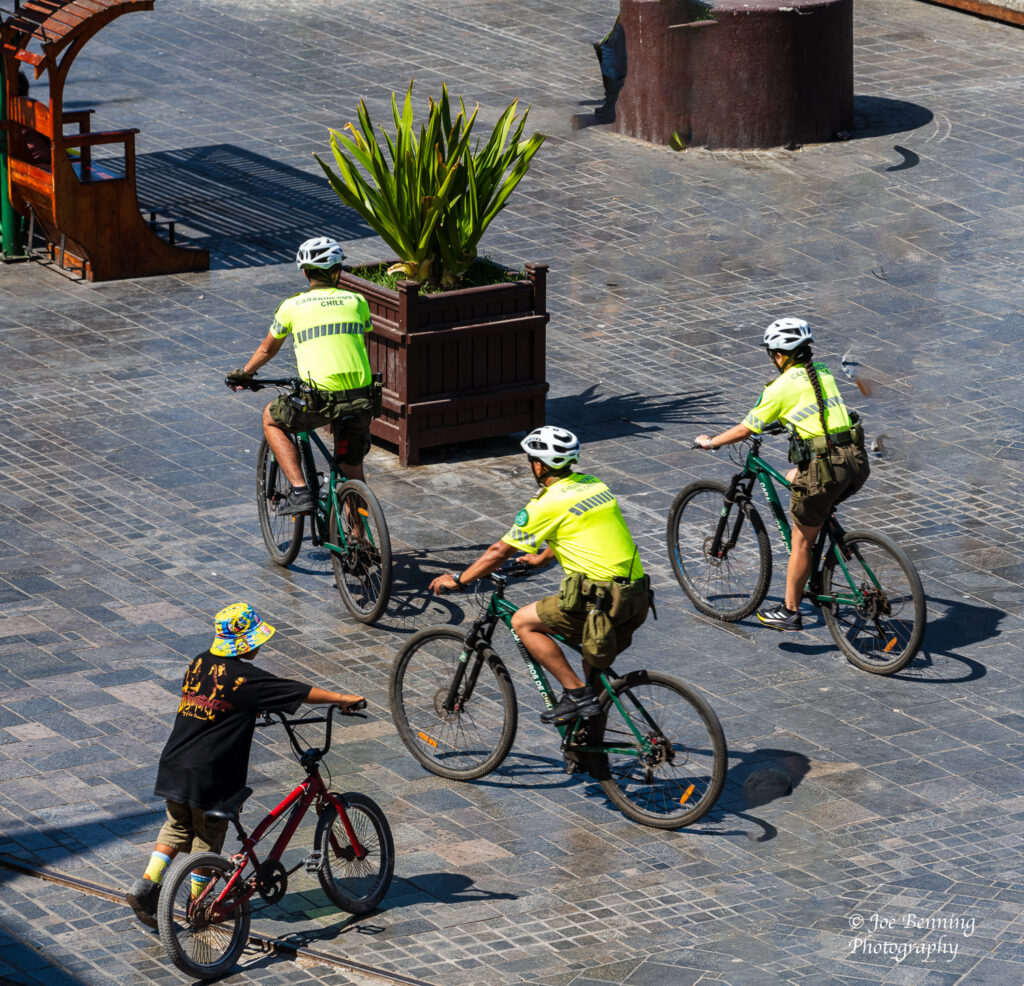
The club is still thriving club. When we visited it we were greeted with the quasi-mandatory pisco sours, which are like whiskey sours. Outside the club is the main square where tourists roam around and where cops ride around on bicycles. 

Caribeneroson Bikes in the Town Square

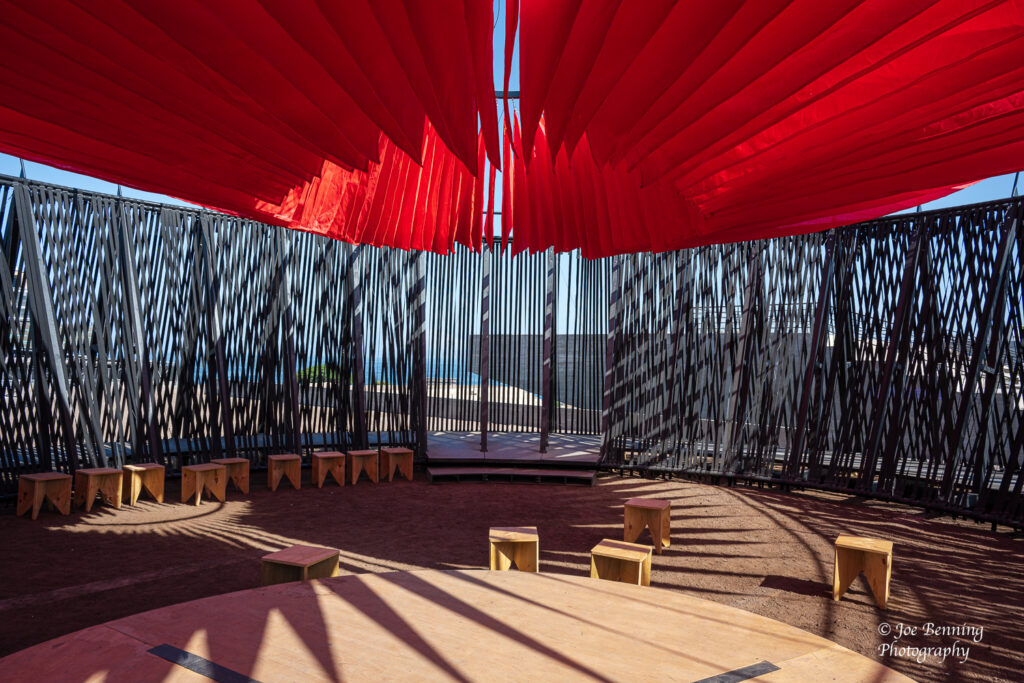
The next day we visited Antofagasta, Chile which used to be a mining town where nitrates were extracted from the mines. The agenda included a trip a mine site, a museum and a (modern) outdoor theatre in the desert, where the guide shared his thoughts on how the mine workers were treated.

Theatre in the Autofagasta Desert

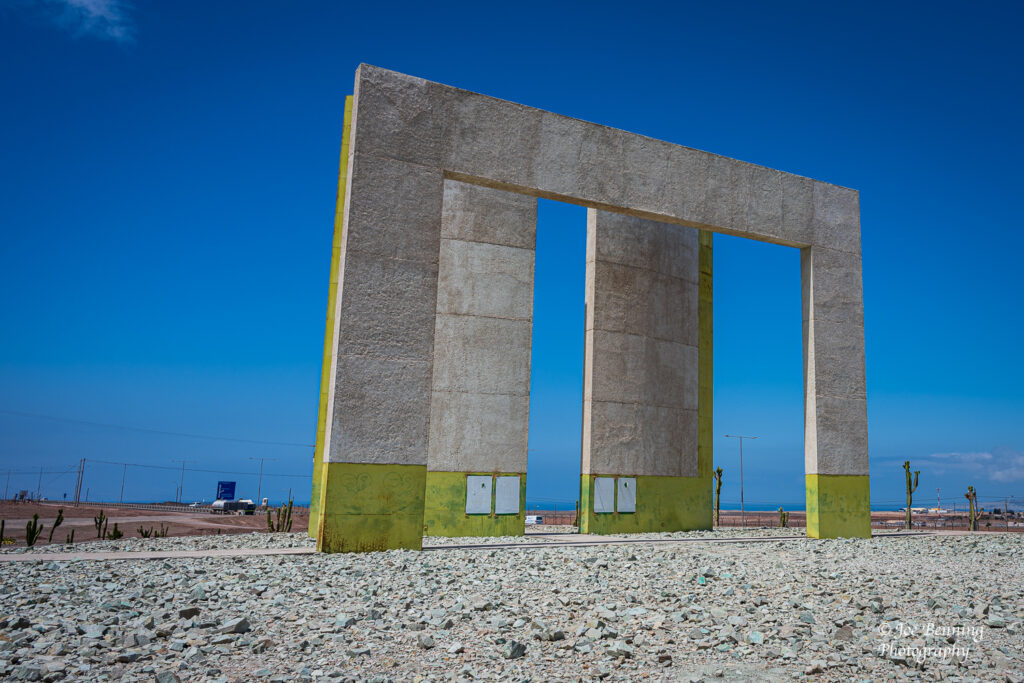
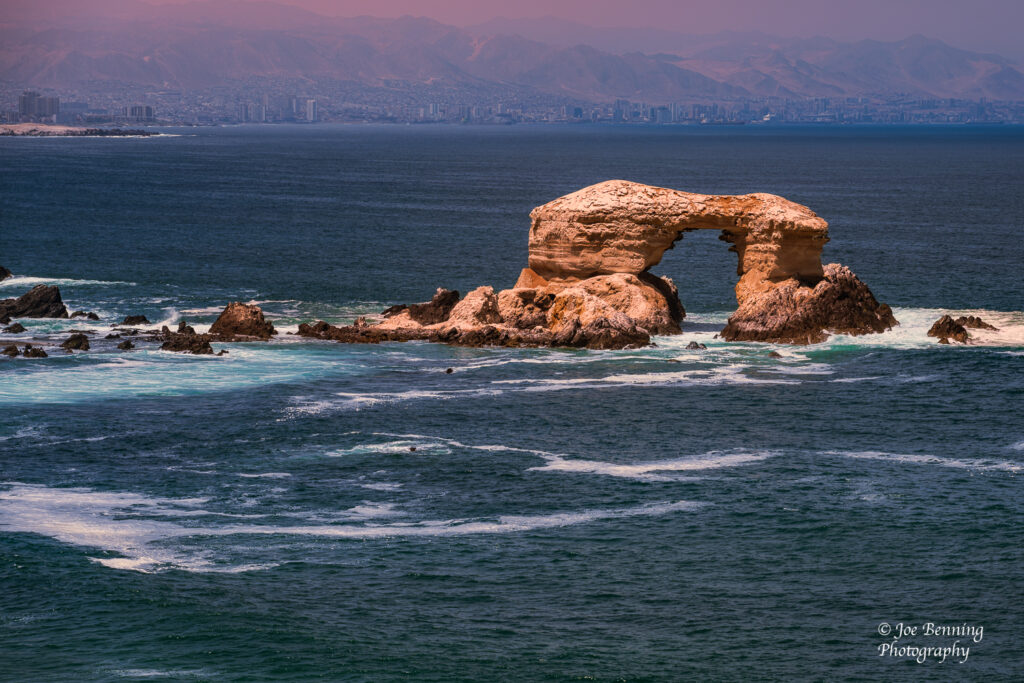
Then we were off to view La Portada, an arch in the Pacific ocean that is a big local attraction. Finally we stopped at a monument to the Tropic of Capricorn where we were offered (what else?) Pisco sours. 

La Portada arch at Autofagasta Beach
Marking the Tropic of Capricorn

Today is a Sea Day; tomorrow we dock at Coquimbo for a tour, and then we are off to Valparaiso, the port city that is near Santiago. Until then, Buenas Noches…

JFB

Read More
Joe Benning
In Peru

It is hard to believe that we have been on our voyage for 3 weeks already – the time is flying by.  We have had excellent presentations about the history, economics, politics and prospects of the places we have visited – in addition to specialized discussions concerning the Aztec civilization in Mexico, the Mayans in Central America and the Incas in Peru in Chile.   

Port Callao in Peru

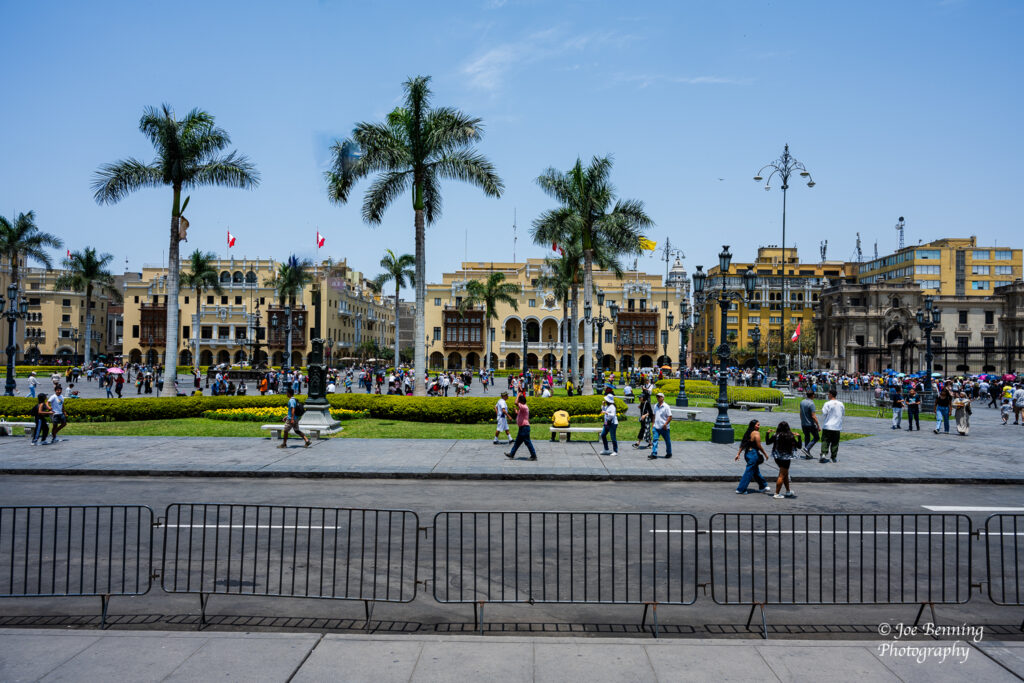
We just spent several days in Peru, viewing the old colonial- era squares and the modern neighborhoods (you can find the ruins of over 300 Incan pyramids in Lima, some of which are right in the middle of these busy neighborhoods). 

Main Square in Lima

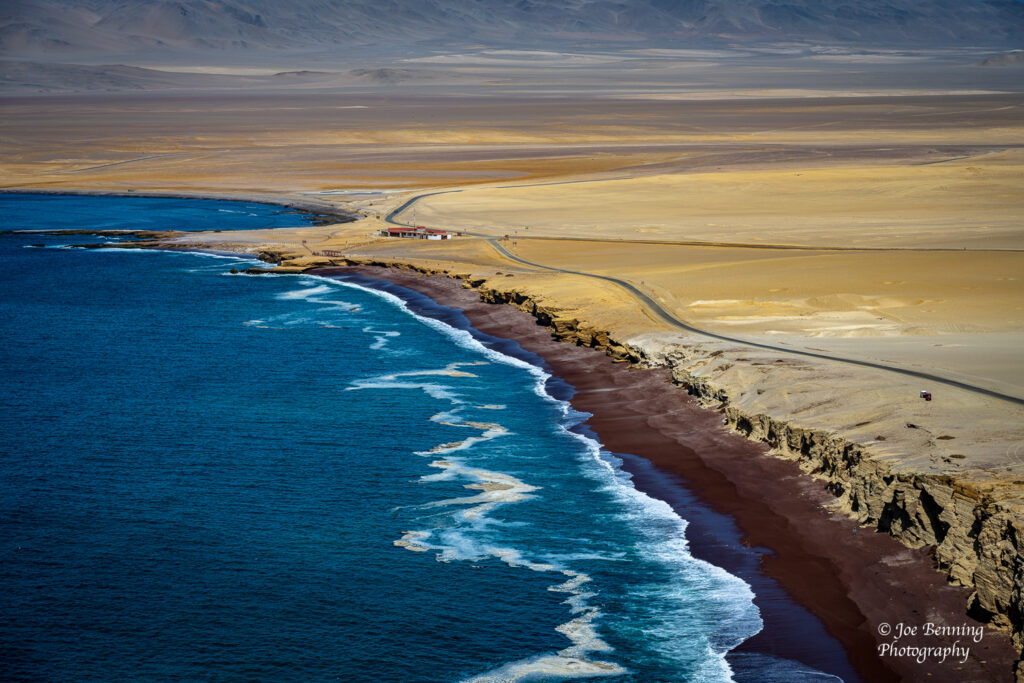
Yesterday we visited the peninsula of Paracus, just outside Peru.  We saw some of the thousands of acres which comprise the Paracus Natural Reserve – an ancient desert that was part of the floor of the Pacific Ocean before the rise of the Andes mountains.  This desert sits between the Ocean and the Andes – and the ocean mist that rolls across the land is blocked by the Andes Mountains, so Peru gets virtually no rain.  Hence, a desert and lots of well-preserved pyramids.  In the Paracas Natural Reserve you can see red sand (high iron content) and fossils of snails and other shellfish that lived in the Pacific Ocean ages ago.  

Paracus Natural Reserve
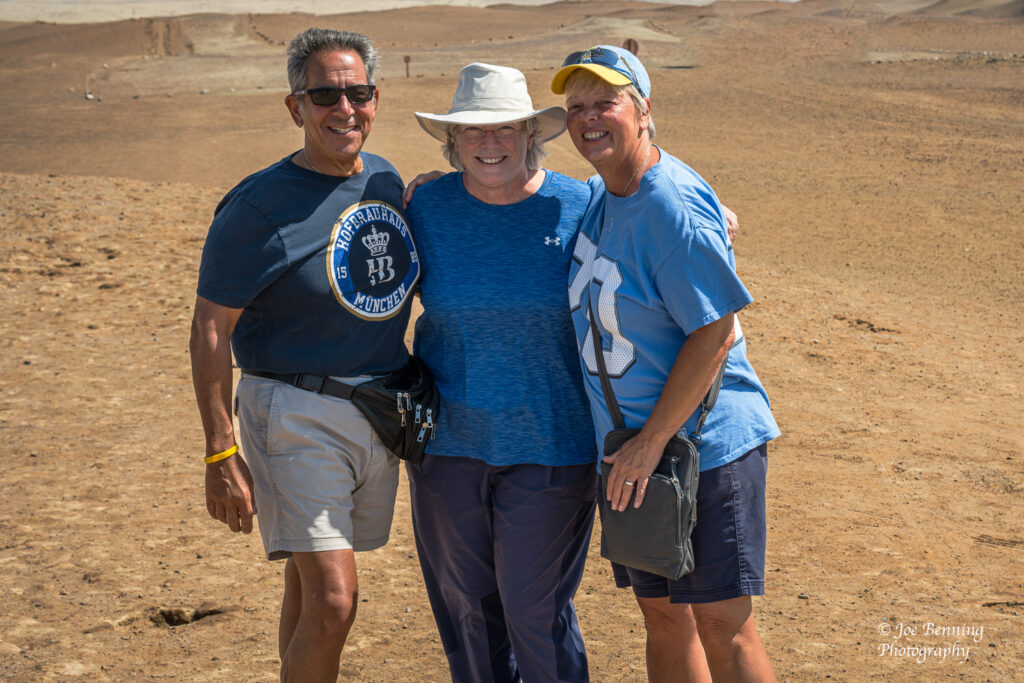
Ross, Mary Anne and Carol in Paracas Natural Reserve
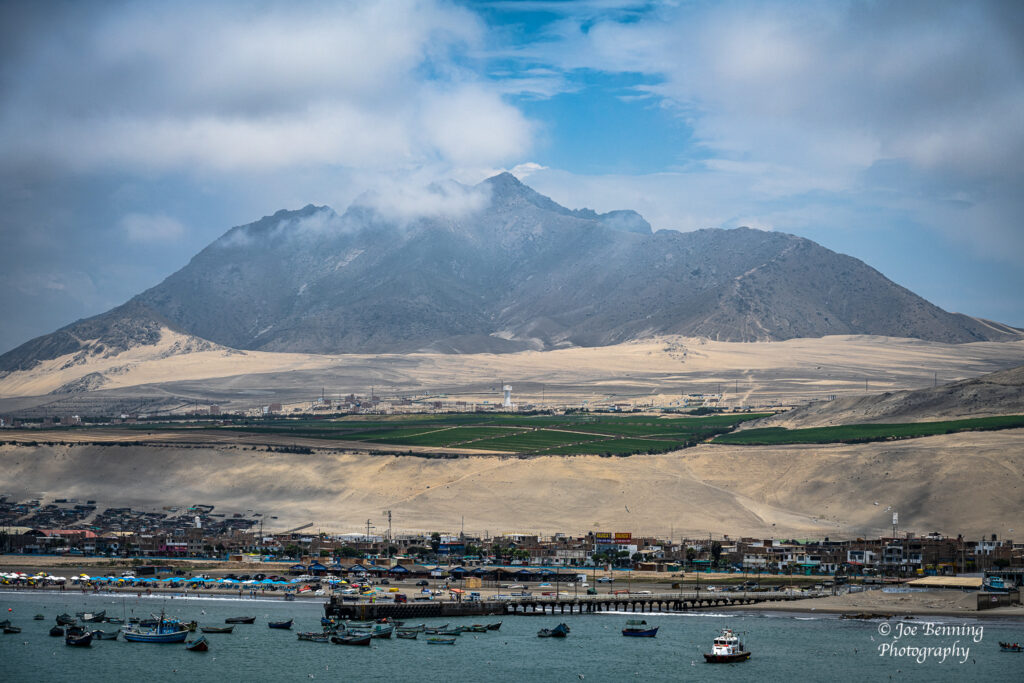
Peruvian cuisine has received global recognition in recent years, for good reason.  The Chinese and Japanese who arrived as workers in Peru and Chile in prior years have greatly influenced the food in this part of the world, especially with respect to fish recipes.  Delicious!  

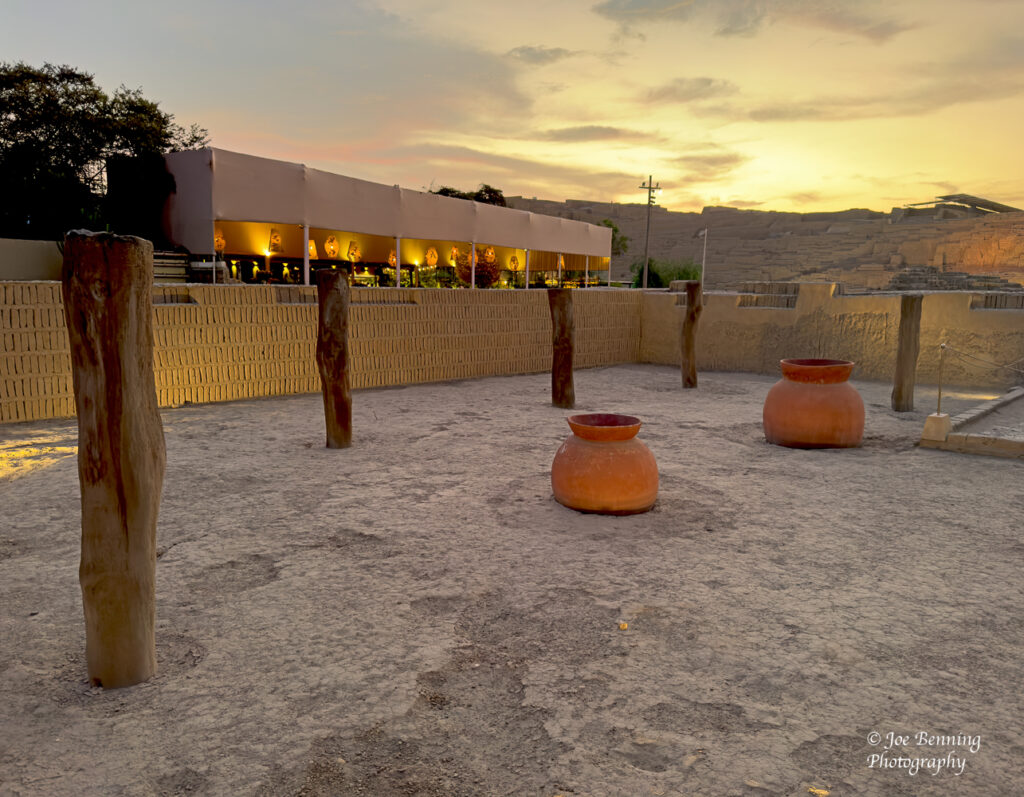
Peruvian Restaurant in the Desert

We will be in Chile tomorrow, where we have several days of exploring planned.   Stay tuned.  

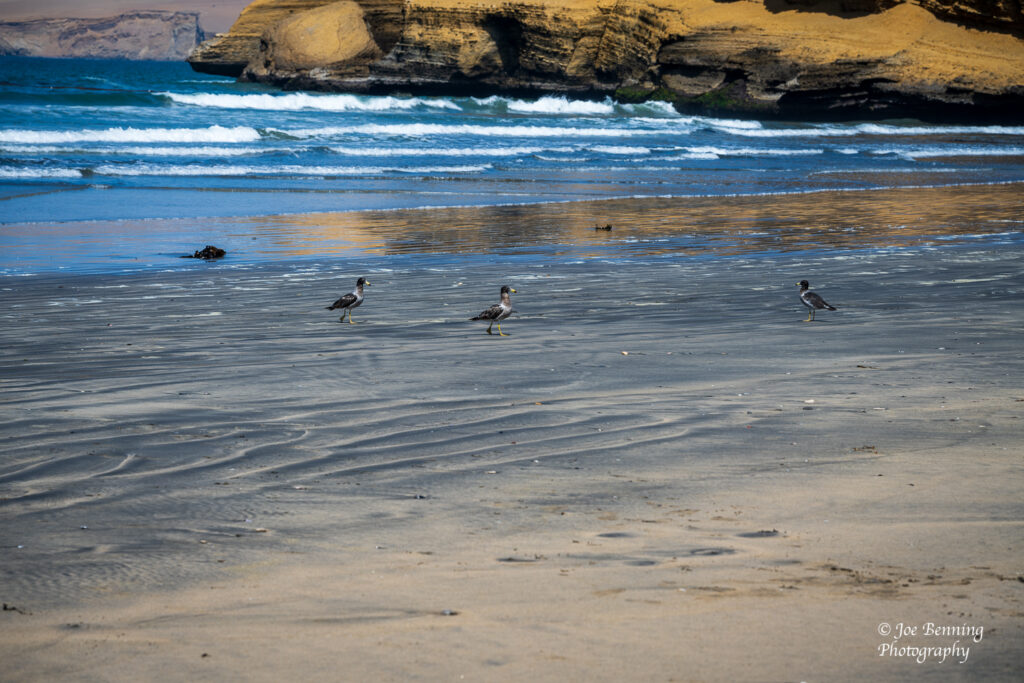
Beach in Paracas National Reserve

Joe and Mary Anne 
Read More
Joe Benning
Manta and Guayaquil Ecuador

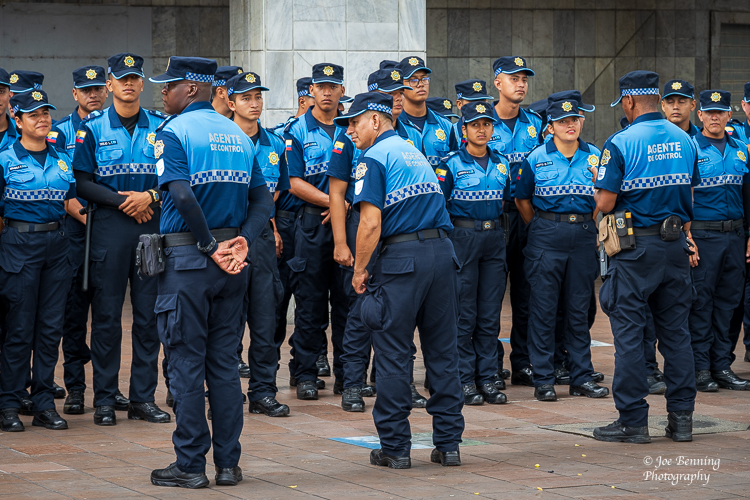
It has been a busy few days. We visited two cities in Ecuador: Manta and Guayaquil. We had been to these cities before, but there was a notable difference. There were police officers everywhere. We actually had a police escort on one of the tours we took. Apparently crime has surged in Guayaquil over the last few years and the government’s response was to put cops on every block—at least where the tourists went. 

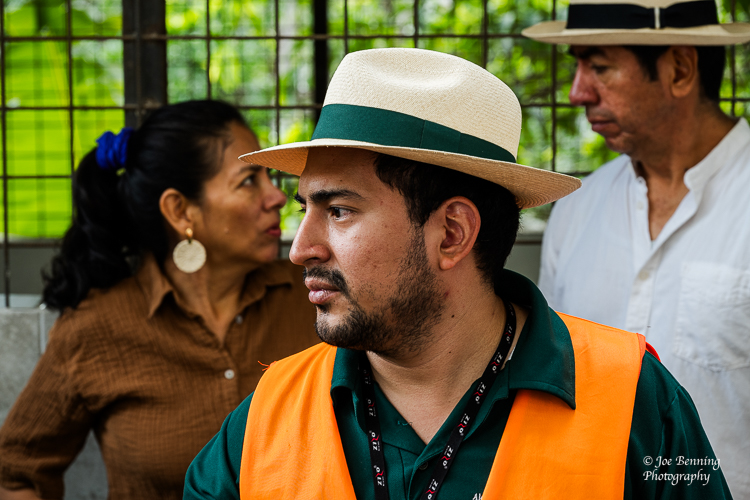
While we were in Manta we visited a Panama Hat factory. Panama hats are actually a native Ecuadorian invention. The story goes that when the US took over construction of the Panama Canal from France, Teddy Roosevelt paid a visit to Panama. And he donned a hat he bought from an Ecuadorian street vendor. So the hats, invented in Ecuador, became known as Panama hats. Needless to say, when we visited an Ecuadorian hat factory, we bought a couple. 

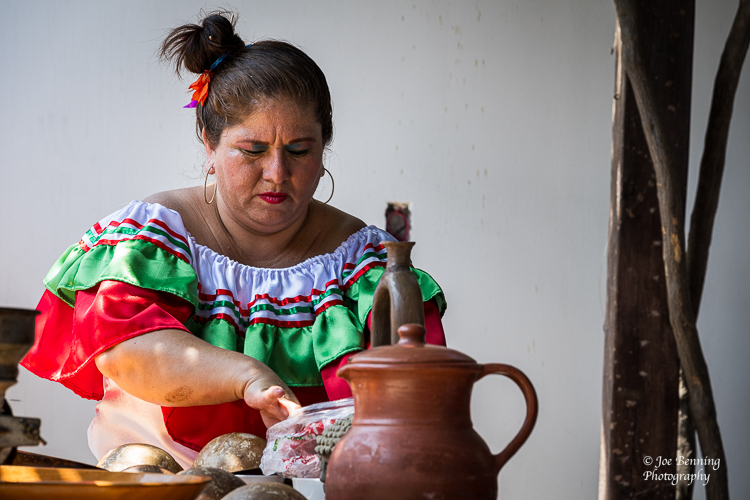
Then we made our way to a chocolate farm (where they grow cacao beans) and a chocolate factory where they made the finished products. One of the workers was wearing a Nestle branded apron though. 

Woman Making a Chocolate Mix in Ecuador
Lunch Break at a Chocolate Farm

After that it was off to the port city Guayaquil. There we took a stroll down the Malecón, a boardwalk of sorts that runs parallel to the Guayas River. According to legend, the city is named after a local leader Guayas and his wife Quil who were symbols of the resistance to the Spanish Conquistadors

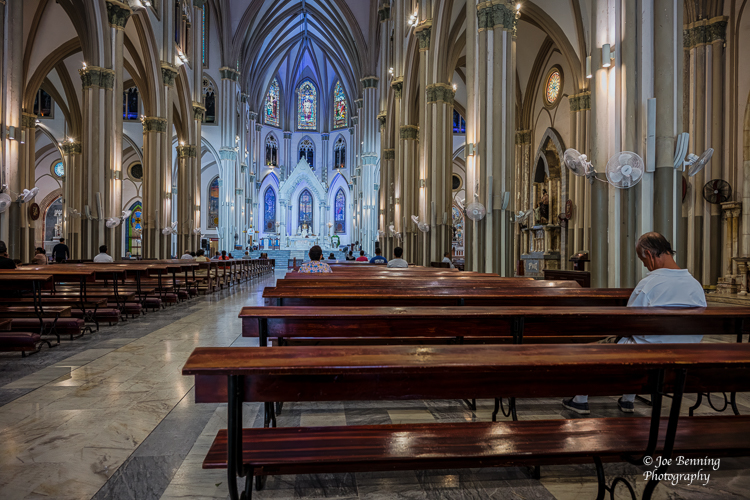
Guayaquil Metropolitan Cathedral
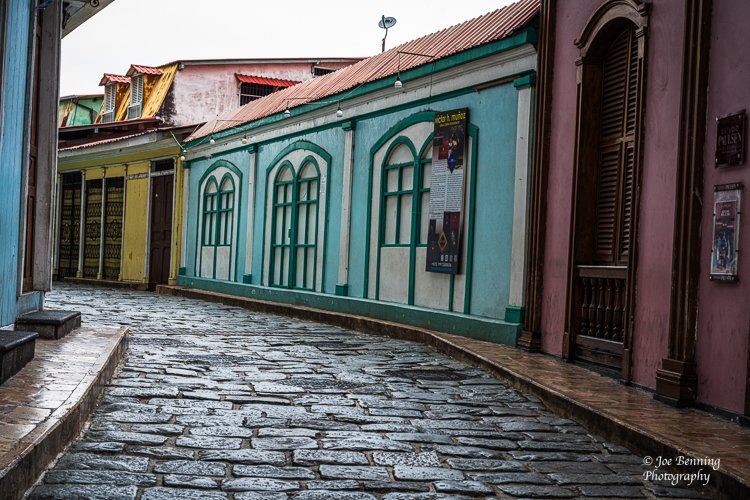
Old Town Guayaquil
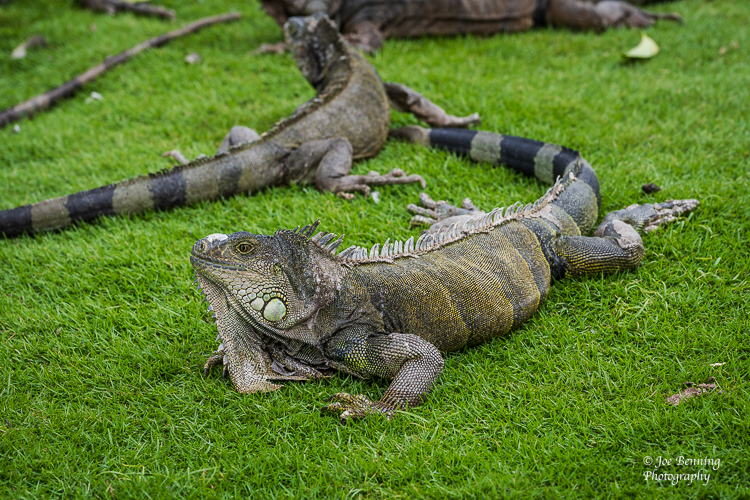
Iguana Park in Guayaquil

We finished up with a visit to the Guayaquil Metropolitan Cathedral and then Iguana Park which is full of Iguanas–in the middle of the city. And now we are on our way to Peru. 

JFB

Read More
Joe Benning
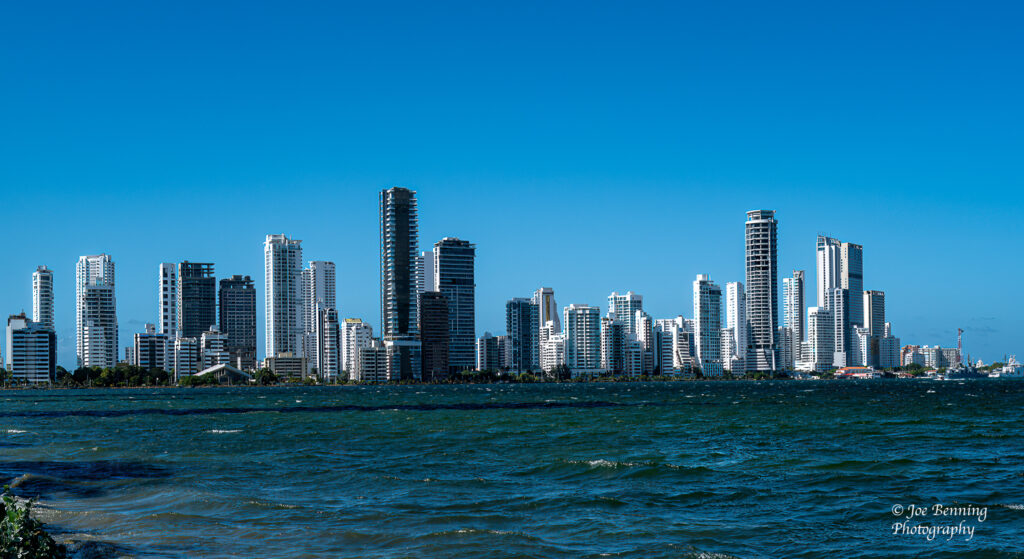
Cartagena, Colombia

It is already January 17, and it has been 10 days since we boarded the Crystal Cruise Serenity cruise ship. Not only is it better than ever, we have been pretty busy.  

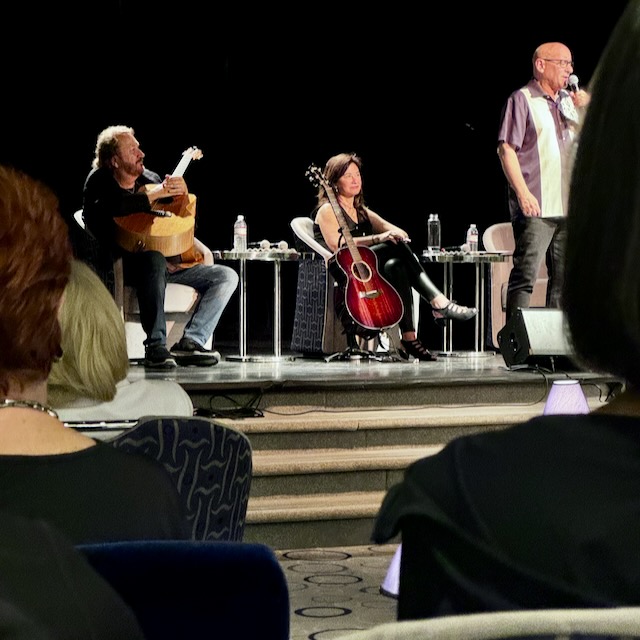
One thing I have to mention is that Crystal put a show onstage with 3 famous songwriters: Allan Dennis Rich, Shelley Peiken and Gary Burr. You may not have heard of them, but you have definitely heard some of their songs. 

Songwriters on Stage

Allan, for instance is a two time Grammy nominee and has written for Whitney Houston. Shelly has had a number of hits including “What a Girl Wants”. She has written for Miley Cyrus and Christine Aguilera. Gary Burr has had 14 songs that went to #1 on Billboard and was inducted into the songwriters hall of fame. His credits include songs written for Shania Twain, Ringo Starr and Garth Brooks to name a few.  It was great to meet them and talk with them. 

We also went to an elaborate dinner party, Crystal sponsored for World Cruisers at a 16th century colonial mansion in Cartagena named Casa 1537.


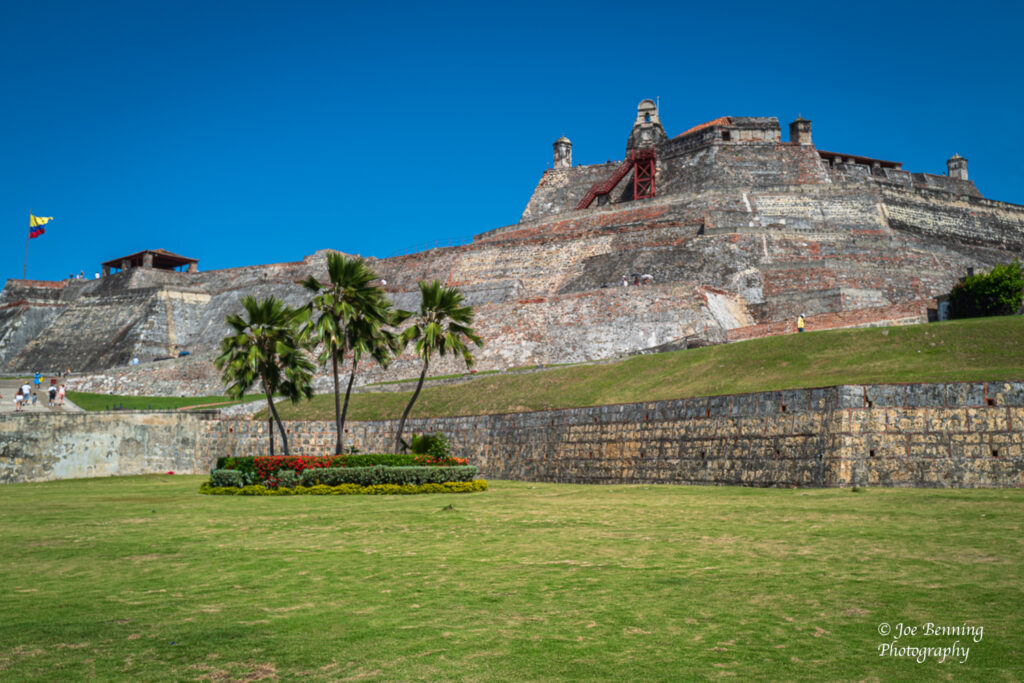
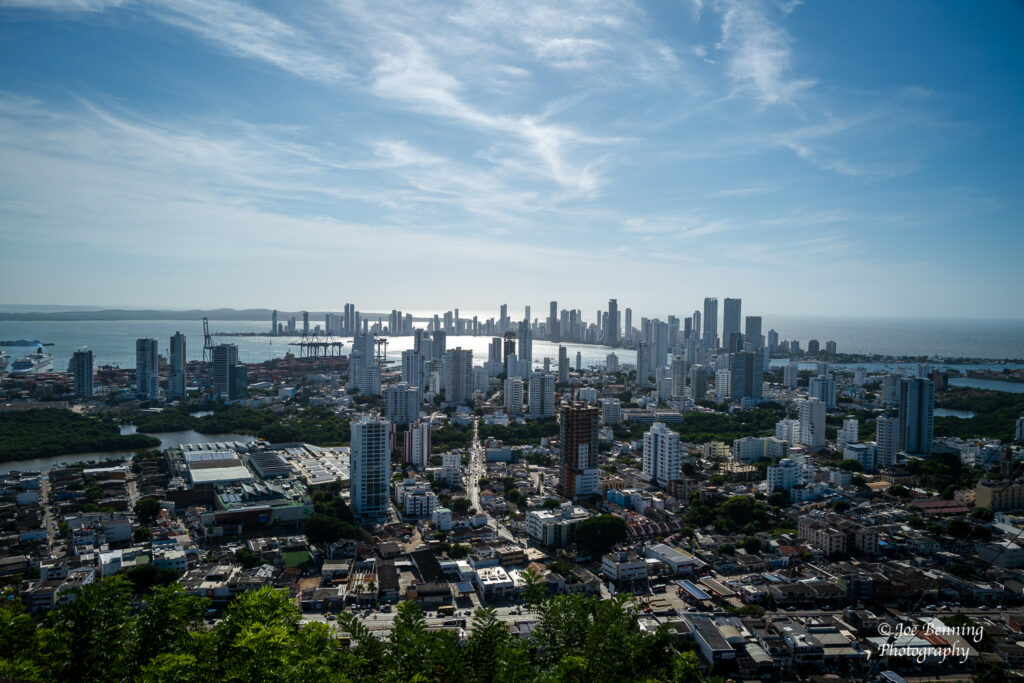
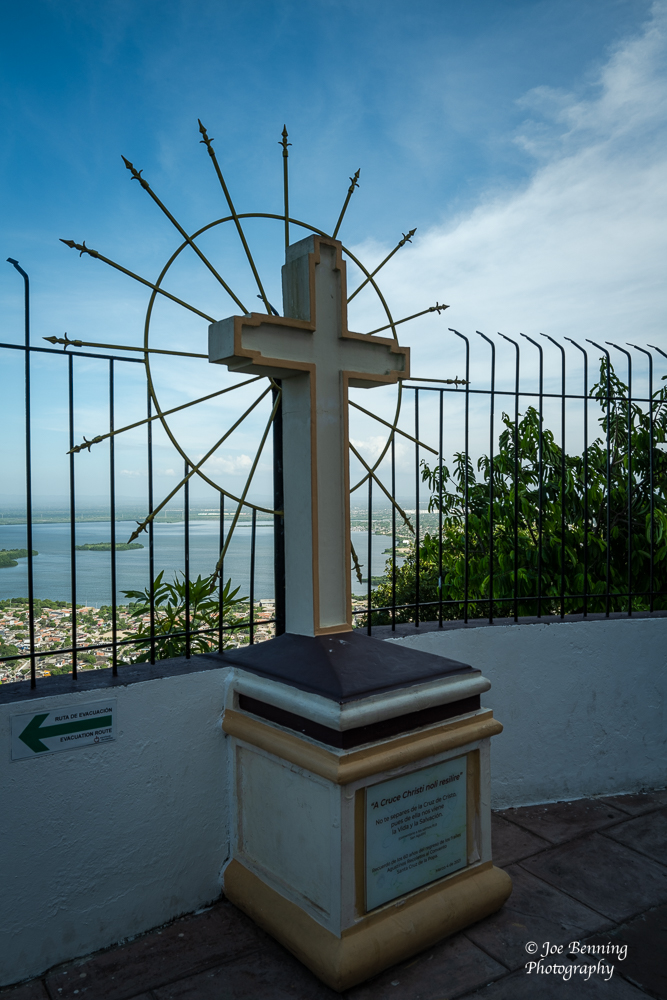
While in the city proper we saw the historicSan Felipe de Barajas fort the Spanish built to fight off an unsuccessful British attempt to take over Cartagena. Then we went to the Convent de Santa Cruz de la Popa where we visited the monastery and had a view overlooking the city. 

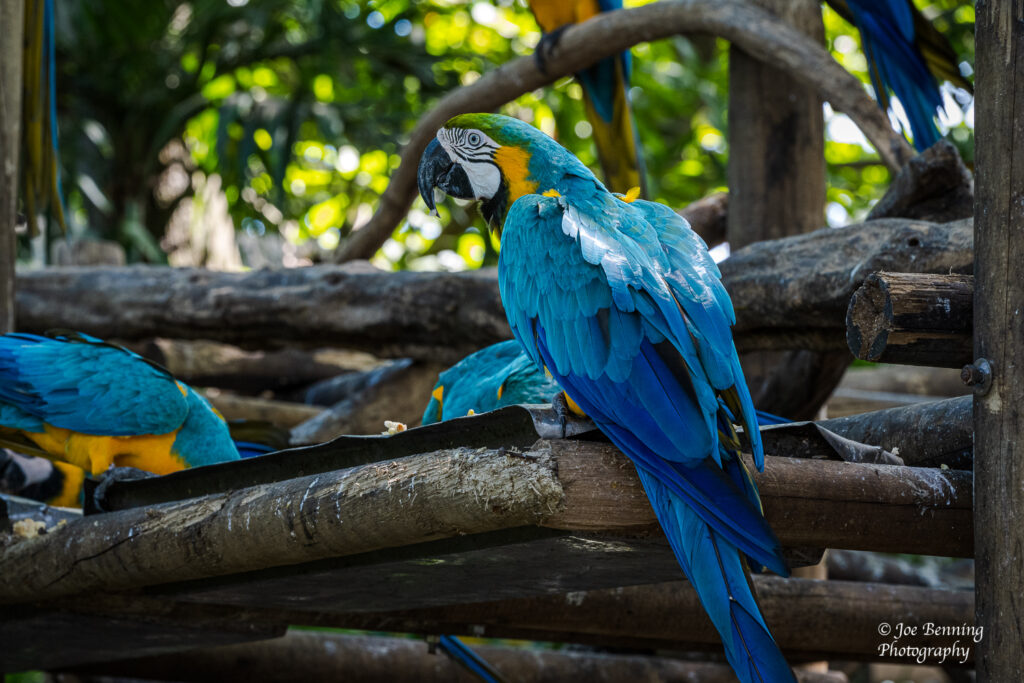
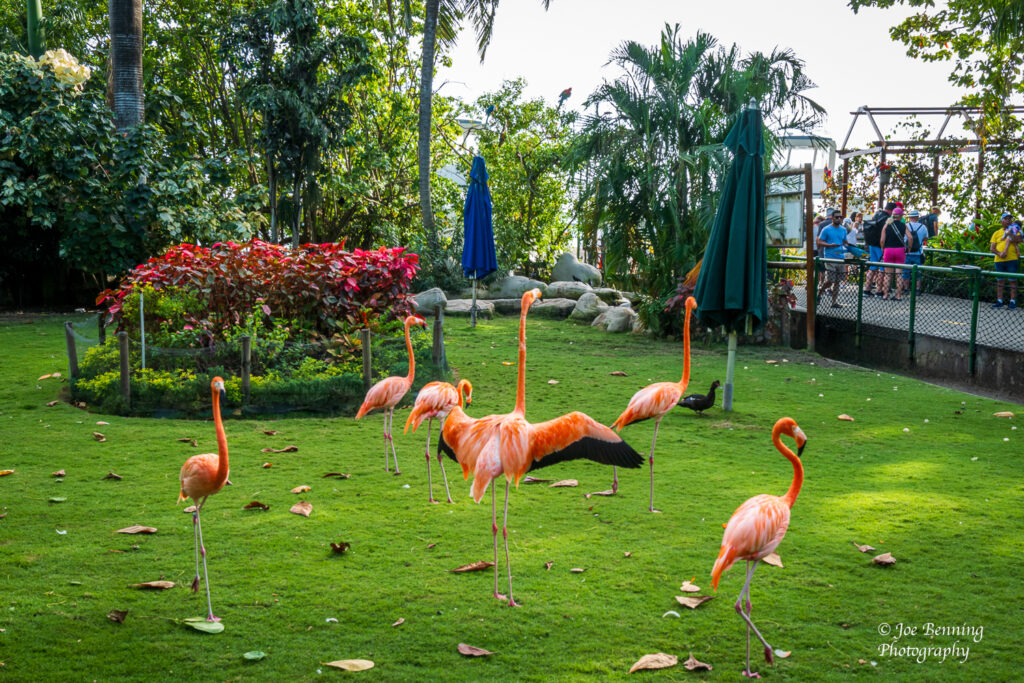
We went through an aviary on the way back to the ship where there was a tremendous collection of birds—something that Colombia is known for. Now we are on Gatun Lake on our way through the Panama Canal. 

Close-up photo of a blue colored macaw in Cartagena
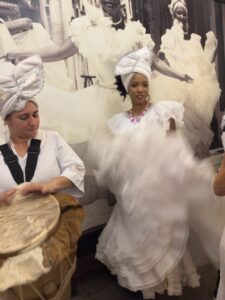
Columbian Dancers
Flamingos in a Cartagena Aviary

So far we have been kept pretty busy with lectures about geopolitics, destinations and Spanish and French lessons. Next stop Panama City.

JFB 

Read More
Joe Benning
On Our Way

Well, we have been on Crystal Serenity for about a week now. Not surprisingly we have bumped into friends an acquaintances from past cruises—some from as far back as 2016. 

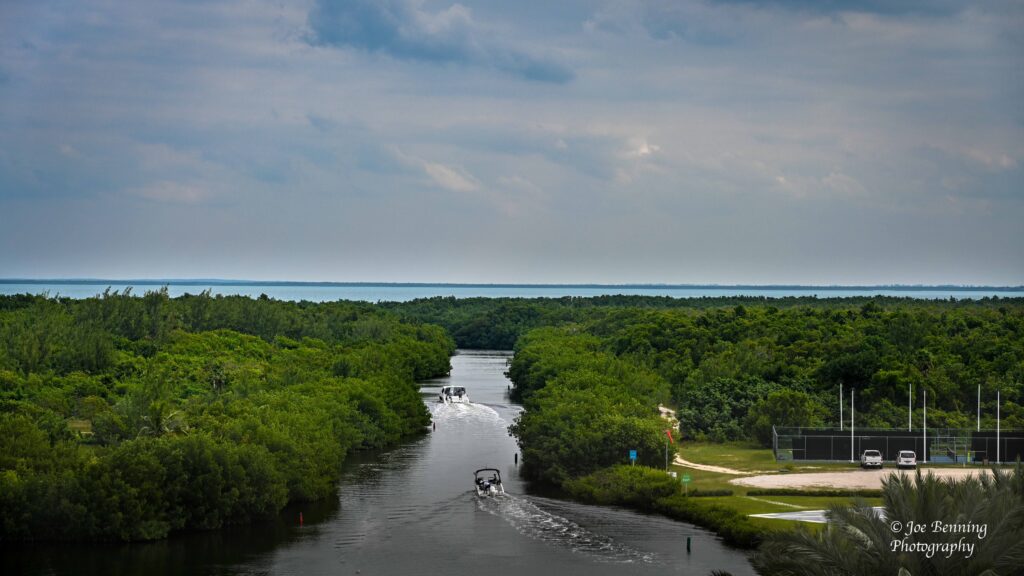
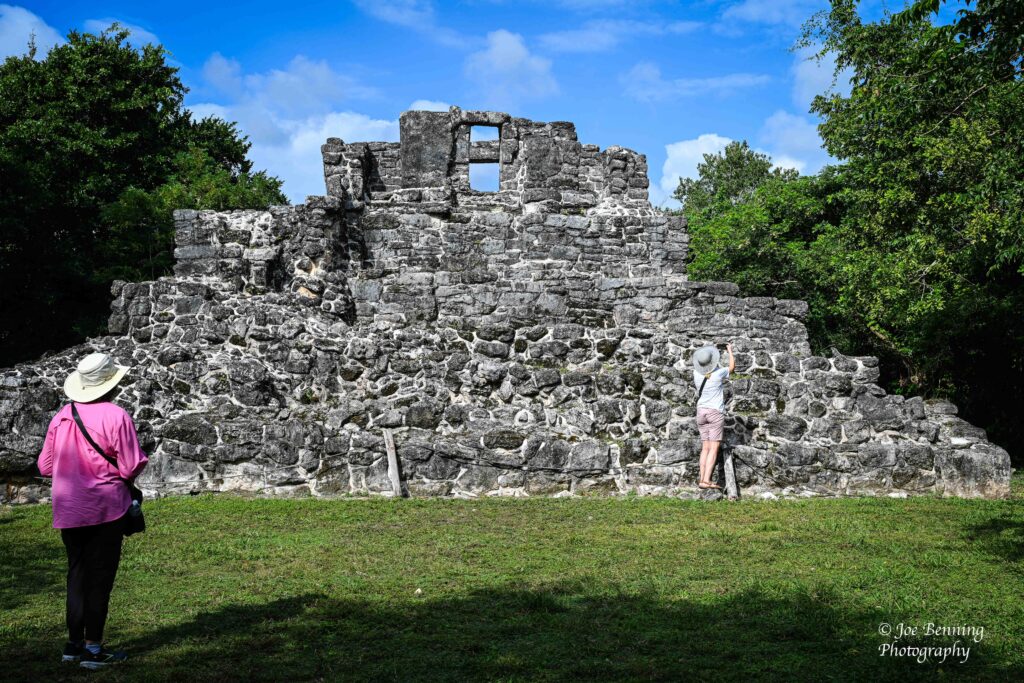
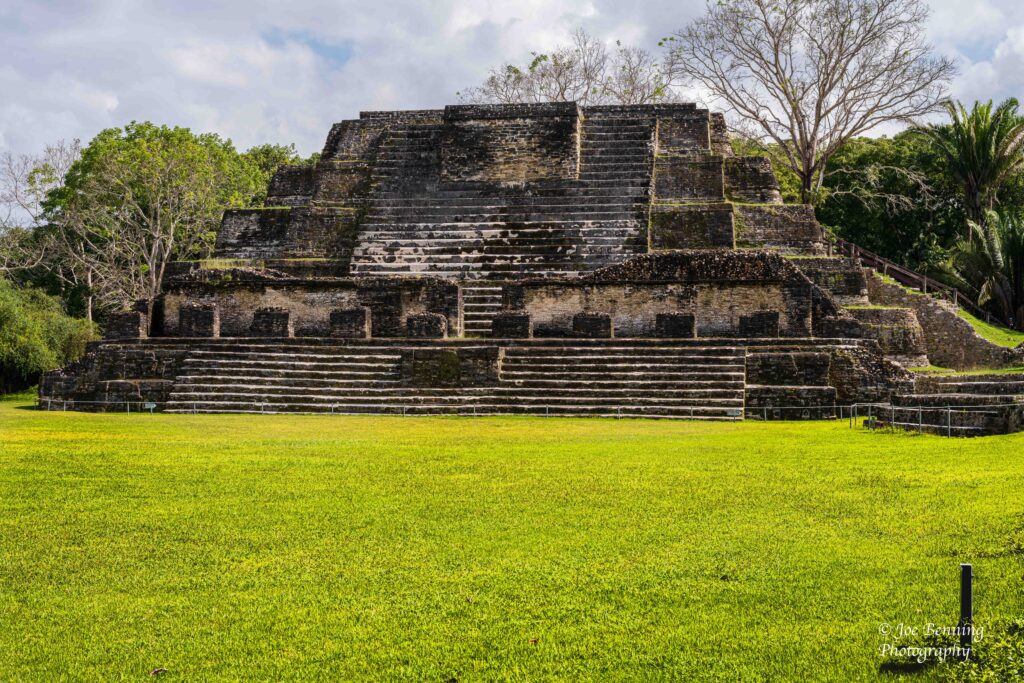
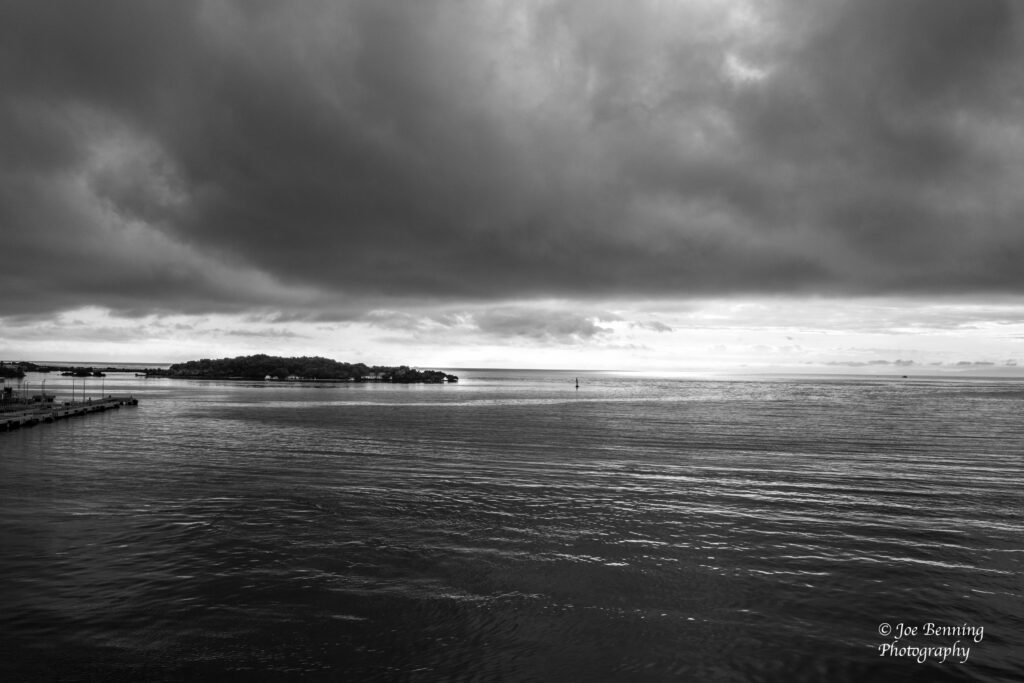
Already we have gone on excursions in the Grand Caymans, Mexico, Belize and Honduras. Nothing especially interesting in the Caymans unless you like looking at brass plate banks, shopping centers and high-end resorts.

But we did get to see Mayan ruins in Mexico and Belize. And we went on a glass bottom (partially submersible) craft in Honduras to see some coral reefs. Anyway, here are some photos taken thus far. There will be plenty more coming down the pike.

JFB

Read More
Joe Benning
So Long 2024; Hello 2025

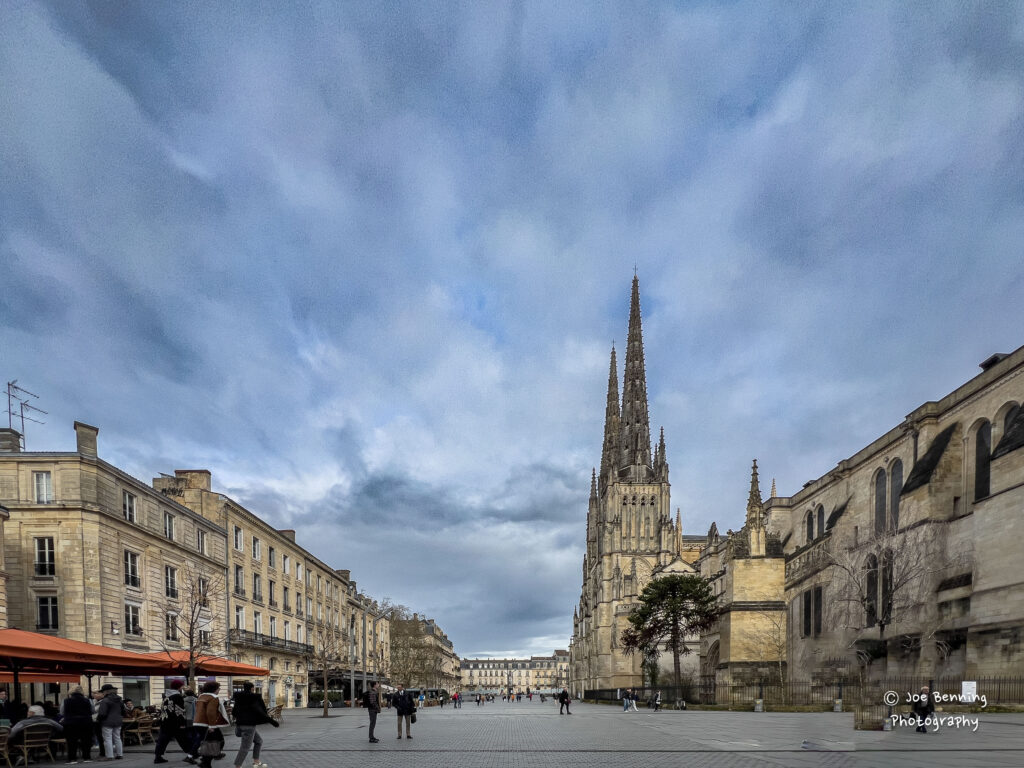
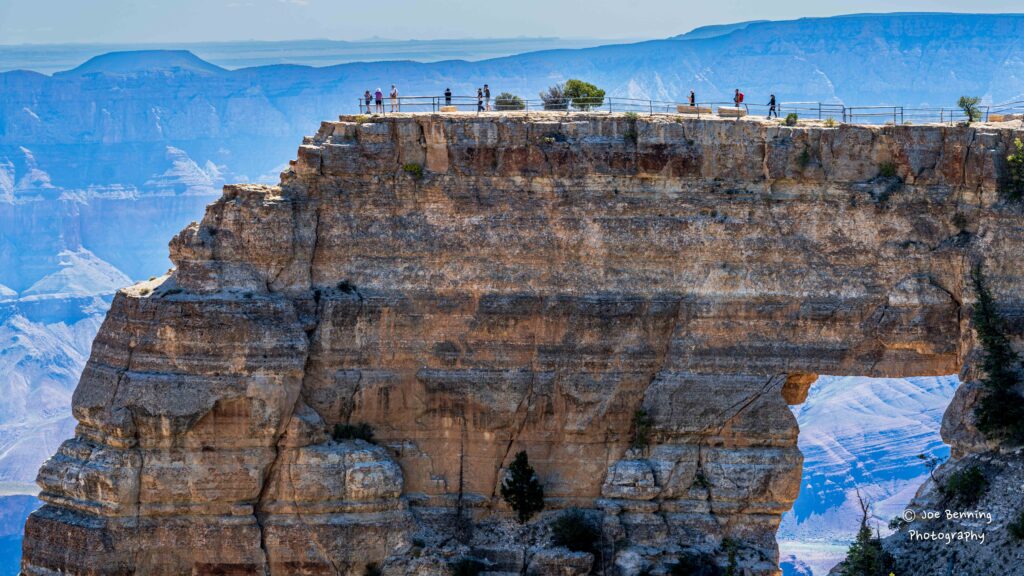
It would be an understatement to say that the year 2024 was eventful. Anyway, it was busy for us. We started out slowly, but before the year was over—in a flash it seems—we wound up visiting Bordeaux for about 7 weeks; seeing friends from England; going to Bermuda for a while; visiting the Grand Canyon as well as Bryce and Zion National Parks, and finally going to Australia for about a month where we also visited friends. 

A wide angle iPhoto taken in the center of Boredeaux France, with the Cathedral of Saint-Andre towering over the square.
North Rim, Grand Canyon, AZ, USA — Sept 23, 2024. A photo of tourists looking out from Angels Window at the end of the Cape Royal trail on the North Rim of the Grand Canyon.

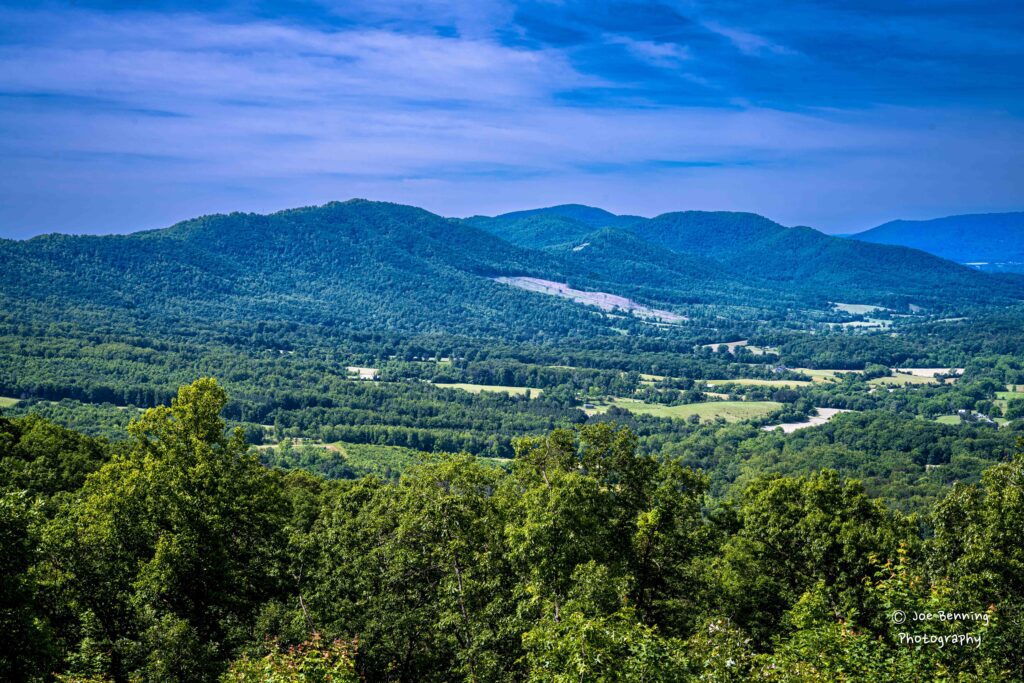
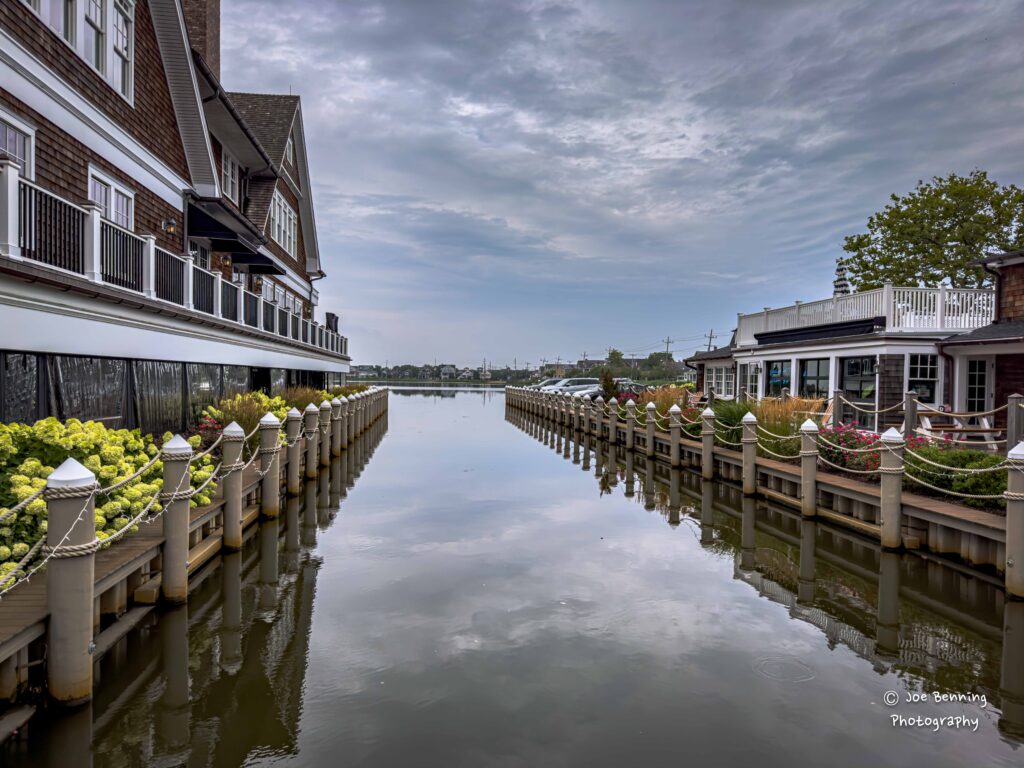
And that doesn’t count trips to the Blue Ridge mountains and Appomattox here in Virginia, or trips to DC or to New Jersey where we visited family and friends. 

Bedford, Virginia, USA — June 1, 2024. A photo overlooking the Shenandoah Valley near the Peaks of Otter close to Roanoke Virginia.
Bay Head, NJ == a horizontal iPhone image of two restaurants on the water in Bayhead, NJ
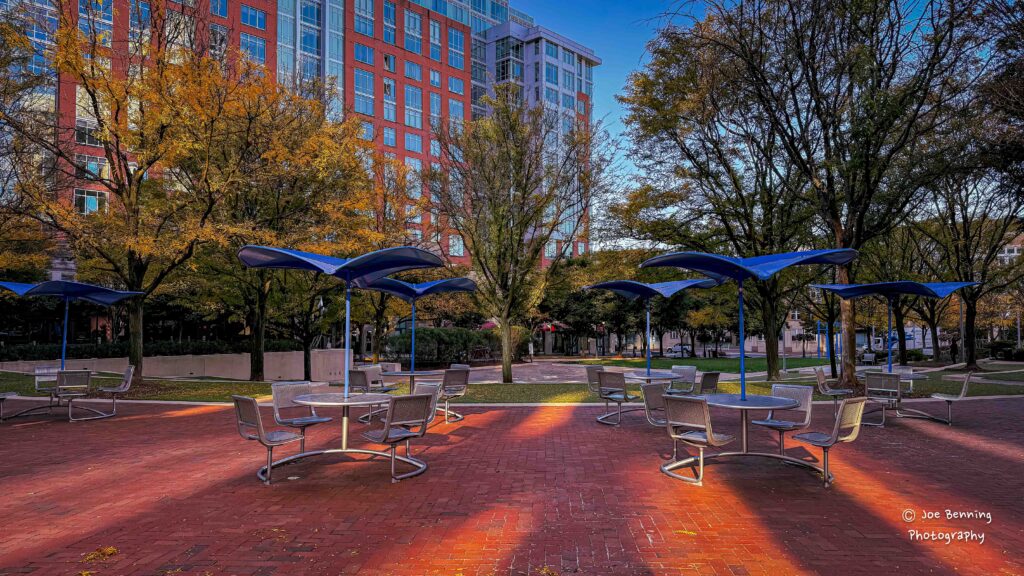
A wide angle iPhone shot of Reston Town Center Park taken as Fall approaches.

For 2025 we have booked a full travel schedule as well. Expect photos from Brazil, Argentina and other places in South America. We will also spend a little time in Morocco, the Greek Islands, Istanbul, Croatia, Italy, Spain, England and Wales. So 2025 looks like it’s going to be pretty busy. 

Thanks everyone for logging on. Feel free to post comments and send a website link to friends…(www.joebwnningphotography.com)

Have a great New Year!

Joe and Mary Anne
Read More
Joe Benning
More About Australia

Some more on Australia.

We finally headed back to the U.S. from Australia in early December—to get ready for Christmas and our next trip that starts in January of 2025. But before checking out, a couple of observations about our trip and our guides on the trip. 

Our group leader, Mary Gordon, was just fabulous. She hailed from Adelaide. Among other things, her sister, Elspeth Kyle-Little, serve as a guide and site coordinator for part of the trip. Both sisters are quite accomplished. Elspeth has run small businesses and worked as an artist in addition to working at Road Scholar.  Mary is trained in science and her work has included caring for reptiles at the museum of South Australia, running an ecology project at the University of Melbourne and setting up her own vineyard. All in addition to her work at Road Scholar. 
While we were exploring various parts of Australia–at a breakneck pace–we saw a beautiful sunrise on Kangaroo Island and we got to visit Katherine Gorge. 
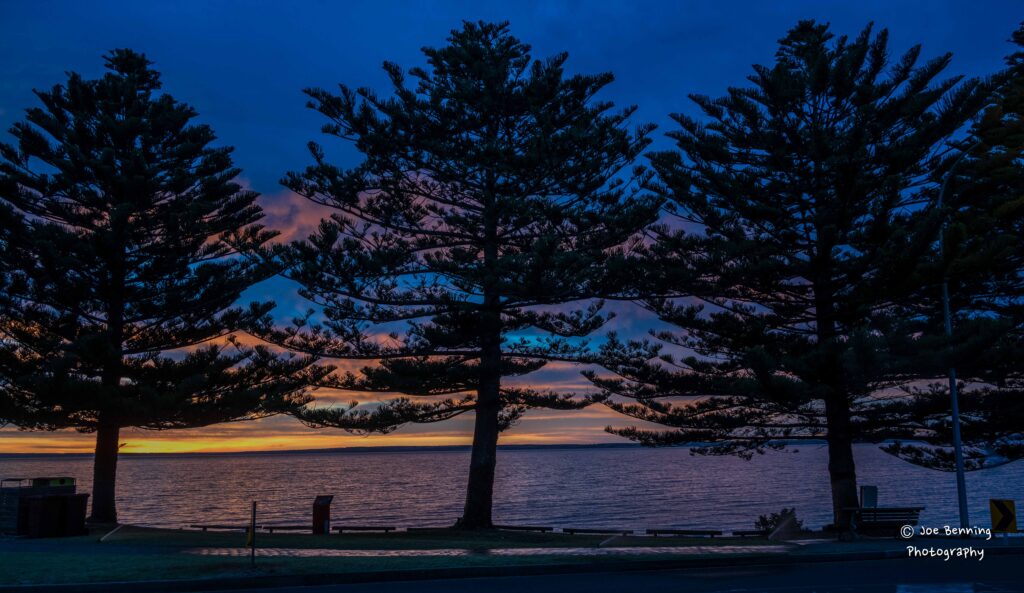
A wide angle shot of the sun rising over Kangaroo Island
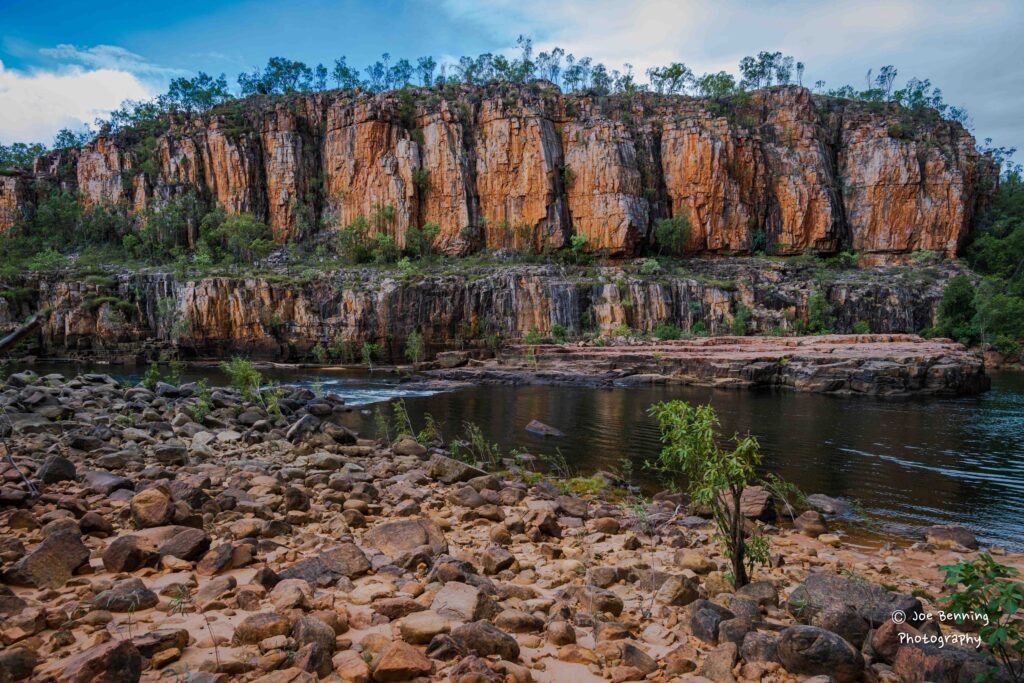
A wide angle shot of Katherine Gorge in Nitmiluk National Park in Australia

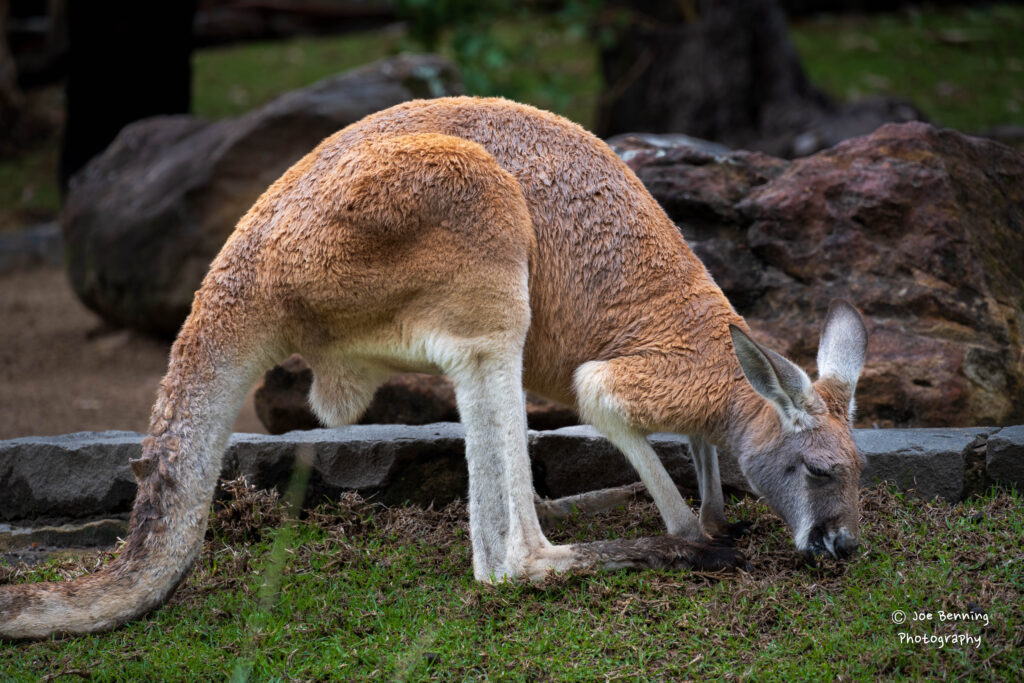
We hiked in the hot and dry outback, then hiked in the rain forest, and saw a lot of wildlife.

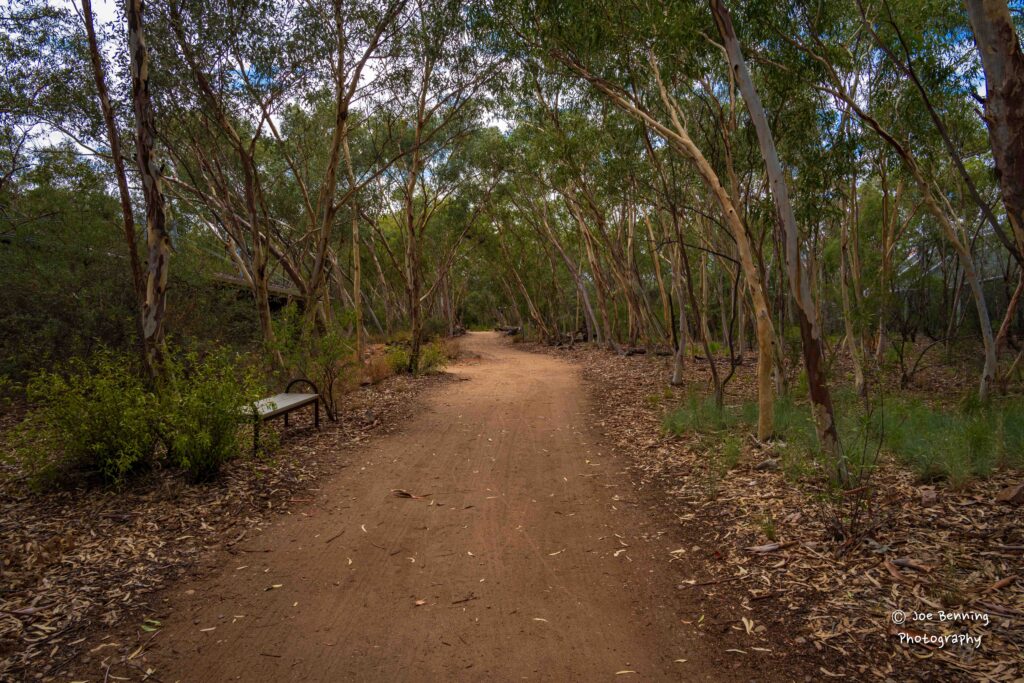
A hiking trail in the woods near Alice Springs, Australia
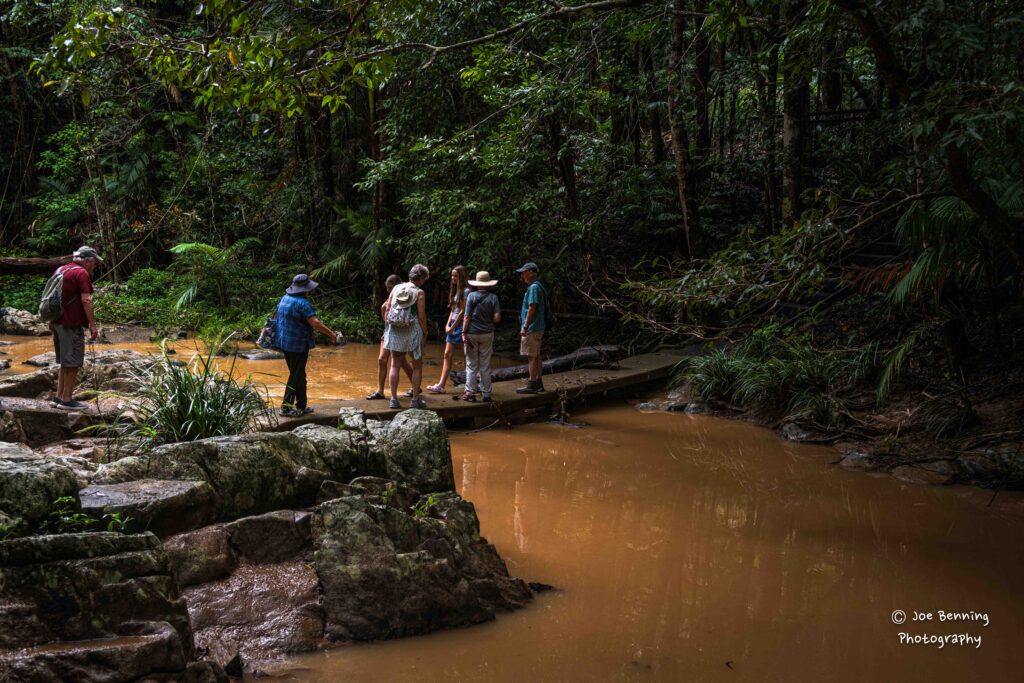
A photo of tourists on a make-shift bridge crossing the river in a rain forest in the Northern Territory
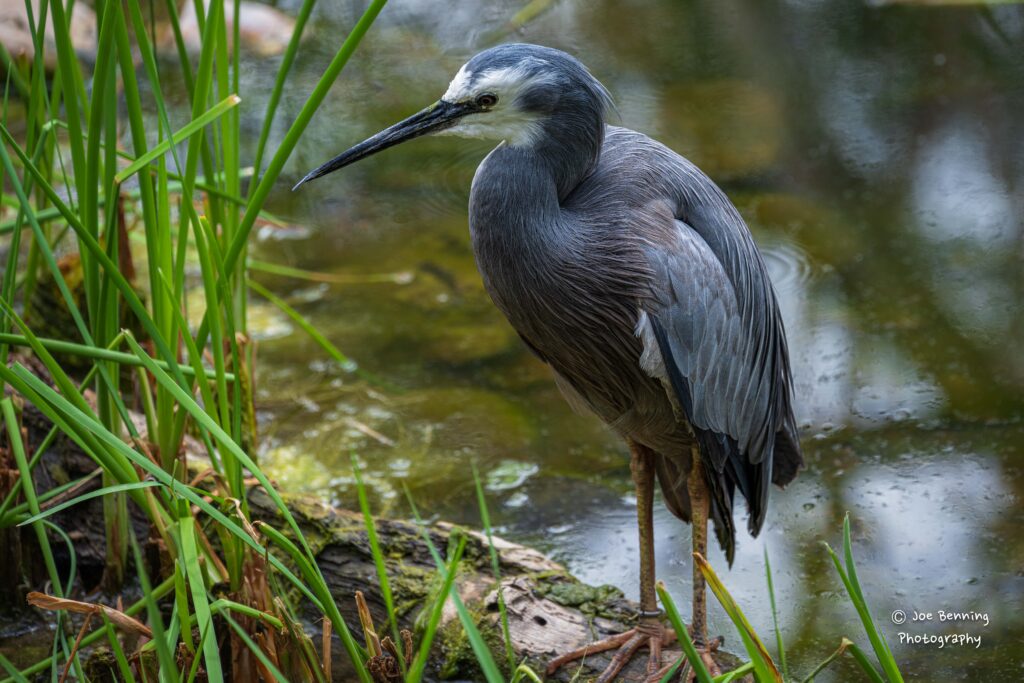
Photo of an Australian White Faced Heron (Egretta novaehollandiae)
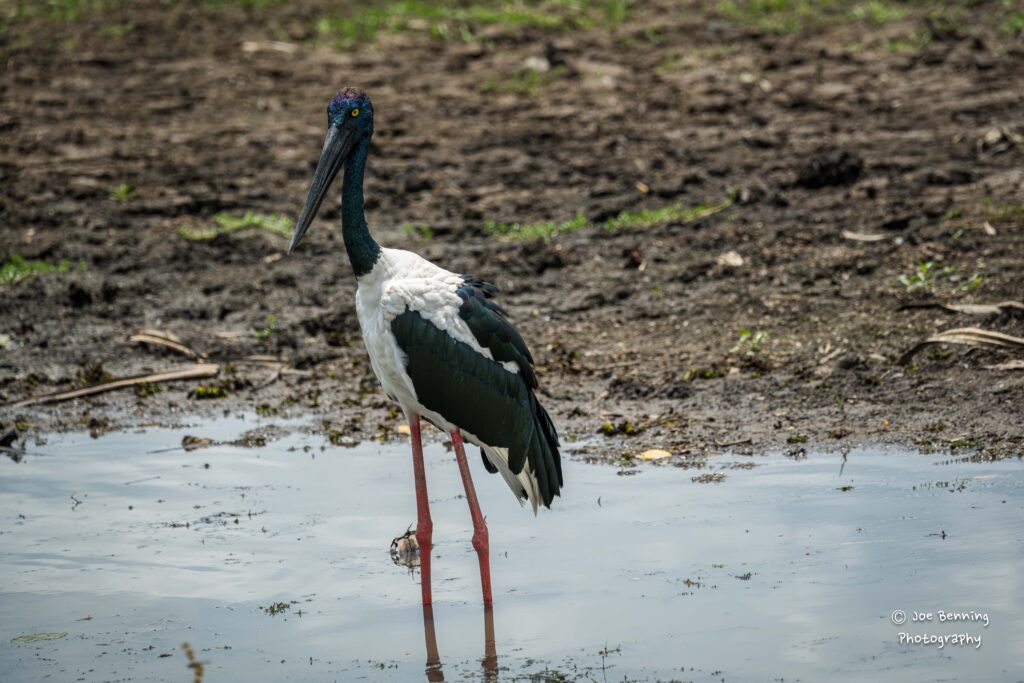
A telephoto shot of a black necked stork in a river in Kakadu National Park

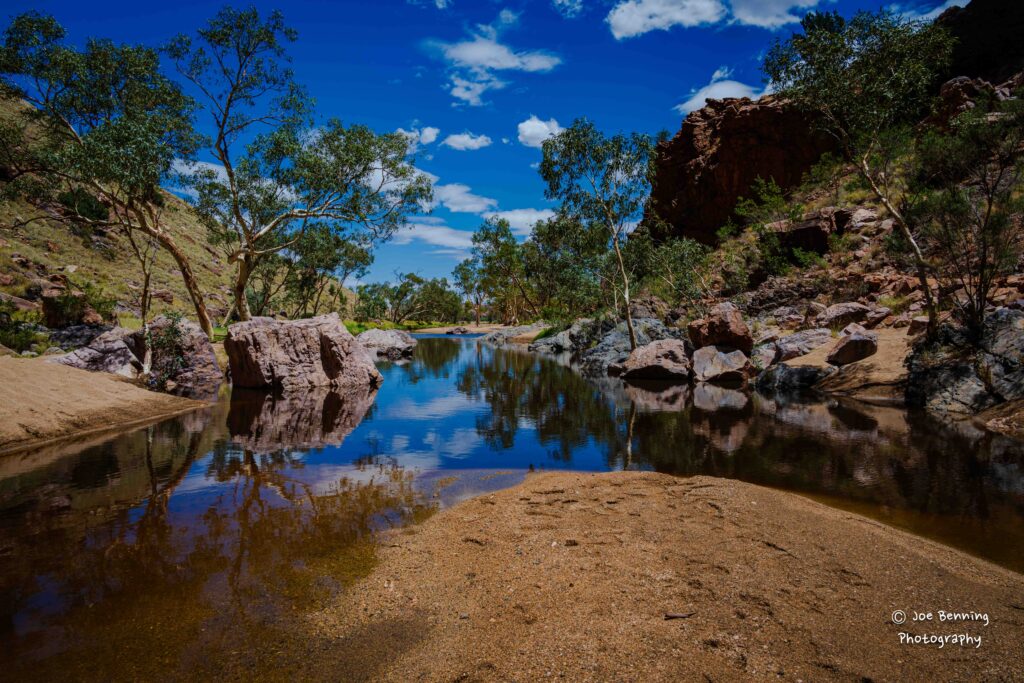
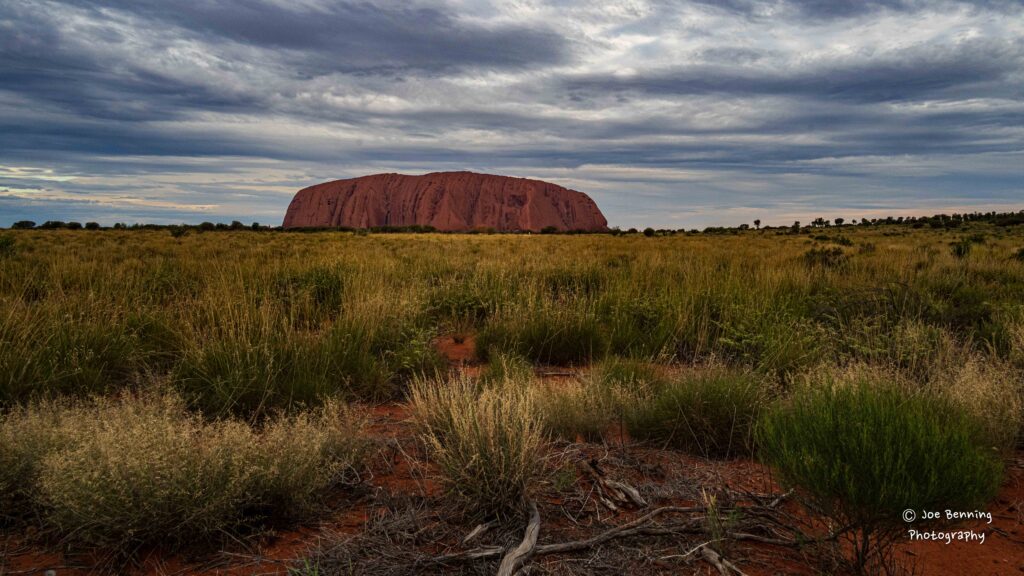
We also visited Simpson’s the stunningly beautiful Simpson’s Gap, not too far from Alice Springs.  And of course we went to Ayers Rock, a kind of must see when trekking around Australia. Actually we did more than just visit. We had a bit of a cocktail party, organized of course by Mary, while we watched the sun go down. Kind of like a sundowner when you go on a Safari. 

A permanent waterhole in Simpson’s Gap
A dark landscape photo of Ayers Rock while storm weather threatens

A brief note—the photos on this blog (and more) can be viewed in full resolution at www.evocativephotos.com. Look under Australia 2024. 

All in all a fine trip. 

JFB

Read More
This website uses cookies to improve your experience. Cookie Policy