Joe Benning Photography

  • J
  • O
  • E

Category: International

Joe Benning
Frodo Lives!

When Peter Jackson filmed JRR Tolkien’s Lord of the Rings Trilogy, he was determined to be as true to the book as possible. One of the first problems he faced was finding a location that looked like the Tolkien’s description of the fantastical Middle Earth which he dubbed “Endor”.  Endor had snow-capped mountains, golden grass covered plains, sandy beaches and rain-forest creeks. As it turns out, New Zealand’s 400,000 hectare Kahurangi National Park fit the bill perfectly, which is why Jackson filmed Lord of the Rings there.


Which, in turn, is why we went there on a tour. It is not to be missed. The park has towering snow-capped mountains that slope down to a valley with wide open plains where some of the climactic battle scenes were filmed.  First, we went to Lake Clearwater that served as a backdrop, as seen below.
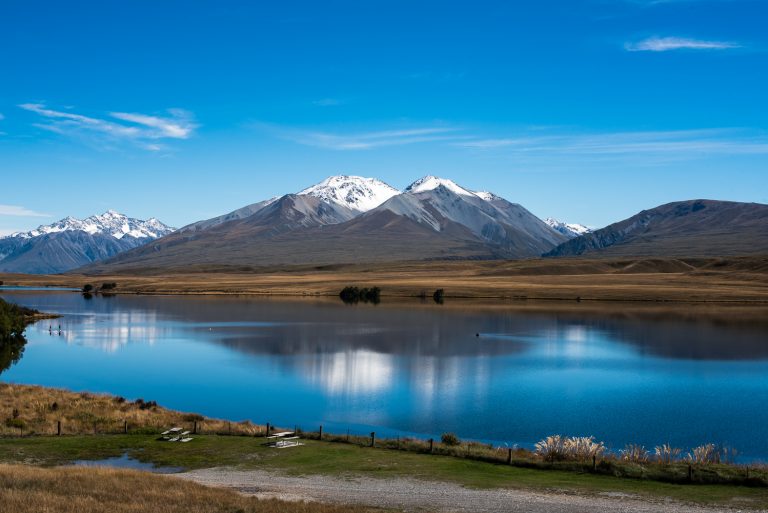
 

Looking over Lake Clearwater

After Lake Clearwater, we were off to the mountains and valleys in the park. The shear scope of the landscape is hard to imagine. The valley is huge; it is home to rivers and streams and is surrounded by snow-capped mountains. One of the photos below has a woman in the lower left quadrant to give some perspective on how vast the expanse of land is.
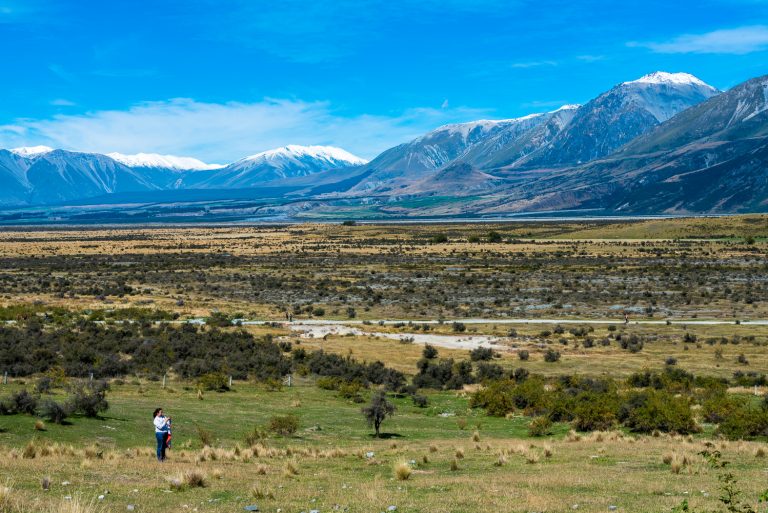
Woman in Valley
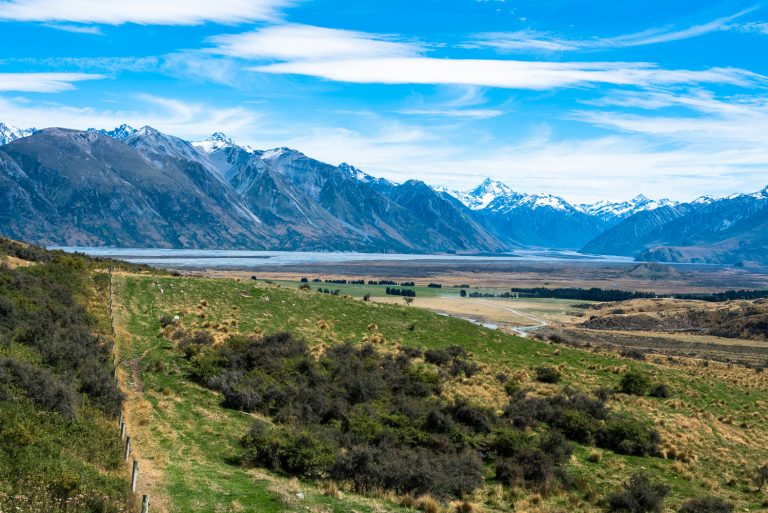
Snow Capped Mountains

Anyway, the next two stops are Nelson and Wellington, so we’ll see what adventures await us there.


JFB
Read More
Joe Benning
Stewart Island / Rakiura

We made our way to Stewart Island, also known as Rakiura by the Maori people who arrived from Polynesia about 800 years before Captain James Cook claimed it for the British Crown. It is the 3rd largest of the New Zealand islands measured by size. But the population is only about 400 people.  So, we docked in the Tasman Sea and took tender boats over to the island to look around, which took all of 5 minutes, and then we were off with a local on a boat ride in the Tasman Sea.


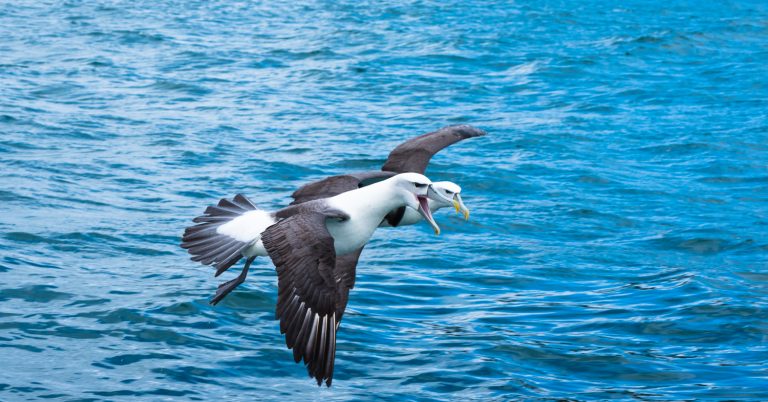
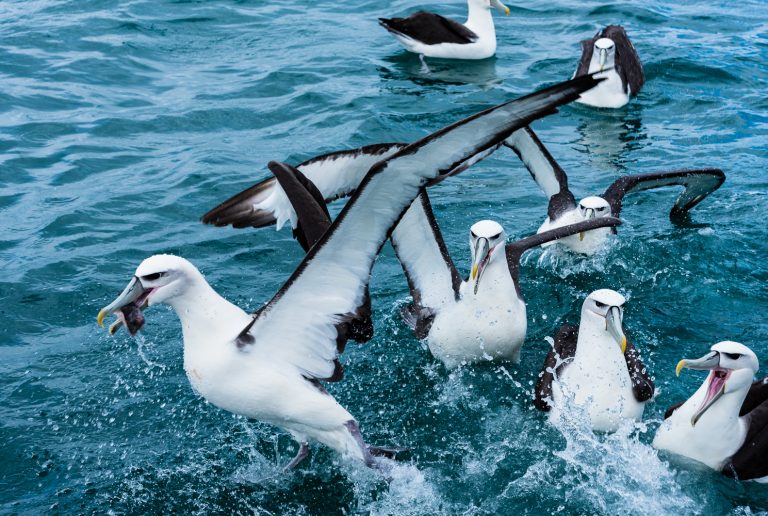
While cruising around the Tasman Sea we were able to see a bunch (actually a rookery) of Albatross searching for fish, made easier for said Albatross by the ship’s mate who tossed fish over the side to attract them. If you get a close up look at these birds you understand why you don’t want an Albatross around your neck. They are big and aggressive, with large beaks which they do not hesitate to use.


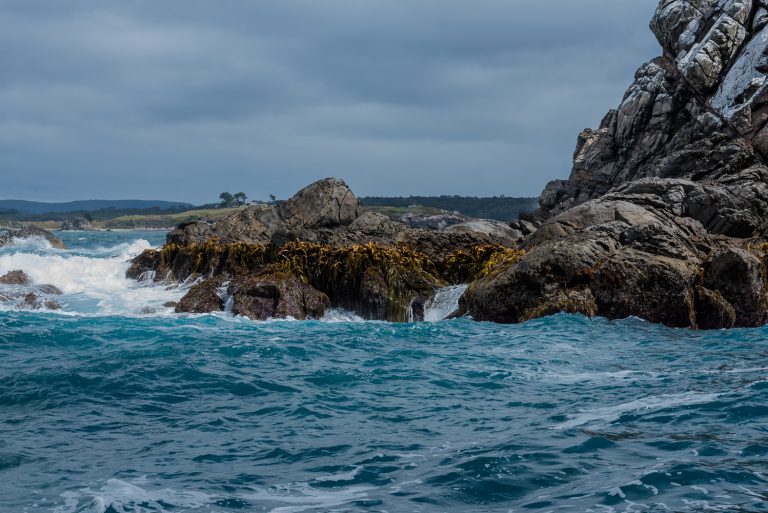
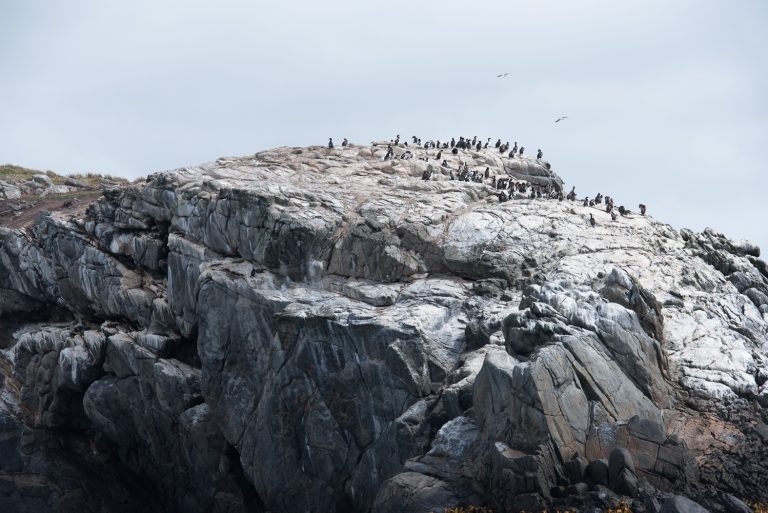
We were also able to sail by the rock formation where the penguins hang out in the neighborhood, and saw lots of them, maybe numbering about 100.  After that we headed back to the big ship to continue to sail on to Dunedin, which we reached the next morning.


Here are some photos of Albatross, Penguins and rock formations in the Tasman Sea.

Penguins Hanging Out on their Favorite Rock

A Pair of Albatross

Rock Formation in the Tasman Sea

Albatross Makes Off with Food

Read More
Joe Benning
Broome, Australia

Eight days at sea is a long time, so we were glad to finally arrive at the port town of Broome, Australia. Located in the Northwest of Australia on the coast of the Indian Ocean on the traditional lands of the Yawuru people, Broome is a small port town that is famous as a center for the Pearl trade and as a tourist town. The population, normally around 15,000, swells to 45,000 during the tourist season.

The oysters in the area are well-known for their pearls and divers by thousands have sought their fortunes by making deep (and dangerous) dives to retrieve them. There are enough pearl shops in the small town to be dangerous as well, although not the same way. In 1879 Charles Harper suggested that the pearling industry would be well served by using the port at Roebuck Bay by Broome, which is close to the pearling grounds where the divers worked. That put Broome on the map, and it eventually became a tourist attraction as well as a center of the pearl industry.

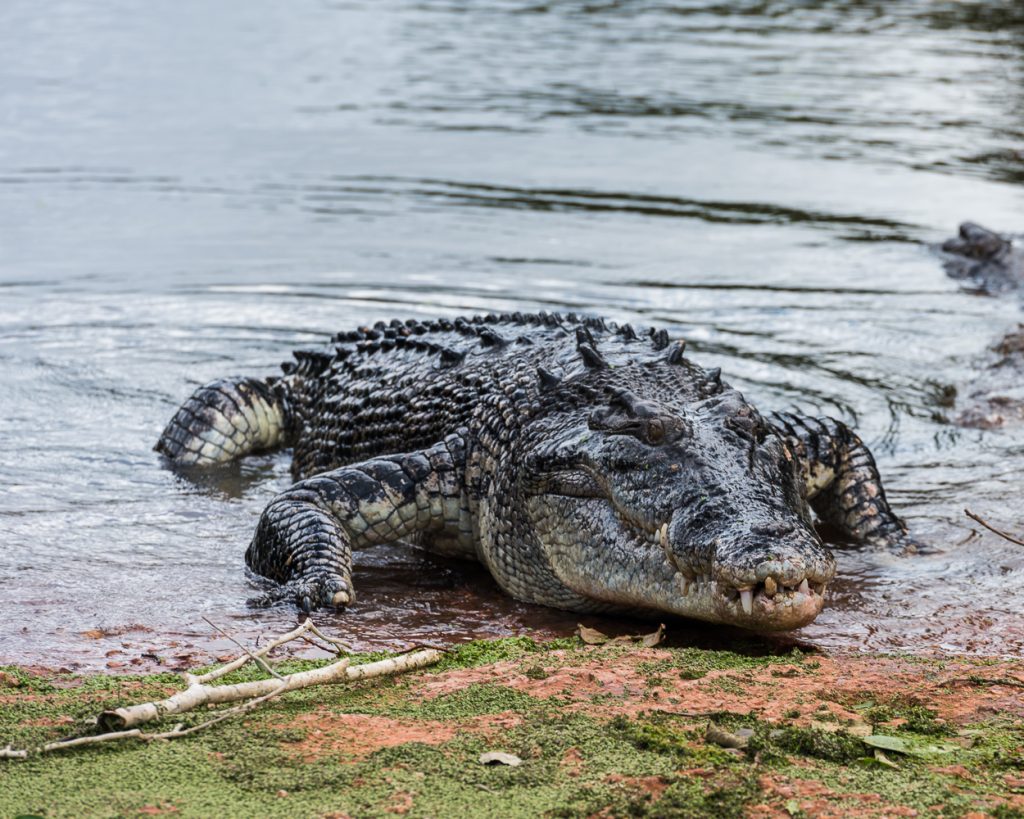
Even though the town is small by population, there is a lot to see. We went to the center of town and successfully avoided the pearl dealers. More importantly, we went to a wildlife park where we saw crocodiles, lots of them, where they are protected. There are about 2,500 of them in all. After you see these guys at feeding time and hear their jaws snap shut, you pay rapt attention to the safety instructions of the guides.

Crocodile crawls out of the water

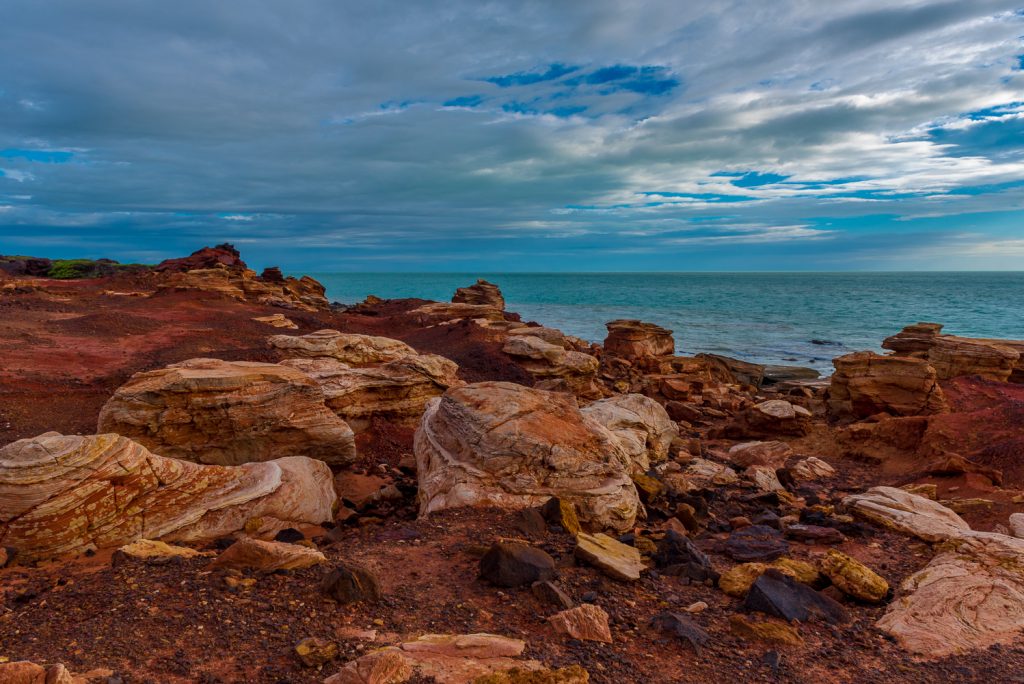
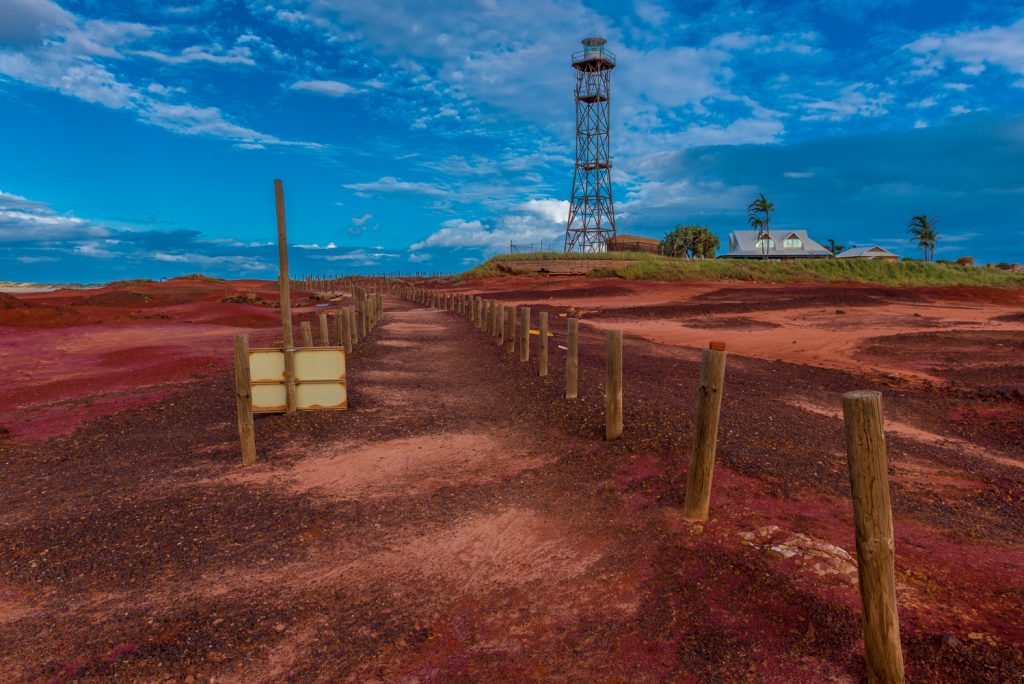
After the crocs we visited Cable Beach where they often have camel rides—but not this time because a few days prior a cyclone swept over the area and the beach needed repair. And after that we visited Gantheaume Point, a truly spectacular lookout point and lighthouse near cable beach with red rock formations overlooking the Indian Ocean.

And next we set sail for Geraldton, the last stop before Perth.

JFB

Read More
Joe Benning
Another Safari Day

Out in the Bush


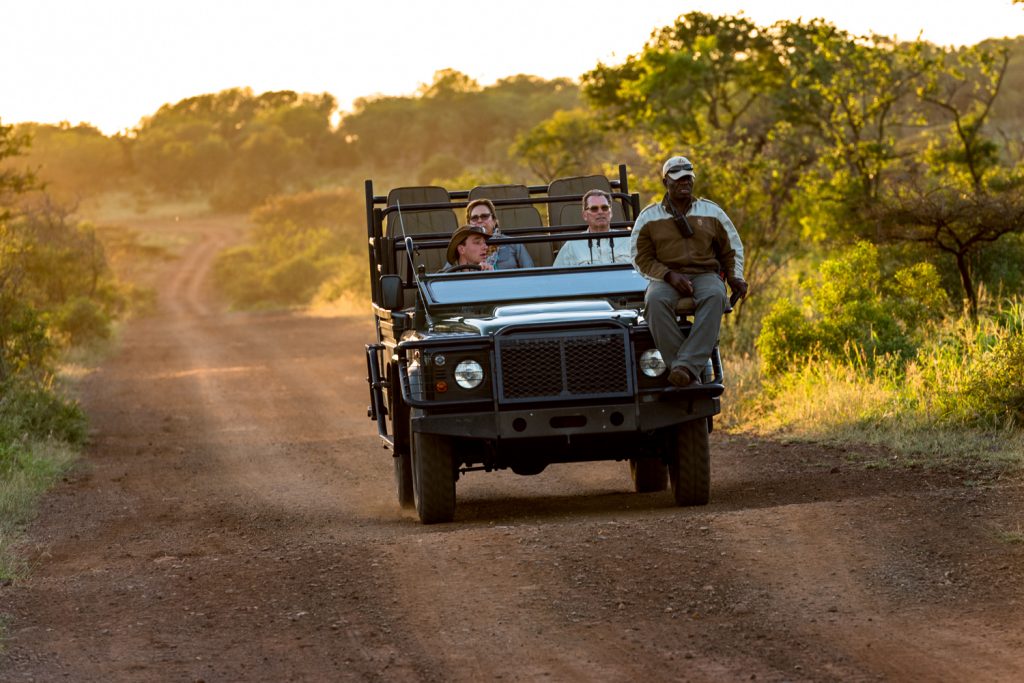
When you head out to the bush country you just don’t know what you are going to find. For the second (of three) Safari days out in the bush, the plan was to find some elephants in the morning, and maybe more lions in the afternoon. That meant getting a wake-up call at 4:30 AM and piling into the jeep and into the woods by 5:00 AM.


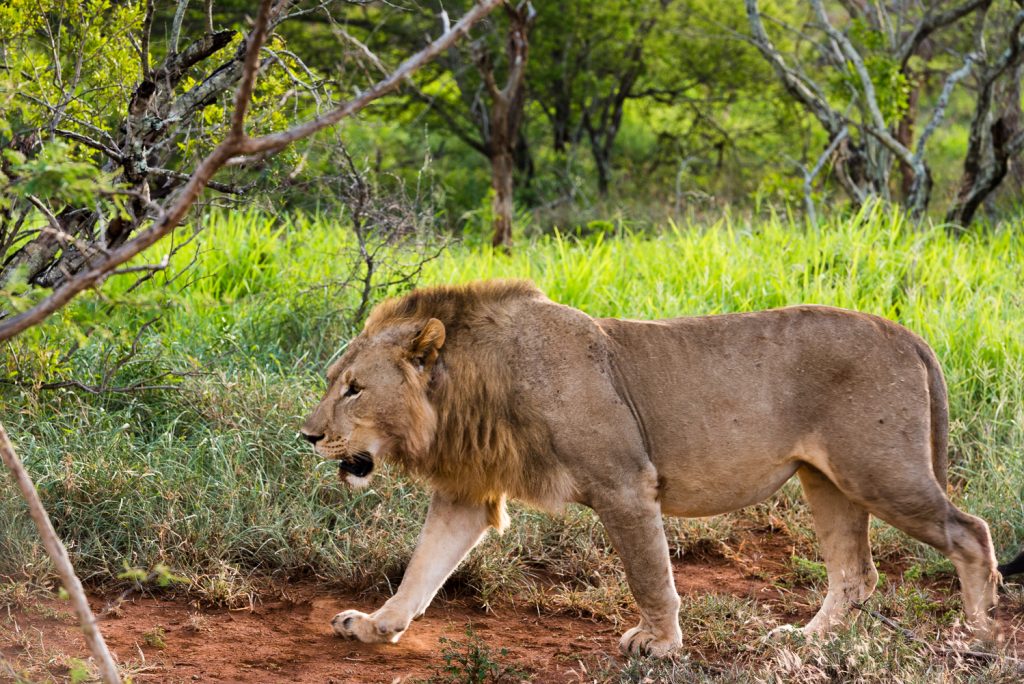
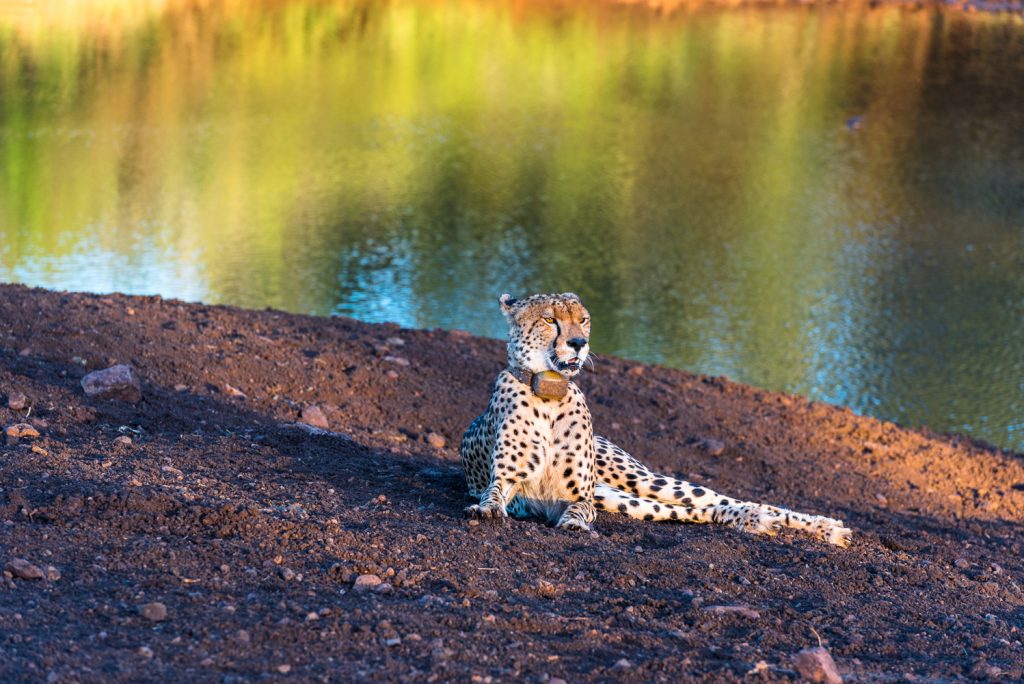
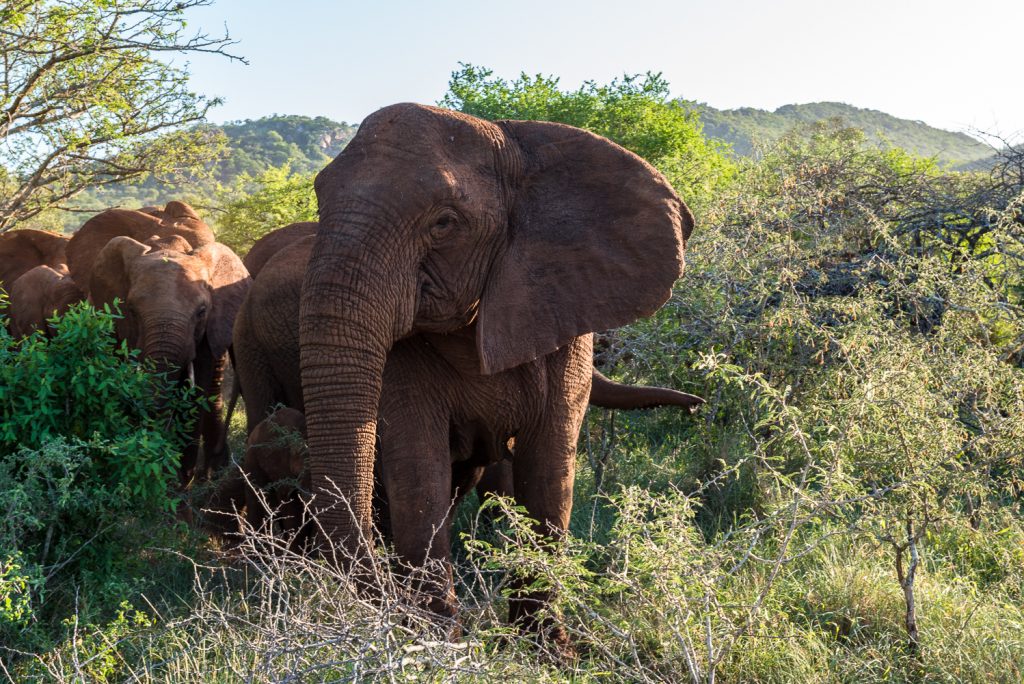
As it turned out, we didn’t find any elephants until later in the afternoon. But we did find a male lion. We also found a cheetah hanging out by a watering hole. Watering holes are a popular spot to hang out in the bush, except for the fact that some of the animals regard the others as dinner. So, the animals likely to be targets tend to go as a group—safety in numbers—while the lions hang out around the periphery waiting for one of the targets to stray from the group. Then the lions pick them off.


Another thing. Looking at the stars from the pitch black African bush takes your breath away. Without any distracting ambient light, you can probably see the stars the way the sailors saw them hundreds of years ago.


Anyway, here (below) are some more photos of animals and the countryside out in the bush. Next, we head for a short stop in Maputo, Mozambique. There are more photos available at Evocative Photos.

JFB

Read More
Joe Benning
On Safari--Part 1

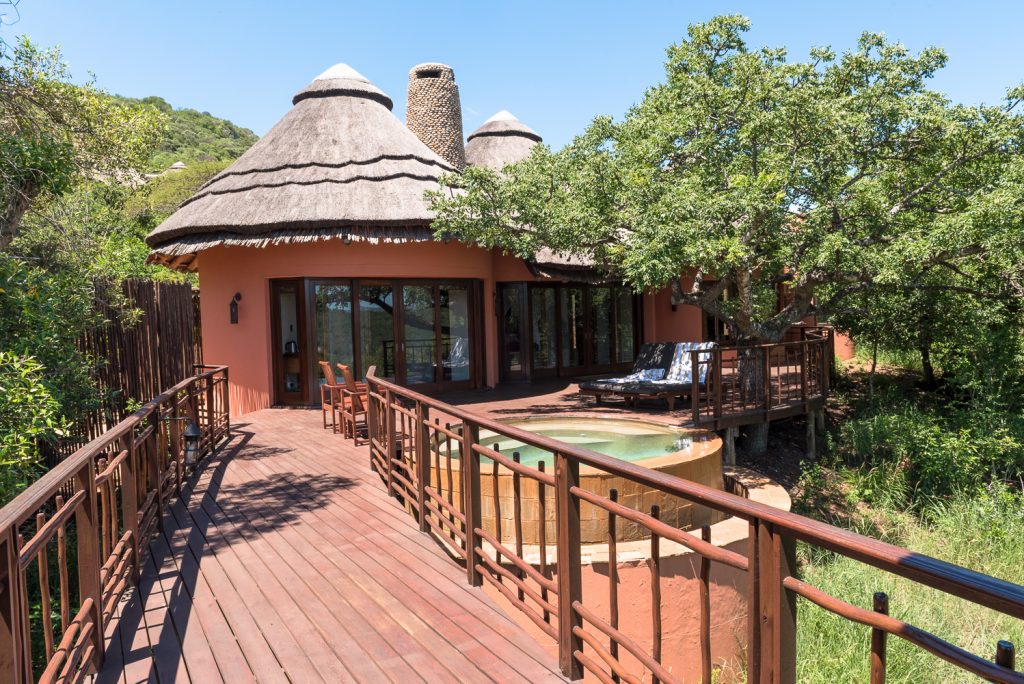
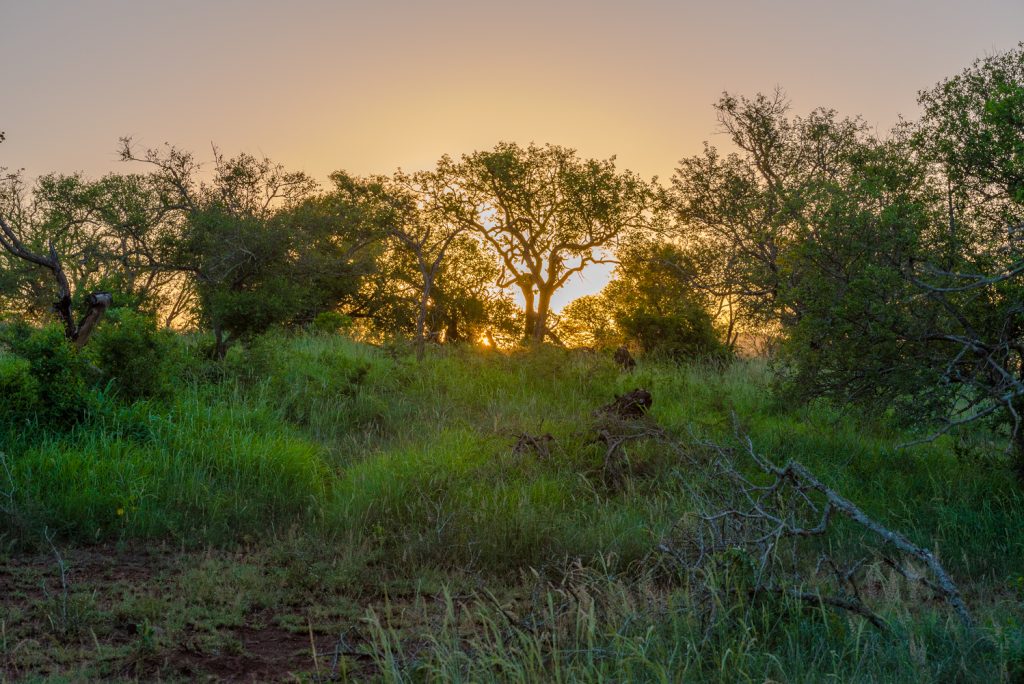
Here we are at Thanda Game Reserve to go on a Safari. Thanda is our “base camp” in the same way the Ritz-Carlton is a base camp. The place is just spectacular. (See the photo below of our villa).

Our Villa in Thanda Game Reserve

After we arrived we got settled in and went for our first game drive, lasting from 4:30 until 7:30 PM. The drive consists of boarding an open jeep that holds 9 plus a driver and tracker, and then heading out to the African bush in search of lions, elephants, hyenas, cheetahs, buffalo, rhinos, hippos and whatever else materializes.


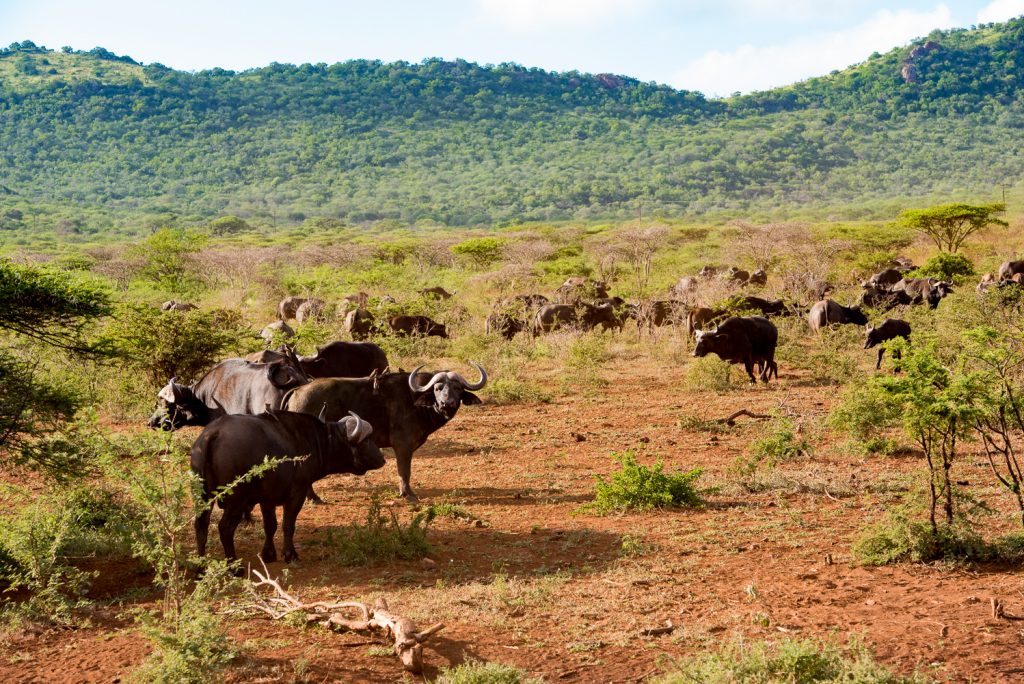
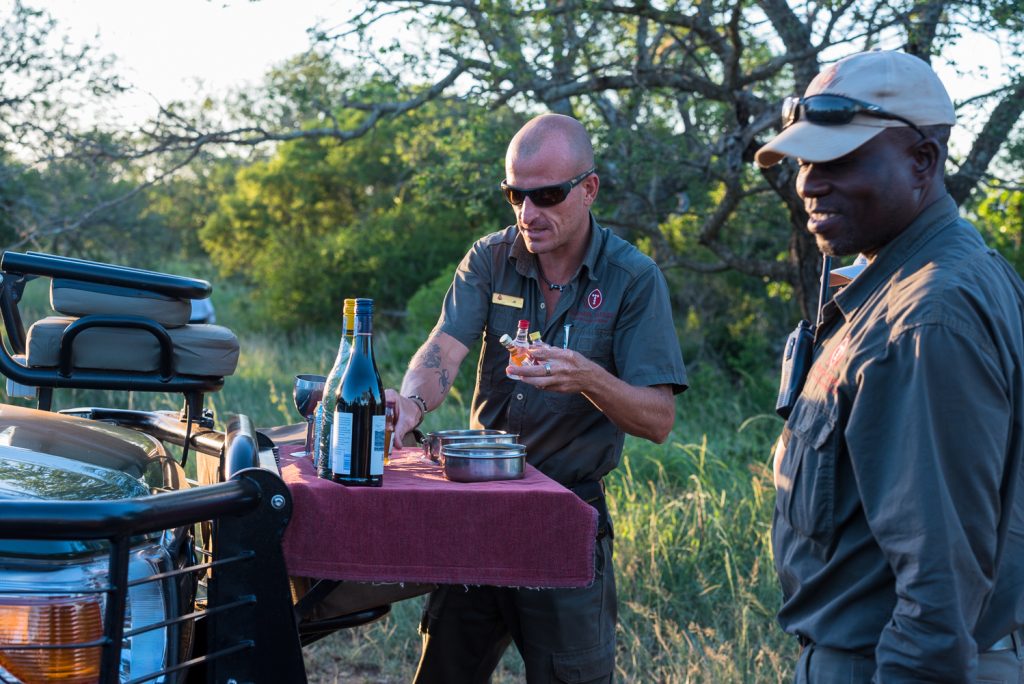
We were not disappointed. It wasn’t too long before we saw some buffaloes, gazelles, a giraffe and a wildebeest or two. Most important, we discovered sundowners. As the sun begins to set, around 6:00 PM or so, it’s time to stop the jeep, pile out, look out over the African plains and have a glass of wine or a gin and tonic before venturing out into the bush again. If you are going to be devoured by a hungry lion, you might as well be fortified by a G&T, I suppose.

Anyway, this is just a very brief hint of how spectacular a Safari can be. More in the coming days.

Some photos of a small sample of the animals and scenery we saw on the first of many game drives below.

JFB

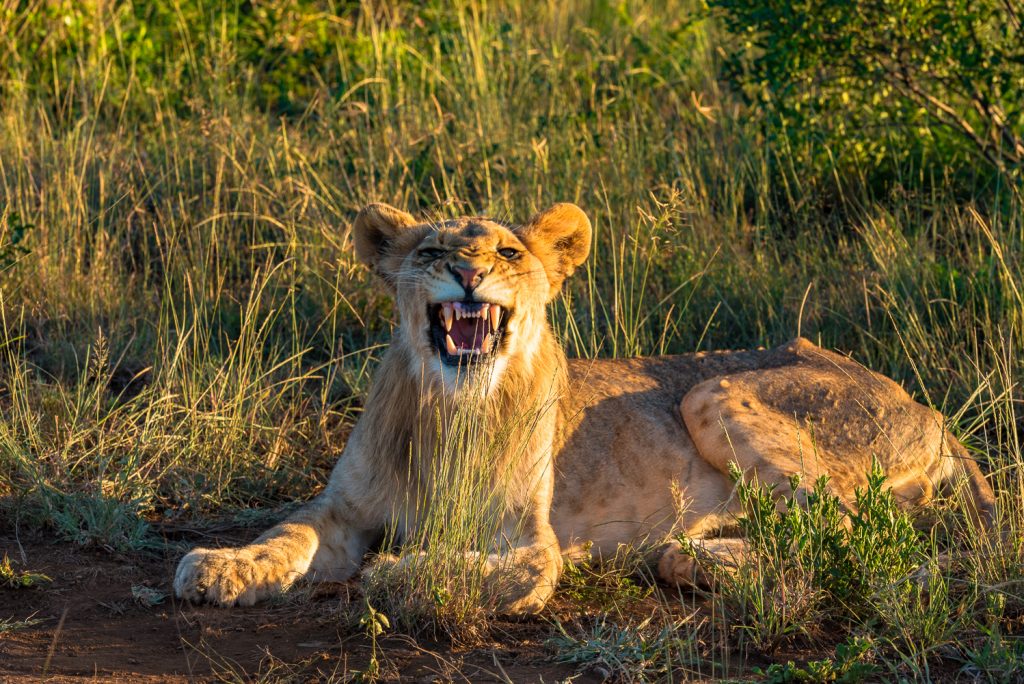
Lioness opens her mouth and shows her teeth. Taken from about 15 yards away.

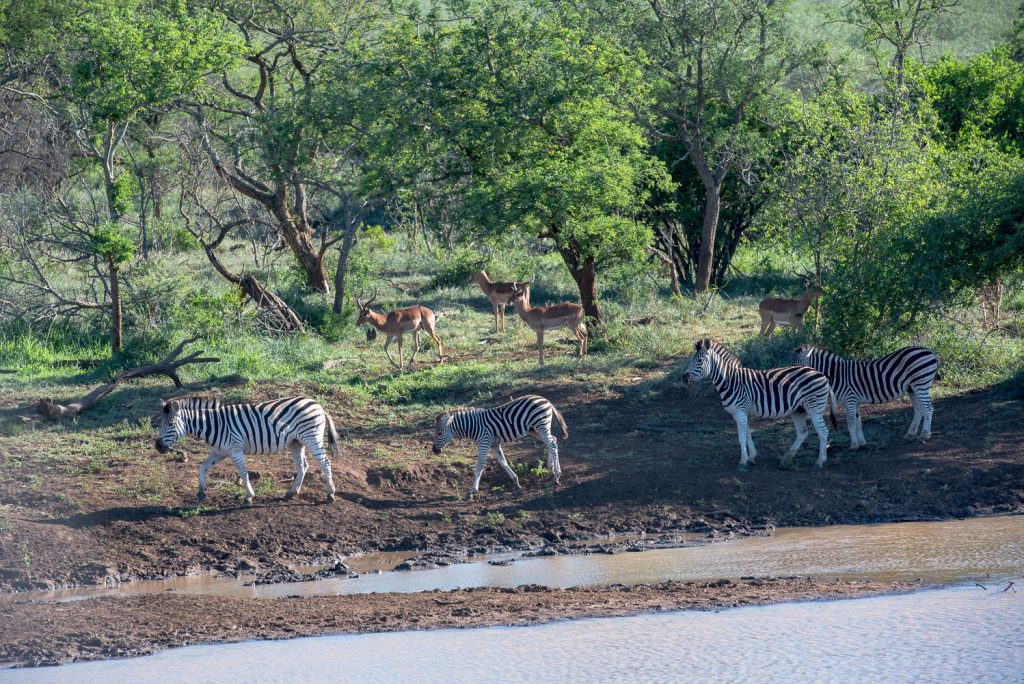
Zebras and Gazelles by a watering hole.

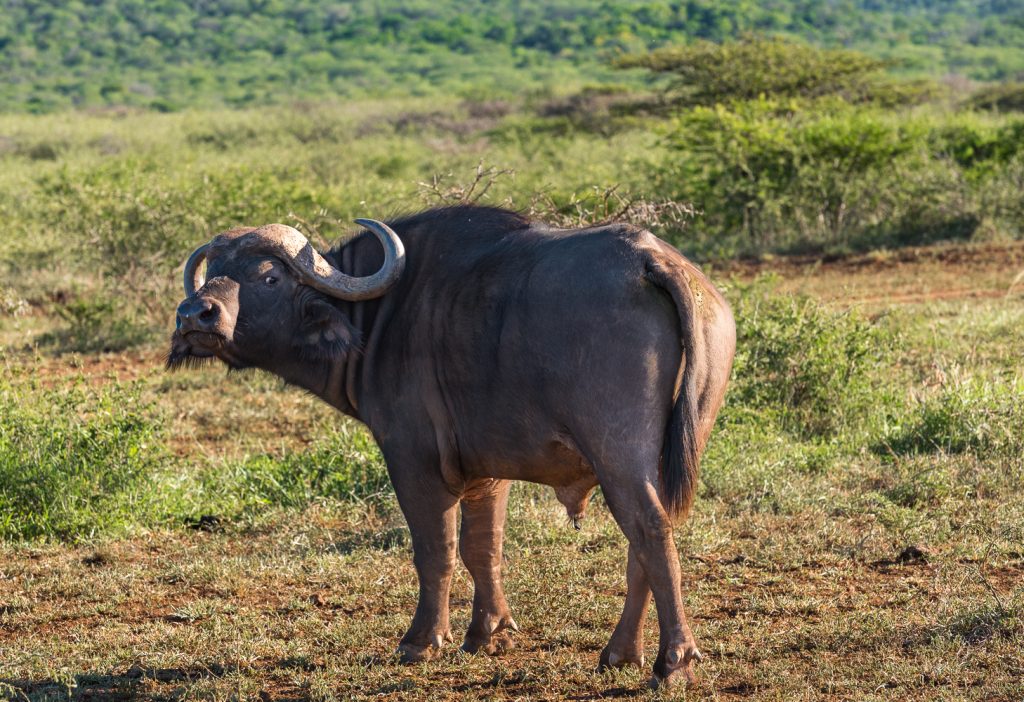
An African Buffalo

Sundown

Read More
Cape Town, South Africa

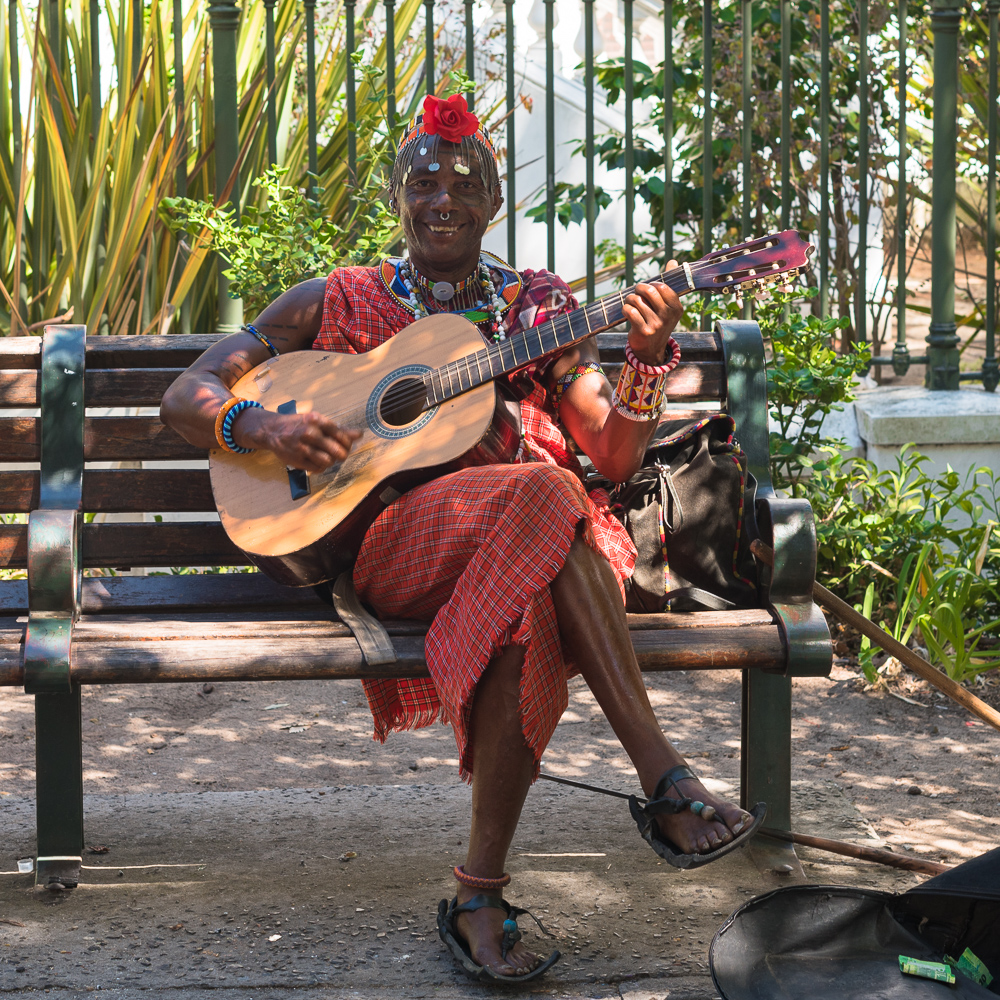
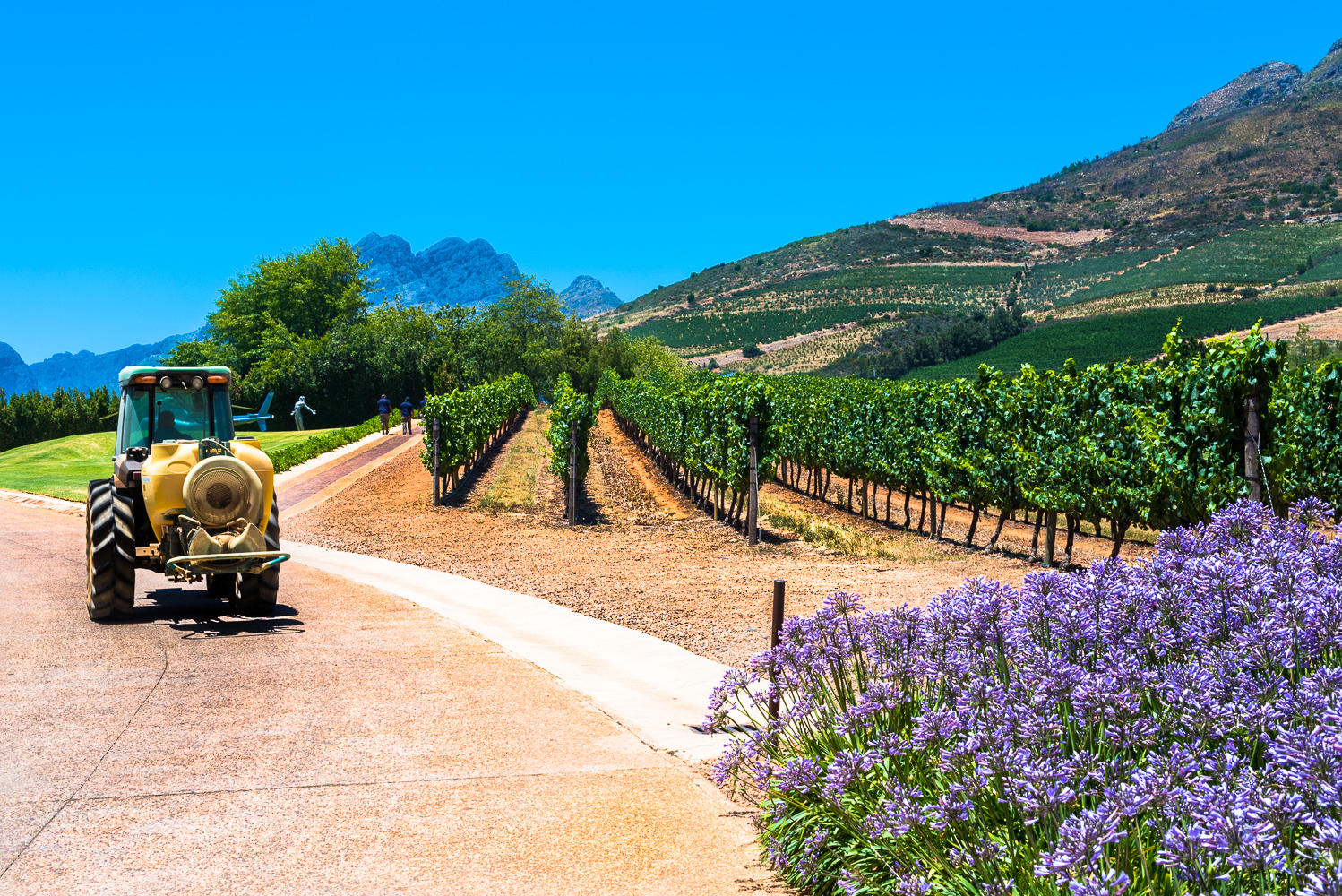
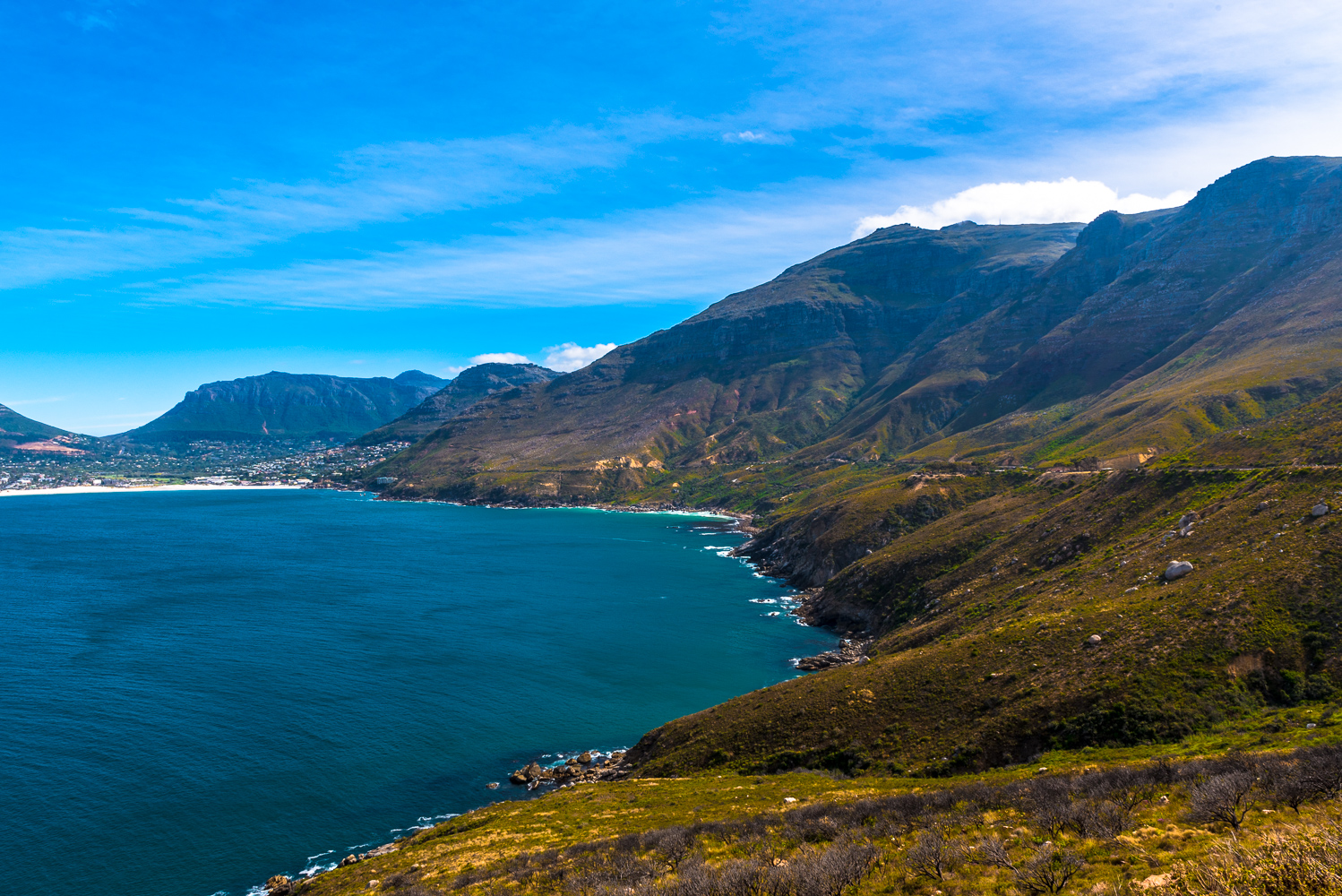
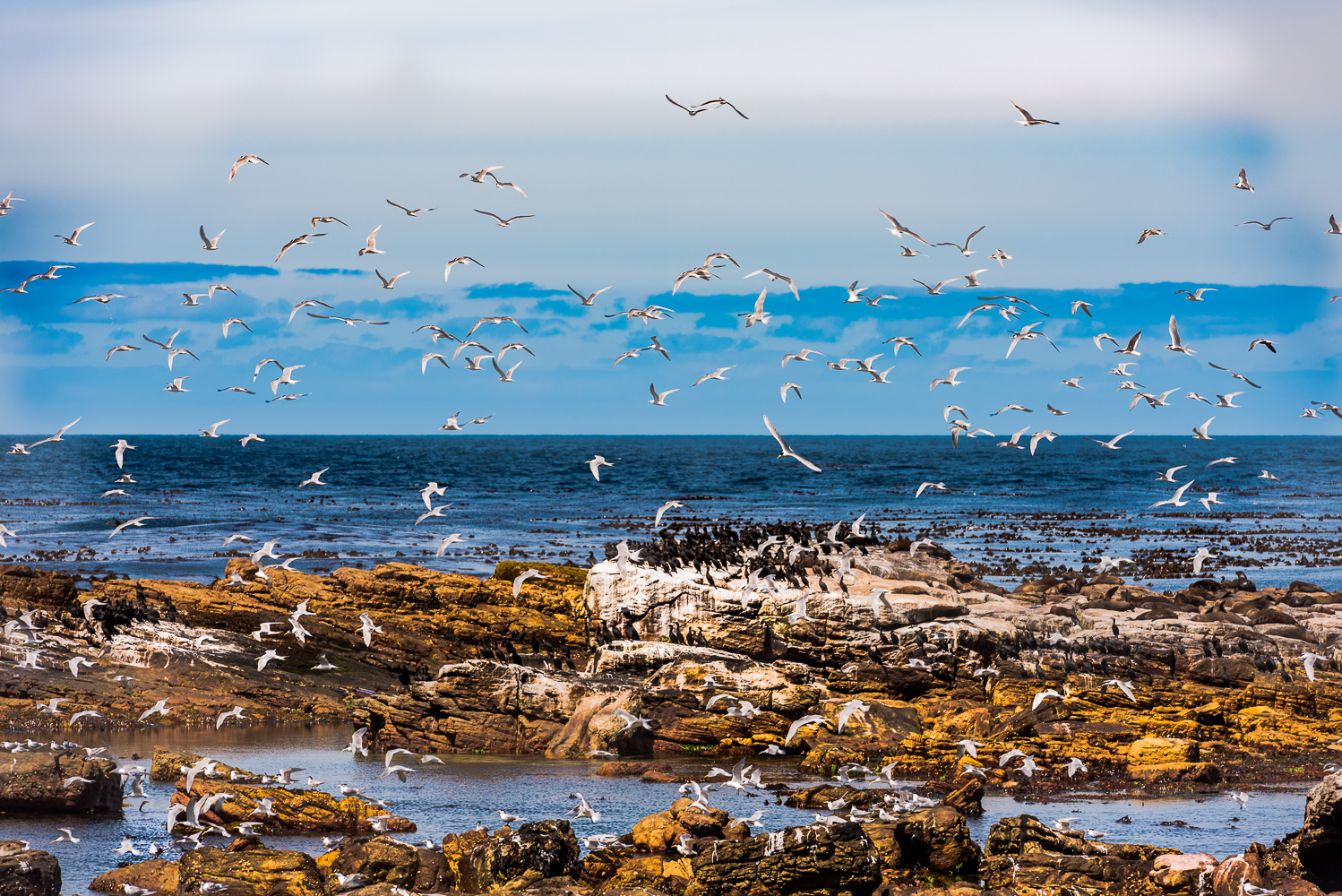
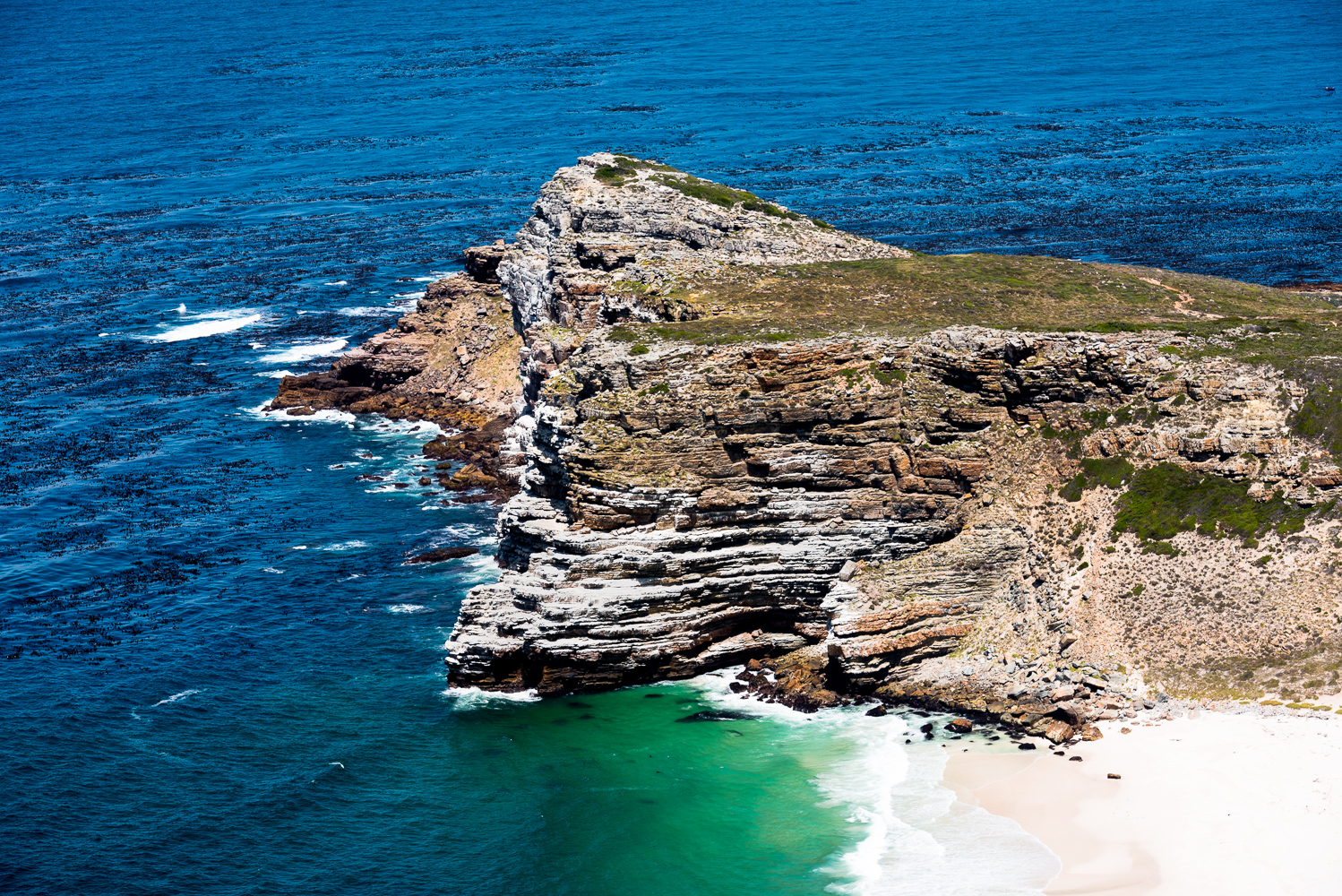
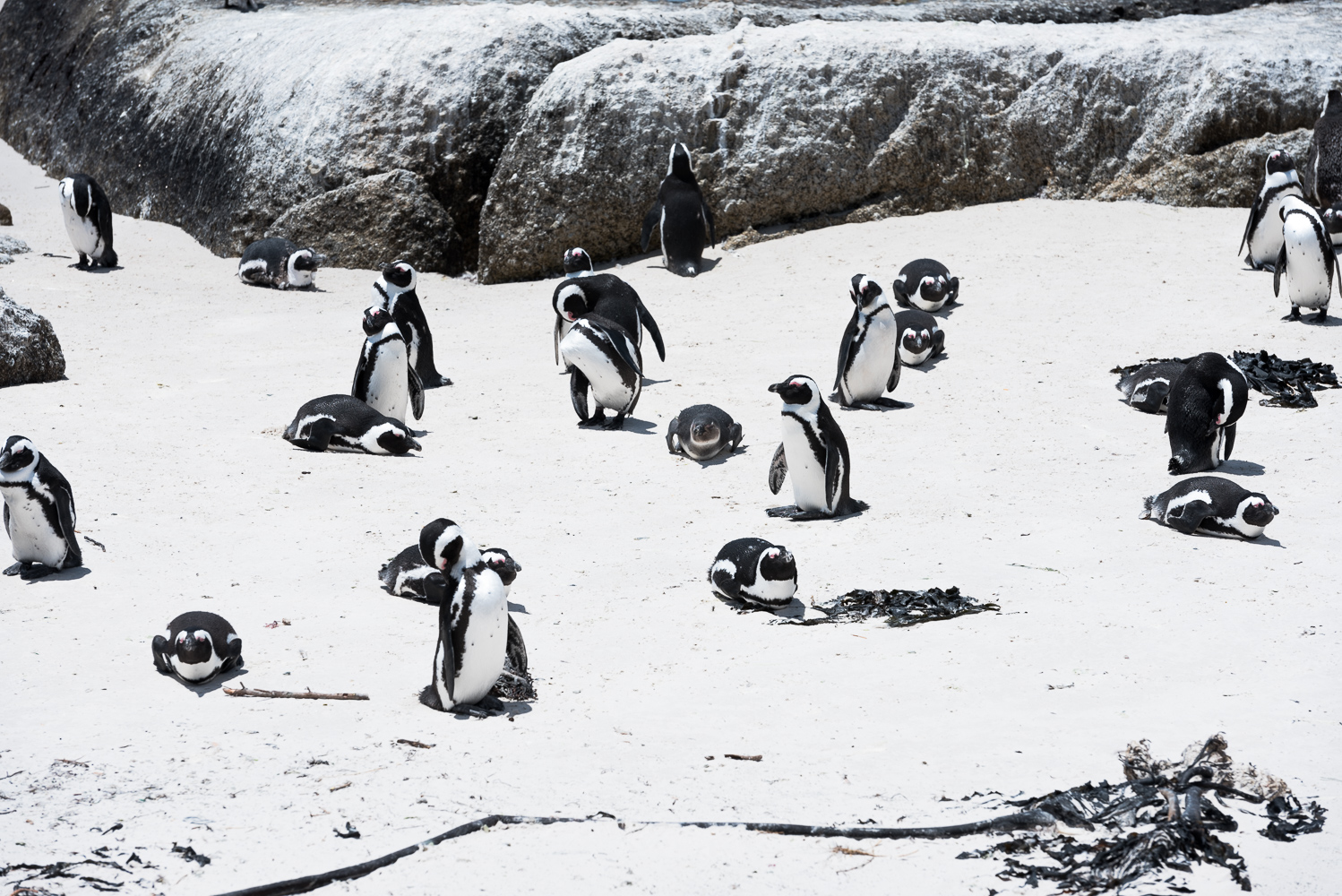
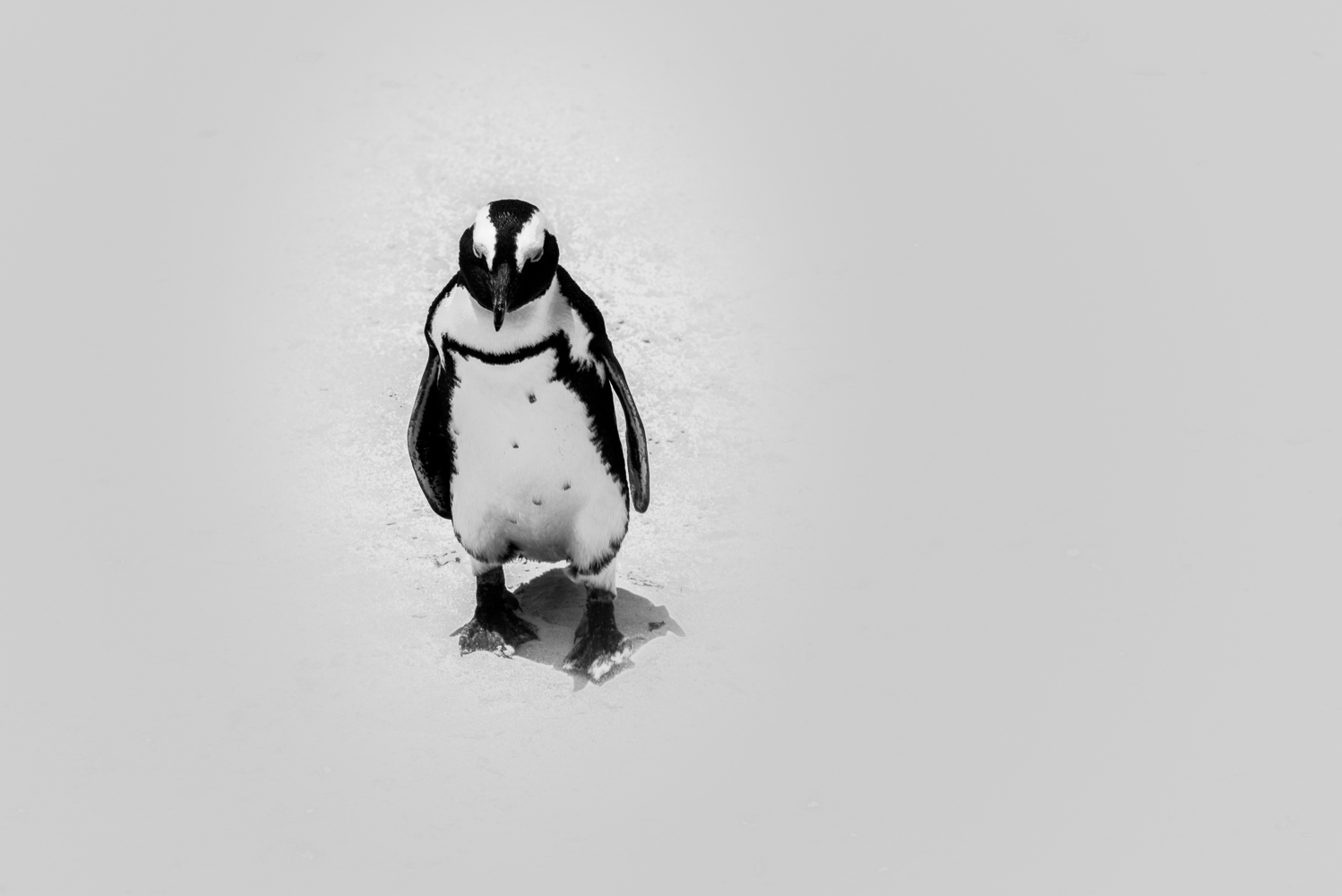
We spent a few days tooling around Cape Town, South Africa after beating the East coast storm by a day.  17 hours in the air is a lot of flight time, but it was well worth it. Cape Town is hopping in our neighborhood but once you get outside the upmarket areas, it’s a bit of a different story. Anyway, we got a chance to visit and have lunch at an excellent vineyard in the Stellenbosch region. We also went to the top of the Table Mountain—with the help of a cab—and went to see a colony of penguins on Boulders beach. We got a great view of the coastline, including the coast along the Cape of Good Hope.


We embark on the ship tomorrow and set sail Monday morning at 5:00 AM. Soon we will be on a photo Safari at the Thanda Game Preserve, where we hope to get photos of the Big 5 (Lions, Hippos, Rhinos and Giraffes). The Safari will be 2 nights in camp and 3 days tracking the animals.


Here below are a couple of shots from around Cape Town and its environs.


JFB


Read More
Joe Benning
Two Days in Lyon, France

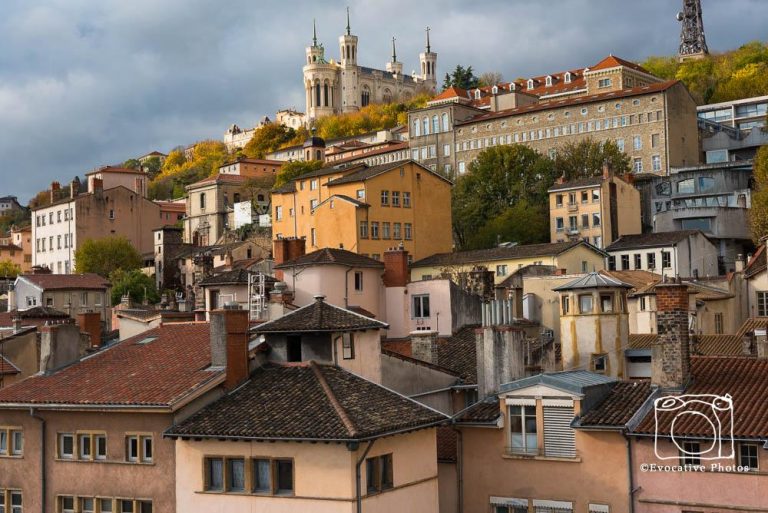
We spent a quick—too quick—couple of days in Lyon, France’s second largest city. According to Journal des Arts it is the second city for culture in France, coming in just behind Paris. The capital of the Lyon Metropolitan region, the city is a festival of museums, restaurants, cafes and historic architecture. We stayed in Vieux Lyon—the Old City—where we had stunning views of the town and could easily make our through the old streets to do some sightseeing. A quick ride in a funicular and we arrived at the Basilica of Notre-Dame de Fourviere, which overlooked the city.


Lyon, the gastronomical capital of France, is positioned between the Rhone and Saone Rivers, making it extraordinarily picturesque. In addition, Lyon is a college town. It is home to many well-regarded universities, and is ranked 34th in the world by students for desirability.


If you travel to France, it’s well worth a visit.


There are a few photos below of Lyon, taken in the Old City. Collections of photos taken in both Lyon and Paris are available in the galleries section. Licenses are available at www.evocativephotos.com


JFB

The Old City in Lyon, France

Lyon, France–November 6, 2017–Dwellings around the Old City section of Lyon. The Basilica of Notre-Dame de Fourviere is at the top of the hill. Editorial Use Only.

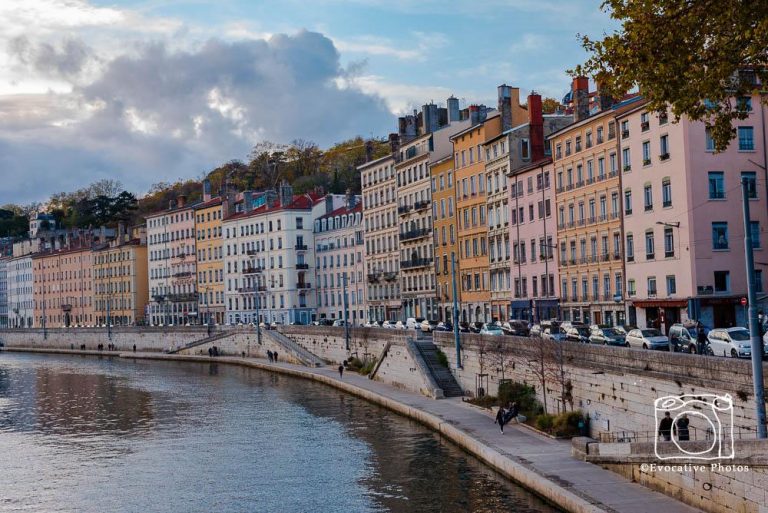
Building on the bank of the Stone River in Lyon

Lyon, France — November 5, 2017 — People, cars and colorful buildings on the bank of the Saone River in Lyon, France. Editorial Use Only.

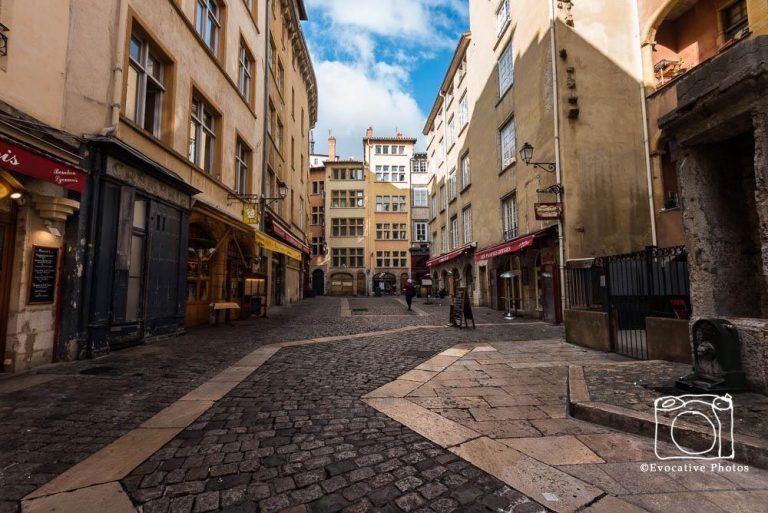
Side street in the Old City of Lyon

Lyon, France–November 6, 2017–Shops and Restaurants clustered in the Old City section of Lyon. Editorial Use Only.

The Stone River in Lyon, France

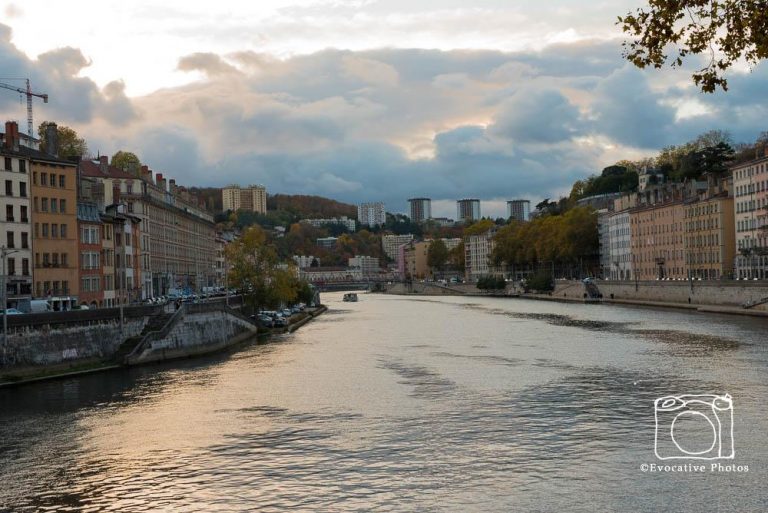
Looking down the Saone River in Lyon, France, at dusk.

SaveSave

Read More
This website uses cookies to improve your experience. Cookie Policy