Joe Benning Photography

  • J
  • O
  • E

Category: Europe

Joe Benning
Kotor, Montenegro

Kotor is a small city in a small country. The population of the entire country is only about 625,000; the population of Kotor only amounts to about 13,000 people. Nonetheless Kotor has one of the best preserved medieval old towns in the Adriatic. It is also a UNICEF World Heritage Sight, probably for that reason. The approach to Kotor involves navigating some spectacular fjords with views of majestic landscapes that have to be seen to be believed. 
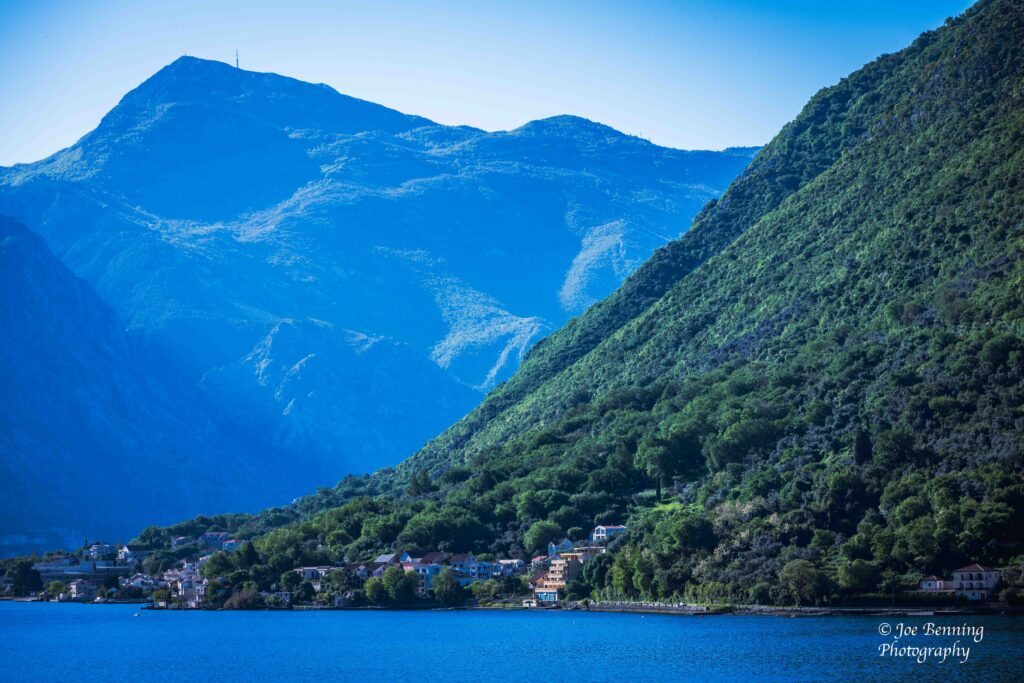
Approaching Kotor, Montenegro

After taking a tender ship in, we took a walking tour of the old city. We started the tour by entering through a city gate—all the medieval cities had high thick walls and gates to keep attackers like pirates away. The attackers this time were tourists. 

A Gate to the City of Kotor

When we passed through the gate into the heart of the city we quickly came across the Cathedral of St Tryphon which was originally built in 1166.  That’s worth thinking about when we Americans have developed the habit calling anything that’s been around for 100 years “old”. 
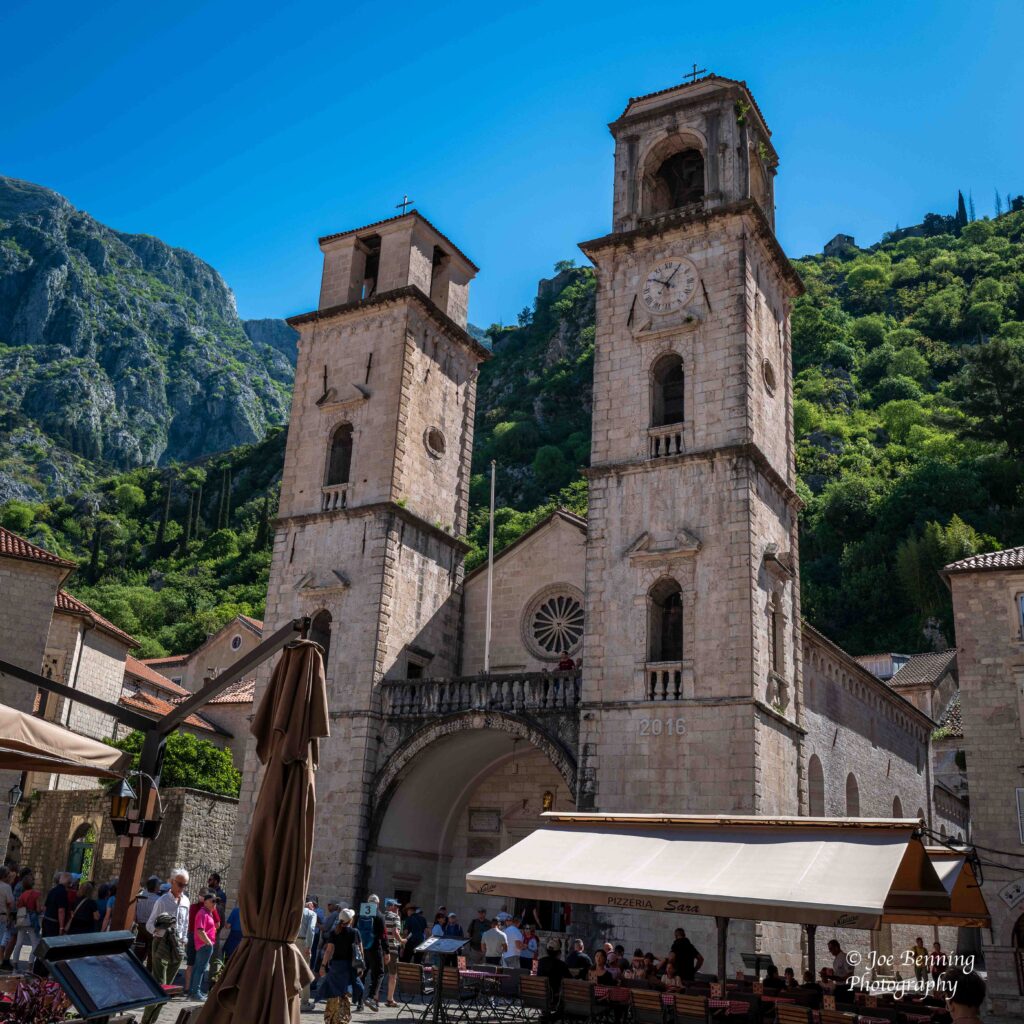
The Cathedral of Saint Tryphon in Kotor, Montenegro

Anyway we went into the church with our tour guide and gave it a look. I would say the best description of the inside would be “elegant”. 

Inside St Tryphon Church

Which is more than I can say about the hordes of tourists that invaded the city. We started our tour around 9:30 or so and by 10:30 a full scale invasion seemed to be underway. 
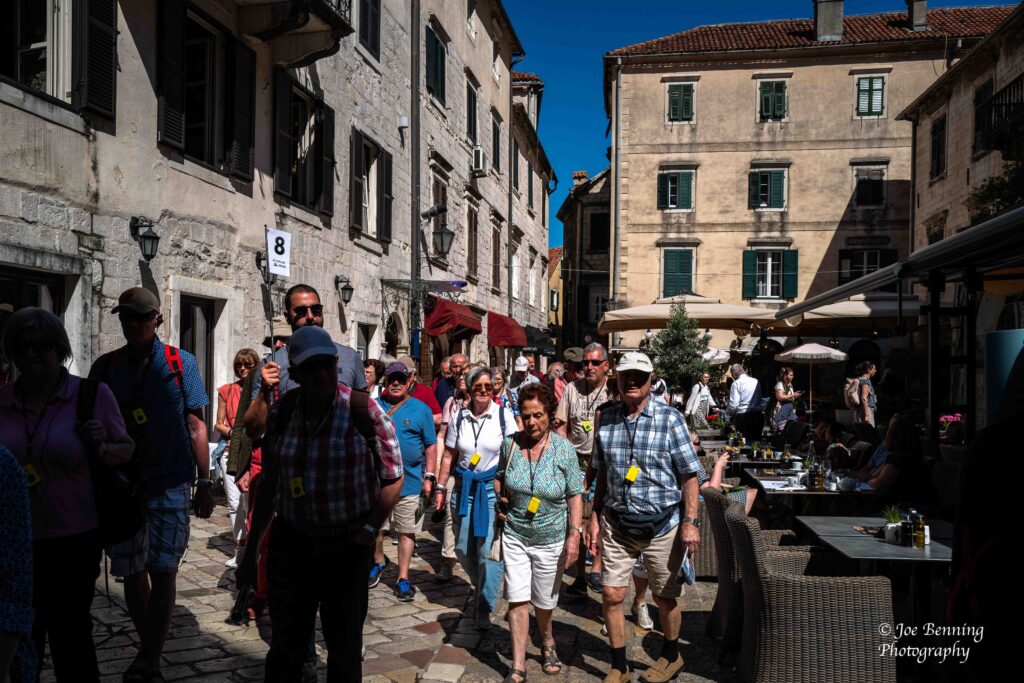
Tourists are Invading Montenegro

We knocked around the city for a bit more and saw the Serbian Orthodox Church of St Nicholas. The we went out for quite a nice lunch in a local place in town. 
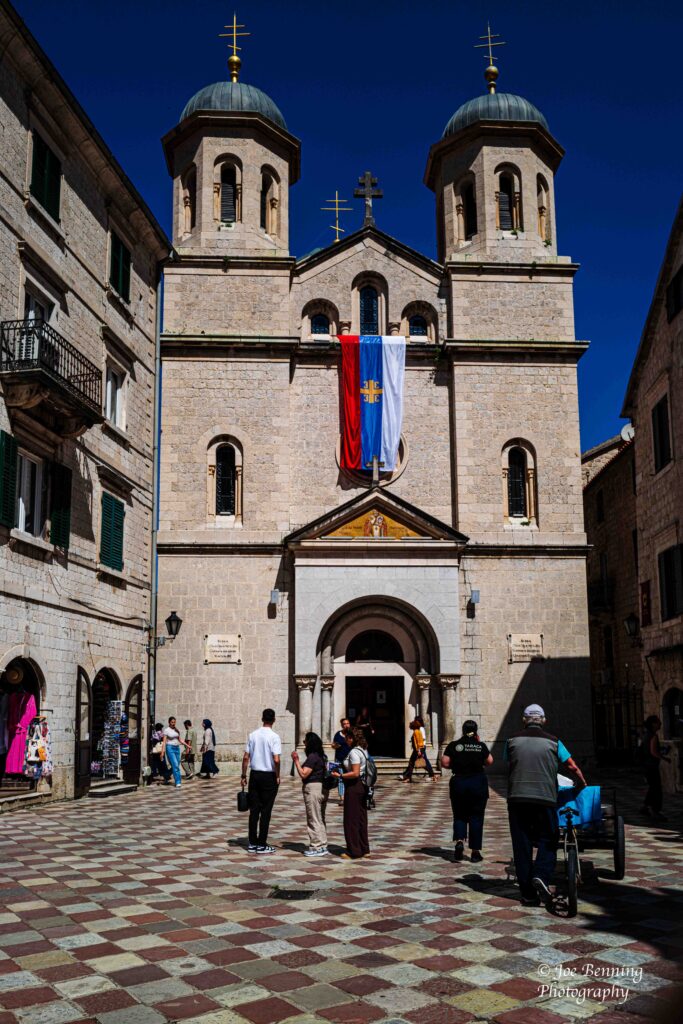
St Nicholas Church in Kotor

All in all, Kotor was a really nice place to visit. But it is easy to see why the townspeople have a love-hate relationship with the cruise ships that bring in so many visitors—and the headaches that come with them.

JFB
Read More
Joe Benning
Back to Croatia

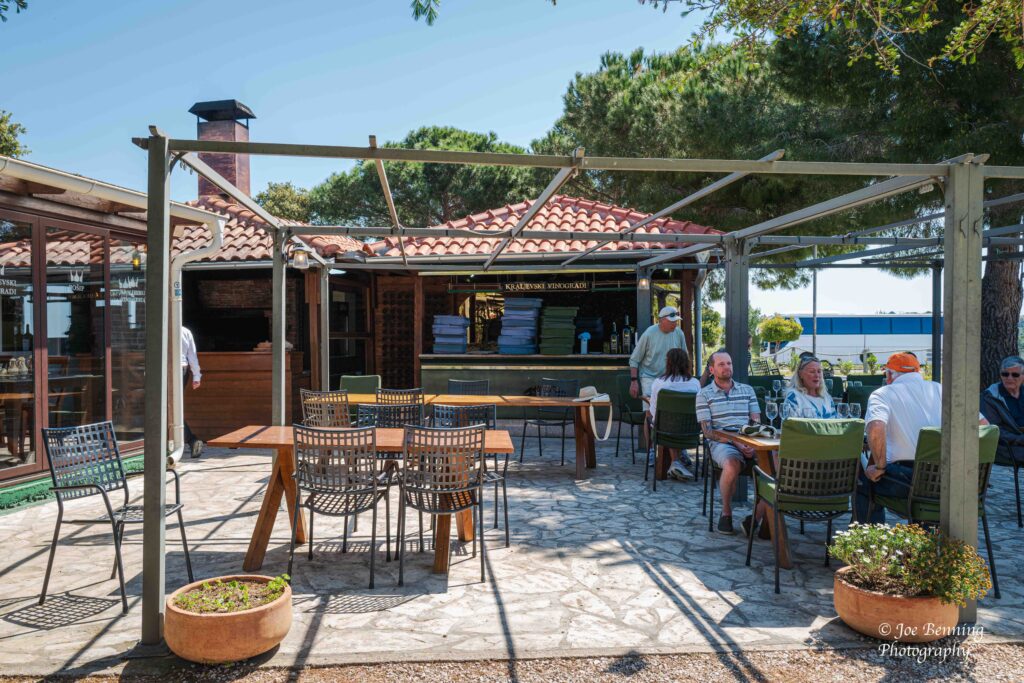
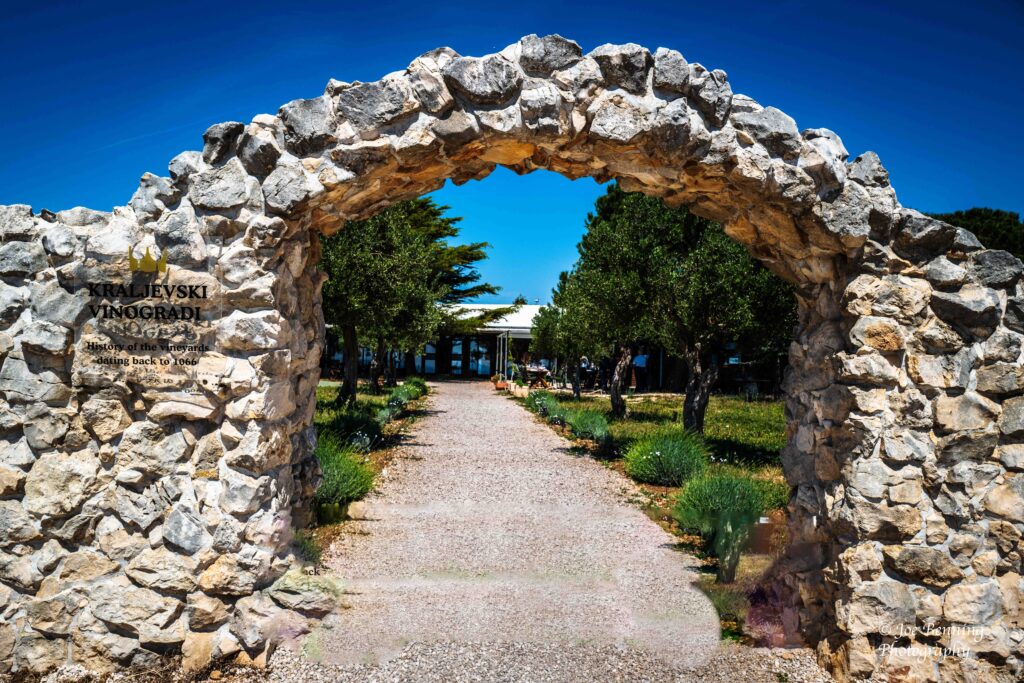
On Tuesday we headed to Zadar, Croatia to a vineyard named Kraljevski Vinogradi, which translates to Royal Vineyards. Needless to say we went there for a lunch and wine tasting. We thus fulfilled a cardinal rule of travel: Never miss a wine tasting.  

Entrance to the Vineyard

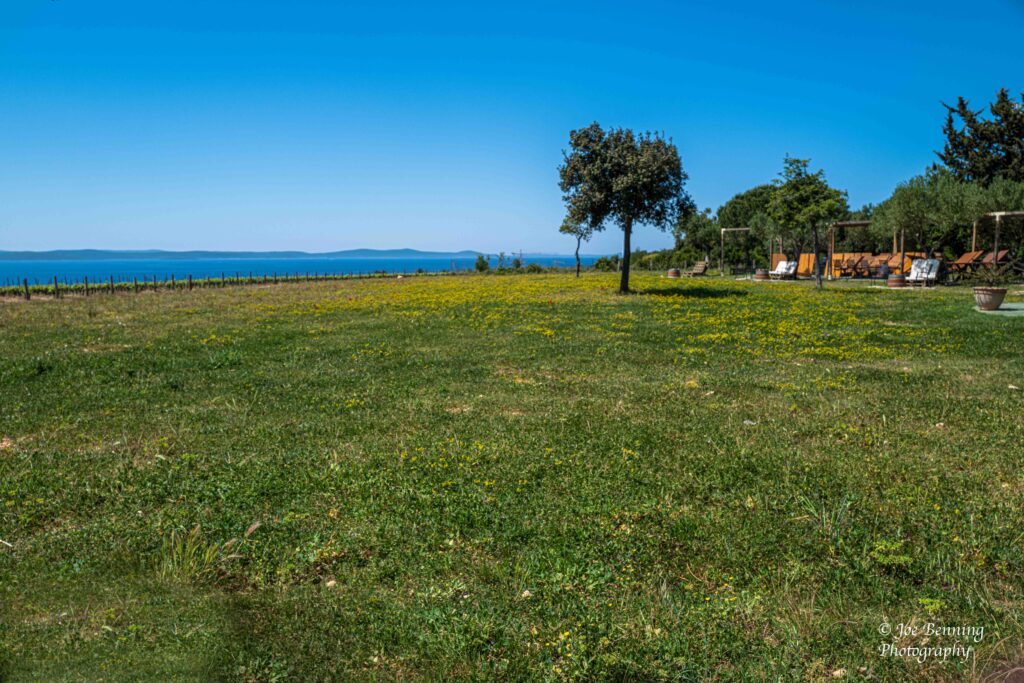
The vineyard is located way up in the hills with a breathtaking view of the acres of grapevines leading down to the Adriatic Sea, which is clearly visible as well. As it happens, a chunk of the equity in the vineyard is owned by the Zadar Benedictine nuns. 

Grapes Growing at Kraljevski Vinogradi

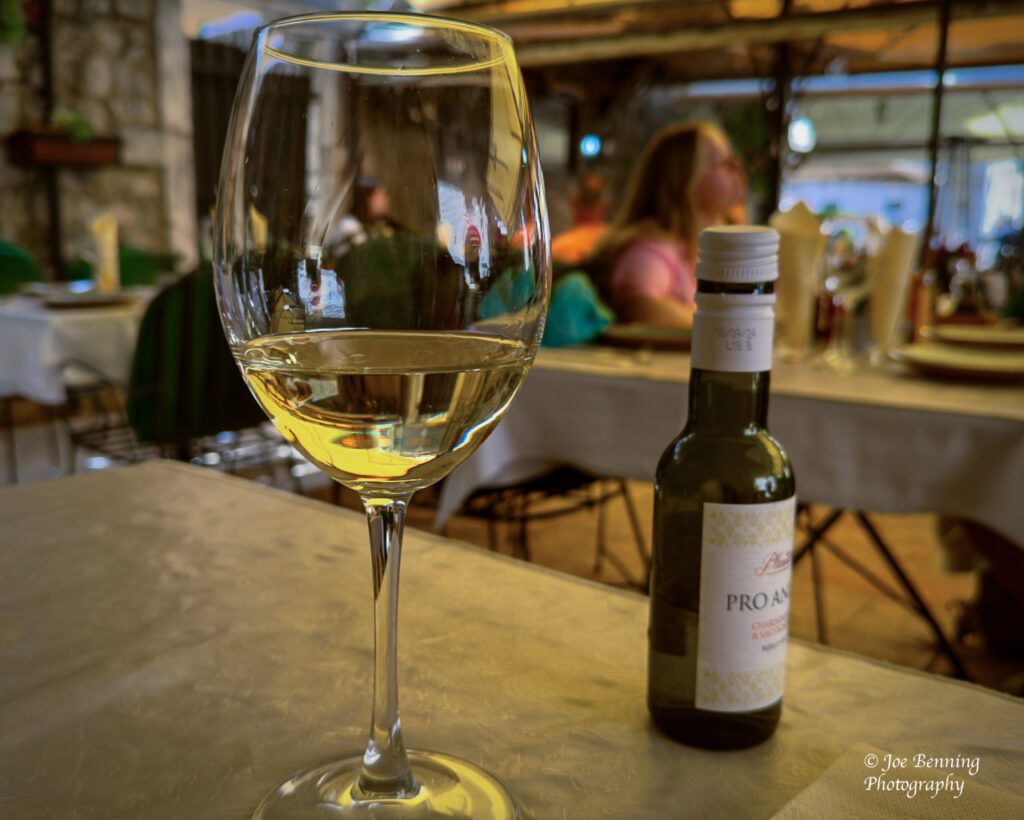
Lunch was very nice and so was the wine. We tried several glasses. First came the Rosé Scuro. Next was a white wine made with the Pošip grape that is primarily grown in the Dalmatian coast of Croatia. Finally there was a red wine made with a combination of ancestral Zinfandel and Dobričić grapes. Those grapes are primarily grown in the Dalmatian coast of Croatia as well. 

Outdoor Restaurant at Kraljevski Vinogradi

After lunch, which consisted of a tuna pâté, cheeses and figs, we wound up buying a bottle of the Punta Skala white. All in all it was very relaxing and a highly recommended way to spend an afternoon.

Vineyard Grounds

JFB

Read More
Joe Benning
Venice, Italy

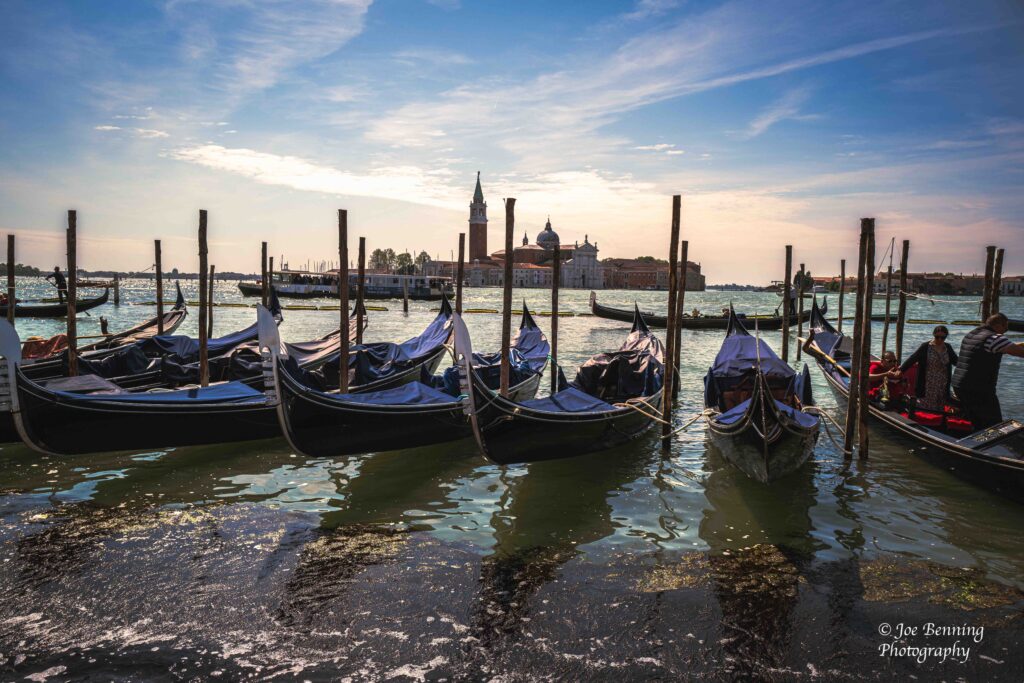
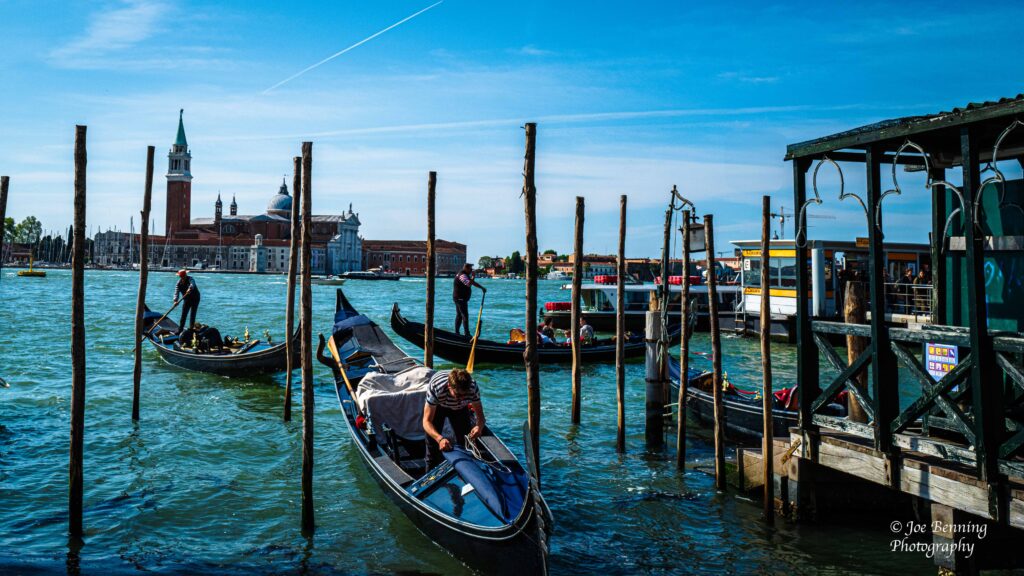
Gondolas, Piazza San Marco, Fine Stores, Cafes and Restaurants. What’s not to like about Venice?

Gondolas Tied Up on the Grand Canal

We docked in Fusina on Sunday largely because cruise boats can no longer dock in Venice. That is because Venice is trying to achieve 2 goals. First, they want to control damage to the city caused by big tour boats. Second, they want to restrict overcrowding by tourists. It is all a work in progress. 

Note that we arrived early in the season, docked early and made our way into the city fairly early—and by the time we left at noon, the crowds were already beginning to swell.  By mid May (at least) the city will be packed. 

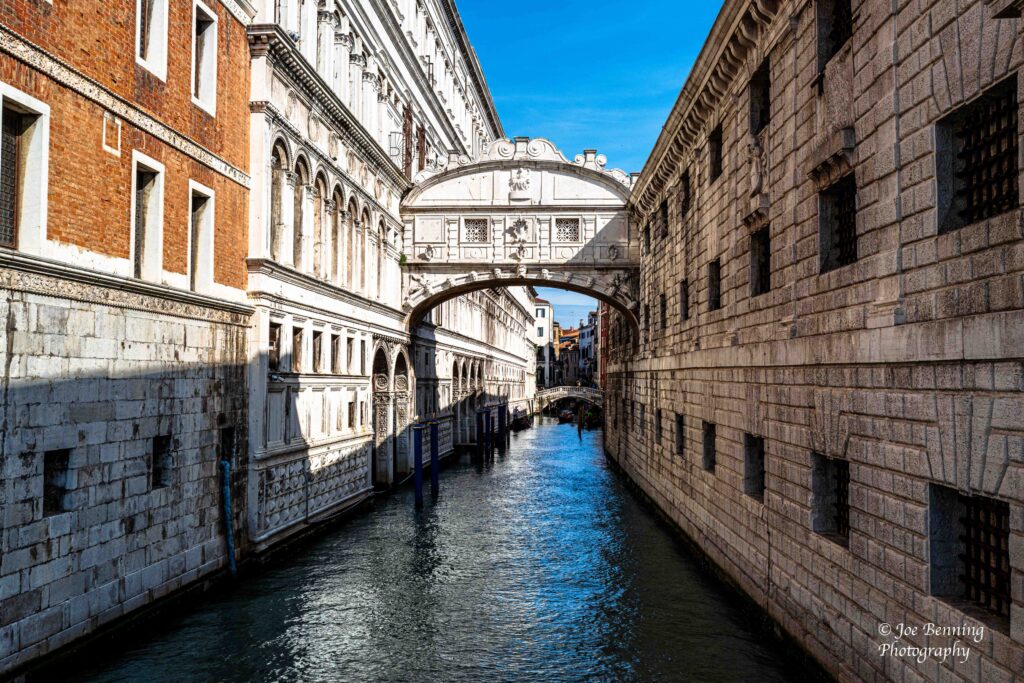
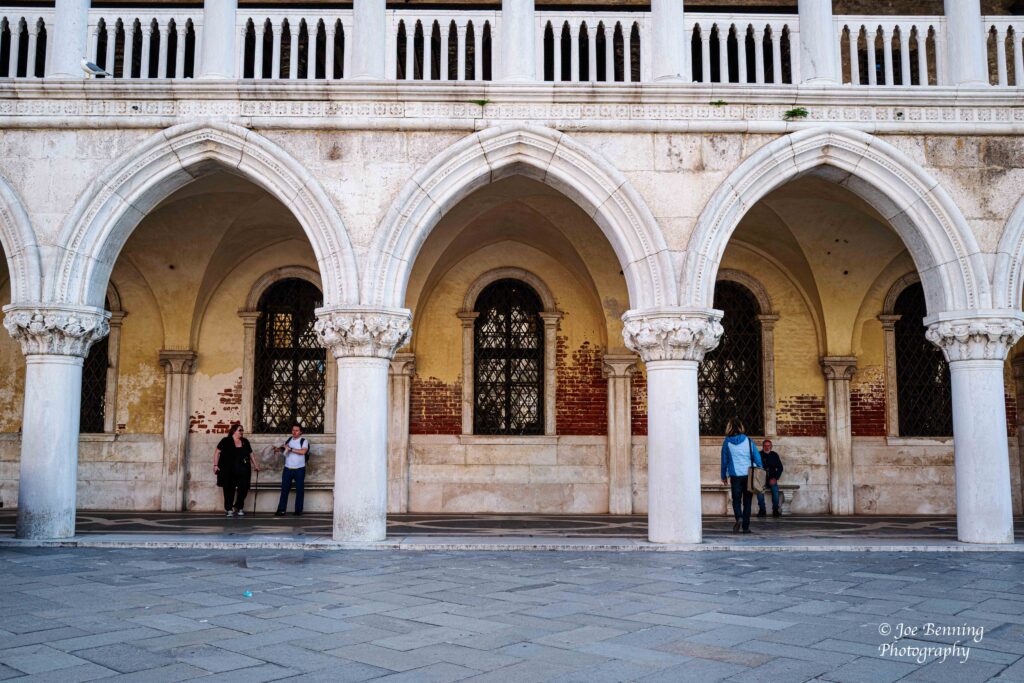
It is not difficult to see why tourists flock to the city. In addition to its storied history, the city is physically beautiful. The beauty of the architecture is overwhelming. There are also historically important buildings, palaces, churches and works of art on almost every block. 

The Bridge of Sighs in Venice
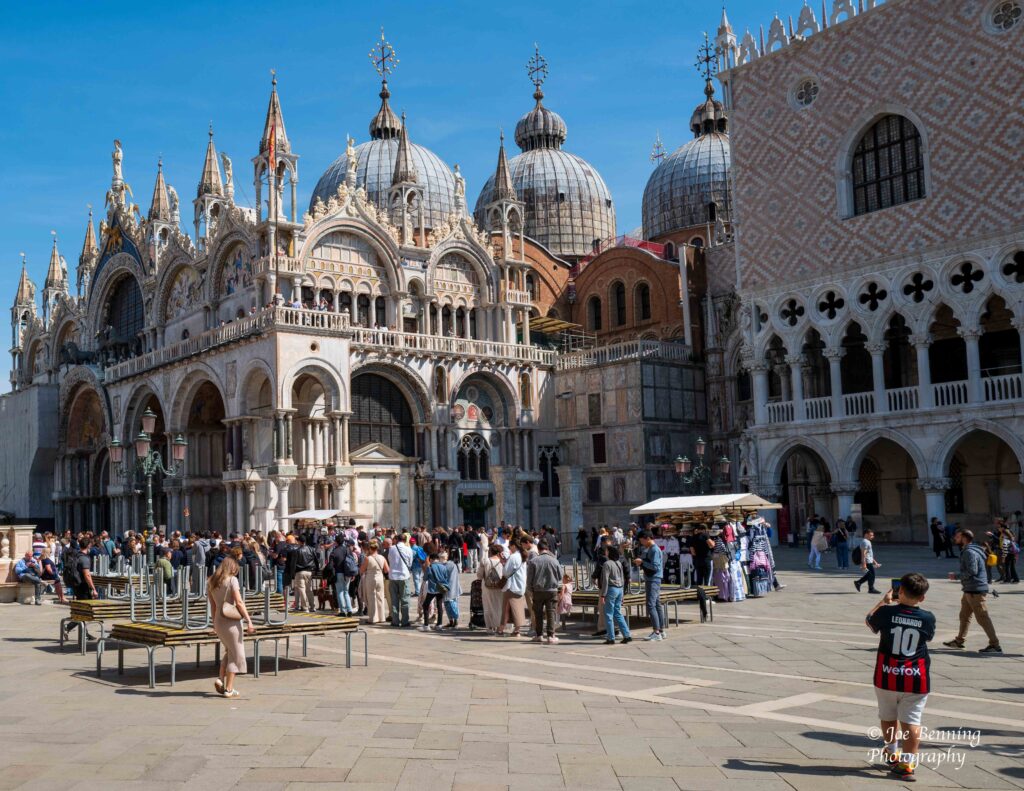
Piazza San Marco in Venice
St Mark’s Square

Venice is becoming more commercialized by the day as commercial incentives clash with ongoing attempts at preservation. And while it is true that Venice is sinking a few centimeters a year, it is also true that it has been sinking for a very long time. How it all ultimately turns out is anyone’s guess.

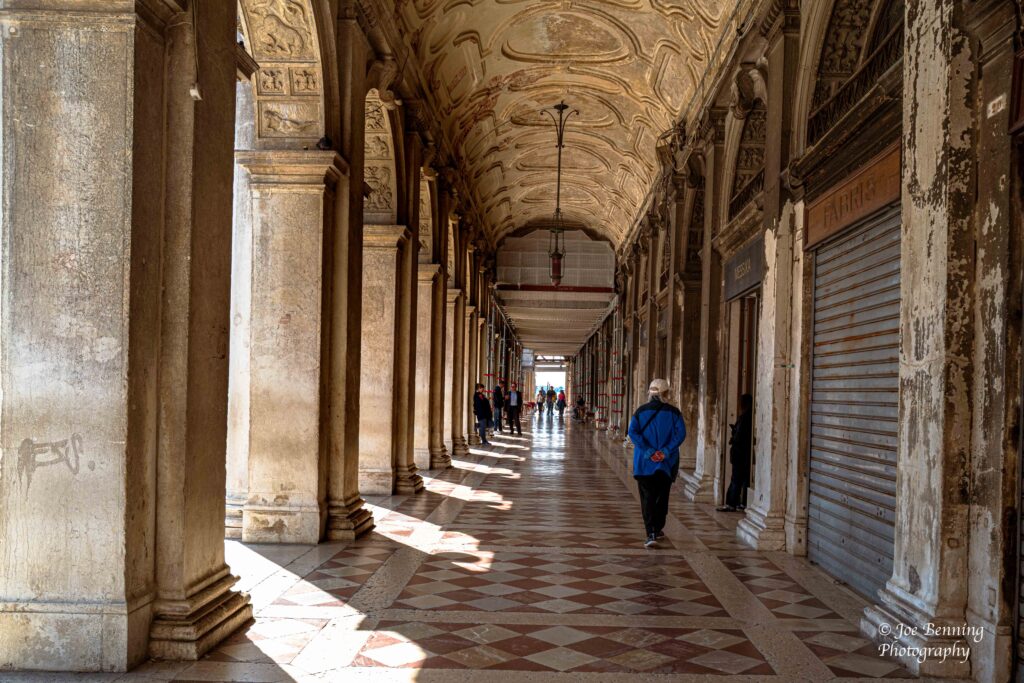
Hallway of Shops in St Marks Square
Near St Marks Square

In the meantime, if you get a chance, go to Venice. The magnificence of the city is almost indescribable. Check that, it isn’t almost indescribable; it is indescribable. You should see it while you can. 

JFB
Read More
Joe Benning
Thessaloniki and Volos, Greece

We are back in Greece now, where we had a nice walking tour of Thessaloniki, Greece’s second largest city (after Athens).  

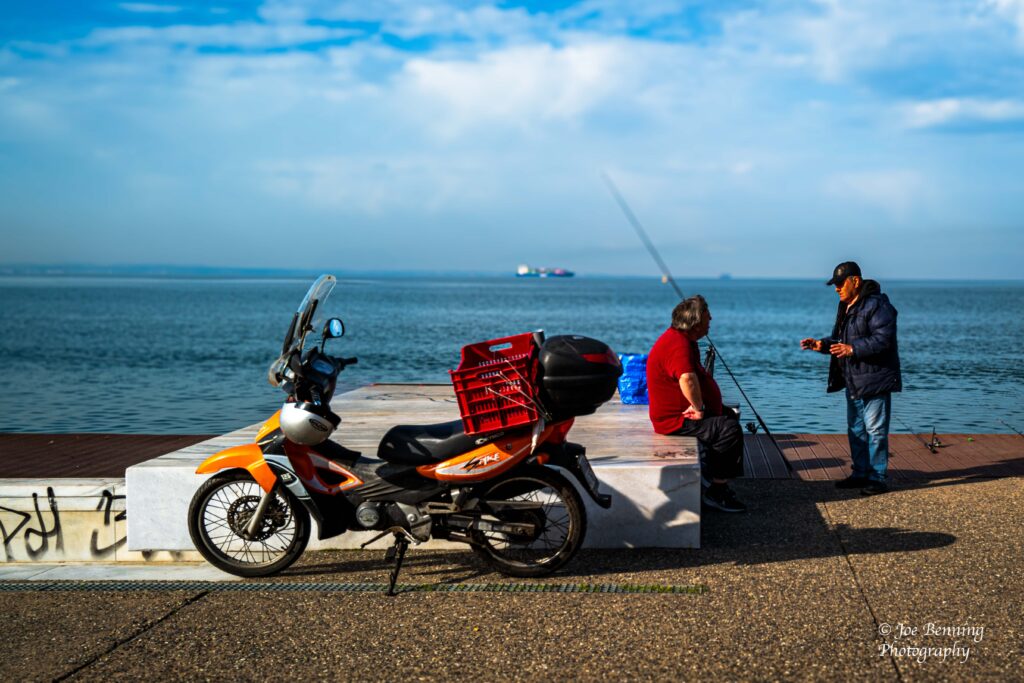
Fishermen in Thessaloniki

Again, tons of history in this city, some reflected in its archeology museum, and much in the monuments all over the city (including Alexander the Great ).  

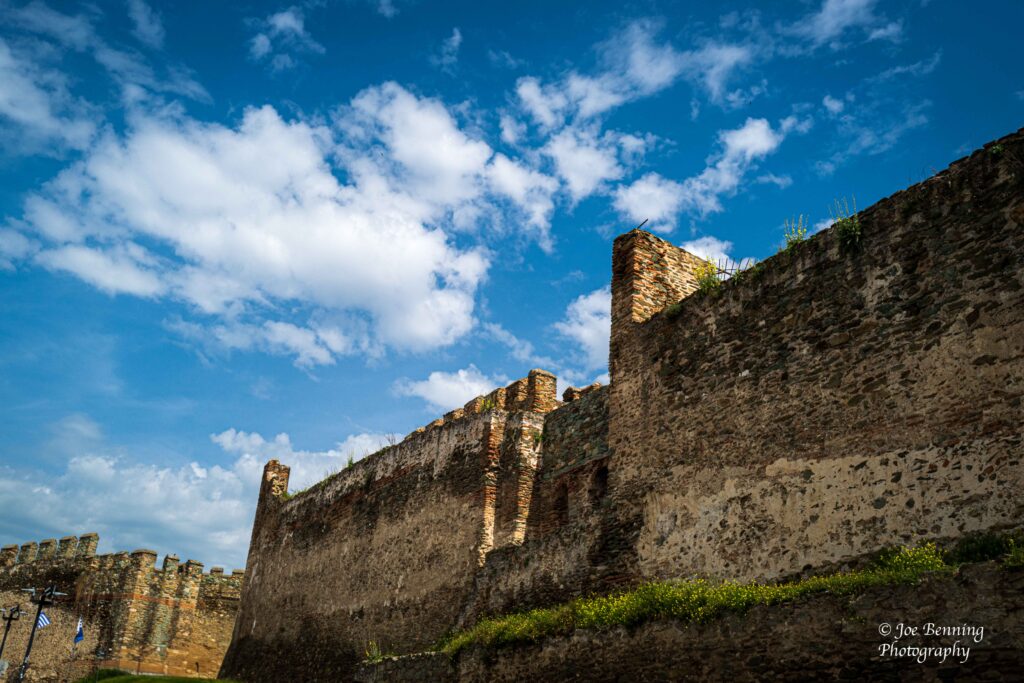
Wall of the Old City in Thessaloniki

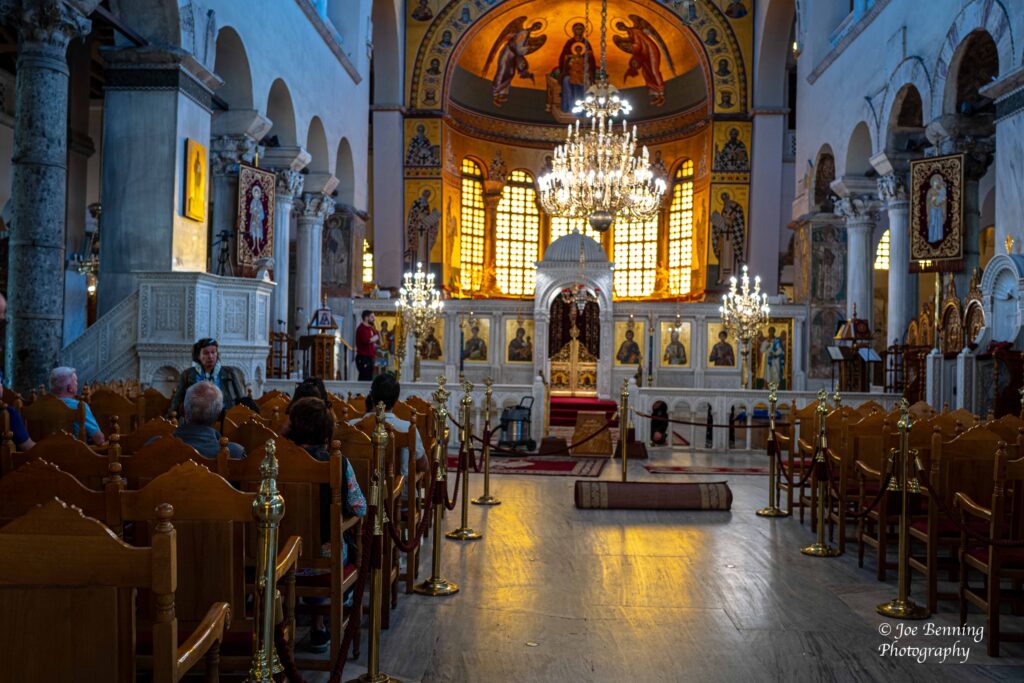
We spent a good deal of time in the Church of St. Dimitrios, learning about the Greek Orthodox church, and some of the ways it differs from the Roman Catholic church.  

St Dimitrios Greek Orthodox Church

Workers in churches all over Greece were busy on Holy Thursday preparing for Easter rituals and proceedings.   Lucky for us, Holy Thursday was the day for our visit to Thessaloniki.  We saw many Epitaphios (the embroidered or iconographic cloth depicting Christ after his removal from the cross).  A wooden canopy, decorated with flowers, carries the epitaphios in a solemn procession on Good Friday evening.  

Volos

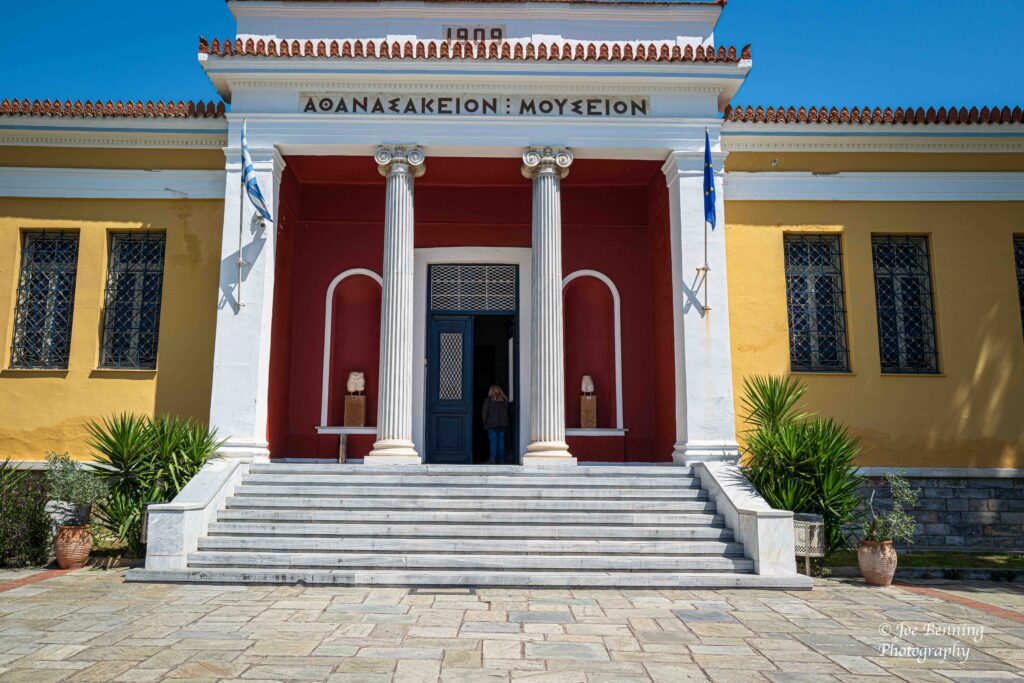
After Thessaloniki we headed to Volos, a much smaller town with lots of history (of course).  Another visit to the archeological museum in Volos, and then a trip to the nearby village of Milies.  

Archeological Museum in Volos
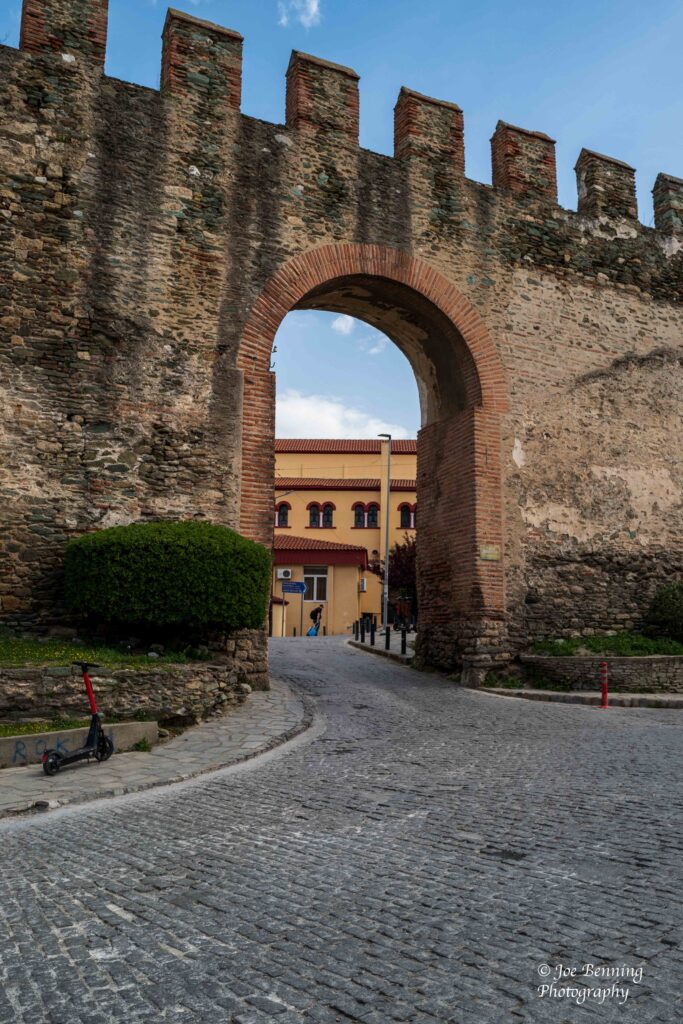
Gate through the Wall in Milies

Milies means “apple trees” in Greek, and the region produces beautiful, tasty apples, along with flowers and many other crops. 

Milies is one of 24 small towns on the Pelion Peninsula in the Thessaly region of central Greece.  These small old towns are hidden high in the hills, because it did not make sense to live on the coast in the days when pirates were attacking coastal cities.

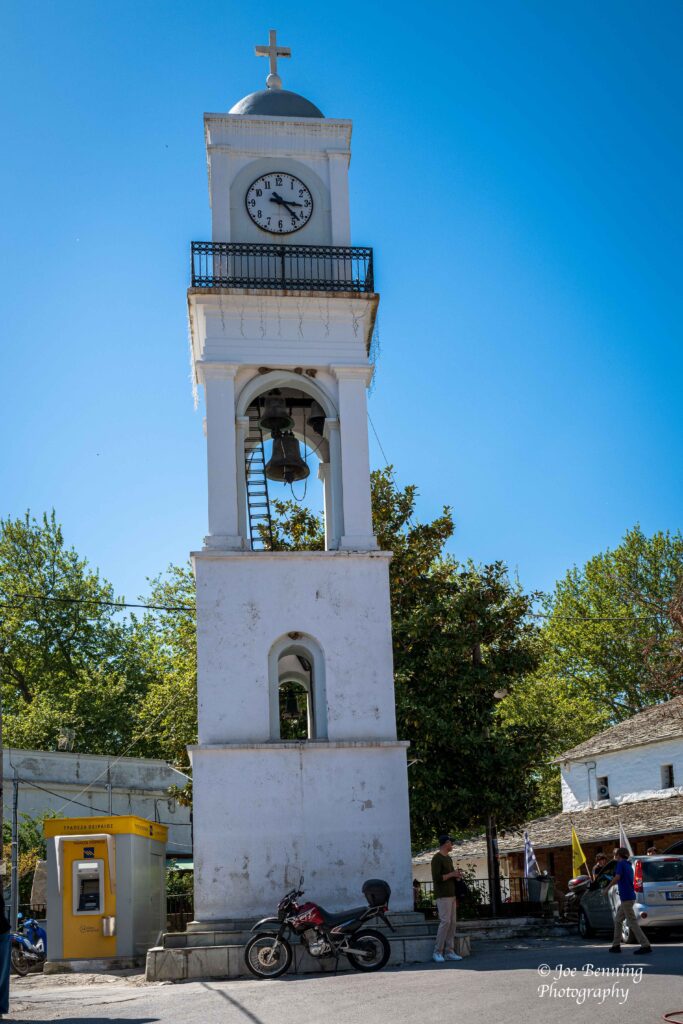
Bell Tower in Milies, Volos

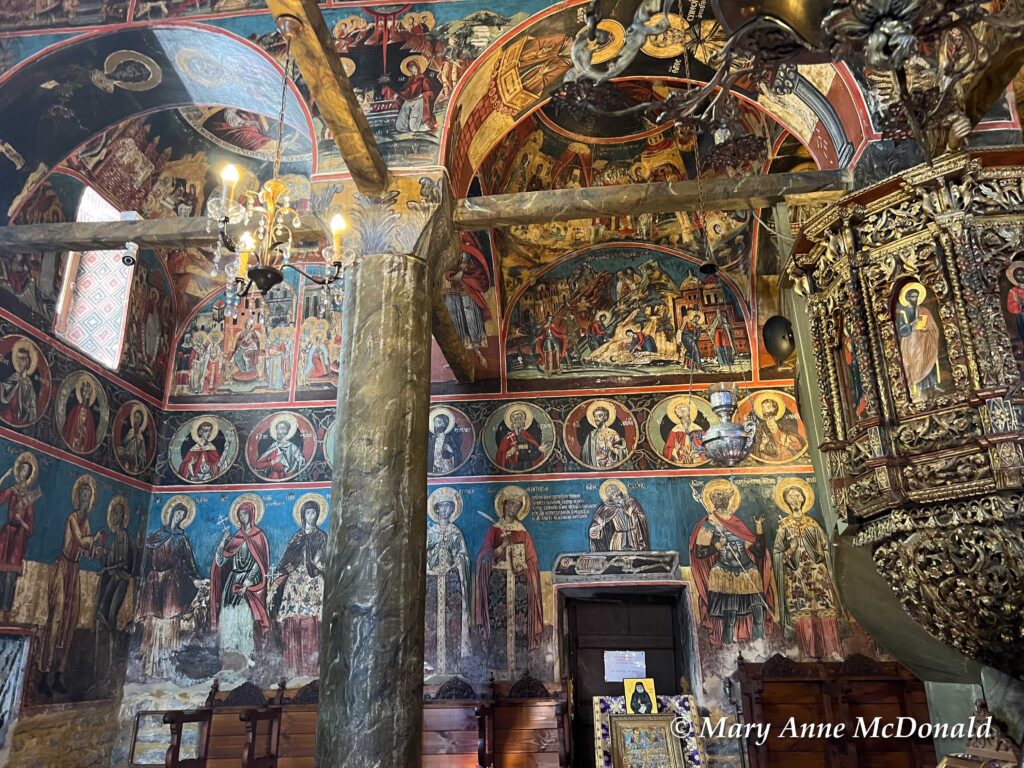
The Church of the Holy Archangels, a Greek Orthodox church, is located in Milies.  It is very small but the interior is ornately decorated with many frescoes. 

Church of the Archangeles

There is a beautiful entry to the church where candles may be lit for special offerings. When we visited the church on Good Friday, the church had another Epitaphios on display. Holy Week is a special time to be in Greece and learn about the Greek Orthodox church.  This year is the first time in 1700 years that the Roman Catholic and Greek Orthodox churches will celebrate Easter on the same day. 

We plan to go to a Mass on Easter in Athens to be concelebrated by the ship’s chaplain. 

MAM & JFB
Read More
Joe Benning
Docking in Lisbon, Portugal

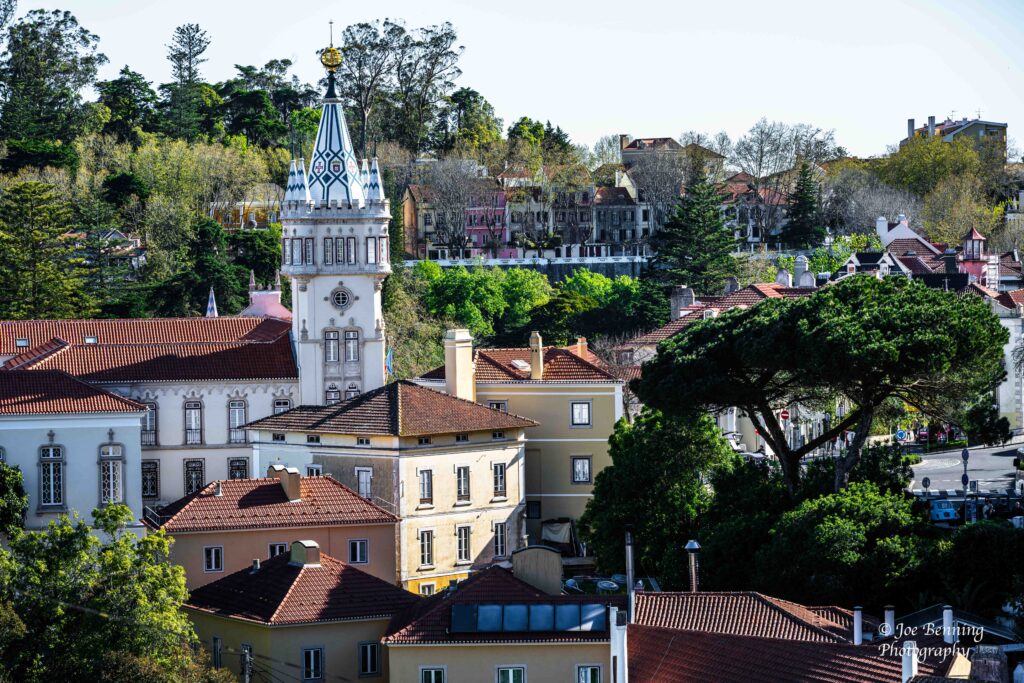
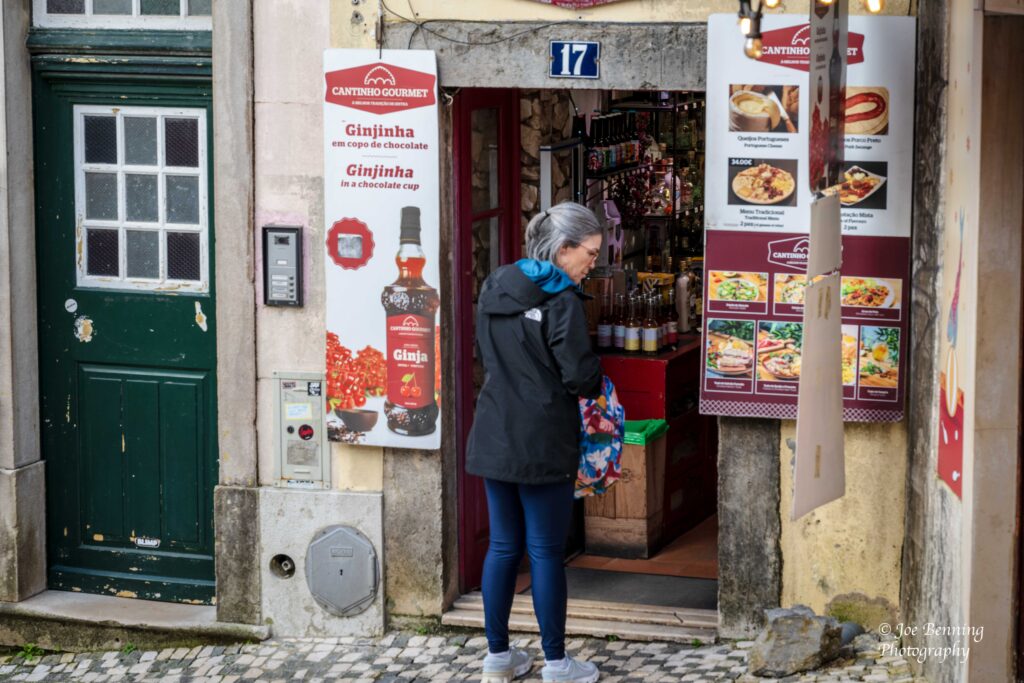
After leaving Portimão, we sailed to Lisbon (AKA Lisbao) and we docked there for 2 days.  Upon arriving we headed out for Sintra, reputed to be a charming medieval town.  I can report it was everything it was cracked up to be. 

Sintra

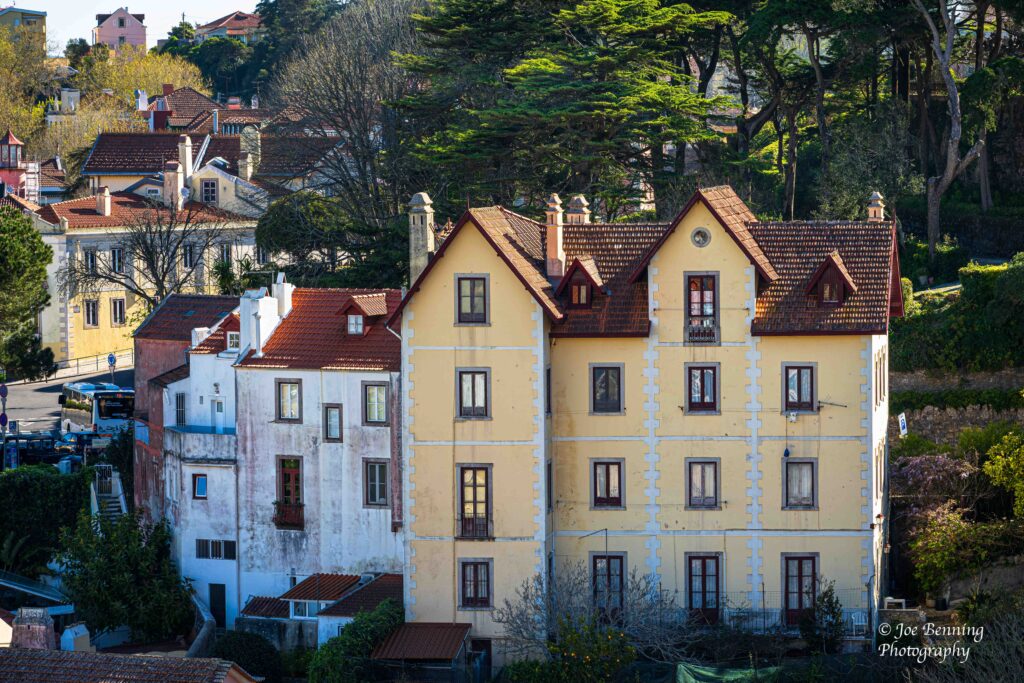
Sintra is a small town with population about 385,000 people. It is densely populated and it is a major tourist attraction, but it certainly isn’t a tourist trap. It is picturesque, with several palaces, castles, parks and gardens. It is famous for its Romanticist architecture and is designated as a UNESCO World Heritage site. As it should be. 

The Town of Sintra Portugal

Sintra is not just a beautiful city. It is also very wealthy; in fact it is one of the wealthiest cities in Portugal in addition to being one of the wealthiest cities on  th entire Iberian peninsula. Not surprisingly,  it continues to rate as one of the most desirable places to live in Portugal. It also has the largest ex pat community on what the locals consider to be the Portuguese Riviera. 

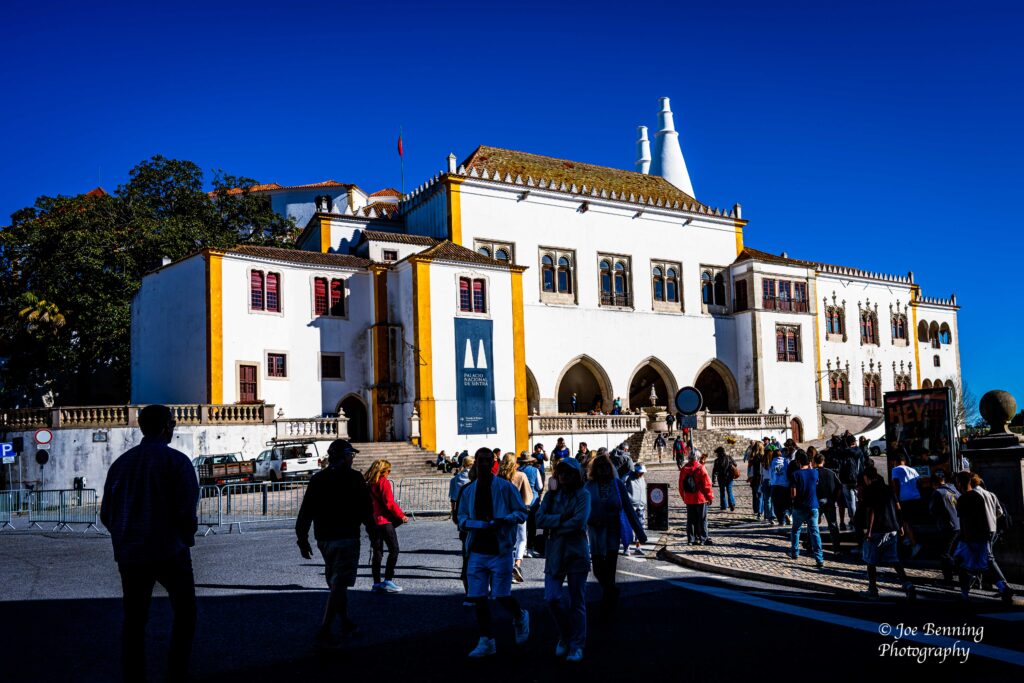
The Sintra National Palace; now a Museum

All in all, Sintra has an excellent reputation. It is well deserved. 

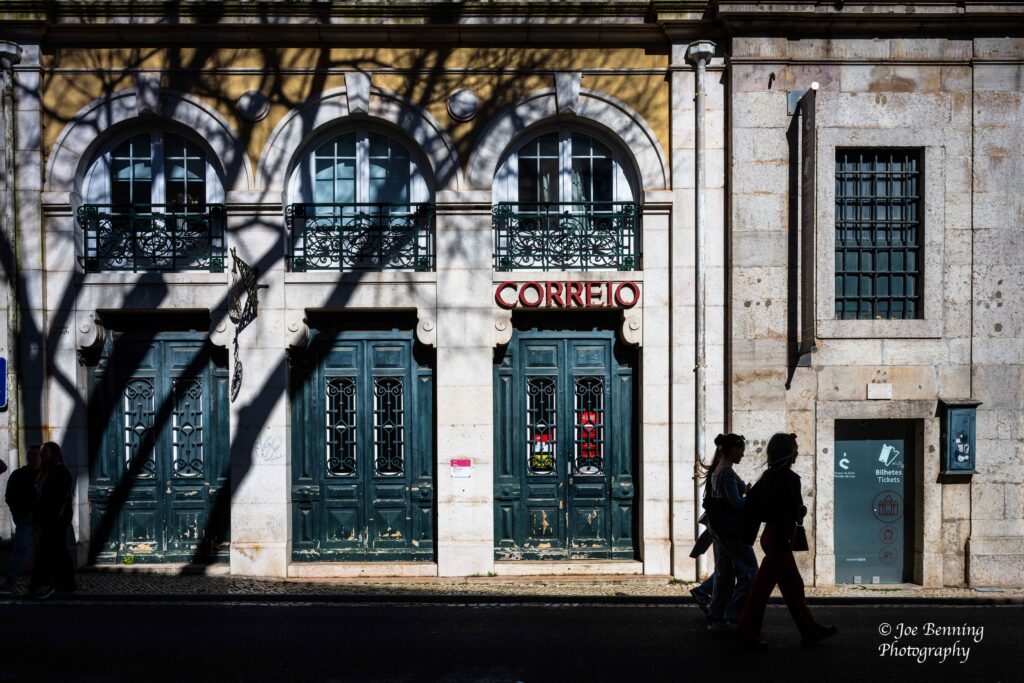
Sillhouettes in Sintra
Shopping in Sintra
Old Fashioned Telephone Booth

JFB
Read More
Joe Benning
Europe at Last !

On March 22 we docked in Europe by way of Gran Canaria, one of the Canary Islands. The Canary Islands are part of Spain even though they are only a few hundred miles from the coast of West Africa. And it shows. The towns are clean and elegant and they definitely have a European vibe. 

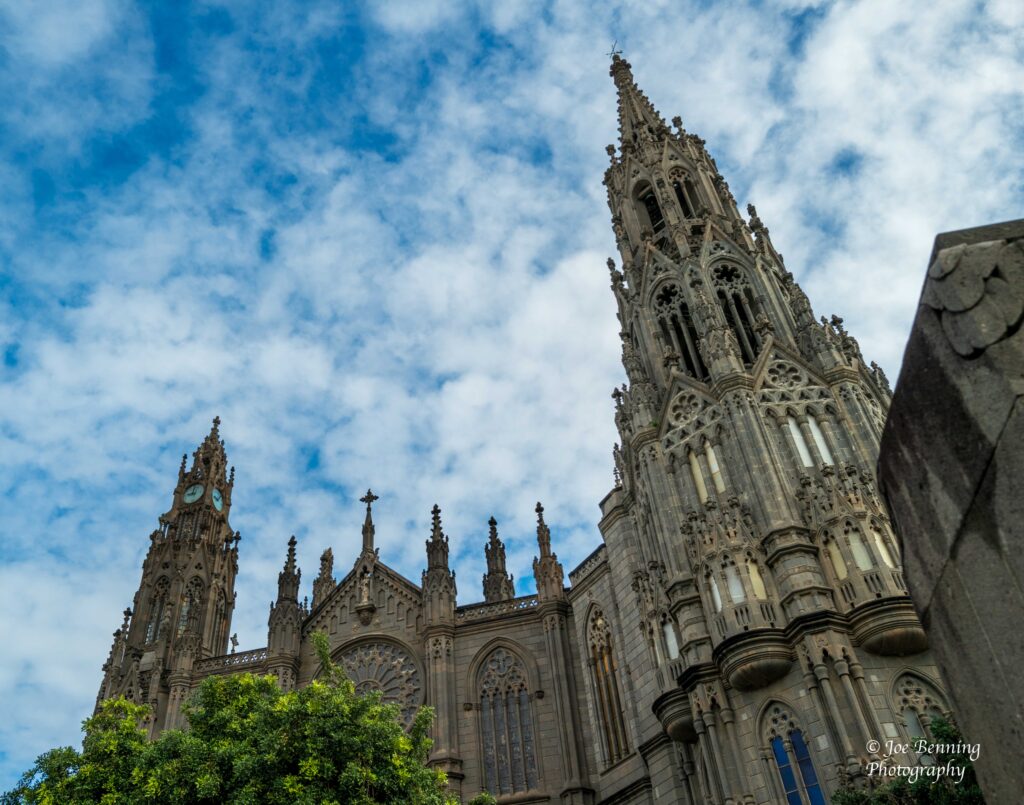
We went on a tour that brought us to the towns of Arucas and Teror. One of the first things we saw upon arriving in Arucas was the Church of St Jean the Baptiste (San Juan Bautista). Begun in 1909 it opened for worship in 1917 and was finally completed in 1977. 

Church of St John the Baptiste in Arucas, Gran Canaria

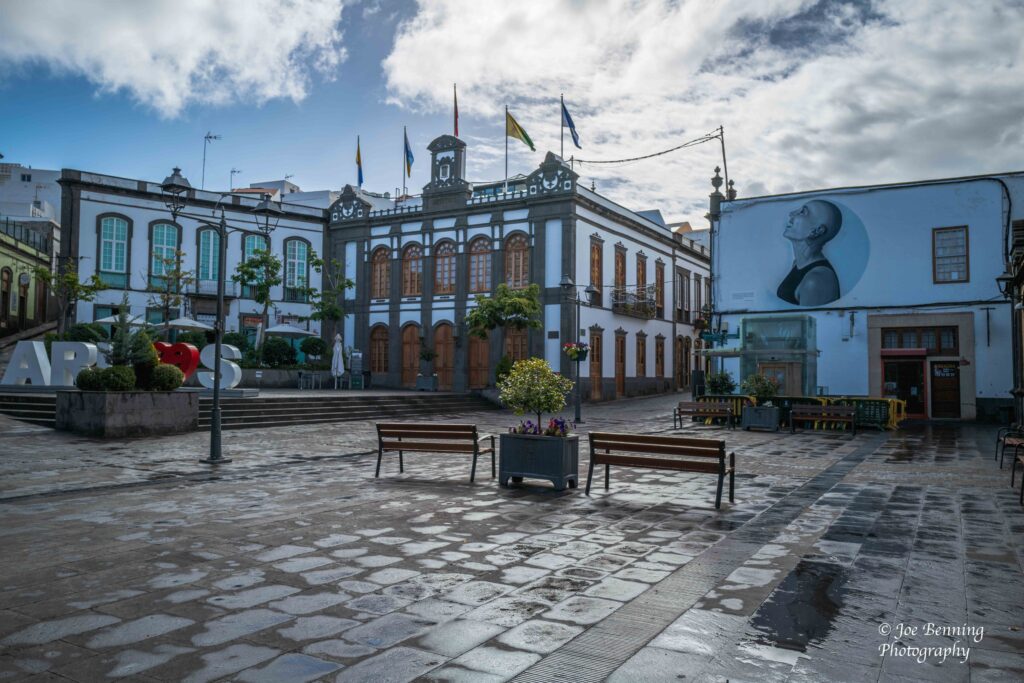
After that, we bumped into a town square in the Old Section with its beautiful traditional European architecture. 

Arucas, Gran Canaria — March 22,2025. Town Square in Arucas

The next town we visited was Teror. 

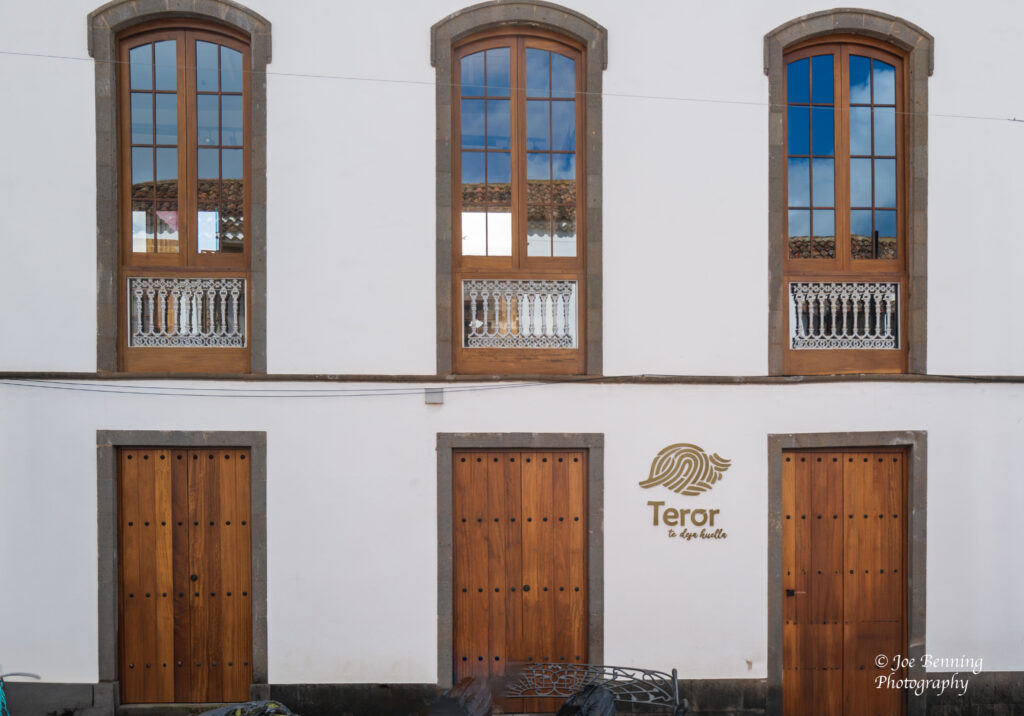
Doors & Windows in Teror, Gran Canarie

Among other things, the town looks like it was almost designed for tourism. Not for tourists dragging a crew of 8 year-olds around mind you, but for tourists who really want to see some old world elegance. 

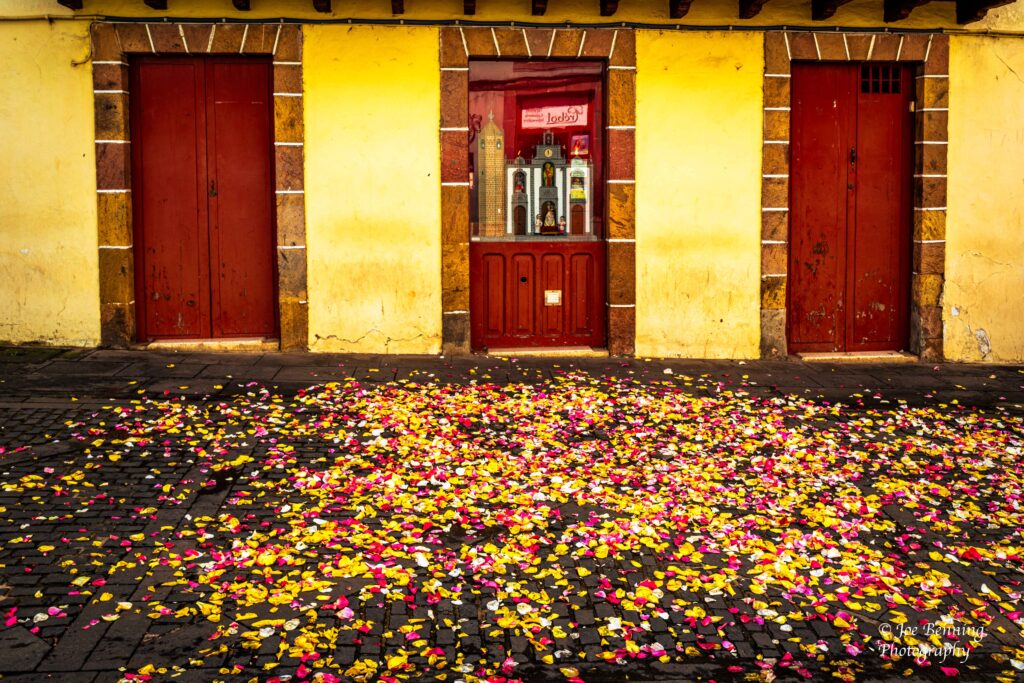
As if they wished to emphasize the point, a few of the shops had flower petals strewn about on the street in front of them.

Shop Doors and Flower Petals

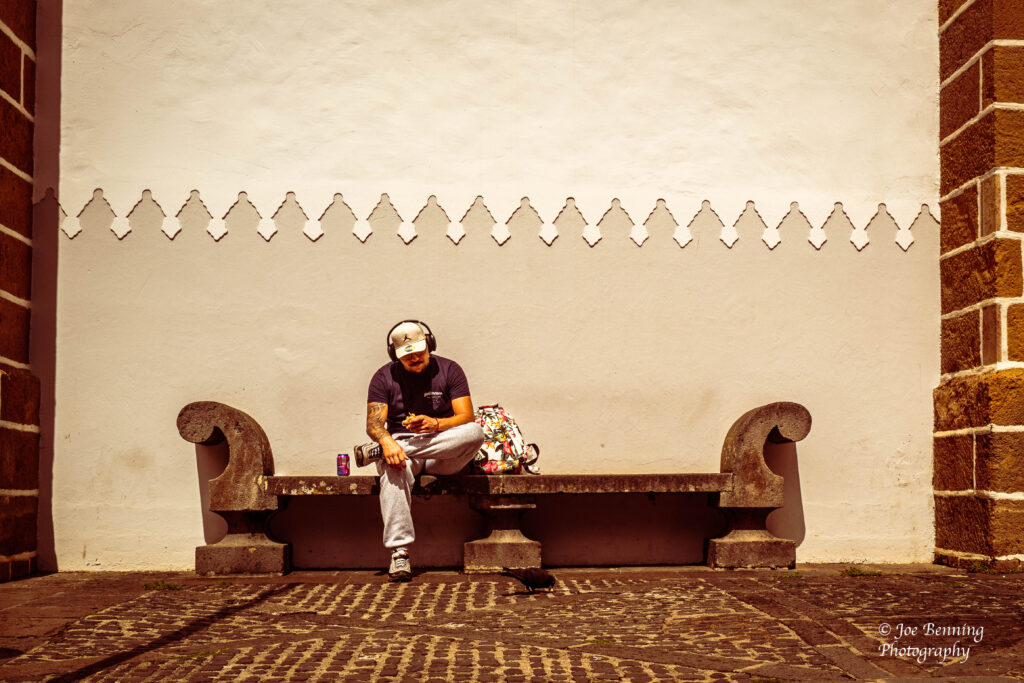
A bit of the modern world invaded though as the photo below shows a young man wearing headphones while he sits on a bench in town.

A man wearing headphones sits on a bench in the Canary Islands

That said, it was good to be back in Europe and Gran Canaria in the Canary Islands certainly fit the bill. 

JFB
Read More
Joe Benning
Photo Book for Sale

A Photo Book entitled La Belle France, A Photographic Journey is now available from Blurb. It is a 58 page hardcover book, printed on top quality paper and therefore a bit pricey. The book is an exploration of France and French culture as seen through a camera lens. The photos explore the cities of Paris and Lyon, as well as the regions of Provence and Bordeaux. The photos cover a 7 year period from 2017 through 2024.

A link to the publisher is below.

https://www.blurb.com/bookshare/app/index.html?bookId=12043785

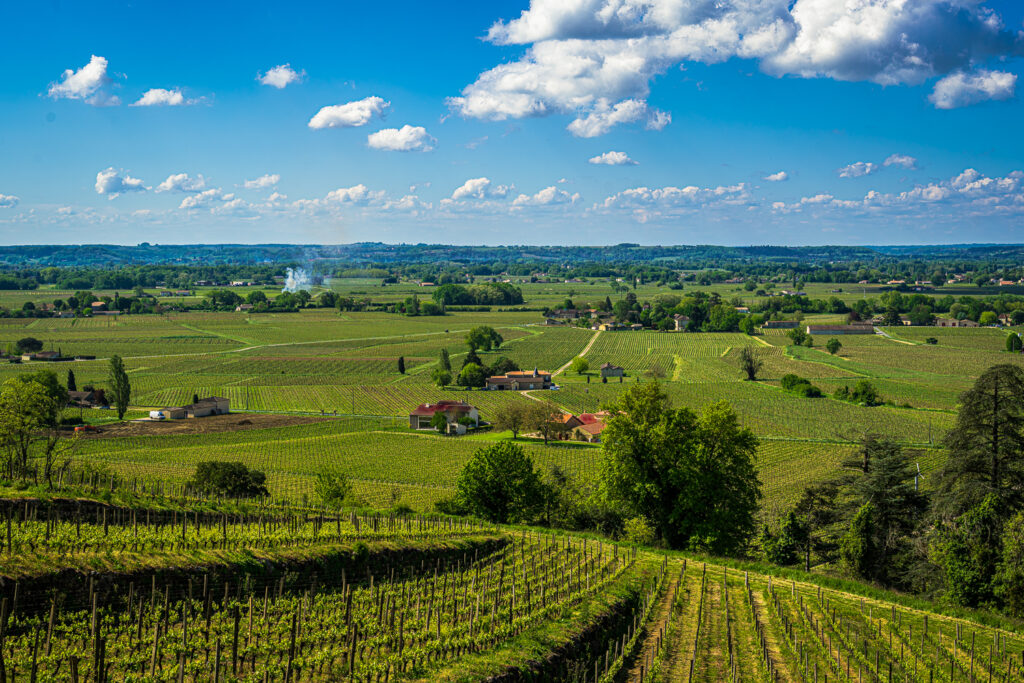
A travel and landscape photograph that looks down a grapevine covered hillside at vineyards in St Emilion

Joe

Read More
Joe Benning
Wrapping it Up in France

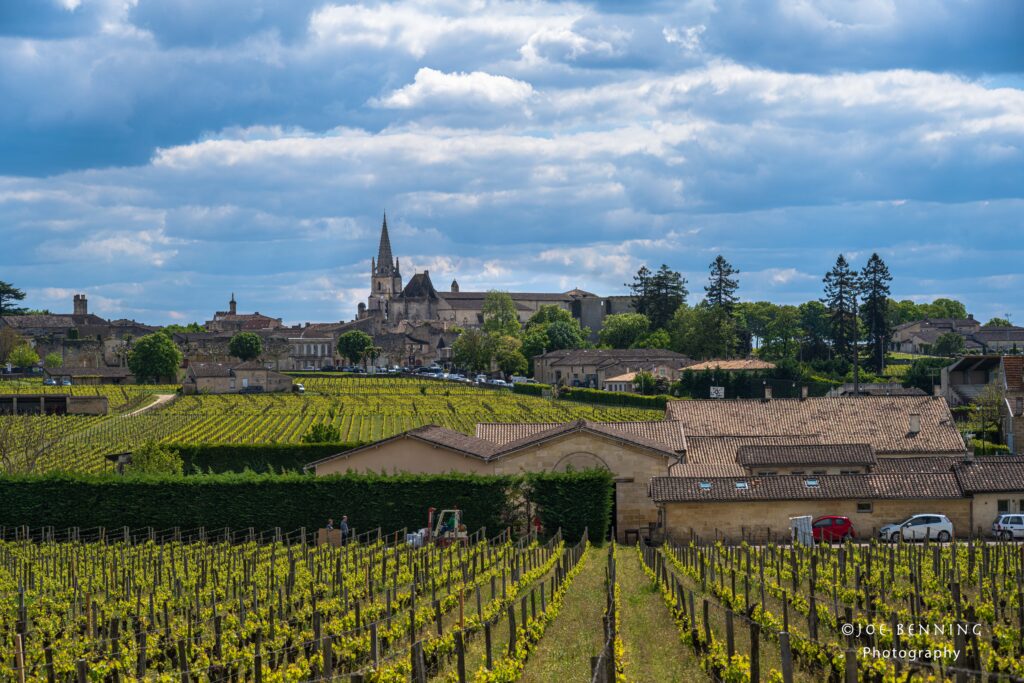
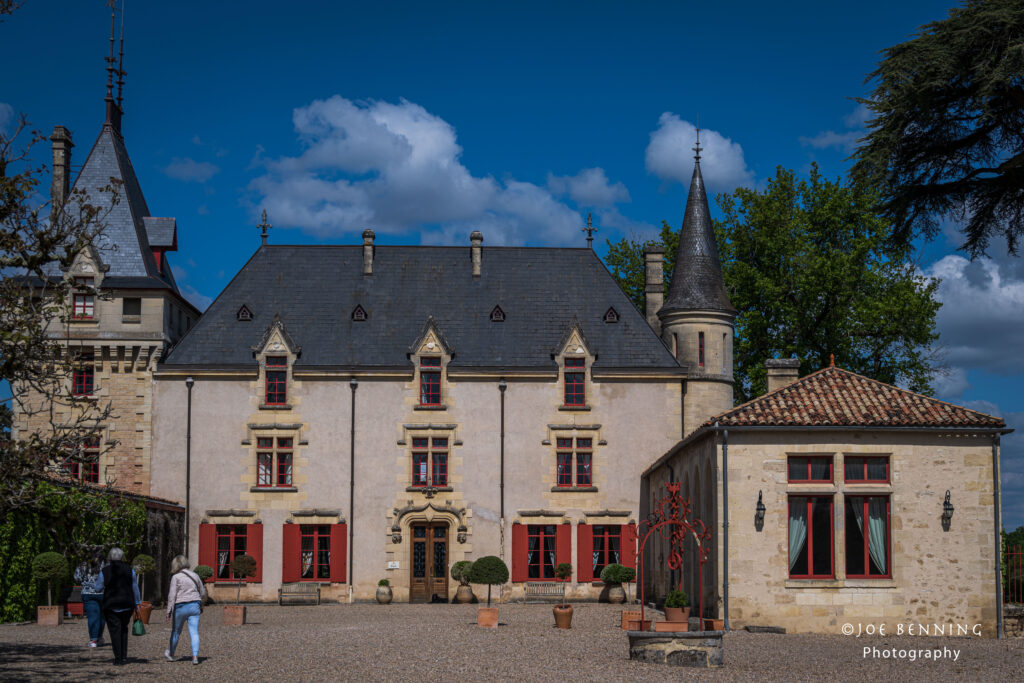
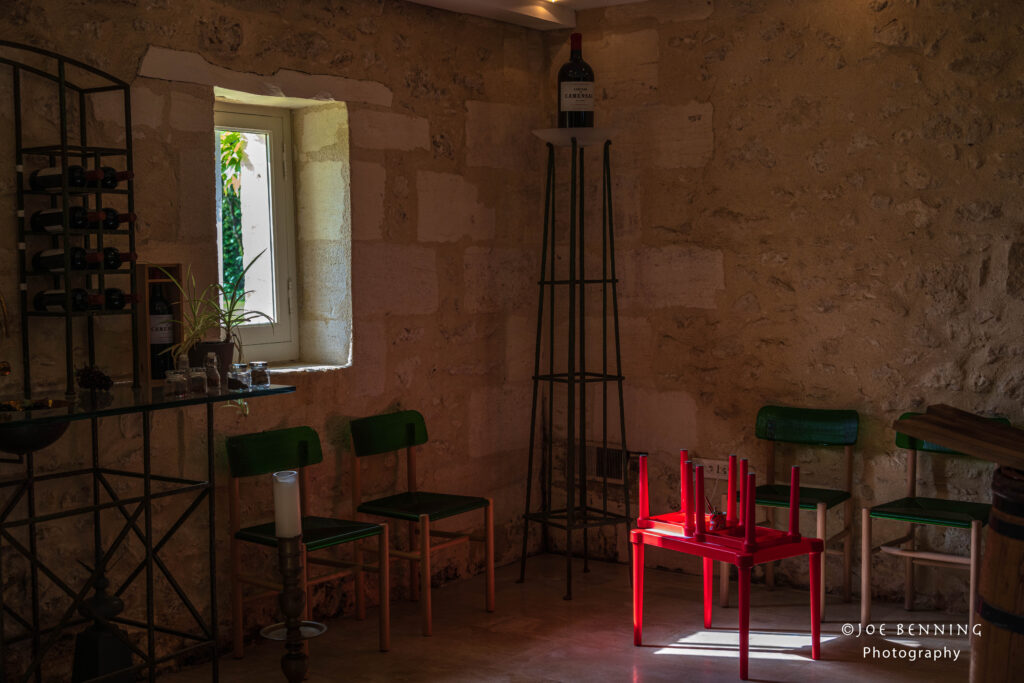
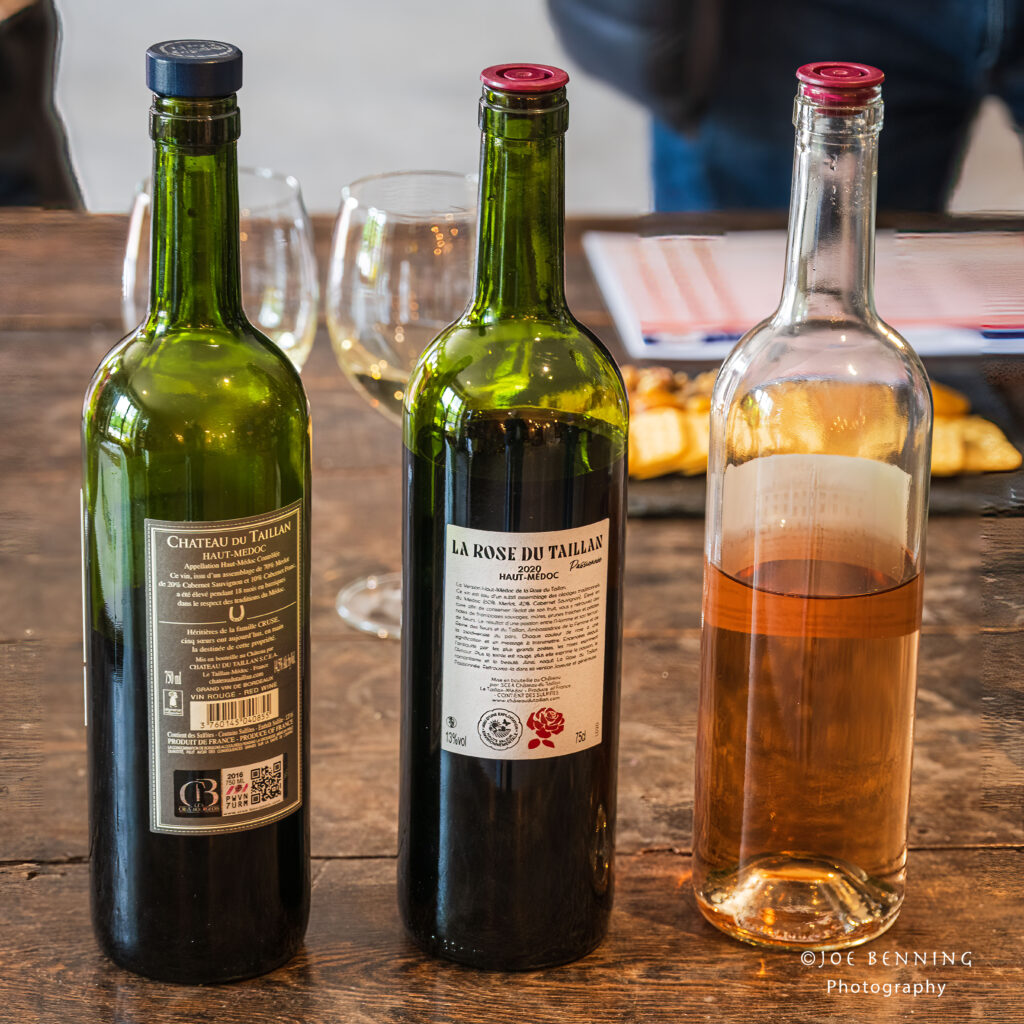
Well, it’s about time to wrap up the trip to Bordeaux. The last few days we were very lucky to be accompanied by glorious weather as well as our friends Sally and Michael. Fittingly enough, at least as far as we were concerned, we spent the end of our trip in St Emilion and Medoc where we tasted lots of wines. Mostly reds and an occasional Rose. We did have the occasional white Bordeaux, but for the most part the vineyards produce reds. 

Vineyards in St Emilion
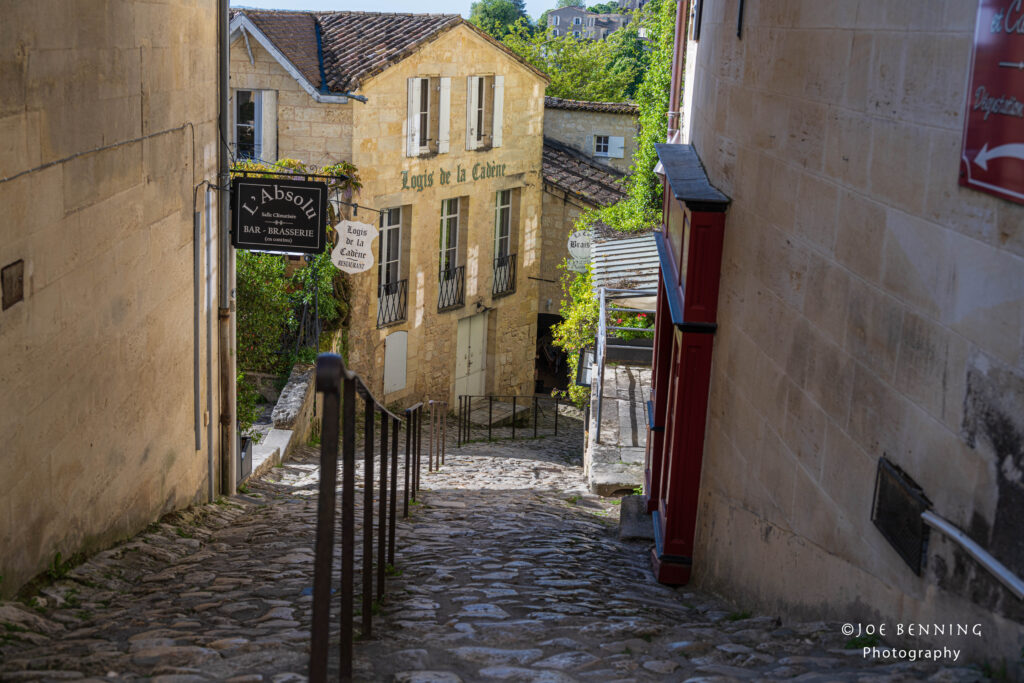
The Village of St Emilion
Monolithic Church Tower in St Emilion

The wine business is very labor intensive and migrant workers, often from Spain, Italy and Portugal come to pick the grapes. The larger producers claimed to have about 70 to 80% of the grapes picked by machine. Some of the smaller ones (and some that were not so small) had their grapes picked and sorted by hand. 

Bordeaux is the the premiere wine producing region in France, and arguably the world. The region boasts thousands of producers, most of them small. Estimates of total production vary wildly. We heard estimates that ranged from 200 million bottles to 700 million, so take your pick. I suppose 200 million probably refers to the better quality wines. 

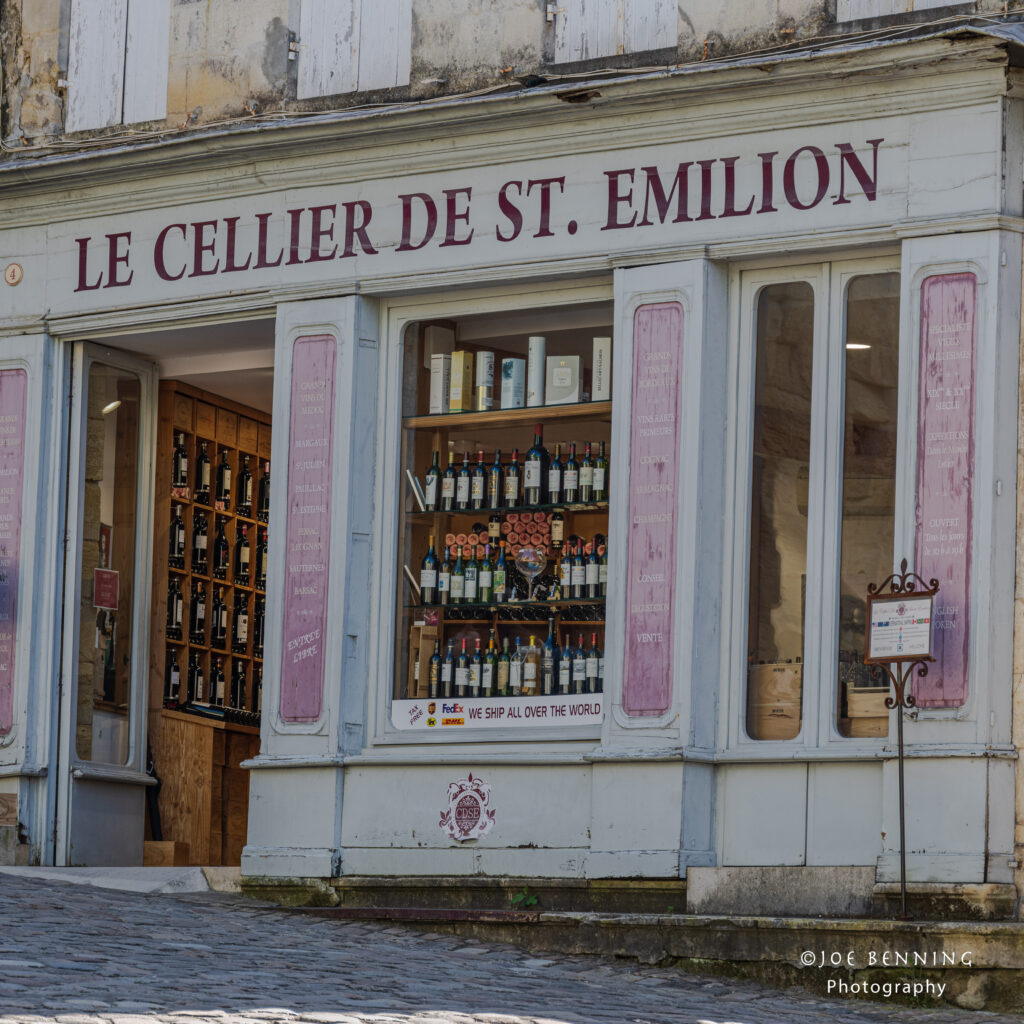
Wine Shop in St Emilion
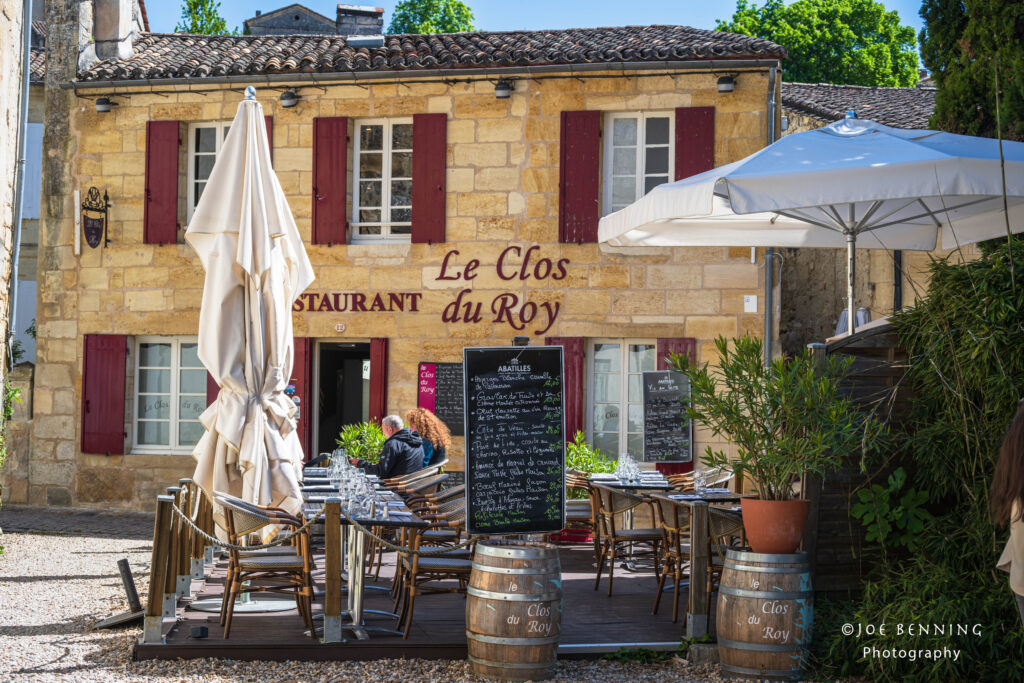
Le Clos du Roy

About 90% of the wines produced are red, with the remaining 10% being white. The red wines rely primarily on three grapes: Cabernet Sauvignon, Merlot and Cabernet Franc. A little but of Malbec finds its way into the mix as well.  (Lots of the Rose that is produced comes not from Bordeaux, but from Provence.) 

Chateau de Pressac., St Emilion
Insude Chateau de Camensac in Medoc

All in all a good time was had by all; and it’s probably not the last time we’ll be spotted in France. 

A Tasting in Medoc at Chateau Taillan

Au Revoir

JFB
Read More
Joe Benning
Sunday in Bordeaux

We had beautiful weather during our day trip to Cognac. The next day, Sunday, was also very nice in Bordeaux. We hiked over to to the Basilica (Basilique Saint-Seurin) for the 9:00 AM Mass which was, of course, all in French. 

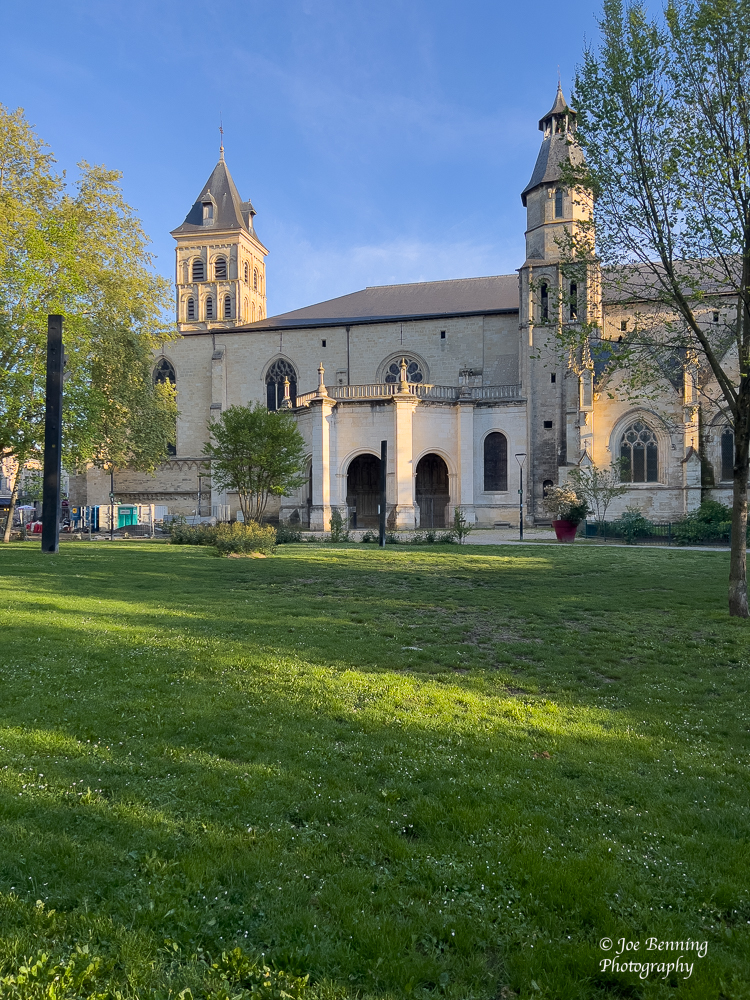
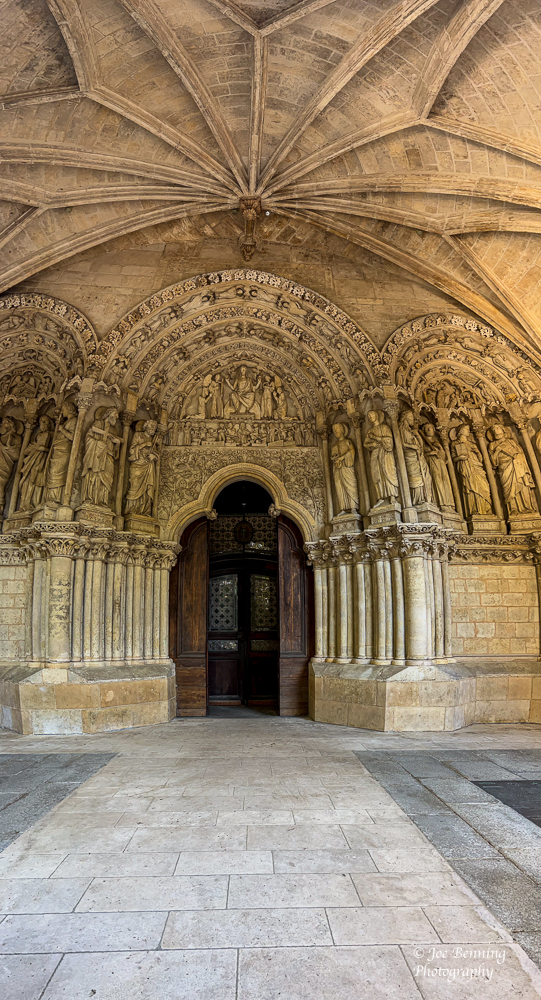
The building of the Basilique Saint-Seurin de Bordeaux (Basilica of Saint Severinus in English) was begun in the 11th century.  At first the construction was in Romanesque style. Later additions incorporated Renaissance and Gothic styles. In 1998 UNESCO designated Saint-Seurin, along with three other churches, as World Heritage Sites. 

In the late afternoon we trekked over to the Bourse to see if the fountains that constitute Le Miroir d’eau de Bordeaux had been turned on, but as of today the fountains are still off. So: no fountain, so no water, so no reflections. Oh well. 

Since we were in the neighborhood we killed a little time with some vin rouge and then had a casual dinner in the area. And later what did we do? We got ready for French class on Monday morning. 

So now we are in the last week of the Road Scholar program. We’ll meet our friends Sally and Michael in Bordeaux on Saturday and do some touring in the surrounding area. Without having homework to do. 

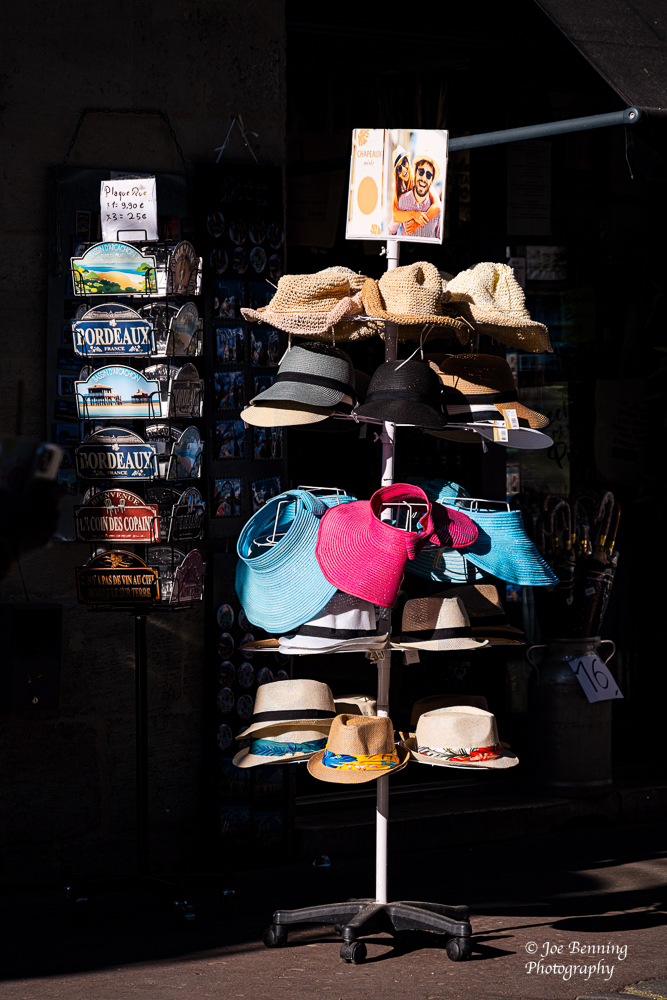
Hat Rack Outside a Retail Store
A Busker in Bordeaux

Au revoir

Joe

Read More
Joe Benning
Living in Tuscany

We are finally back after spending most of September in Tuscany, Italy. We had actually planned to get to Florence from Aix-en-Provence by train but a rock slide in the Alps covered the train tracks leading from France to Italy, so that plan got shelved. In the end we managed to fly to Florence from Marseilles, so everything worked out in the end. 

There were lots of photo taking opportunities, so I took more than a few. Here (below) is a link to a web page that has some of them.

https://new.express.adobe.com/webpage/4ni6Y0sMBRAJQ

Joe

Read More
Joe Benning
Tallin, Estonia

Tallinn may be the most beautiful city you’ve never heard of. The capital of Estonia, Tallinn is a small city in a small country with a turbulent history, particularly with respect to relations with Russia. On our walking tour of the city our guide noted that for Estonia, “NATO is everything”. 

There are about 1.5 million citizens of Estonia, and about 435,000 people who live in Tallinn. Located on the Gulf of Finland on the Baltic Sea, Tallinn has close historic ties with Helsinki, Stockholm and St Petersburg. 

The city proper dates back to the first half of the 13th century, but humans settlements are estimated go back 5,000 years. The first recorded claim for the land was made by Denmark in 1219 after a successful raid. After a couple of centuries of fighting between Scandinavian and Teutonic rulers, Tallinn became an important commercial hub because of its strategic location. 

Tallinn is one of Europe’s best preserved medieval cities and is counted as a UNESCO World Heritage Site. It has the largest number of star-ups in Europe, and is the birthplace of Skype. It houses the EU’s IT agency and is the home of NATO’s Cyber Defense Center of Excellence. It is also ranked as one of the world’s top 10 digital cities.

We went on a walking tour of the city with a local guide and took lots of photos in the process. A few are posted below. 

JFB 

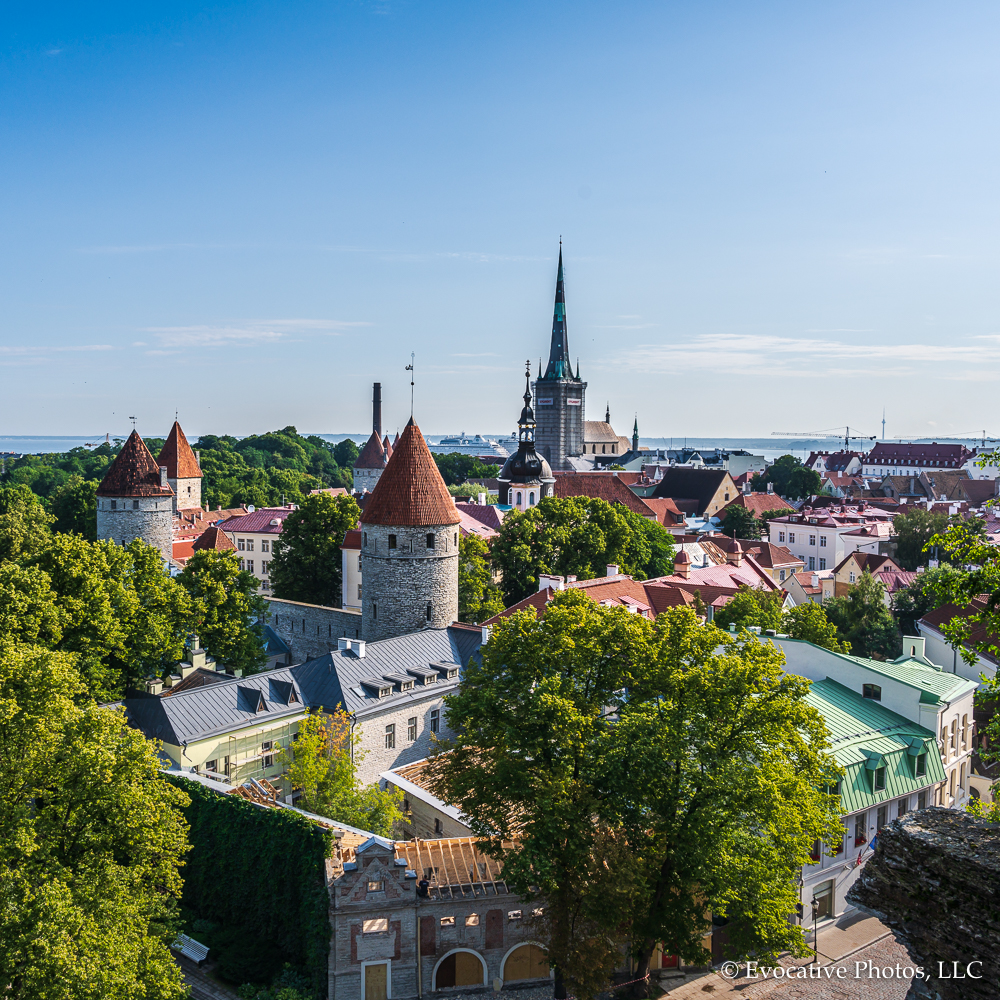
Tallinn, Estonia — July 23, 2019. A photo looking down on Tallin from a limestone hill overlooking the town square.
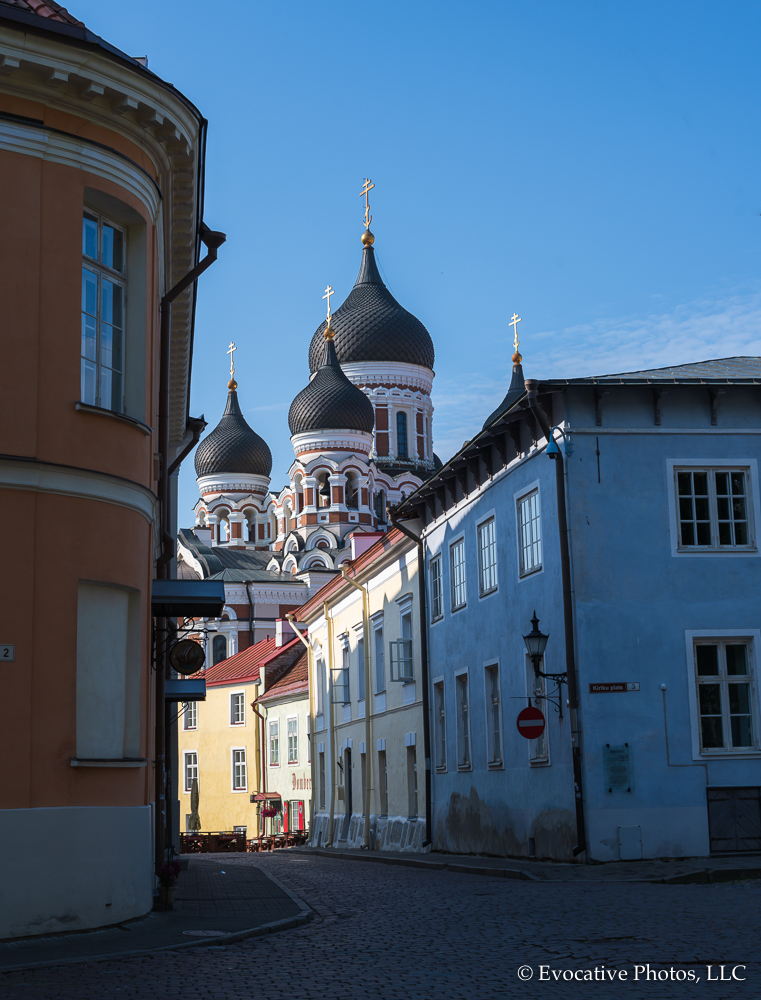
Tallin, Estonia — July 23, 2019. A vertical shot of a side street in Tallin, Estonia with the domes of Alexander Necsky Cathedral rising in the background.
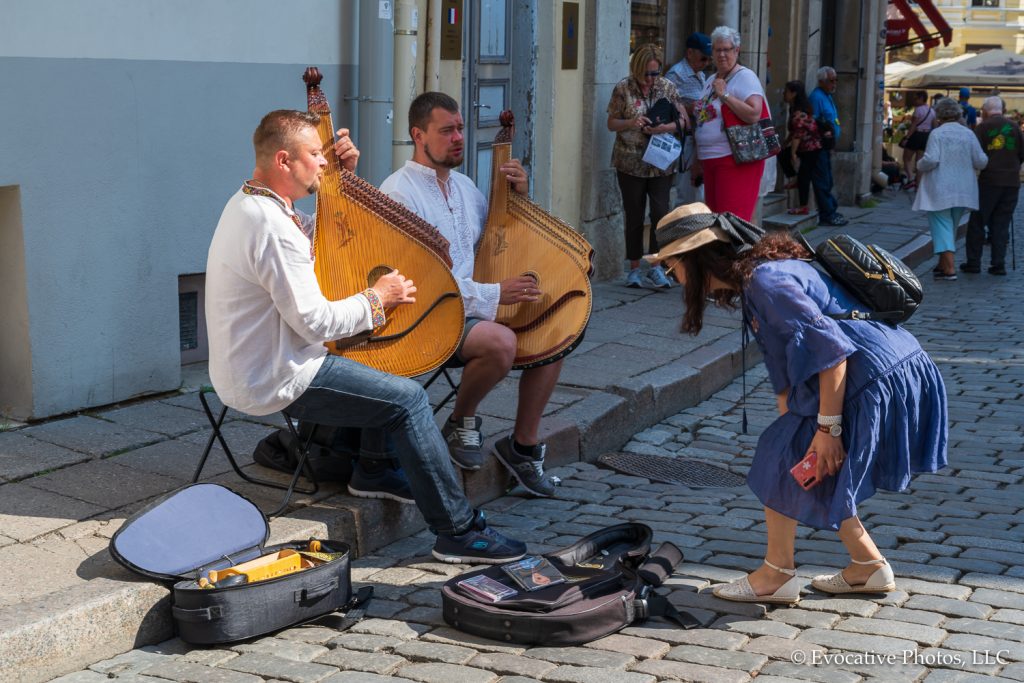
Tallinn, Estonia — July 23, 2019. A tourist makes a donation to street musicians playing in a shopping area.
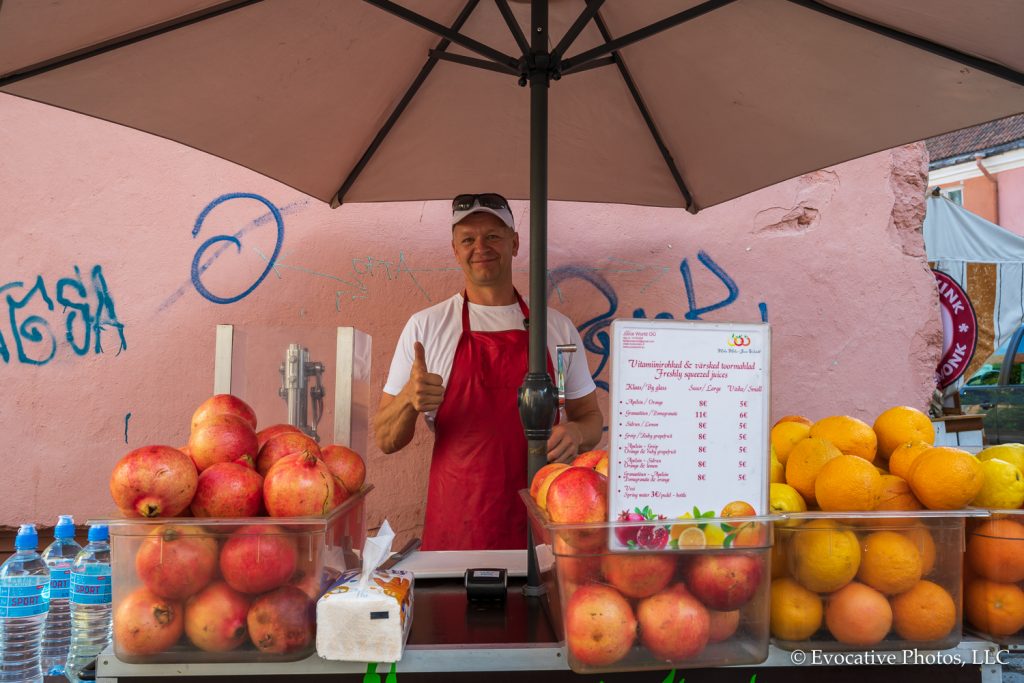
Tallinn, Estonia — July 23, 2019. Photo of a juice cart vendor giving the thumbs up sign in Tallin, Estonia.
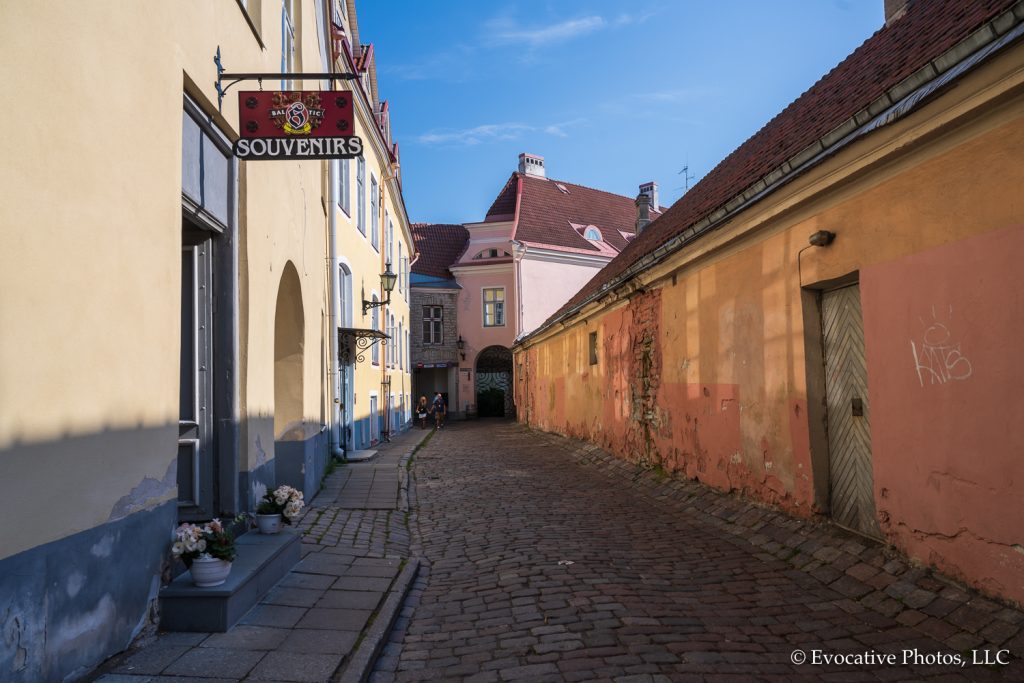
Tallinn, Estonia — July 23, 2019. Photo of a side street in Tallin, Estonia.

Read More
Joe Benning
More on Three Days in St Petersburg

Among the many mind boggling things to contemplate is the fact that the Russian aristocracy didn’t just have one enormous and opulently decorated and designed palace. They had several of them; each one elaborate and ornate. In fact Catherine actually put a halt to all the gold being used to decorate her palace that had begun by order of her predecessor, Empress Elizabeth. 

Here, below, are some photos of Catherine’s Palace located in Pushkin, not far from St Petersburg. Please note that while some photos link to Evocative Photos for licensing, photos taken inside the palace may not be used for this purpose, so they are not linked. 
JFB

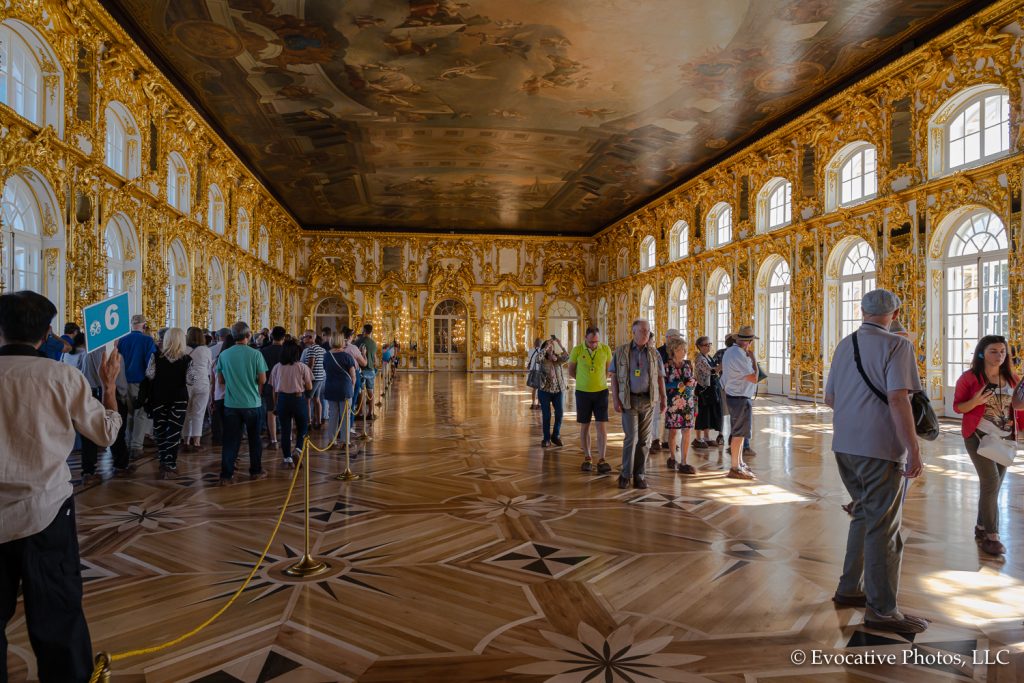
A wide angle photo taken inside Catherine Palace in Pushkin, near St Petersburg.
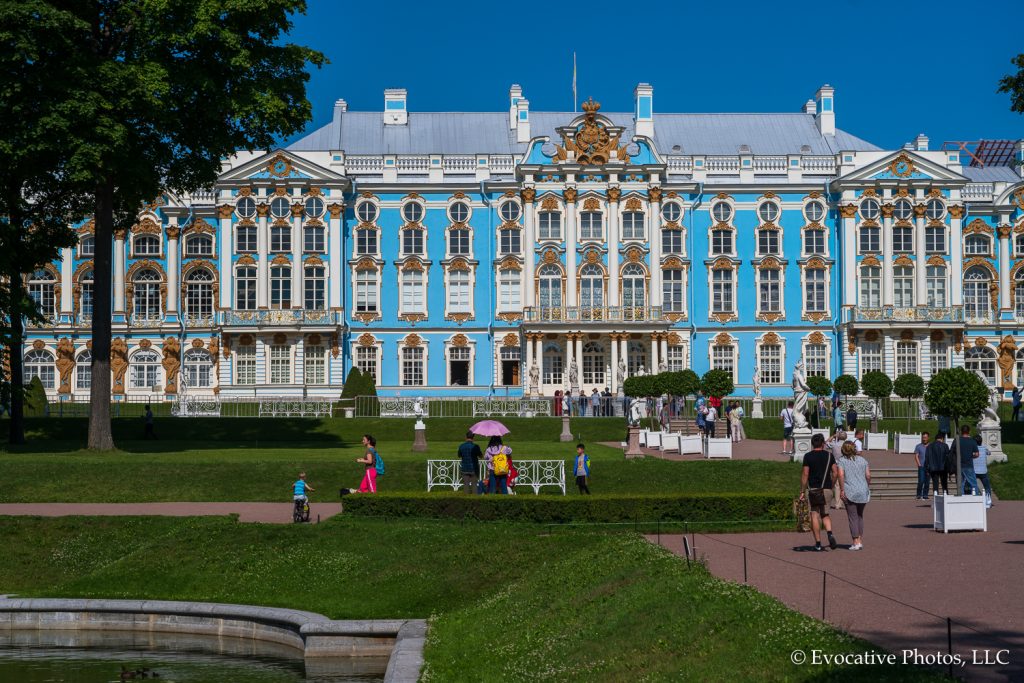
Pushkin, Russia — July 22, 2019. Photo taken from the outside of Catherine Palace; tourists are admiring the lawn and gardens.
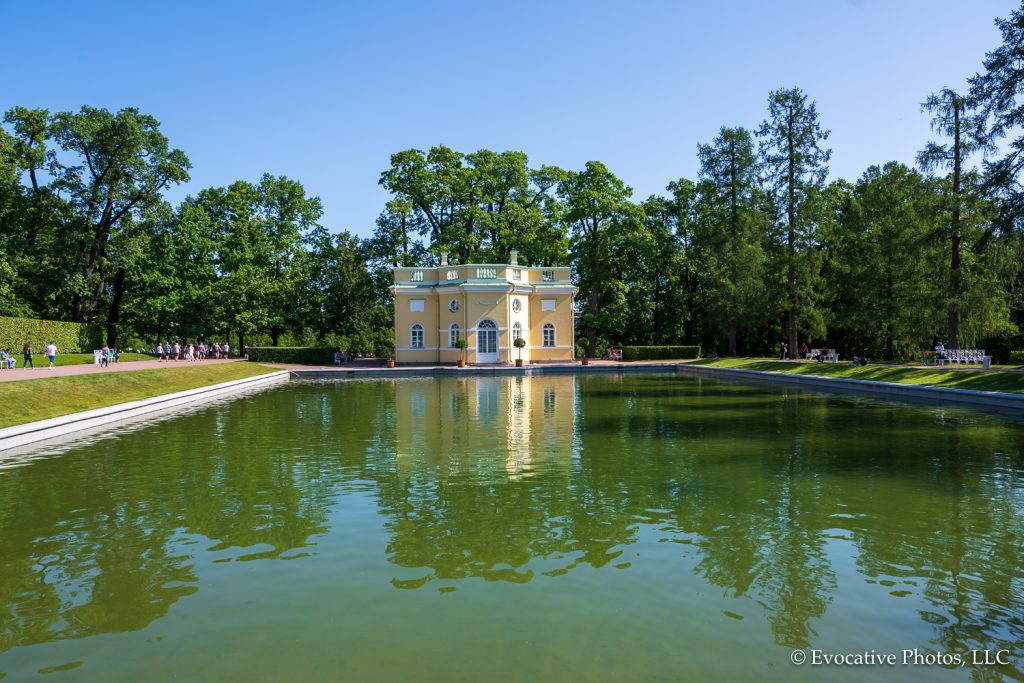
Wide angle shot of a house on a lake on the grounds of Catherine Palace near St Petersburg
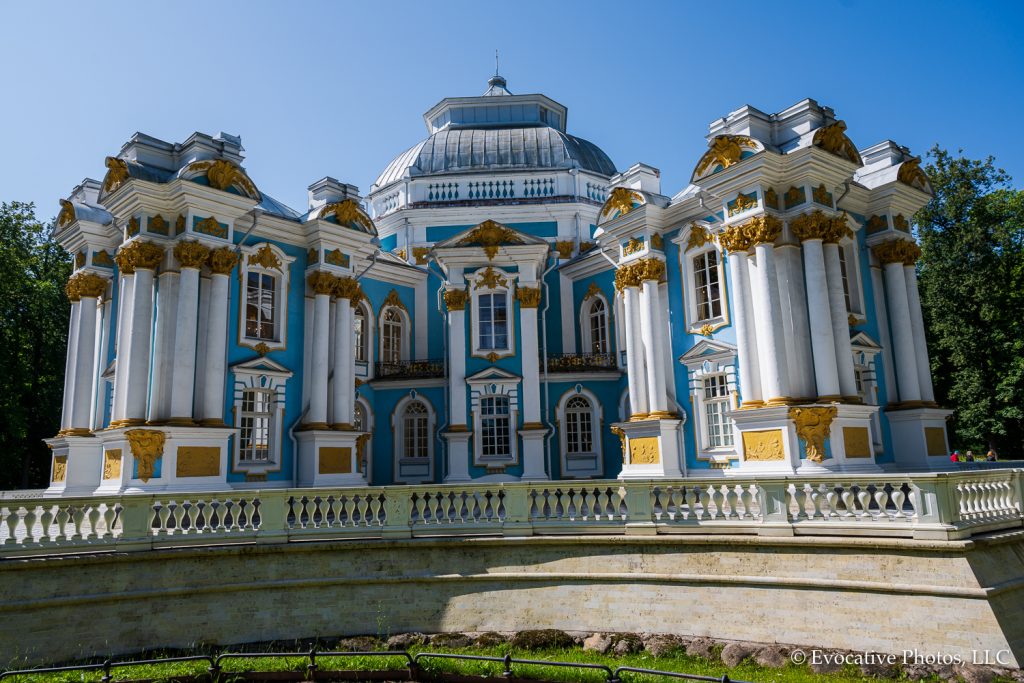
Pushkin, Russia — July 22, 2019. Photo of guest quarters on the grounds of Catherine Palace outside St Petersburg.
Read More
This website uses cookies to improve your experience. Cookie Policy