Walking in Memphis
“Put on my blue suede shoes
And I boarded the plane
Touched down in the land of the Delta Blues
In the middle of the pouring rain”
—Marc Cohen, Walking in Memphis
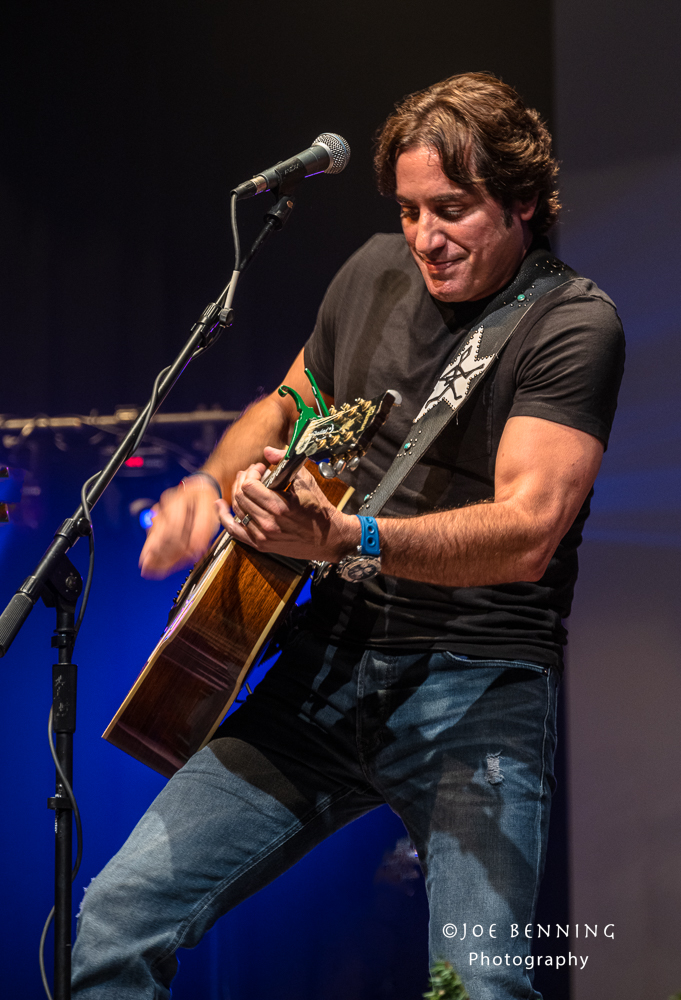
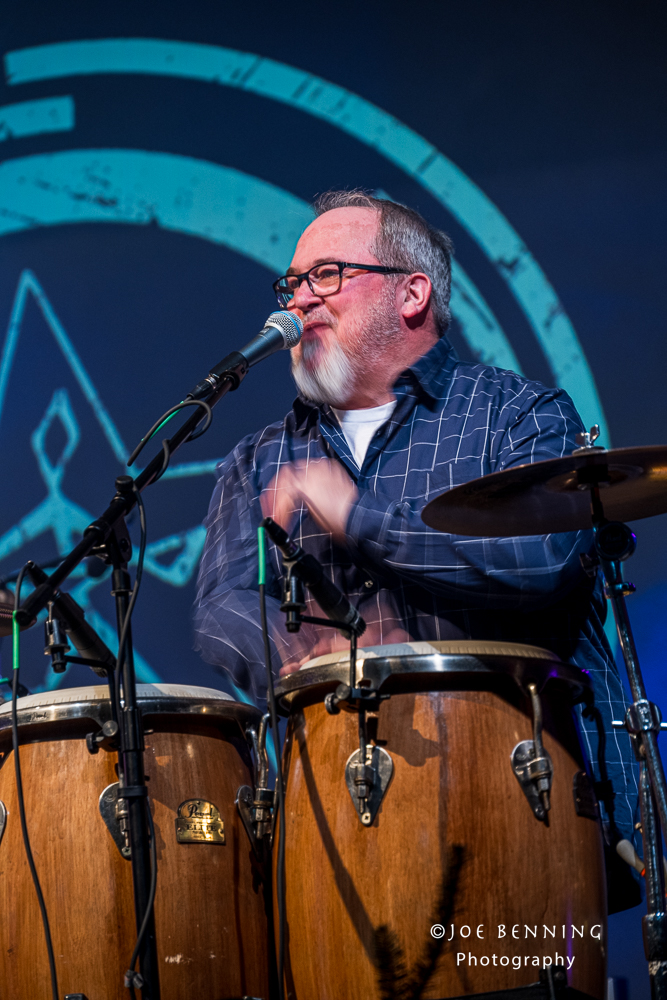
Toward the end of our Mississippi River cruise we stopped in Clarksdale, Mississippi while on our way to Memphis, Tennessee. While in Clarksdale, we saw one helluva show put on by Steve Azar and The King’s Men. A YouTube video of Steve and the Band playing “One Mississippi” follows below. Definitely worth a watch. You see a very different Mississippi than the one normally portrayed in the media.
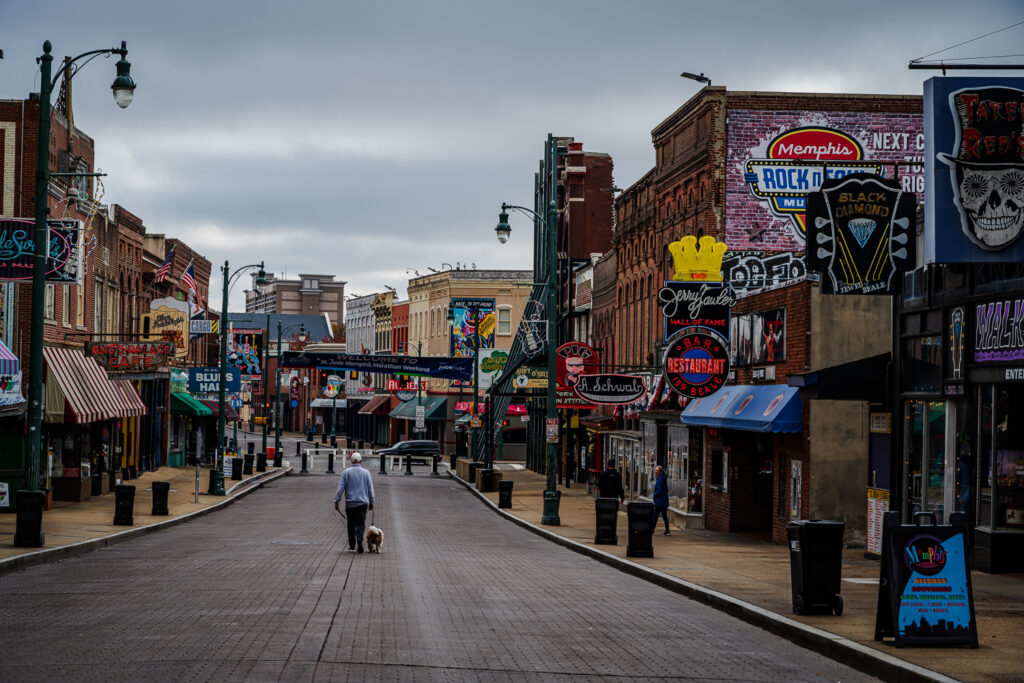
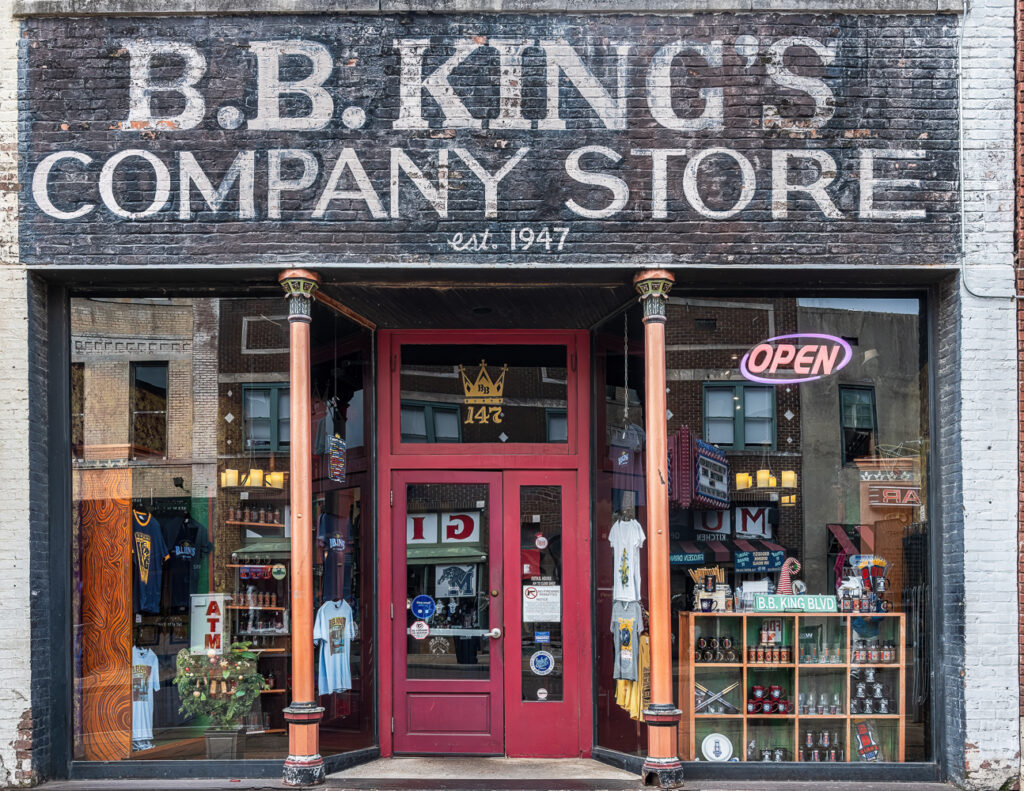
After Clarksdale we found ourselves in Memphis, Tennessee. Of course, we had to go and pay a visit to Beale St, minus our Blue Suede shoes. One place we visited that was particularly fascinating was the Rock ’n’ Soul Museum. The Museum traced the history of Rock, Soul and Pop with an emphasis on the social changes that occurred simultaneously with the development of Rock.
One of the more important players was the American producer, Sam Phillips, founder of Sun Records and Sun Studio in Memphis. Sun Studio is now designated as a National Historic Landmark.
In his studios in Memphis, Phillips produced a raft of names that would become famous in Rock ’n’ Roll history. Those names included Elvis Presley, Roy Orbison, Jerry Lee Lewis, Carl Perkins, Johnny Cash and Howlin’ Wolf. By producing as many artists as he did who sang what was then called “race music” Phillips took a big risk. But it paid off, and he became one of the foremost proponents of modern pop. He wryly observed that parental angst over apparent teenage infatuation with Elvis Presley et al. gave Rock ’n’ Roll a big boost.
In recognition of his influence, Sam Phillips was part of the first group inducted into the Rock and Roll Hall of Fame. He was the first non-performer inducted into the Rockabilly Hall of Fame; he was also inducted into the Alabama Music Hall of Fame, the Country Music Hall of Fame and the inaugural class of the Memphis Music Hall of Fame.
We also spent some time at the Metal Museum which included a metal workshop, art pieces made with metal works and a metal sculpture garden. Across the street from the Metal Museum, we visited Chickasaw Heritage Park, once the fortress of Chief Chisca. The park features two ceremonial mounds built in the 1500s. And that sums up much of our stay in Memphis until we boarded the plane for home.
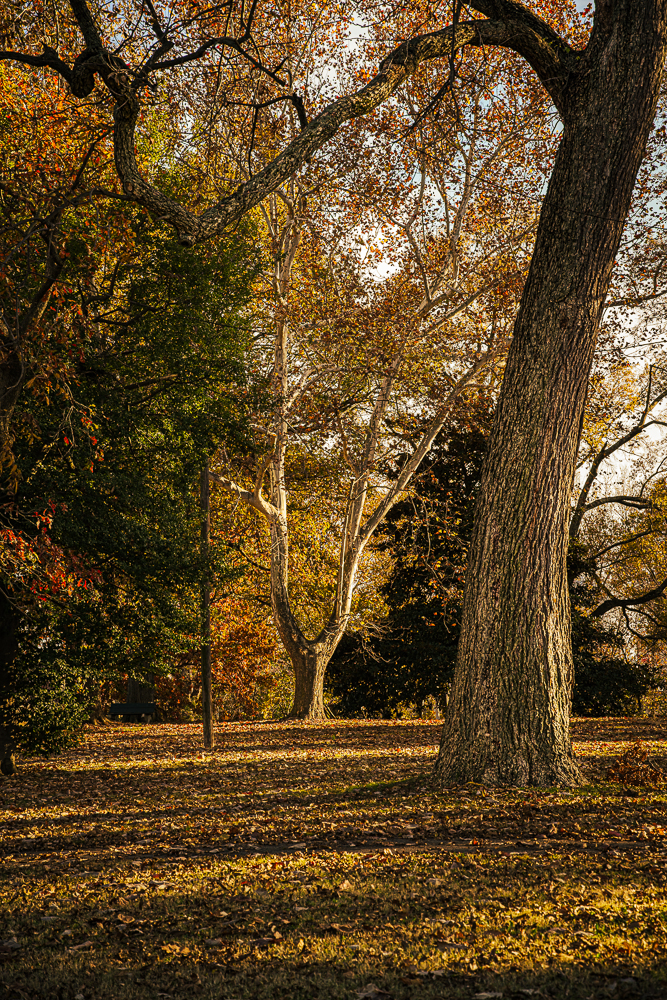
JFB
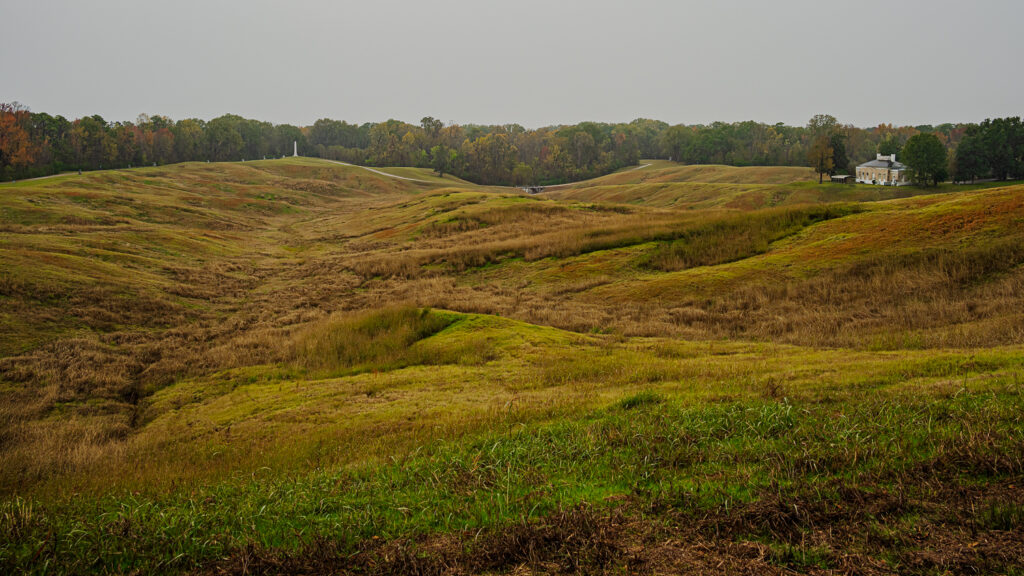
Vicksburg, Mississippi
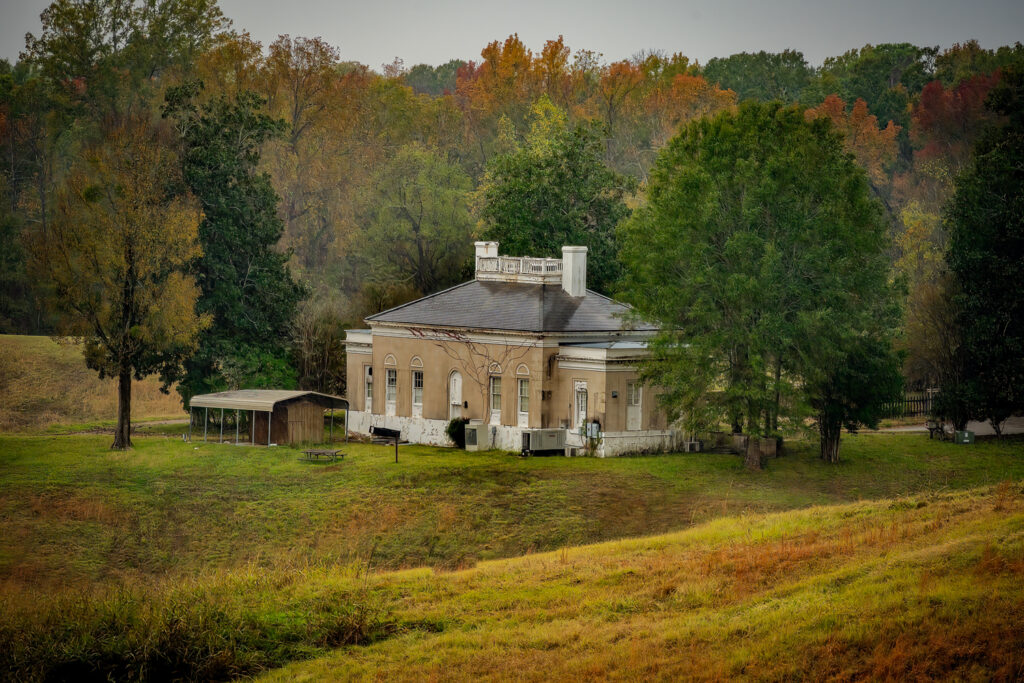
Toward the end of our river cruise, we went ashore on an excursion with a tour group in Vicksburg, Mississippi. During the Civil War, Vicksburg was hotly contested because of its immense strategic value. During the war, the city was subjected to a 47-day siege by Ulysses S Grant. The siege ultimately proved to be successful. As a result, the North was able to control the Mississippi River; cut off the South from its trading partners and split the Confederacy in two.


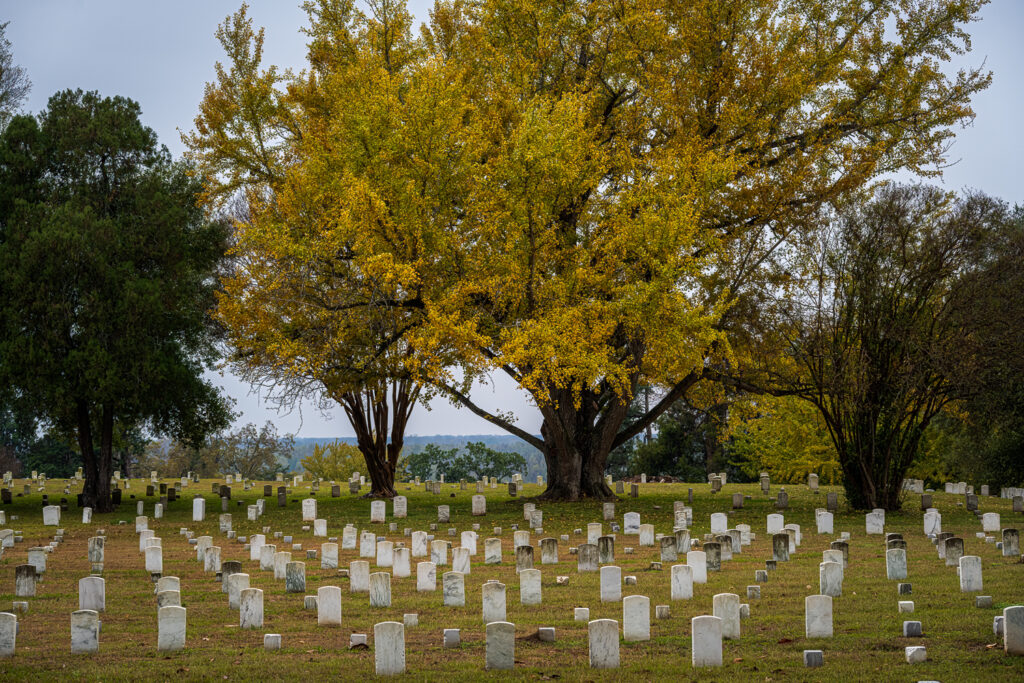
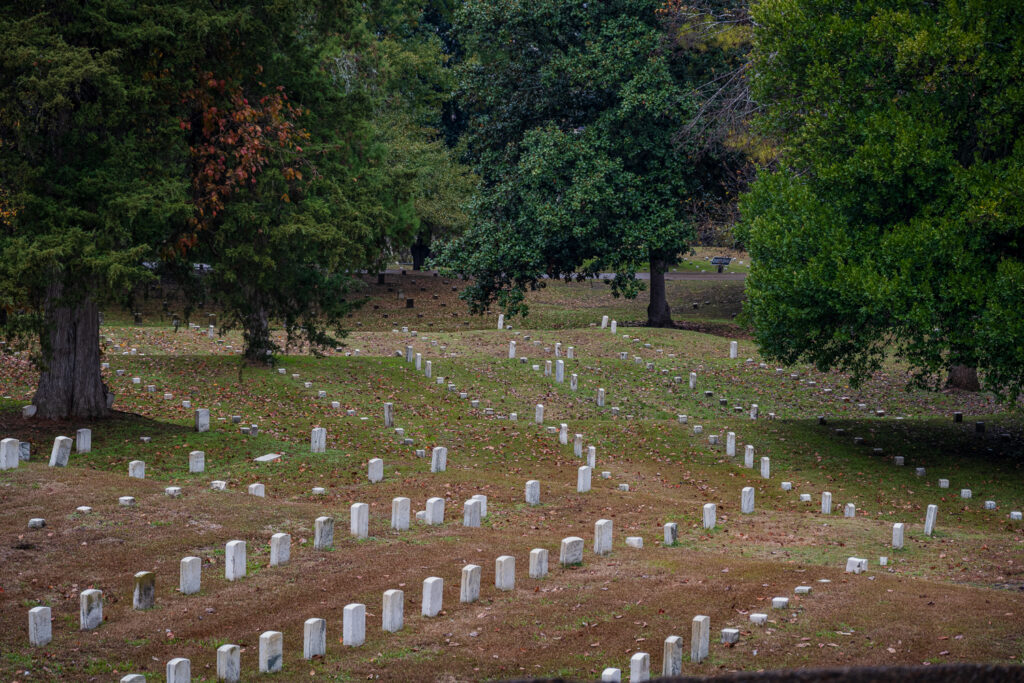
The cost of the campaign was immense, especially for the South, which put up fierce resistance to the North. In the end, there were about 37,000 casualties, about 86% of which were Southern.


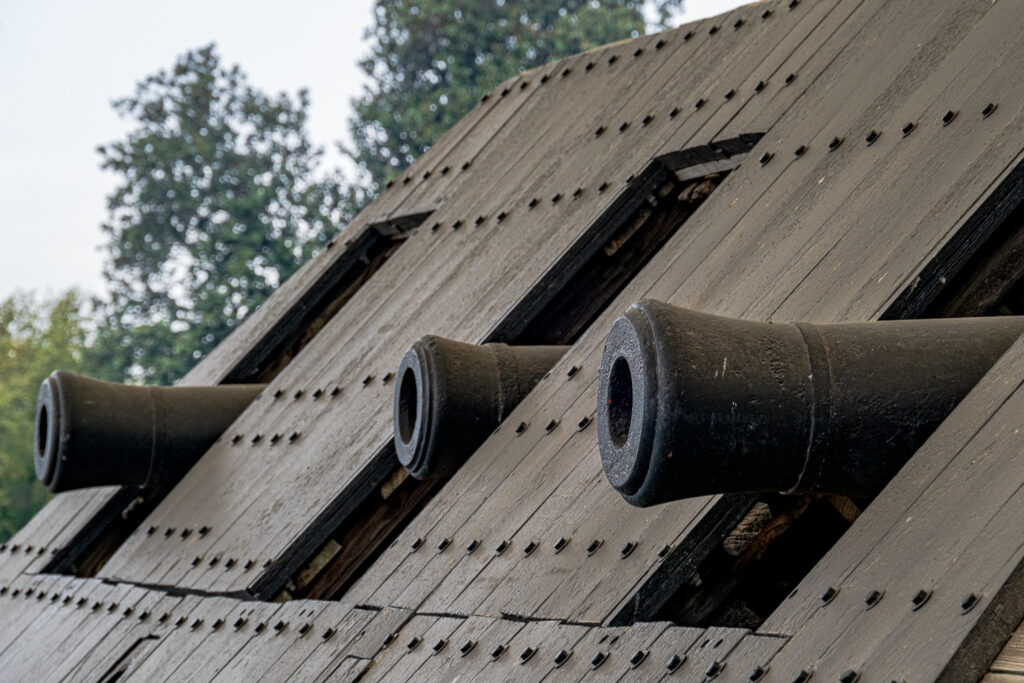
There were both land and sea battles using iron clad vessels. One, the North’s USS Cairo, was sunk by an electronically detonated mine—the first armored warship to meet such a fate. It took only 12 minutes to sink to the bottom in 6 fathoms of water.

General Pemberton of the Confederacy finally surrendered to General Grant on July 4th 1863. President Lincoln referred to the Union victory as the key to the war.
The Siege of Vicksburg and the subsequent battle are today commemorated at Vicksburg National Military Park, which we visited on our tour. The people of the town of Vicksburg, both soldiers and civilians, suffered immensely from disease, starvation and death. Perhaps that is why the city of Vicksburg did not celebrate July 4th —Independence Day—for 81 years after its surrender.
JFB
Plantations in Rural Louisiana
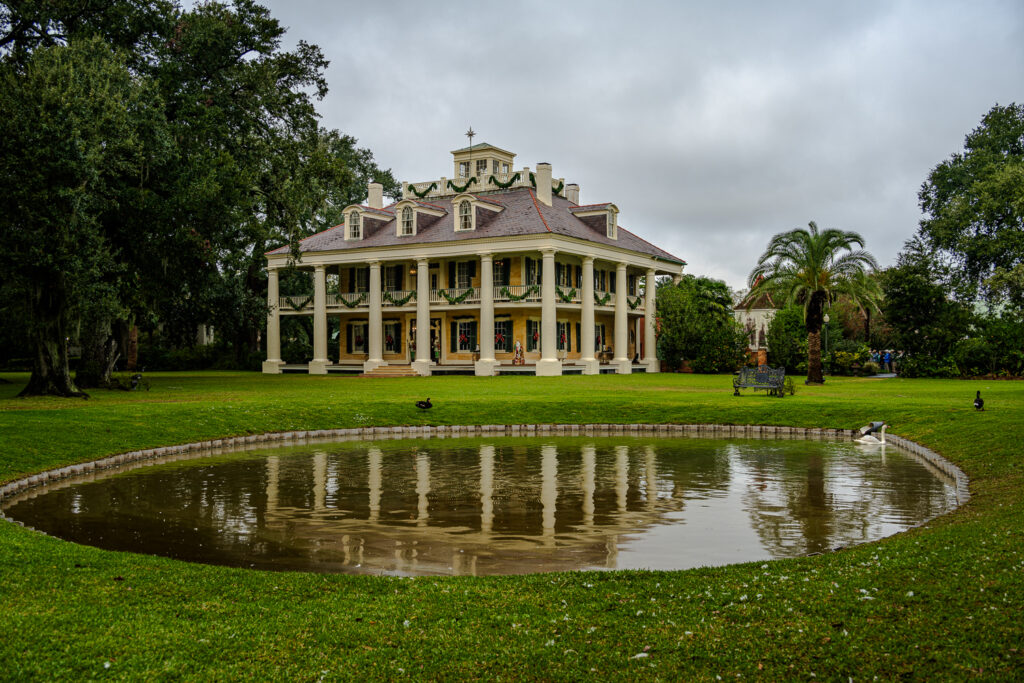
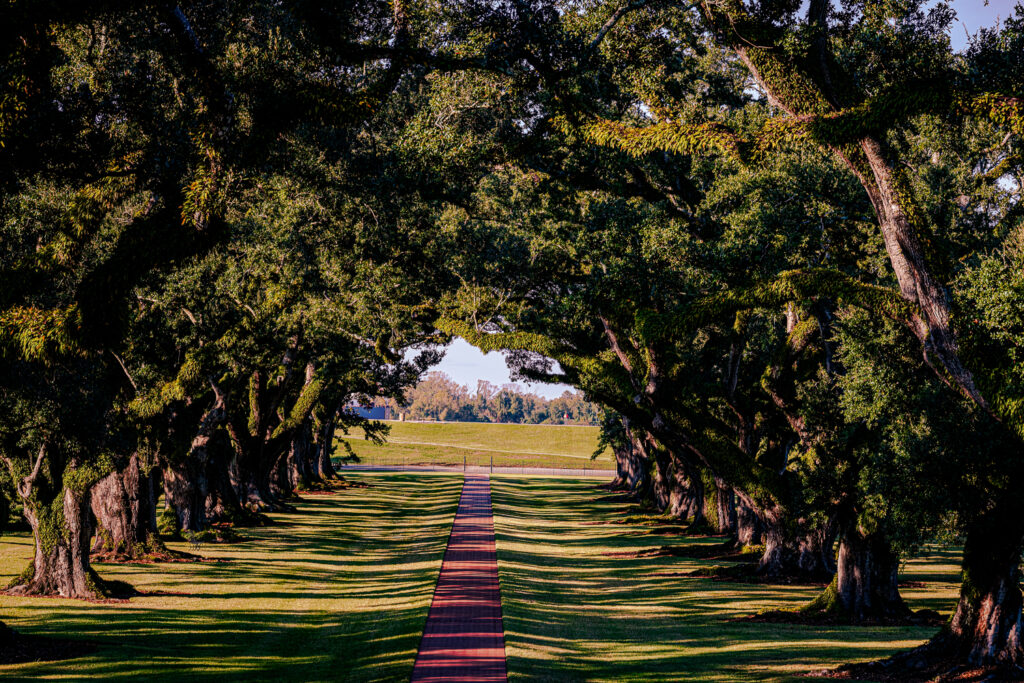
Our initial stops in Louisiana included two plantation houses and grounds. The first was the Houmas House, named after the Houmas Indian tribe. The second was the Oak Alley plantation, named to reflect the magnificent collection of oak trees that form a canopy leading up to the entrance to the house.

The plantation houses were restored in order to look the way they did in the antebellum period. The Oak Alley plantation mostly produced sugarcane, while the crop of the Houmas House was more diversified.

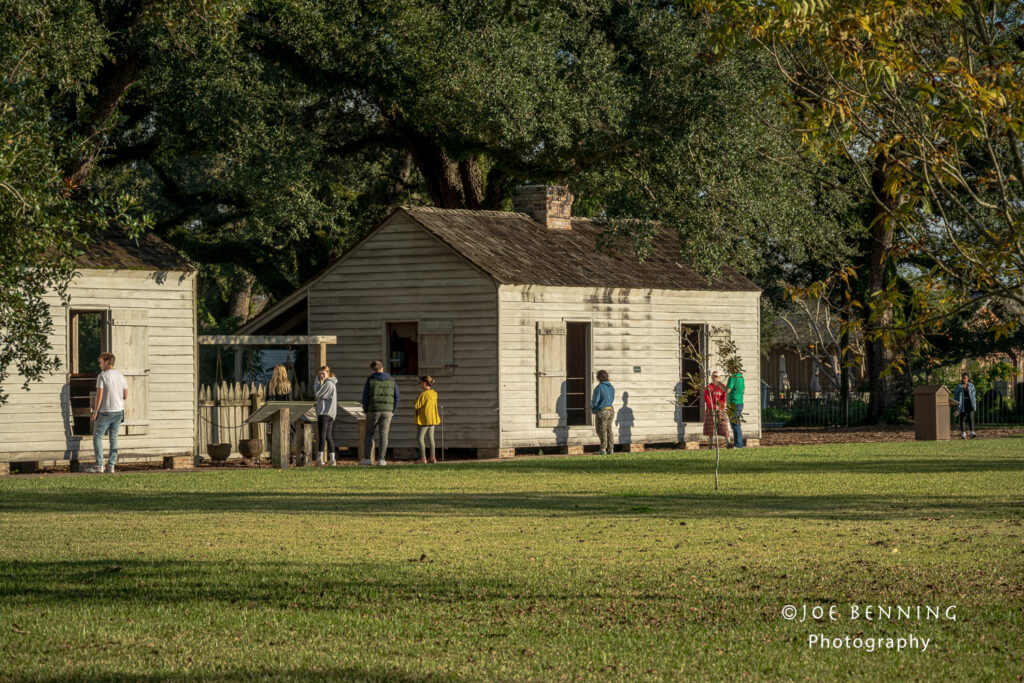
The main houses on the plantations were elegant dwelling places, The irony of course is that they were built by slave labor. Oak Alley had about 220 enslaved people at its height (or depth, if you prefer).

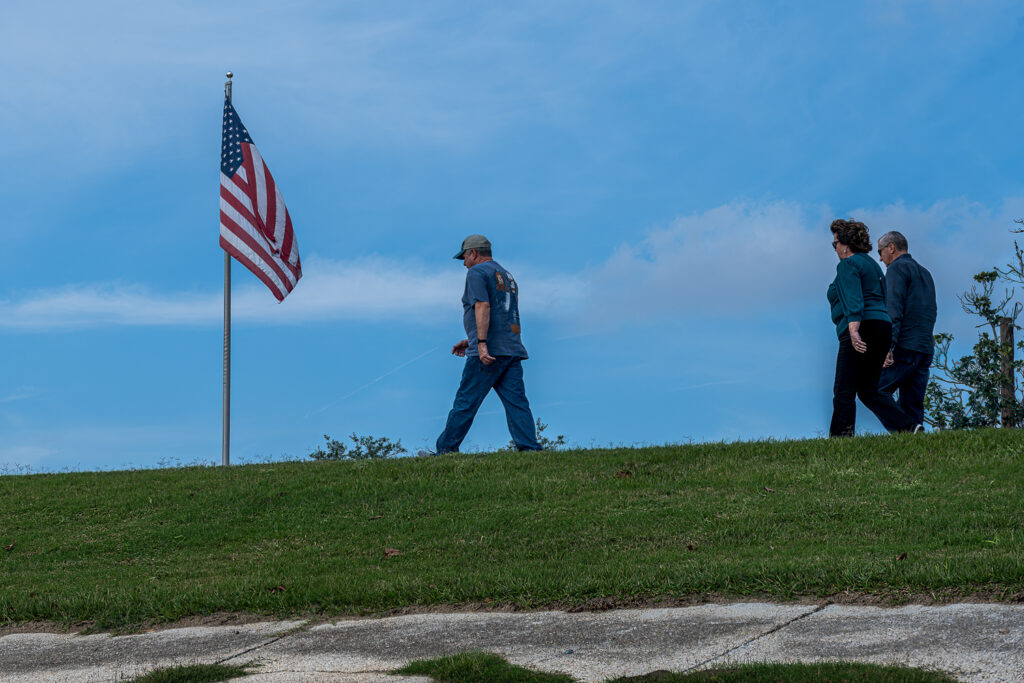
We got to the mansions by walking over a levee to a parking lot where a Viking owned coach (AKA bus) waited to whisk us away to them. All in all the exhibits were stunning in their grace and elegance. But there were constant (and appropriate) reminders that it was slave labor that built the plantations.

JFB
The Big Easy
So we traveled to New Orleans—on Thanksgiving day no less, to begin a Mississippi Rover cruise with Viking. Despite all the news reports of horror shows at airports, we had a very smooth flight. We got to the hotel early and our room was ready. That’s tough to beat.
We got to the Big Easy a couple of days early where we met my sister Barbara and her husband Tim. Then we proceeded to take a look around town. The city has not yet fully recovered from Katrina—back in 2006. But it was a pleasant stay anyway.
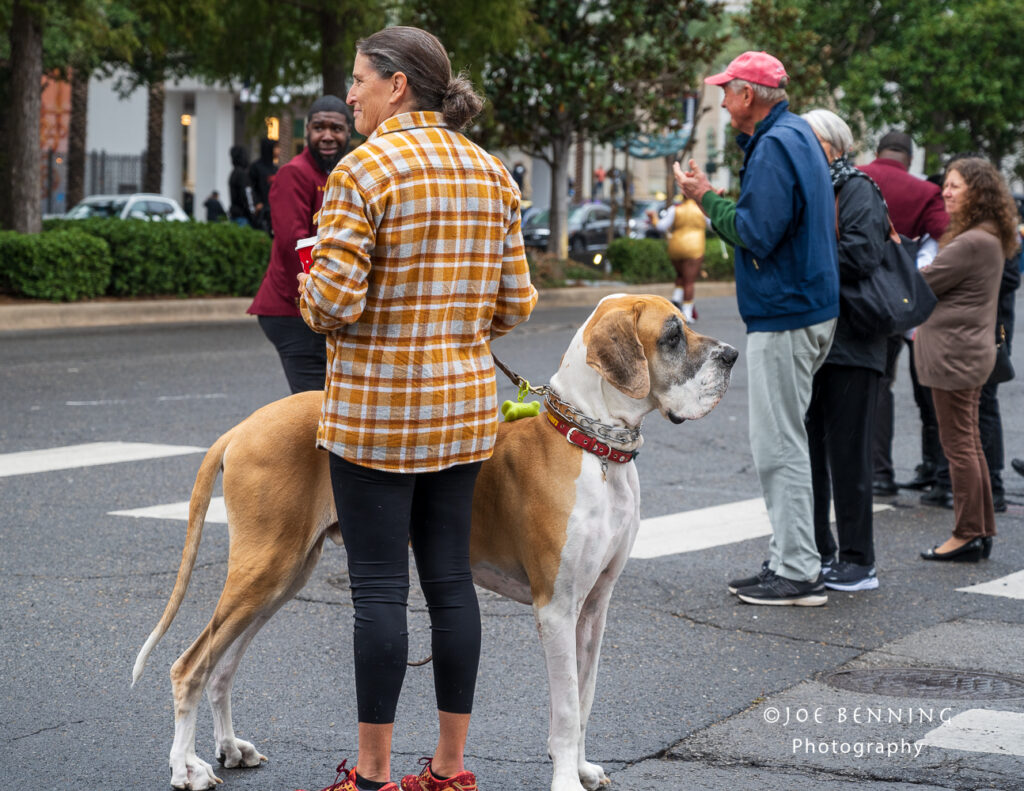
We caught a few moments of the annual Thanksgiving day parade where we spotted a lady in the audience with what may be the biggest dog in the world (photo below).

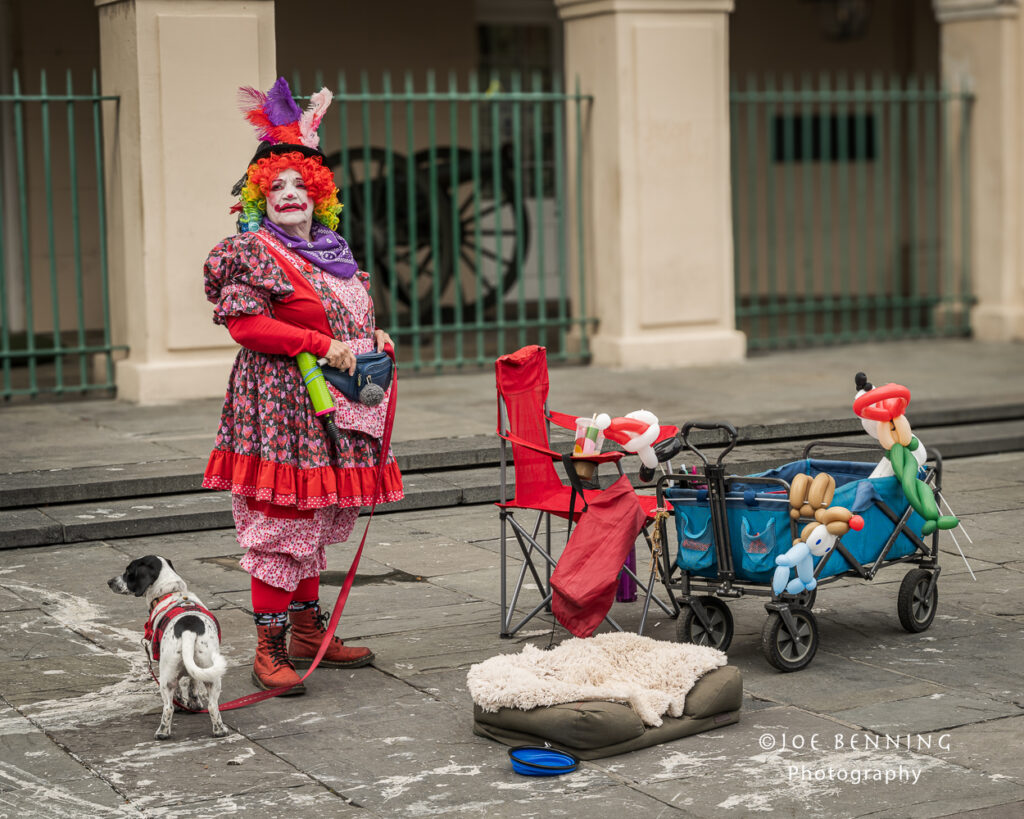
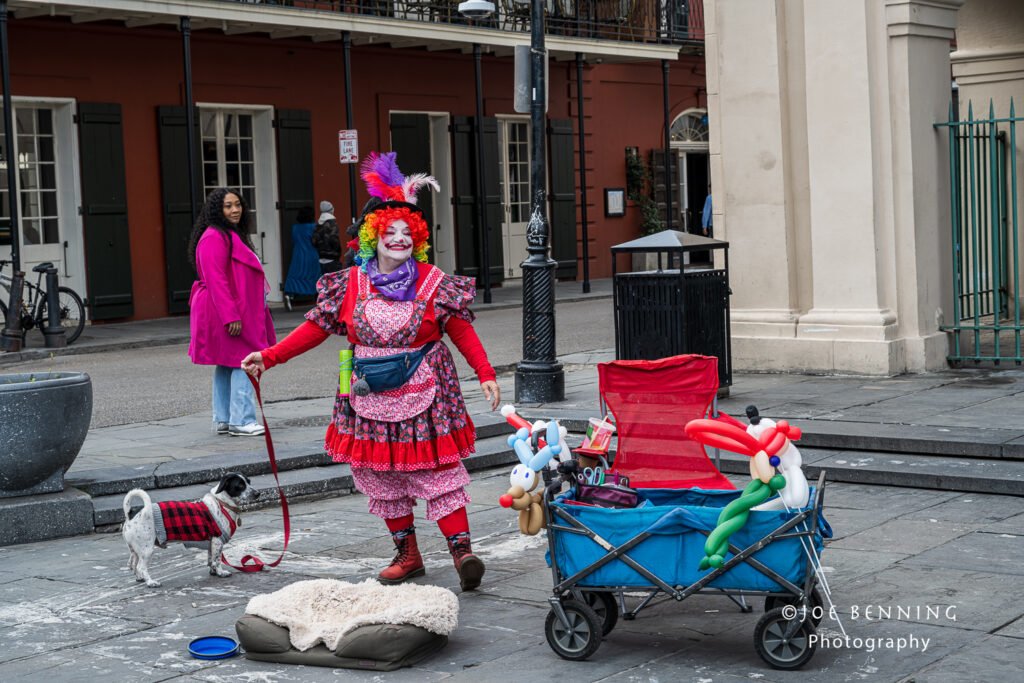
We also made our way to Jackson Square where someone was dressed up in a clown suit.


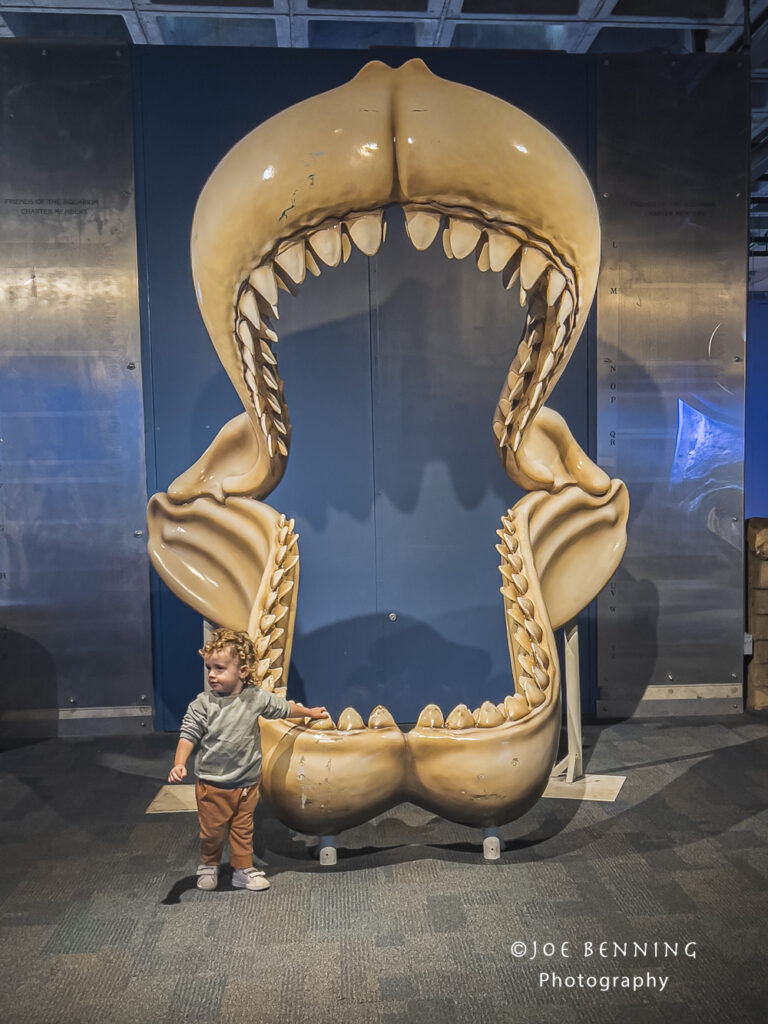
And we went to the New Orleans Aquarium where a young boy posed by the jaws of what must have been an enormous shark.

Next stop, the cruise ship and our first cruise stop at a plantation Mansion in St James Parish, Louisiana. We’ll keep you (or as they say down here “Y’all”) posted.
Joe
Recent Posts
- The American West July 1, 2026
- Yellowstone June 22, 2026
- A Few Side Trips in Portugal May 31, 2026
- Three Weeks in Lisbon May 29, 2026
- Sailing Along the Douro River May 23, 2026