Joe Benning Photography

  • J
  • O
  • E

Month: April 2016

Joe Benning
Glacier Bay, Alaska

Hello Everybody

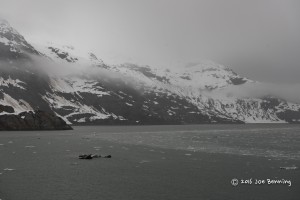
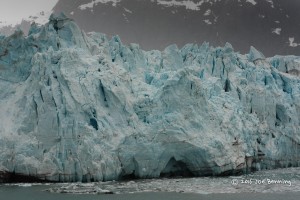
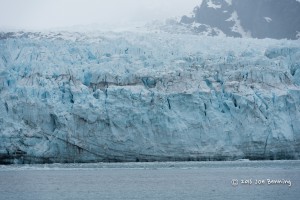
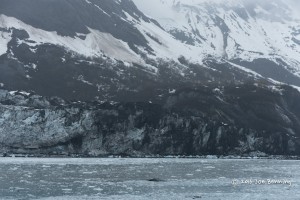
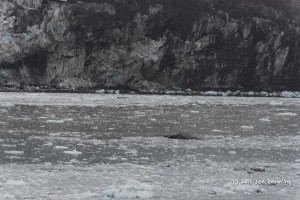
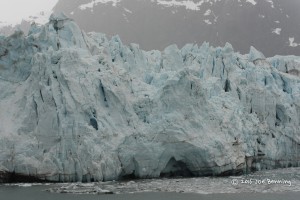
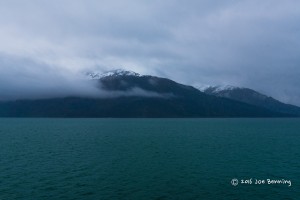
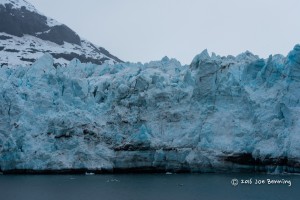
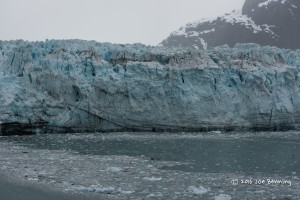
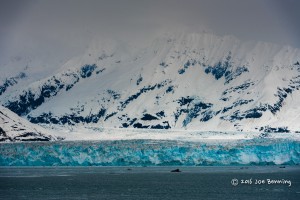
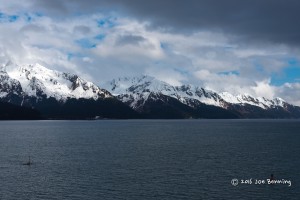
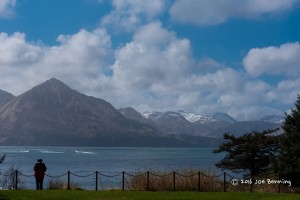
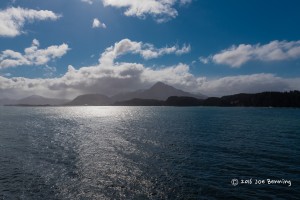
We are in the home stretch, sailing through Glacier Bay in Alaska where it’s cold, gray and snowy. But, we have seen plenty of glaciers. The size of these things, and the way they move, is simply incredible. The photos here include Margerie Glacier —a giant river of ice—that moves 7 feet a day. This glacier is 250 feet high–the equivalent height of a 25 story building.

Tomorrow we will be making our way to Skagway where we will do some whale watching.

Joe

Snow and Ice

Snow and Ice

Blue Glacier with Mountains in Background

Blue Glacier with Mountains in Background

Glacier Close-up

Glacier Close-up

Pieces of ice in Glacier Bay

Pieces of ice in Glacier Bay

Ice in Glacier Bay

Ice in Glacier Bay

Glacier with Mountains in Background

Glacier with Mountains in Background

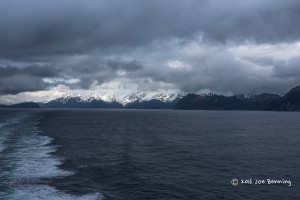
Afternoon fog rolls in over the Fairweather Mountains

Afternoon fog rolls in over the Fairweather Mountains

Up Close to a Tidewater Glacier

Up Close to a Tidewater Glacier

Margerie Glacier

Margerie Glacier

Read More
Joe Benning
Hubbard Bay

Hello Everybody

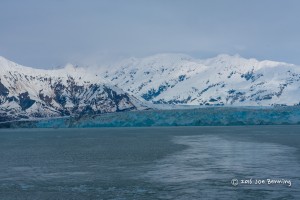
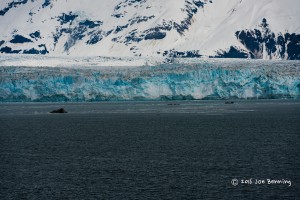
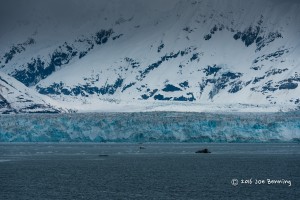
We sailed through Hubbard Bay today and got up close to a massive glacier. You have to see it to believe it. Here are some photos–but they don’t really show the scale of the glacier–the icy blue part at the bottom of the mountain.

Joe

Getting Close to the Glacier

Getting Close to the Glacier

Leaving Hubbard Bay Glacier

Leaving Hubbard Bay Glacier

Glacier

Hubbard Bay Glacier

Hubbard Bay Glacier

Glacier in Hubbard Bay

Glacier in Hubbard Bay

Read More
Joe Benning
Seward, Alaska

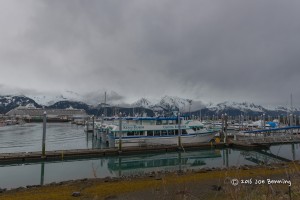
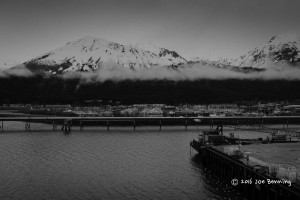
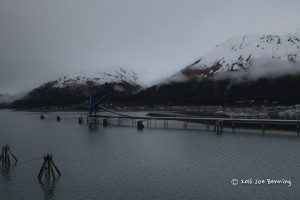
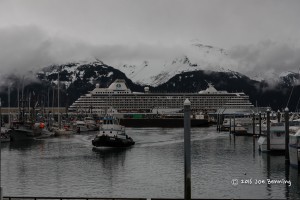
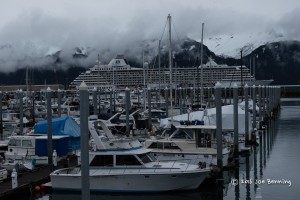
We spent today in Seward, Alaska where the weather alternated between rainy and sunny. Now we are on our way to Glacier Bay, where we will be out of satellite range for a couple of days. Anyway, here are some photos of Seward, taken at different times of day and different weather and lighting conditions.

Joe

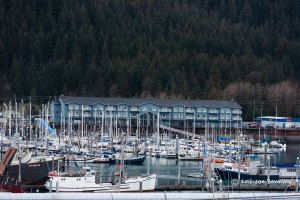
Seward Harbor with the fog rolling in

Seward Harbor with the fog rolling in

Foggy Seward Port in Black and White

Foggy Seward Port in Black and White

Snowy Hilltops by Seward Harbor

Snowy Hilltops by Seward Harbor

Cruise Ship in Foggy Harbor

Cruise Ship in Foggy Harbor

Seward Fishing Boats with Cruise Ship in the Background

Seward Fishing Boats with Cruise Ship in the Background

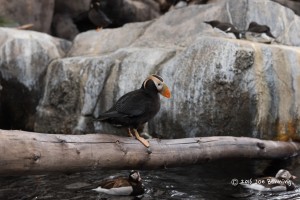
Loon

Loon

Fishing Boats of Seward

Fishing Boats of Seward

Seward Alaska

Seward Alaska

Leaving Seward

Leaving Seward

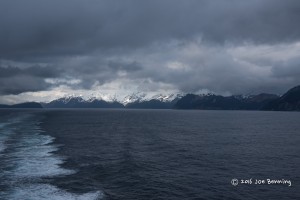
Sailing out of Seward Alaska

Sailing out of Seward Alaska

Outside Seward Harbor Early Evening

Outside Seward Harbor Early Evening

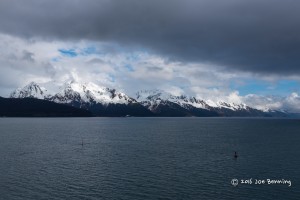
Seward in our Wake

Seward in our Wake

Read More
Joe Benning
Kodiak Alaska

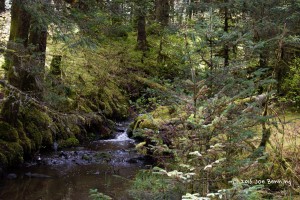
We visited Kodiak Alaska–the second largest island in the U.S.–along with its spectacular coastline and forests; its nature refuge, Kodiak bears, and its huge fleet of fishing boats. By the way, Kodiak bears can grow up to 10 feet tall and weigh 1,400 pounds. Fortunately we didn’t bump into any of these bears while hiking in the forest. Anyway, here are some photos from Kodiak.

We are now sailing away from Kodiak and on to Seward where we will arrive tommorrow.

Joe

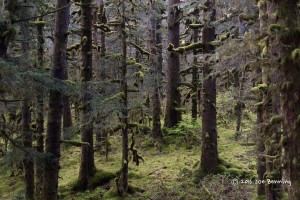
Forest in Kodiak Alaska Refuge

Forest in Kodiak Alaska Refuge

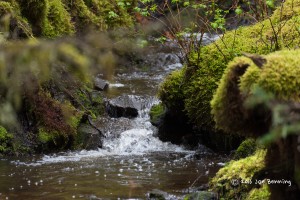
Gurgling Brook in State Park, Kodiak Alaska

Gurgling Brook in State Park, Kodiak Alaska

Brook in the Forest

Brook in the Forest

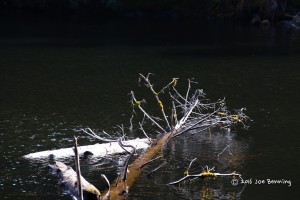
Driftwood

Driftwood

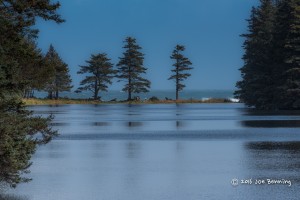
Lake Gertrude

Lake Gertrude

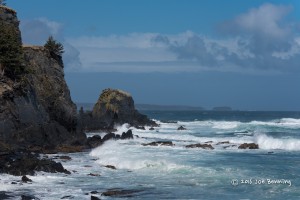
Pacific Coast of Alaska

Pacific Coast of Alaska

Kodiak Hills

Kodiak Hills

Leaving Kodiak

Leaving Kodiak

Alaskan Coast

Alaskan Coast

Alaskan Coast LIne

Alaskan Coast LIne

Forest in Kodiak Alaska Refuge

Forest in Kodiak Alaska Refuge

Read More
Dutch Harbor, Alaska

Dutch Harbor, Alaska                            Sunday, April 24, 2016

We arrived in Dutch Harbor, Alaska on Saturday, and the mood on the boat was noticeably cheerful – not sure if folks were glad to be back in the USA (using familiar currency and language), or glad to be on land after 3 days at sea (we had two Thursdays, because we crossed the international date line), or glad to be on the last leg of this long cruise, with only 2 weeks left to go.

In any event, hundreds of us poured off the boat to see the town, which is where the “Deadliest Catch” TV show is filmed.  We expected a kind of “Northern Exposure” town (remember that old TV show?) but it was a little different.  About 4000 people live in Dutch Harbor.  This is a major fishing port, and has been the #1 commercial fishing port in the USA for 19 years.  There is also an international airport here, which gets a lot of action because so much travel in this part of the world is by large or small plane.  Apart from the port and the airport, there are 2 nice museums, some businesses, and some eating/drinking places, spread out over a few miles on a few roads (no town center, per se).

We visited the Museum of the Aleutians, and learned a bit about the history of the Aleutian Islands and the Aleuts, including its Russian history, its role in WWII (the only place in the USA bombed besides Pearl Harbor, and location for 9000 troops during the war), the fishing/whaling/sealing that has sustained people in this area for thousands of years, and how people have survived in this harsh environment over time.   Although it was a little strange not to find any temples or Buddhas, this is still a very exotic part of the US with a history unlike so many other states.

This area hosts a lot of outdoor activity in the warmer months, and is home to many parks where you can enjoy birdwatching, hiking, biking, golf and other fun.

There’s a lovely Russian Orthodox church in Dutch Harbor as well as the Cathedral of the Holy Ascension; for one week each month a priest comes by plane to the Cathedral to attend to the spiritual needs of the parish.  Similar visits by plane are made by medical professionals and others who care for people in remote areas.  The local middle-high school has under 100 students in total (that’s about 12 per class).

Our day started out sunny, and passengers from the ship got out in the early morning and walked to some of the local attractions (1-2 miles).  Within about 3 hours from our arrival in Dutch Harbor, clouds formed and a brisk wind swept in.  Passengers started coming back to the ship, well in advance of the 4:30 pm deadline for reboarding.  By noon a nice sleety rain had started, and it was COLD out.  The ship was able to leave port ahead of schedule because nobody was outdoors by mid-afternoon.  And I think you probably heard a low buzzing noise in the lower 48 states by 5pm, since it appeared that almost all passengers were snoozing before dinner (not me, however!).

So while we sometimes lament the density of where we live, we can also be thankful that it’s not too remote and hard to reach.

Best to all,

MA

PS – Internet coverage for the next few days is supposed to be sketchy, so you may not hear from Joe or me during this time.


Read More
Joe Benning
Back in the USA

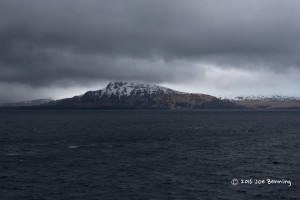
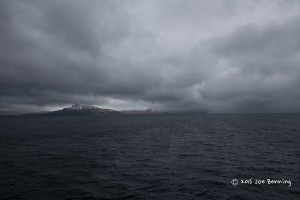
We have docked at the port of Dutch Harbor, at Amaknak island, one of the Aleutians. Here are some photos, including photos with storm clouds forming.

Joe

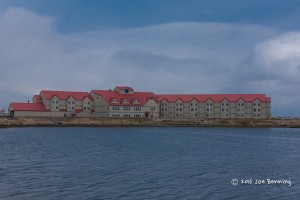
Grand Aleutian Hotel

Grand Aleutian Hotel

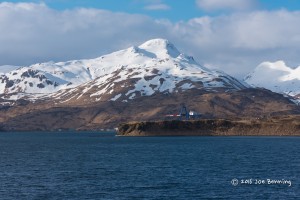
Hills on Amaknak Island, Alaska

Hills on Amaknak Island, Alaska

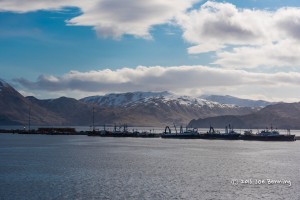
Dutch Harbor Port in the Morning

Dutch Harbor Port in the Morning

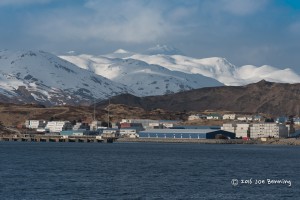
Dutch Harbor Port

Dutch Harbor Port

Foreboding Clouds at Sea

Foreboding Clouds at Sea

Storm Clouds Gather

Storm Clouds Gather

Read More
Joe Benning
Back in the USSR

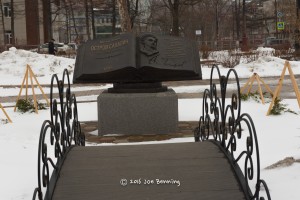
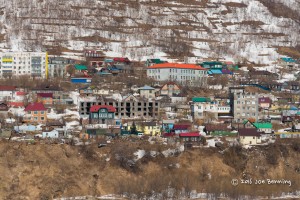
We have just docked at Petropavlovsk after sailing from Sakhalin Island. Here are some photos.

Joe

Chekov Memorial on Sakhalin Island

Chekov Memorial on Sakhalin Island

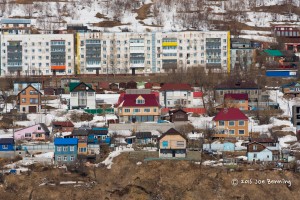
Houses on the Mountain

Houses on the Mountain

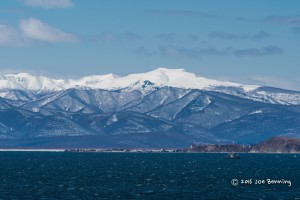
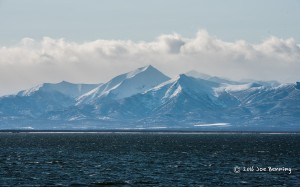
Mountains of Petropavlovsk, Russia

Mountains of Petropavlovsk, Russia

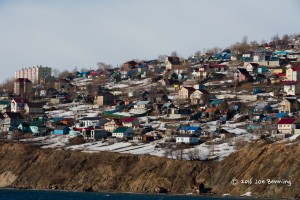
Houses Built on the Side of the Mountain, Petropavlovsk

Houses Built on the Side of the Mountain, Petropavlovsk

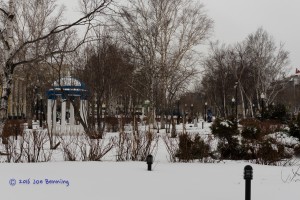
Park by Chekov Museum, Korsakov, Russia

Park by Chekov Museum, Korsakov, Russia

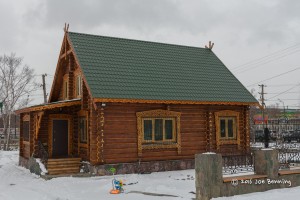
St Nikolaus Rectory

St Nikolaus Rectory

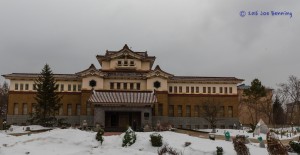
Sakhalin Regional Museum housed in the building of the former Japanese Bank, Hokkaido Takushoku

Sakhalin Regional Museum housed in the building of the former Japanese Bank, Hokkaido Takushoku

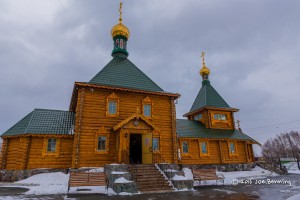
St. Nikolaus Russian Orthodox Church, Sakhalin Island, Russia

St. Nikolaus Russian Orthodox Church, Sakhalin Island, Russia

Hills of Petropavlovskk

Hills of Petropavlovskk

Mountain Houses

Mountain Houses

Read More
Mary Anne McDonald
Eastern Russia
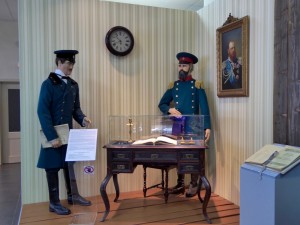
characters in the Chekhov Museum

characters in the Chekhov Museum


Eastern Russia                                                           April 20, 2016

Just a few hours heading north in the Pacific Ocean and you go from relatively mild early Spring weather in Japan to sub-zero snow in Russia! We visited Korsakov on Monday, on the island of Sakhalin, about halfway between Japan and Russia in this area of the world. This island was settled by the Japanese during the Edo period (approx. 1600-1870), but has been the subject of contests between Japan and Russia since that time, through the end of WWII, when the island was awarded to Russia. Not many people live on the island, and much of it is forested. The island industries include farming, fishing and tourism – this island is a haven for birds, seals and other wildlife, so lots of people come to take in the natural wonders.

The island also holds many Daccha – the summer houses of the Russians.  We passed many on our drive – small houses on small plots of land, with vegetable and flower gardens ready for planting when the weather thaws.

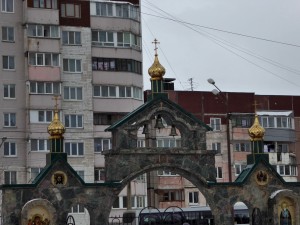
Entry to the Orthodox Church; note the fairly new housing in the background, which is showing signs of wear already

Entry to the Orthodox Church; note the fairly new housing in the background, which is showing signs of wear already

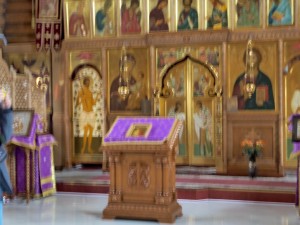
We travelled to the capital city of the island (Sakhalin), and visited a Russian Orthodox Church constructed in the “old” way – no nails, just wooden pegs holding the logs together. On our trip we passed many churches, some with the colorful and picturesque onion shaped domes.

Altar at St. Nikolaus Church

Altar at St. Nikolaus Church

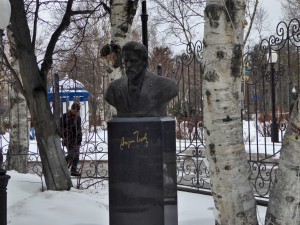
We visited the Anton Chekhov Museum, and learned more about this writer (who was also a physician). Chekhov visited Sakhalin in 1890, to interview convicts in Russian work camps; he wound up staying for three months, taking a regional census in addition to compiling the prisoner interviews which ultimately became “Sakhalin Island.”

Anton Checkhov bust outside the Museum in Sakhalov

Anton Checkhov bust outside the Museum in Sakhalin

While in Sakhalin we also visited the Regional Museum, which was established by the Russian population during a period when the Japanese ruled the island, to preserve and commemorate Russian history and its people. The Museum is in one of the only buildings on the island that retains its Japanese style architecture.

After another rough night on the sea (lots of ice and lots of speed to make up for the very lengthy immigration processing we experienced at Korsakhov), we have arrived at Petropavlovsk, one of the most isolated large cities in the world (no roads connect it to the outside world). The captain wasn’t entirely sure we’d be able to anchor and visit this island, as the weather is sometimes too inclement to permit tender service. He told us today that last night “we drove the boat like we stole it” in order to make time.

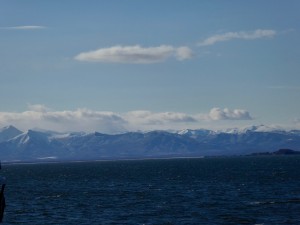
on the way to Petroplavask, this is the view

on the way to Petroplavask, this is the view

Petropavlovsk was isolated from the world until 1991, especially during earlier years when it housed Russia’s largest nuclear submarine base and military radar installations.

Petropavlovsk is surrounded with natural beauty in the Kamchatsky Peninsula, a mountainous region on the Bering Sea that is part of the Ring of Fire (the circle of volcanoes that encircle the Pacific). This peninsula has 68 active volcanoes (that’s 10% of the world’s active volcanoes), 5 nature reserves, the world’s densest population of brown bears, and a thriving fishing industry.

While on this part of our journey, we’d learned a bit about Vitus Bering, who founded Petropavlovsk (which he named after his two sailing ships in 1740, the St. Peter and the St. Paul). Bering was a Dane who explored Russia and the Aleutian Islands, trying to ascertain where Alaska ends and Russia begins, or whether they were connected by a land mass. The 53 mile gap that we call the Bering Straits is now the water that separates Asia and North America.

Looks like we’re in for very cold weather for the next couple of weeks, but we hope you are all enjoying the start of Spring, and we will be too, very soon!

Best,

MA

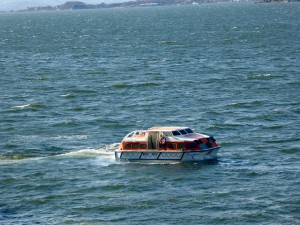
the little tender that couldn't make it safely to the dock due to the winds

the little tender that couldn’t make it safely to the dock due to the winds

PS – the sad end to our story – the wind at Petroplavask was so strong that the tender boats could not safely get passengers to the dock, so we spent the afternoon on the ship, and most of the passengers were somewhat thankful that we didn’t have to brave the cold wind (you can tell some of us are getting old).

Read More
Mary Anne McDonald
MA's pix from Japan
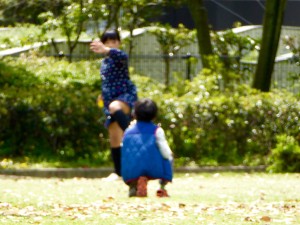
a fuzzy pic, but here are some sibs practicing baseball, which the folks in Fukuoka love.

a fuzzy pic, but here are some sibs practicing baseball, which the folks in Fukuoka love.

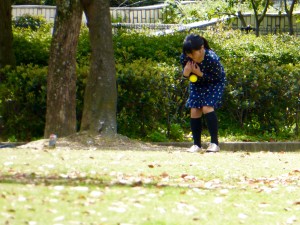
now this gal shows my level of athletic prowess!

now this gal shows my level of athletic prowess!

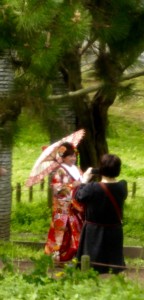
bride on her wedding day in Fukuoka, Japan

bride on her wedding day in Fukuoka, Japan

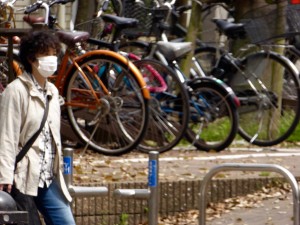
walker in Fukuoka, wearing mask; despite lots of bicycle use, pollution and pollen result in lots of masks.

walker in Fukuoka, wearing mask; despite lots of bicycle use, pollution and pollen result in lots of masks.

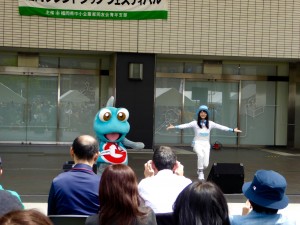
performer at a local fair in Fukuoka behind the City Hall

performer at a local fair in Fukuoka behind the City Hall

we saw lots of characters like this one while in Japan - very entertaining and fun to watch

we saw lots of characters like this one while in Japan – very entertaining and fun to watch

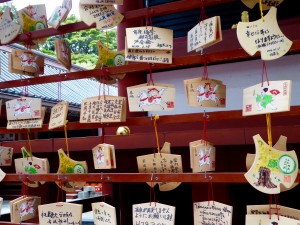
requests for prayers at the Buddhist temple in Shimizu, Japan

requests for prayers at the Buddhist temple in Shimizu, Japan

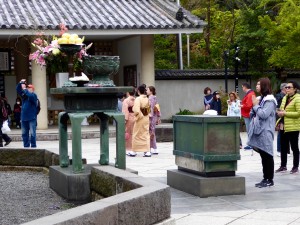
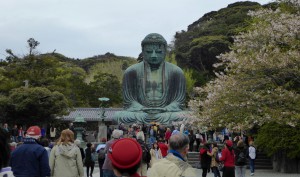
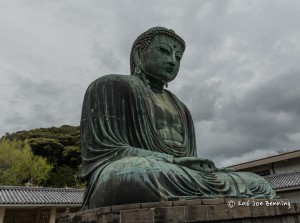
At Kamakura (outside Tokyo) we saw the Great Buddha, and young ladies in traditional dress who joined others worshipping before Buddha

At Kamakura (outside Tokyo) we saw the Great Buddha, and young ladies in traditional dress who joined others worshipping before Buddha

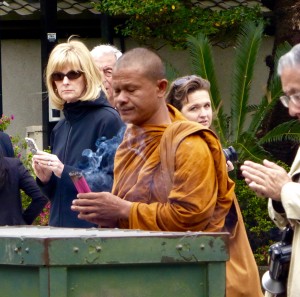
a monk at Kamakura lights incense before the Great Buddha

a monk at Kamakura lights incense before the Great Buddha

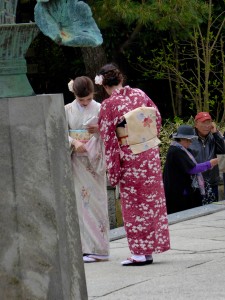
more young ladies in traditional dress at Kamakura

more young ladies in traditional dress at Kamakura

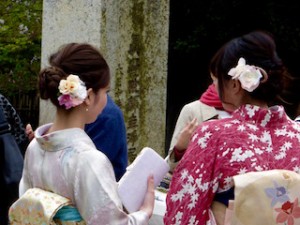
the traditional dress calls for lovely flowers in the hair

the Great Buddha himself, at Kamakura, Japan

the Great Buddha himself, at Kamakura, Japan

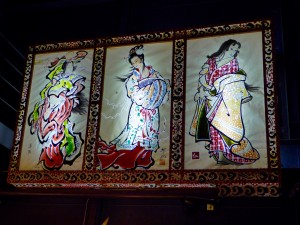
a screen we saw at the Neputa Village, in Otaru, Japan. This is a village of traditional woodworkers, silk and embroidery artists, makers of parade floats, lacquer wood artisans and others

a screen we saw at the Neputa Village, in Otaru, Japan. This is a village of traditional woodworkers, silk and embroidery artists, makers of parade floats, lacquer
wood artisans and others

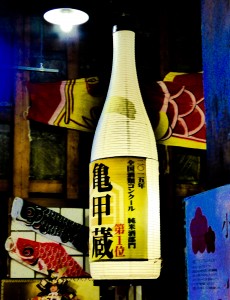
the Japanese make beautiful lanterns and this one we enjoyed at a Sake brewery in Otaru, Japan

the Japanese make beautiful lanterns and this one we enjoyed at a Sake brewery in Otaru, Japan

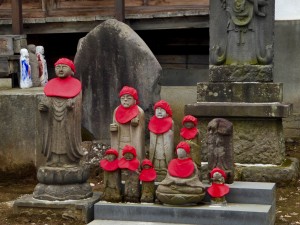
we visited another Buddhist temple (this one is Aomori, Japan), and we saw that the statues were wearing red, as a symbol of joy

we visited another Buddhist temple (this one is Aomori, Japan), and we saw that the statues were wearing red, as a symbol of joy

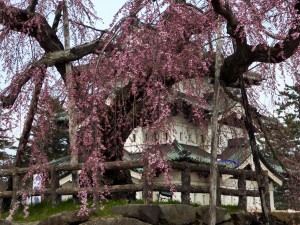
In Aomori we saw the Hirosako Castle, which housed the powerful Shogunate for many years (leader of the Samurai class); weeping cherry trees were just about to bloom near the castle. We also saw lots of wooden bridges over moats surrounding the castle - easier to burn them if invaders were approaching!

In Aomori we saw the Hirosako Castle, which housed the powerful Shogunate for many years (leader of the Samurai class); weeping cherry trees were just about to bloom near the castle. We also saw lots of wooden bridges over moats surrounding the castle – easier to burn them if invaders were approaching!

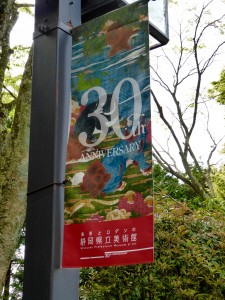
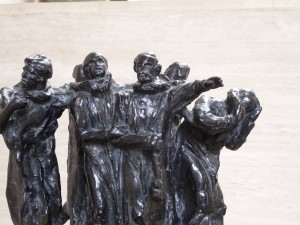
a banner for the Shizuoka Prefecture Museum of Art, where we saw Japanese impressionist paintings, lovely screens and wood blocks, and a very extensive collection of Rodin sculptures

a banner for the Shizuoka Prefecture Museum of Art, where we saw Japanese impressionist paintings, lovely screens and wood blocks, and a very extensive collection of Rodin sculptures

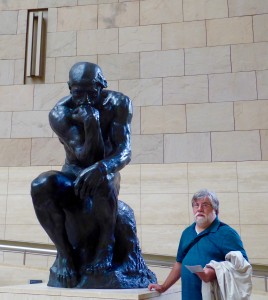
2 Thinkers

2 Thinkers

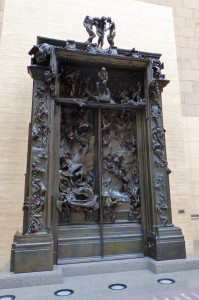
Rodin's Gates of Hell

Rodin’s Gates of Hell

another Rodin - totally resonates with how we feel sometimes!

another Rodin – totally resonates with how we feel sometimes!

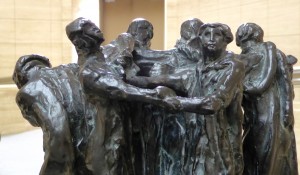
Rodin's Burghers of Calais - one view (there are 57 castings of this sculpture in existence)

Rodin’s Burghers of Calais – one view (there are 57 castings of this sculpture in existence)

Burghers of Calais - another view

Burghers of Calais – another view


Read More
Joe Benning
The Land of the Rising Sun

Hello Everyone…Leaving Japan

Decent Internet access has returned now that we have left Japanese waters. We still don’t know exactly what the problem was. Anyway, leaving that aside, we lucked out again, this time missing by about 2 days the earthquakes that struck southern Japan. We have lots of photos from Japan, including shots taken in Aomori, Otaru, Fukuoka and, of course, Tokyo. Some are posted here.

Joe

Young Lovers in Japanese Garden

Young Lovers in Japanese Garden

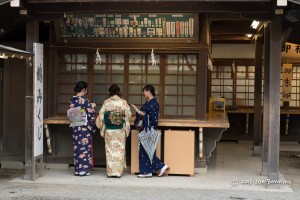
Japanese Women in Kimonos

Japanese Women in Kimonos

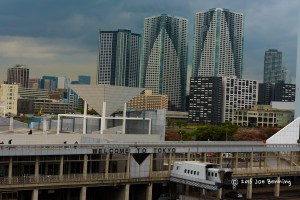
Welcome to Tokyo: A view from the ship

Welcome to Tokyo: A view from the ship

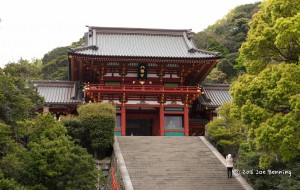
Tsurugaoka Hachimangu Shrine

Tsurugaoka Hachimangu Shrine

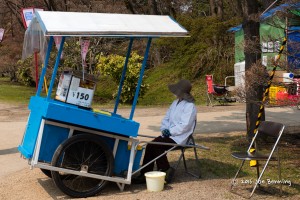
Trader in the Park

Trader in the Park

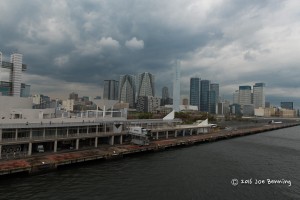
Tokyo as seen from the pier on a cloudy day

Tokyo as seen from the pier on a cloudy day

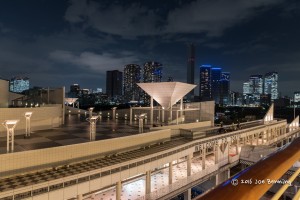
Tokyo from the Pier at Night

Tokyo from the Pier at Night

Shrine

Shrine

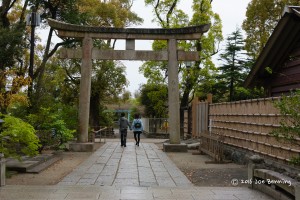
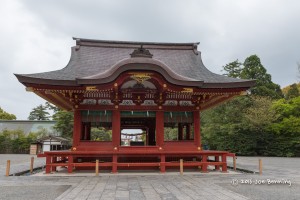
Shinto Shrine in Kamakura, Japan

Shinto Shrine in Kamakura, Japan

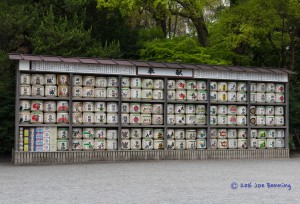
Saki Wall at the Tsurugaoka Hachimangu Shrine

Saki Wall at the Tsurugaoka Hachimangu Shrine

Giant Buddha, Kamakura Japan

Giant Buddha, Kamakura Japan

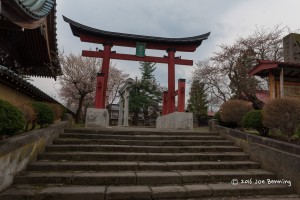
Entrance to Shrine

Entrance to Shrine

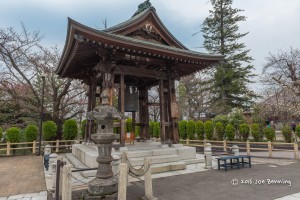
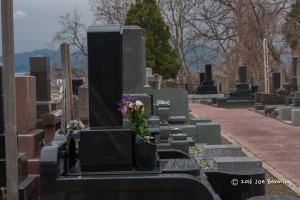
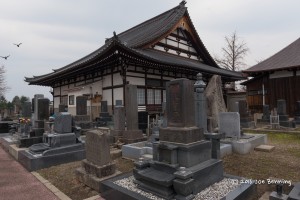
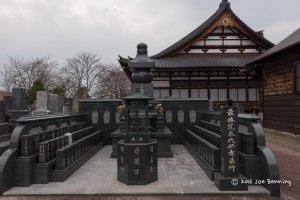
Buddhist Cemetery

Buddhist Cemetery

Buddhist Cemetery, Aomori, Japan

Buddhist Cemetery, Aomori, Japan

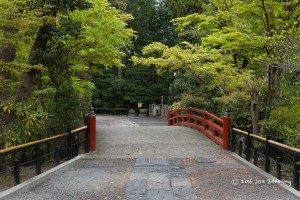
Bridge to Japanese Gardens

Bridge to Japanese Gardens

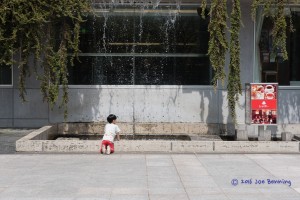
Boy Playing by Waterfall Pool in Tenjin Park

Boy Playing by Waterfall Pool in Tenjin Park

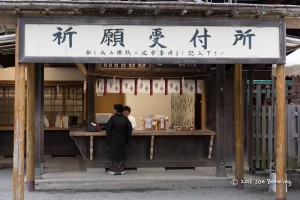
Box Office

Box Office

Buddhist Cemetery

Buddhist Cemetery

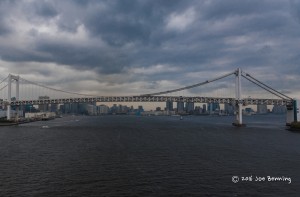
Approaching the Rainbow Bridge on a Cloudy Day

Approaching the Rainbow Bridge on a Cloudy Day

Read More
Japan (and a little postscript on South Korea)

Japan                                                              Friday, April 15, 2016

Our last stop in Korea was Busan (aka Pusan), on the southeast coast, and we enjoyed a long day seeing various sights, including some beautiful beaches. We visited a Buddhist temple perched high on a cliff (lots of steps to get to the top, but well worth the climb) overlooking the sea; the temple dates back to 1376, and at its base is a thriving market with all kinds of food, fish, souvenirs and other items. Joe got some great pictures which he will post when the internet connections allow it.

Busan is another one of those cities where entrepreneurship has allowed for incredible success; in the past 2 decades or so Busan was identified as a great location for movies to be shot; now it hosts an international film festival that rivals South by Southwest, Cannes and other leaders. Busan is currently the second largest city in South Korea, and its largest port city.

In Busan one of the tour guides gave us her take on the political situation, which was the first time we heard it openly discussed during our few days in Korea. She indicated that while South Koreans would like reunification with the North under a democratic regime (or even a nominally Communist rule), that seems less like than ever, given the North’s current leadership.

And one last Korean note: Just as I noted that Tiger Woods was born in Thailand, I now know that Lydia Ko is from Jeju Island, South Korea!

And now we are in Japan – 1 day each in 2 relatively small cities (Fukuoka and Shimizu), and a day and a half in Tokyo – very different experiences. Japan is basically 4 large islands (and 4000 smaller ones), of which 70% is mountain and forest. 130 million people crowd into the small percentage left for commercial and residential use (only 20% of Japan is suitable for building), and the cities and towns are dense. Dense, but orderly and beautiful at the same time.

The Japanese practice 2 main religions, Shintoism and Buddhism. Shinto is an ancient Japanese religion founded on the concept that all natural objects (trees, stones, etc.) have spirits and souls. At joyful human events (birth, marriage, new year’s celebrations, etc.) Shinto rites are observed. Buddhism (which came to Japan from India, through China) is concerned with death and the afterworld; accordingly, Buddhist rites are observed at funerals. Thus the 2 religions co-exist.

During our visits in Japan we saw lots of white medical-style face masks (attributed variously to pollution or to pollen conditions), lots of baseball games, lots of cherry blossoms, lots of shrines and temples and Buddhas, and just lots of people in general. We were impressed with the size of Tokyo, and its many colorful neon signs, but didn’t get to anyplace we would really call charming (maybe on another visit we can see some of the gardens and museums that the city has to offer).

Our visit included time at the Shizuoka Prefecture Museum of Art in Shimizu, and we saw many beautiful Rodin schulptures (the Burghers of Calais, the Thinker, the Gates of Hell, etc.) and some lovely gardens.

Outside of Tokyo lies Kamakura, the seat of government when the Shogun (the Samurai class leaders) ruled Japan. We visited a Great Buddha and saw a few monks and some ladies dressed in traditional clothing, as well as the Tsurugaoka Hachimangu Shrine, founded in 1180 and still in active use by worshippers.

We have also enjoyed some great local entertainment provided by drummers – they are fast as lightning, and perform modern songs as well as traditional ones, in many cases using only drums and no other instruments.

Tomorrow we’ll be in another Japanese town, in the north of the country. We travelled for the past day or 2 into the North Atlantic, and the sun has been out but the weather is choppy – lots of hanging onto handrails while people travel around the ship.

Many of the folks on the ship have traveled out in the past few days to Kyoto and other ancient towns, or have taken the bullet train for the experience, or gone to see Sumo wrestlers practice, or have visited with geishas (hostesses) and enjoyed tea ceremonies. The reports back have been very positive – welcoming local people who are very proud to describe their long history and share their many art forms.

Hope that all goes well with you all.

Best,

MA

Read More
Trip Update

Hello everybody
We can do some posts like this–but we can’t upload photos– apparently because the Peoples Republic of China is blocking certain types of Wi-Fi uploads. So it may be a while before we get out of their range.

Later comrades 🙂

Joe

Read More
This website uses cookies to improve your experience. Cookie Policy