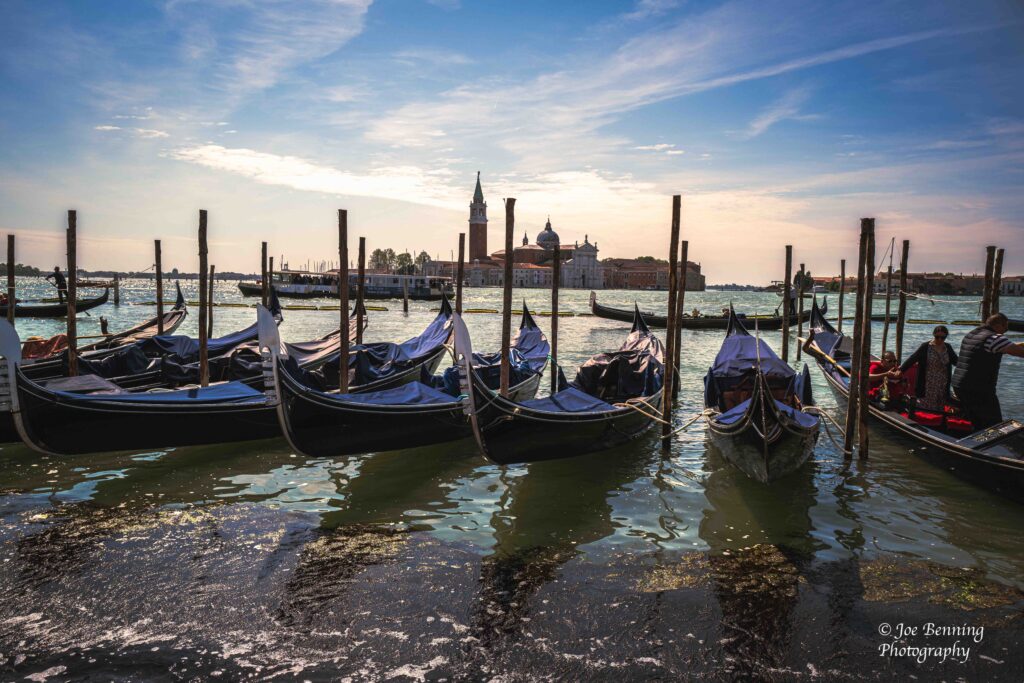
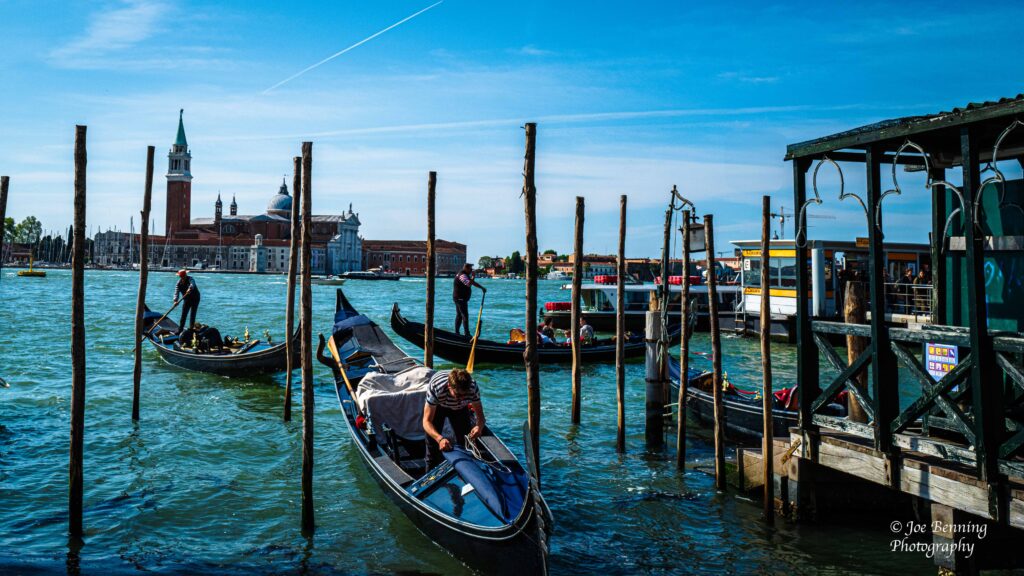
Gondolas, Piazza San Marco, Fine Stores, Cafes and Restaurants. What’s not to like about Venice?
Gondolas Tied Up on the Grand Canal
We docked in Fusina on Sunday largely because cruise boats can no longer dock in Venice. That is because Venice is trying to achieve 2 goals. First, they want to control damage to the city caused by big tour boats. Second, they want to restrict overcrowding by tourists. It is all a work in progress.
Note that we arrived early in the season, docked early and made our way into the city fairly early—and by the time we left at noon, the crowds were already beginning to swell. By mid May (at least) the city will be packed.
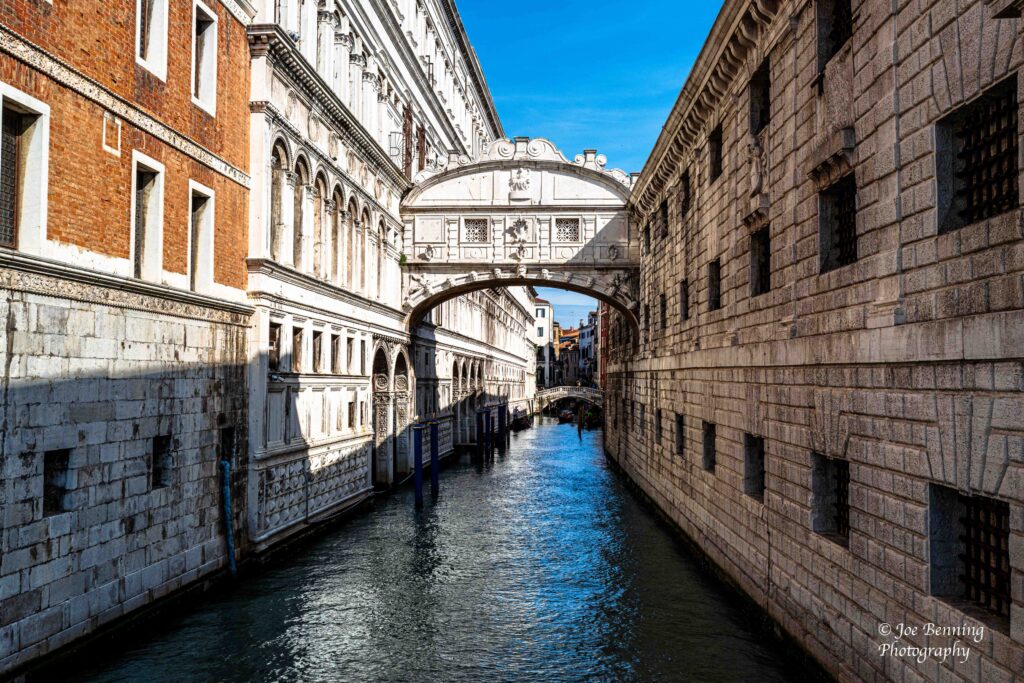
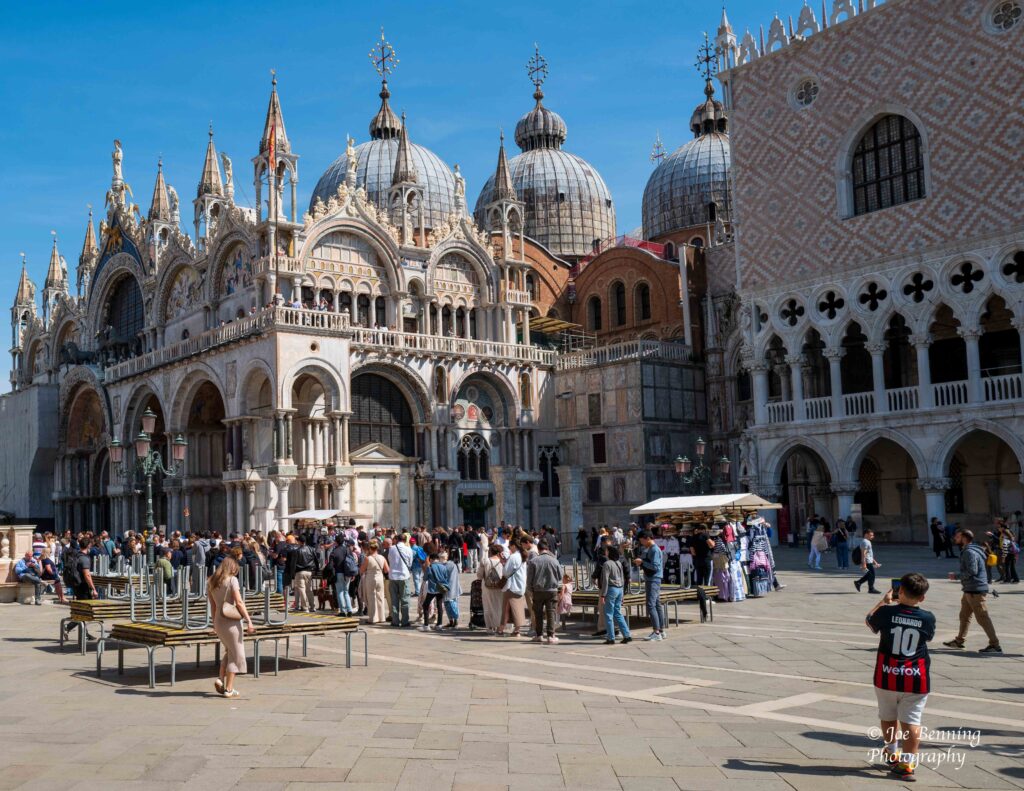
It is not difficult to see why tourists flock to the city. In addition to its storied history, the city is physically beautiful. The beauty of the architecture is overwhelming. There are also historically important buildings, palaces, churches and works of art on almost every block.
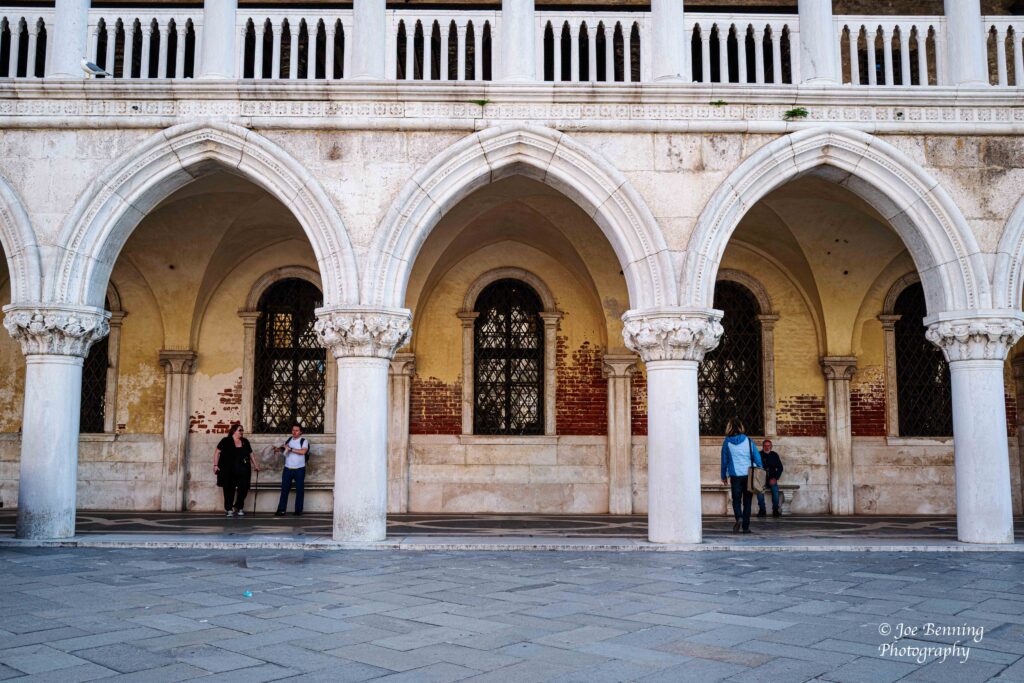
The Bridge of Sighs in VenicePiazza San Marco in VeniceSt Mark’s Square
Venice is becoming more commercialized by the day as commercial incentives clash with ongoing attempts at preservation. And while it is true that Venice is sinking a few centimeters a year, it is also true that it has been sinking for a very long time. How it all ultimately turns out is anyone’s guess.
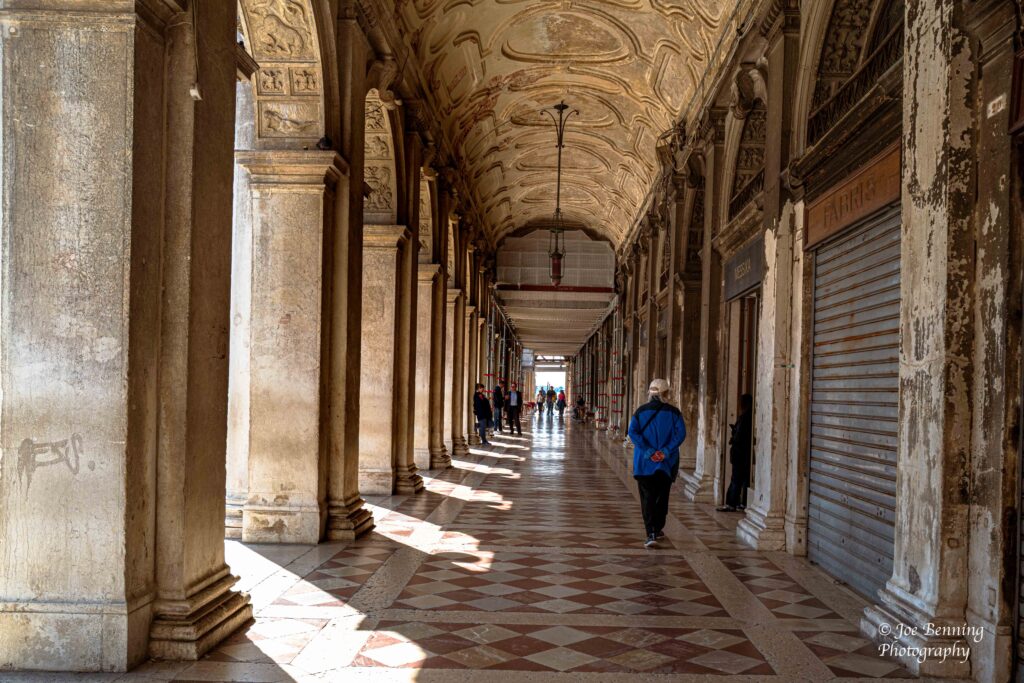
Hallway of Shops in St Marks SquareNear St Marks Square
In the meantime, if you get a chance, go to Venice. The magnificence of the city is almost indescribable. Check that, it isn’t almost indescribable; it is indescribable. You should see it while you can.
We are back in Greece now, where we had a nice walking tour of Thessaloniki, Greece’s second largest city (after Athens).
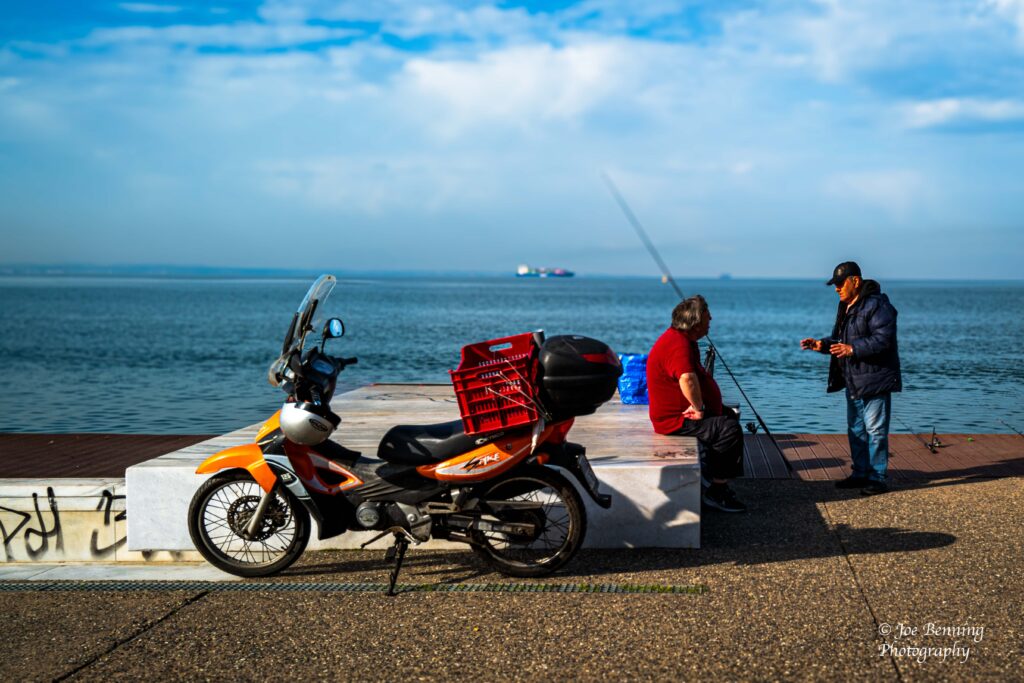
Fishermen in Thessaloniki
Again, tons of history in this city, some reflected in its archeology museum, and much in the monuments all over the city (including Alexander the Great ).
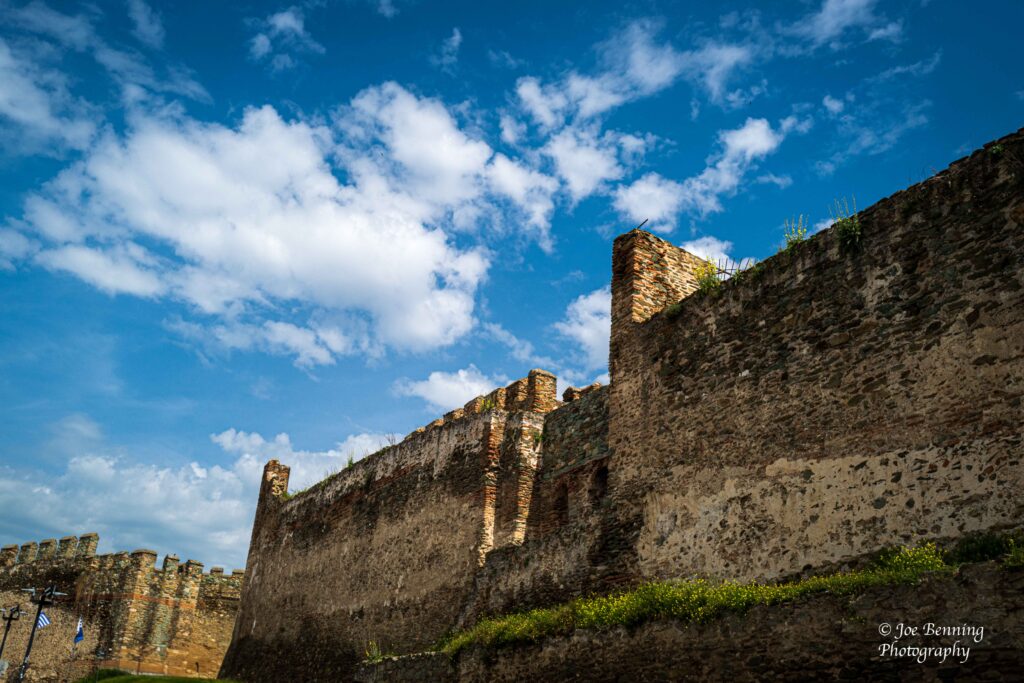
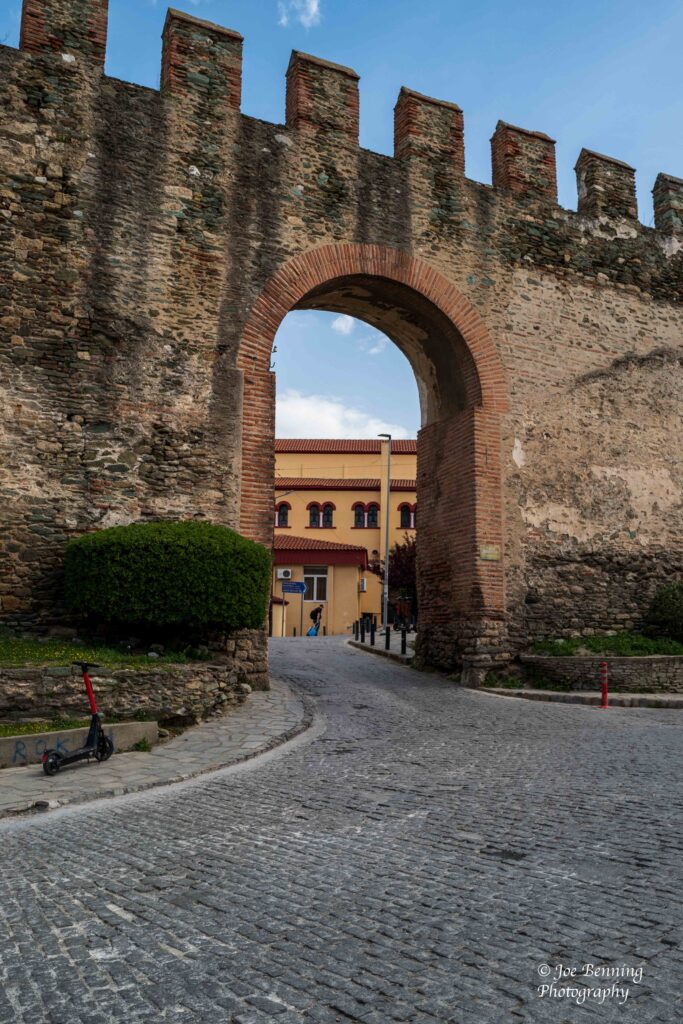
Wall of the Old City in Thessaloniki
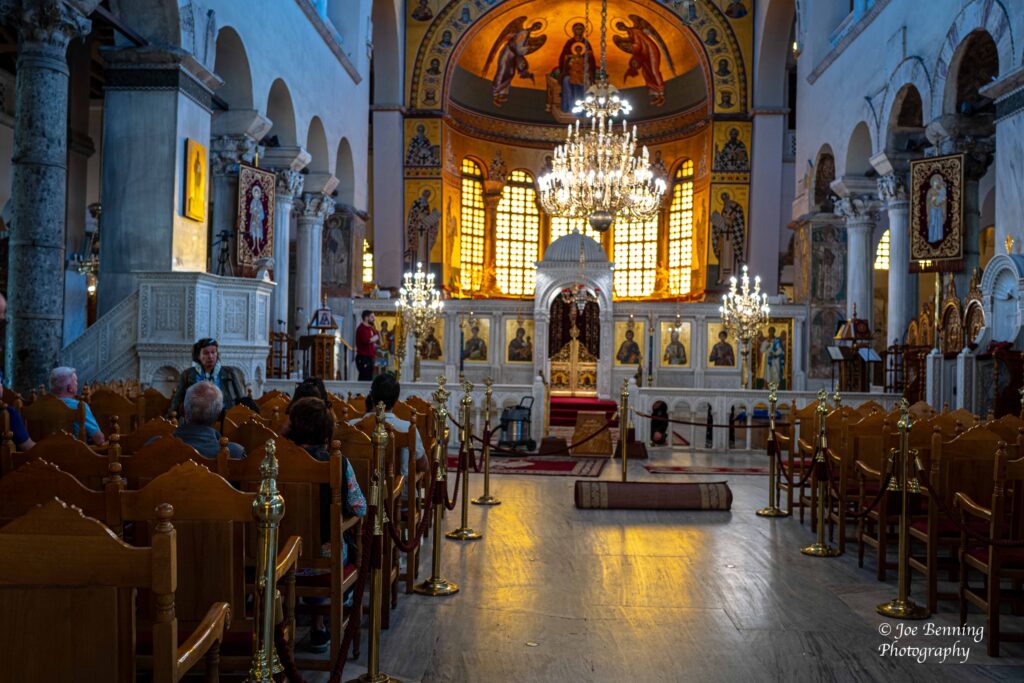
We spent a good deal of time in the Church of St. Dimitrios, learning about the Greek Orthodox church, and some of the ways it differs from the Roman Catholic church.
St Dimitrios Greek Orthodox Church
Workers in churches all over Greece were busy on Holy Thursday preparing for Easter rituals and proceedings. Lucky for us, Holy Thursday was the day for our visit to Thessaloniki. We saw many Epitaphios (the embroidered or iconographic cloth depicting Christ after his removal from the cross). A wooden canopy, decorated with flowers, carries the epitaphios in a solemn procession on Good Friday evening.
Volos
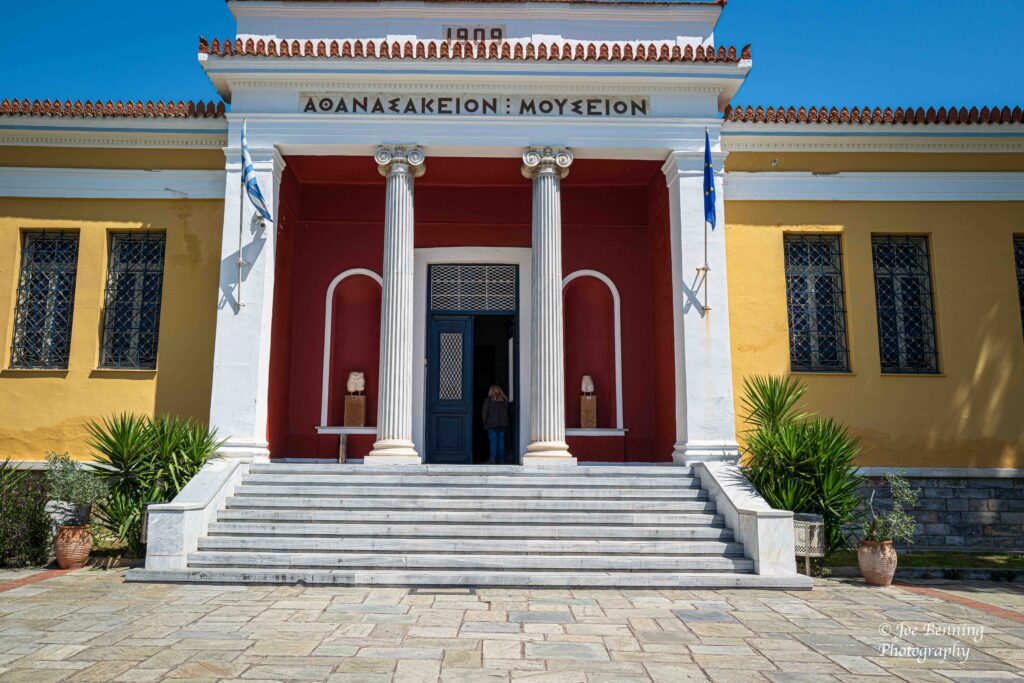
After Thessaloniki we headed to Volos, a much smaller town with lots of history (of course). Another visit to the archeological museum in Volos, and then a trip to the nearby village of Milies.
Archeological Museum in VolosGate through the Wall in Milies
Milies means “apple trees” in Greek, and the region produces beautiful, tasty apples, along with flowers and many other crops.
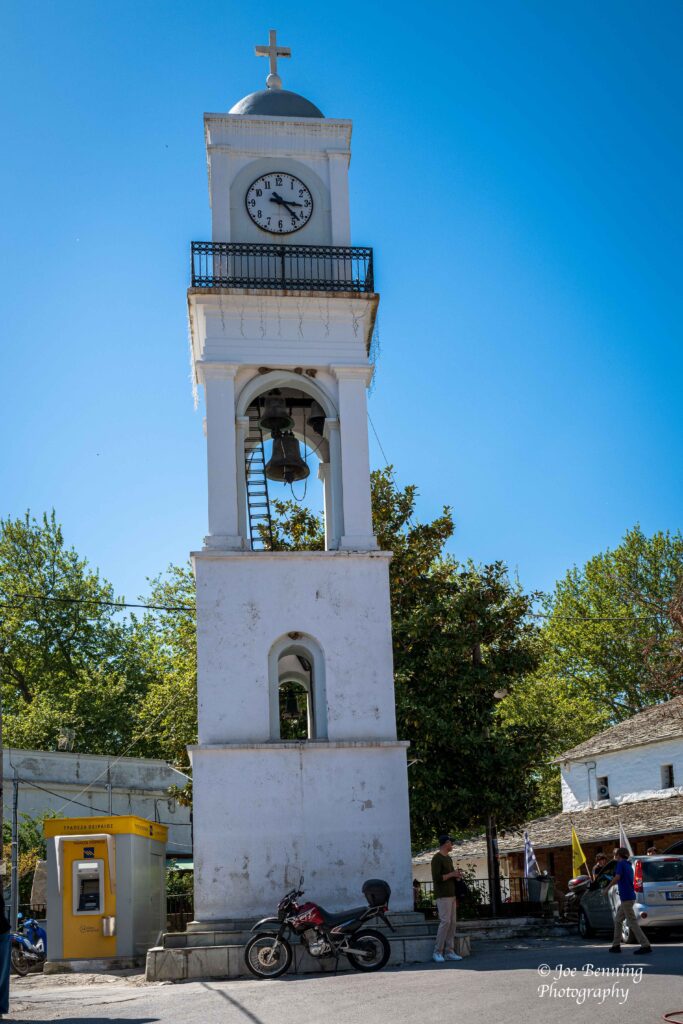
Milies is one of 24 small towns on the Pelion Peninsula in the Thessaly region of central Greece. These small old towns are hidden high in the hills, because it did not make sense to live on the coast in the days when pirates were attacking coastal cities.
Bell Tower in Milies, Volos
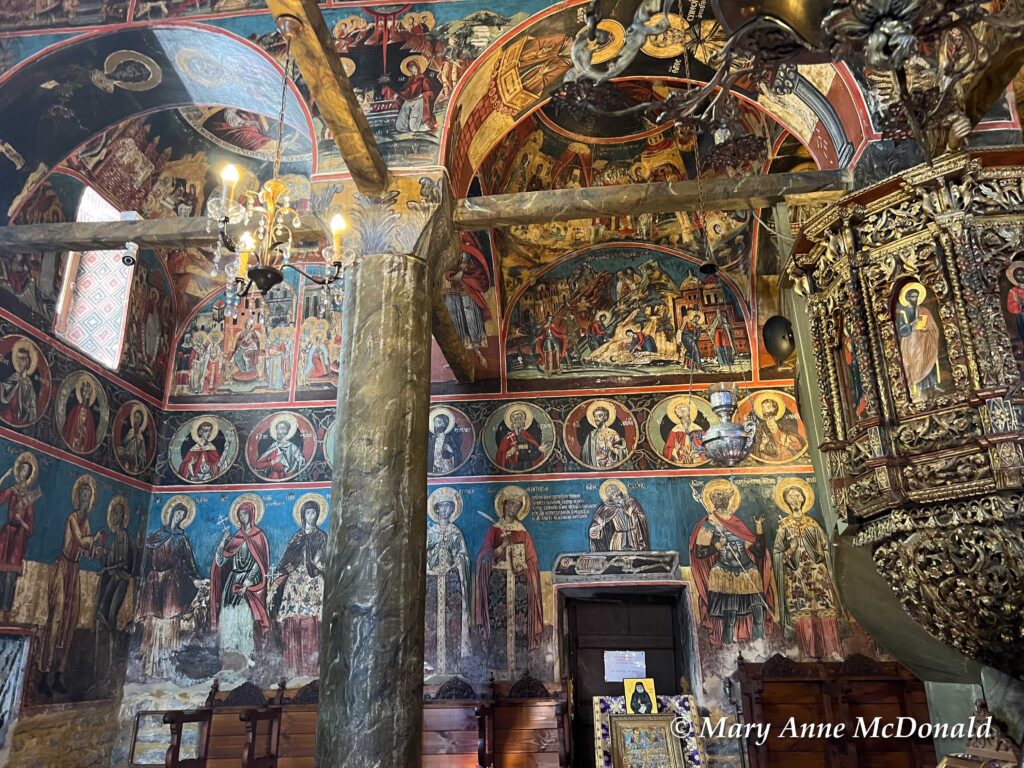
The Church of the Holy Archangels, a Greek Orthodox church, is located in Milies. It is very small but the interior is ornately decorated with many frescoes.
Church of the Archangeles
There is a beautiful entry to the church where candles may be lit for special offerings. When we visited the church on Good Friday, the church had another Epitaphios on display. Holy Week is a special time to be in Greece and learn about the Greek Orthodox church. This year is the first time in 1700 years that the Roman Catholic and Greek Orthodox churches will celebrate Easter on the same day.
We plan to go to a Mass on Easter in Athens to be concelebrated by the ship’s chaplain.
After leaving Portimão, we sailed to Lisbon (AKA Lisbao) and we docked there for 2 days. Upon arriving we headed out for Sintra, reputed to be a charming medieval town. I can report it was everything it was cracked up to be.
Sintra
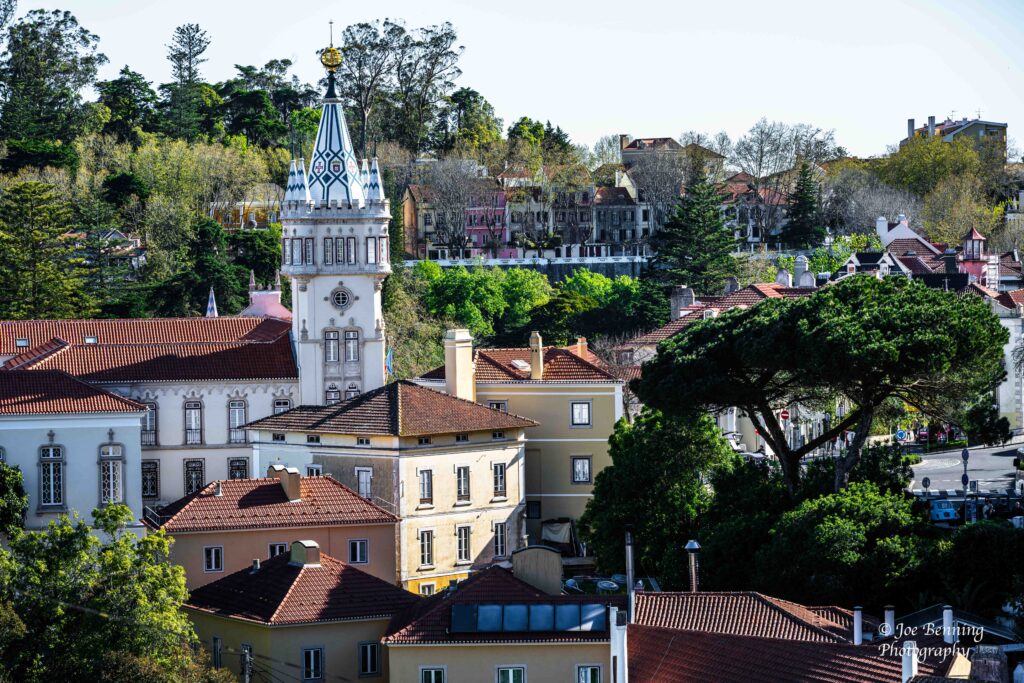
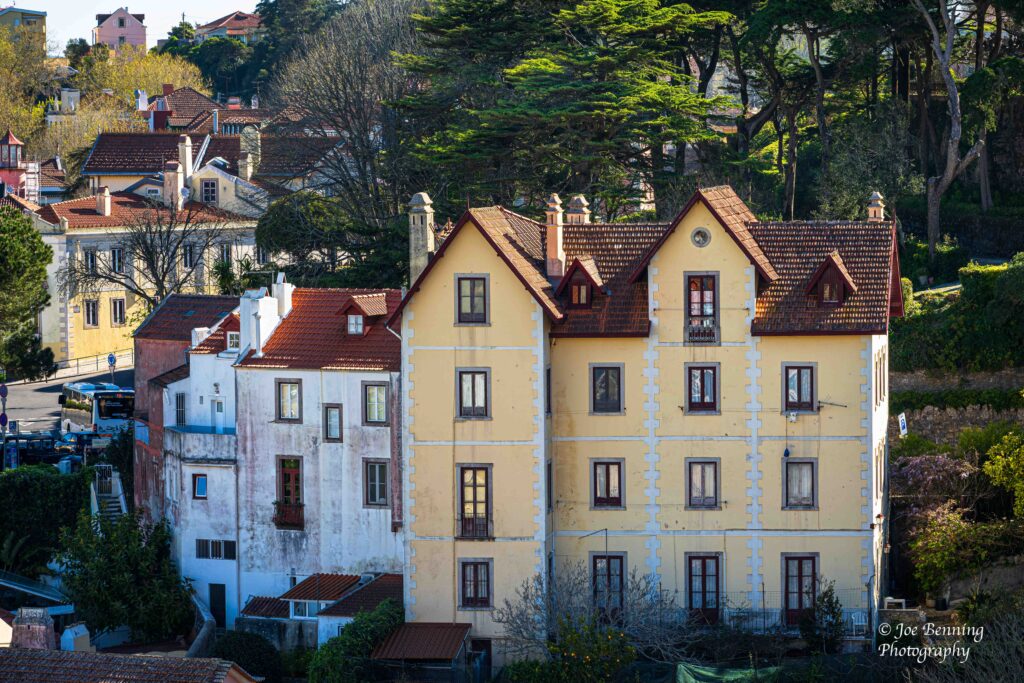
Sintra is a small town with population about 385,000 people. It is densely populated and it is a major tourist attraction, but it certainly isn’t a tourist trap. It is picturesque, with several palaces, castles, parks and gardens. It is famous for its Romanticist architecture and is designated as a UNESCO World Heritage site. As it should be.
The Town of Sintra Portugal
Sintra is not just a beautiful city. It is also very wealthy; in fact it is one of the wealthiest cities in Portugal in addition to being one of the wealthiest cities on th entire Iberian peninsula. Not surprisingly, it continues to rate as one of the most desirable places to live in Portugal. It also has the largest ex pat community on what the locals consider to be the Portuguese Riviera.
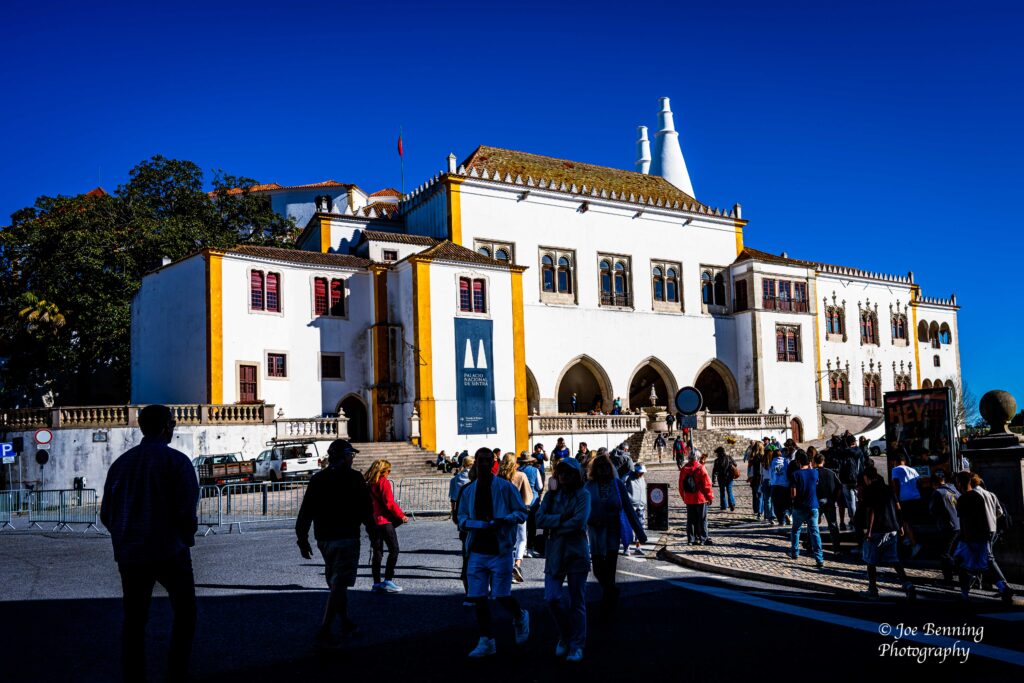
The Sintra National Palace; now a Museum
All in all, Sintra has an excellent reputation. It is well deserved.
Sillhouettes in SintraShopping in SintraOld Fashioned Telephone Booth
We finished sailing through the Canaries and, after a sea day, we docked in Morocco. While in Morocco we visited Casablanca, and then a day later we made our way to Tangiers. And yes, this was the same Casablanca from the the movie starring Humphrey Bogart and Ingrid Bergman. The one where “Play it again, Sam” referencing As Time Goes Bye was made famous.
Of course we had lunch in Rick’s Cafe.
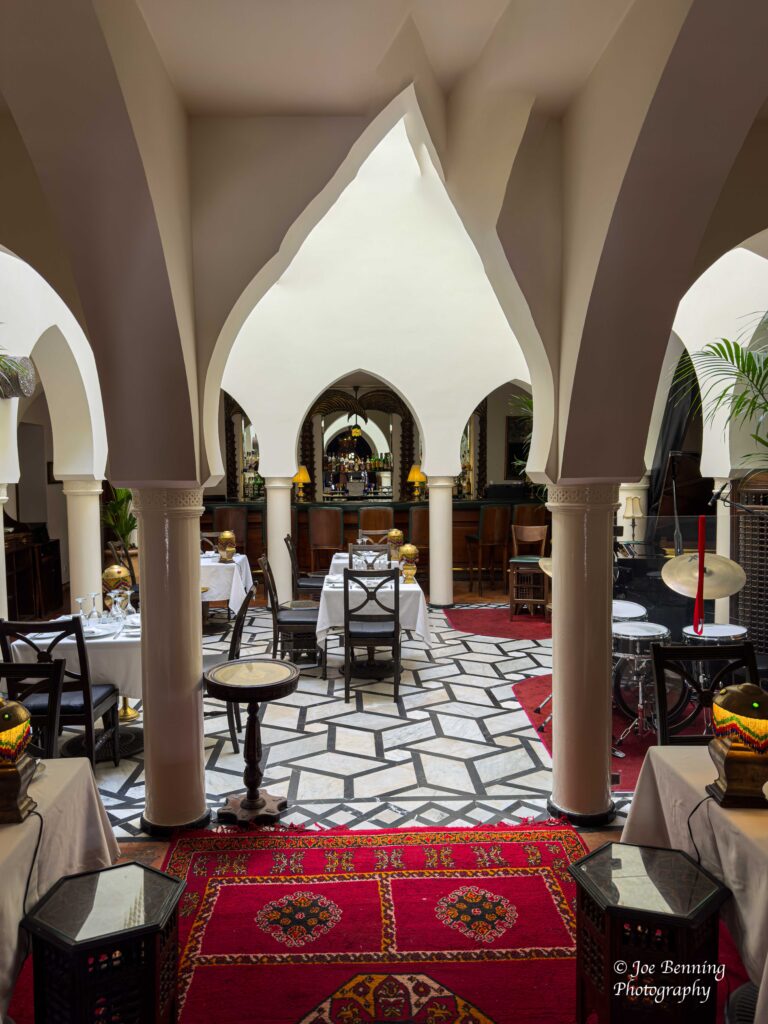
Inside Ricks Cafe in Casablanca
Except there was a little fly in the ointment: the movie was filmed entirely in Hollywood; the story actually took place in Tangiers and Rick’s Cafe was not the real one. But pretending is fun too. That’s what movies are all about anyway.
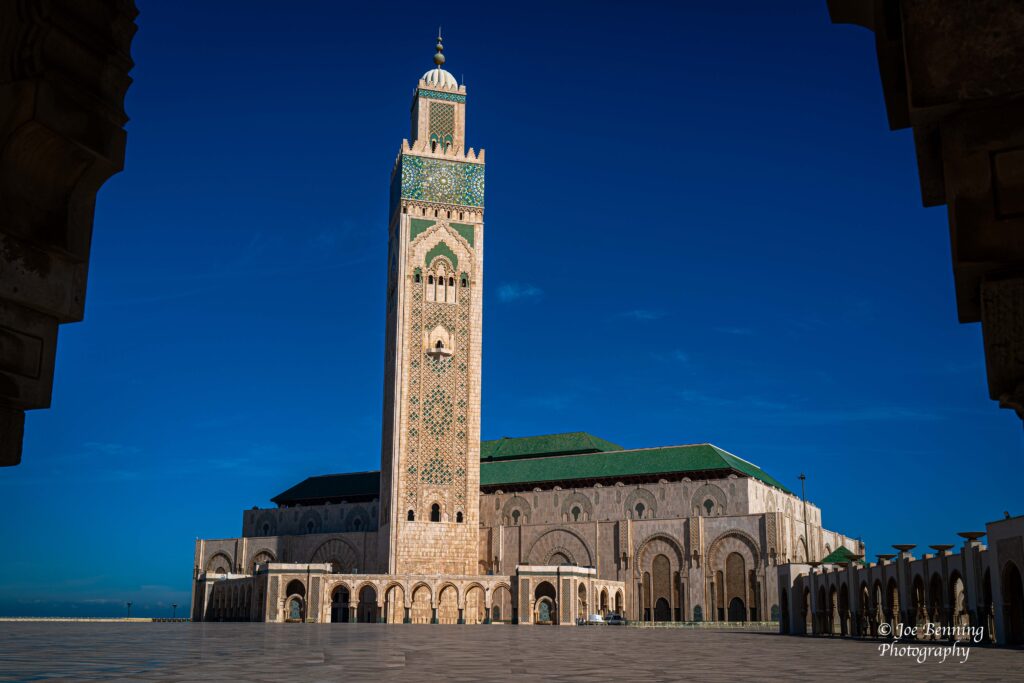
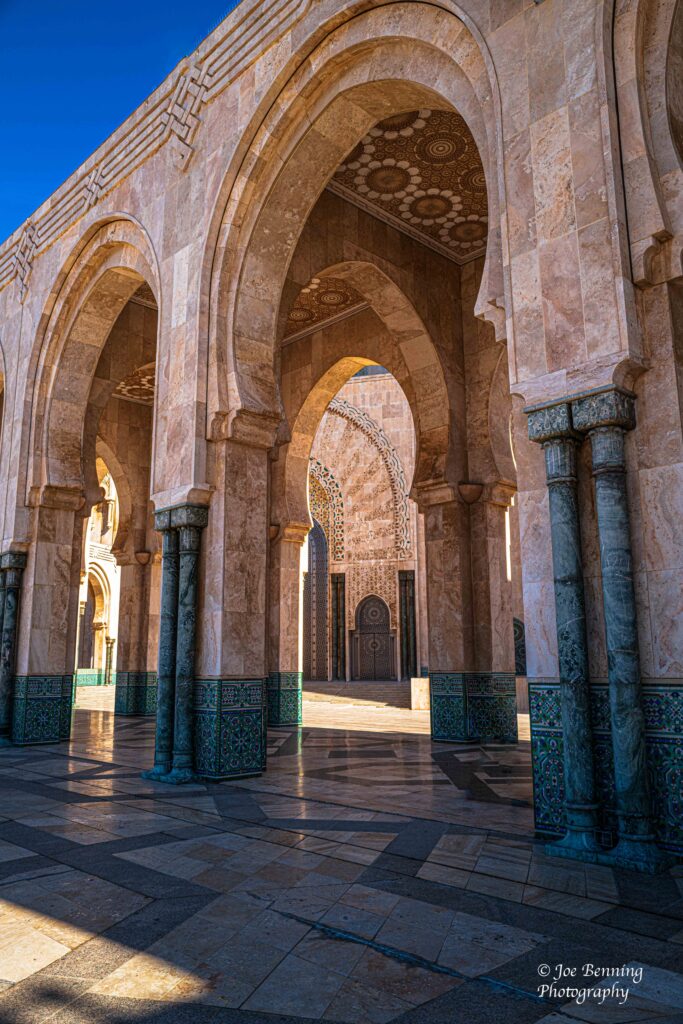
We didn’t spend the whole time in Casablanca retracing the steps of Humphrey Bogart—we actually did some sightseeing. One of the chief attractions was the Hassan II Mosque.
Photo of the Hassan II Mosque
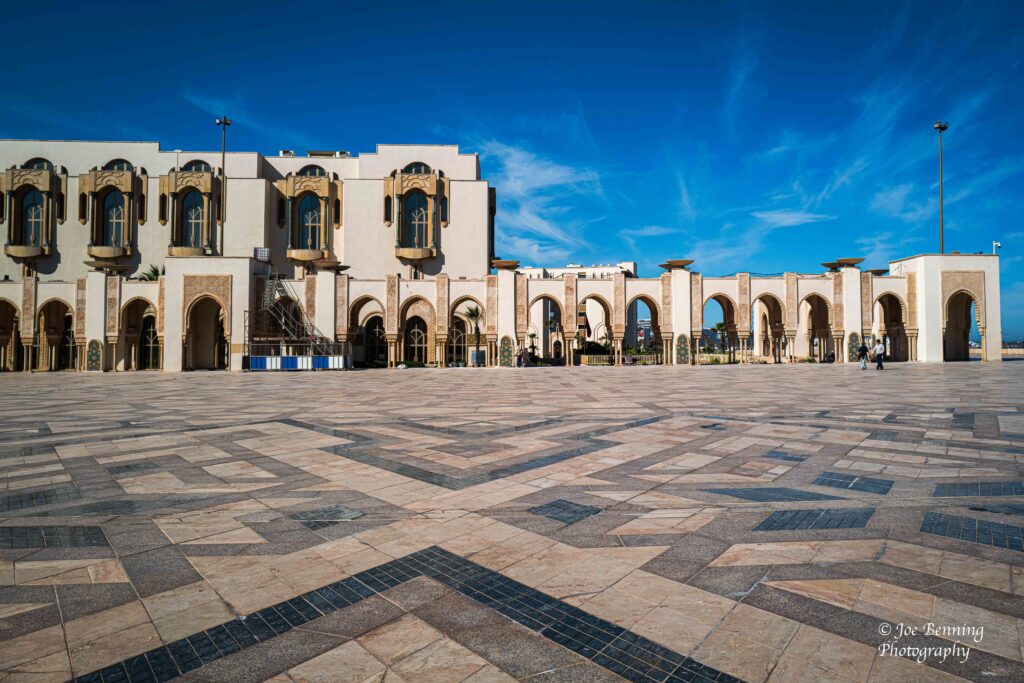
It’s a huge place and an architectural masterpiece. In addition to the mosque itself, there were several buildings on the grounds. So we took a look around before going into the mosque itself.
Corridors in Hassan II MosqueGrounds of the Hassan II Mosque
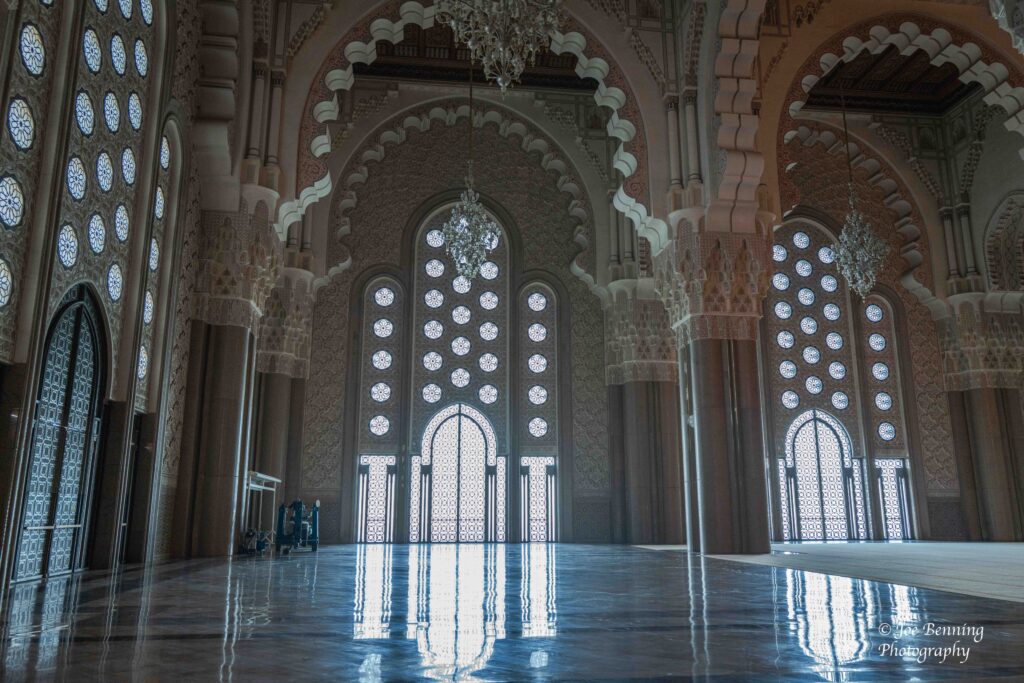
We were allowed inside the mosque without any problem. Services were not in progress where the men and women are separated, so we just had to remove our shoes to walk around inside the mosque proper. Once inside the mosque, the grandeur and scale of it are truly impressive. It’s the kind of thing that has to be seen.
Inside the Hassan II Mosque
So next time you are in Casablanca, it’s worth a look.
On March 22 we docked in Europe by way of Gran Canaria, one of the Canary Islands. The Canary Islands are part of Spain even though they are only a few hundred miles from the coast of West Africa. And it shows. The towns are clean and elegant and they definitely have a European vibe.
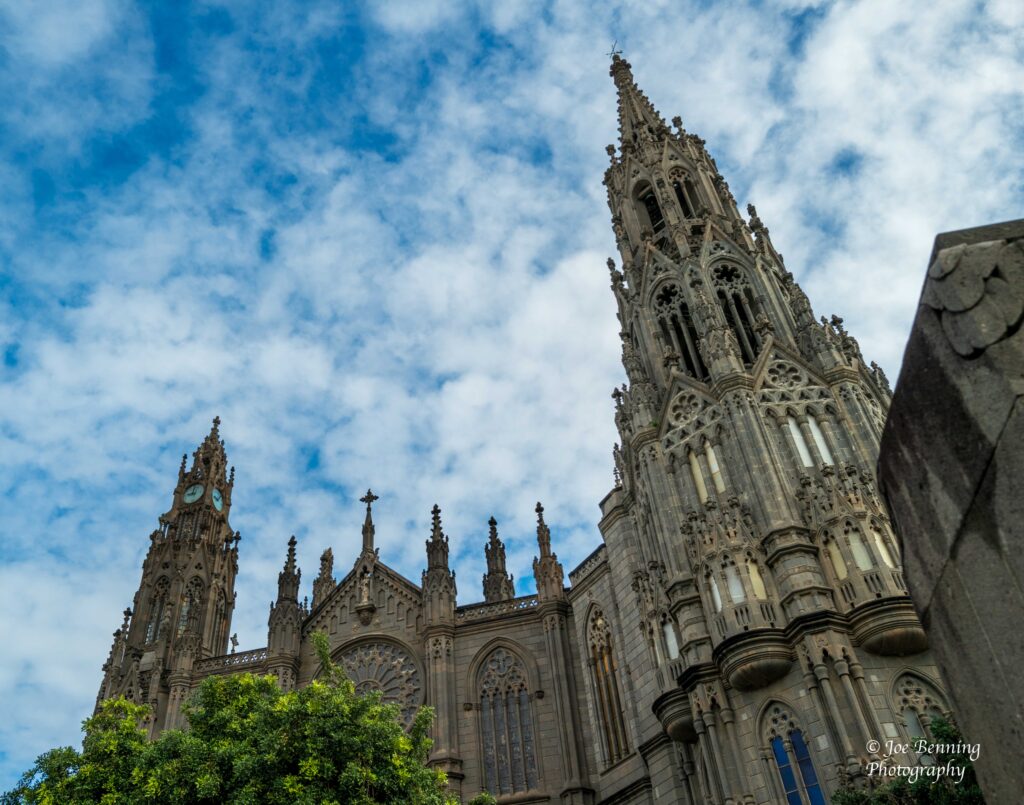
We went on a tour that brought us to the towns of Arucas and Teror. One of the first things we saw upon arriving in Arucas was the Church of St Jean the Baptiste (San Juan Bautista). Begun in 1909 it opened for worship in 1917 and was finally completed in 1977.
Church of St John the Baptiste in Arucas, Gran Canaria
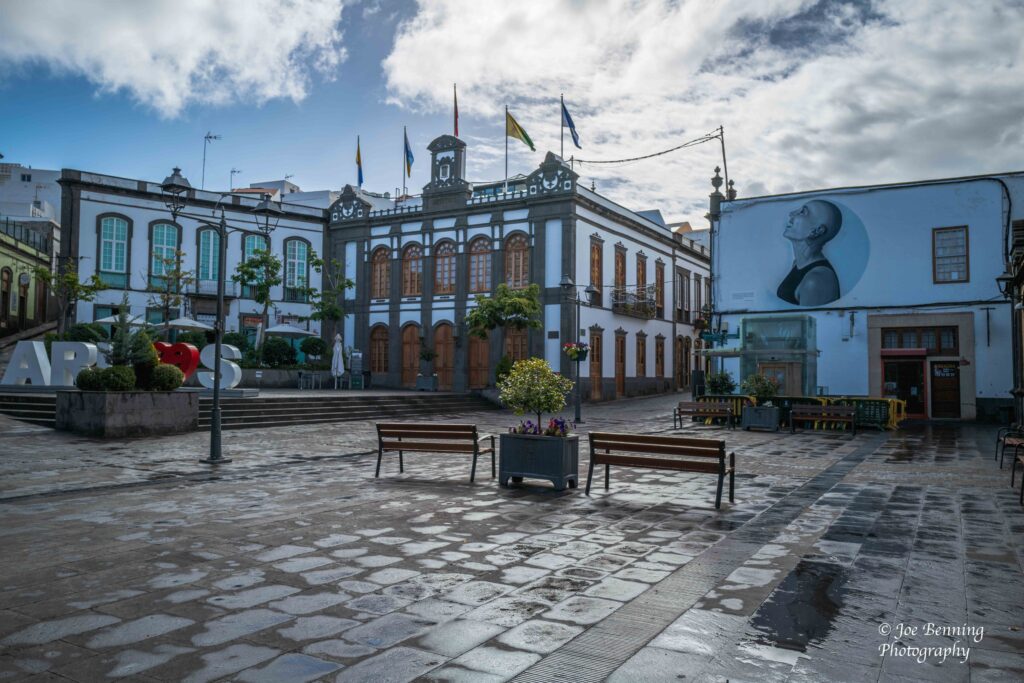
After that, we bumped into a town square in the Old Section with its beautiful traditional European architecture.
Arucas, Gran Canaria — March 22,2025. Town Square in Arucas
The next town we visited was Teror.
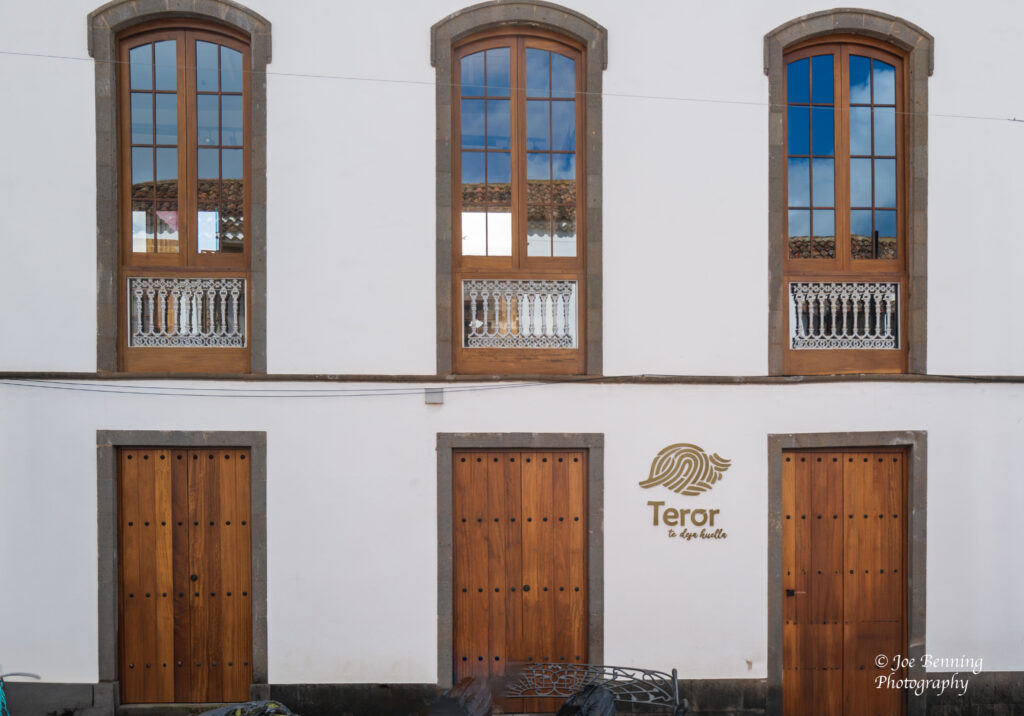
Doors & Windows in Teror, Gran Canarie
Among other things, the town looks like it was almost designed for tourism. Not for tourists dragging a crew of 8 year-olds around mind you, but for tourists who really want to see some old world elegance.
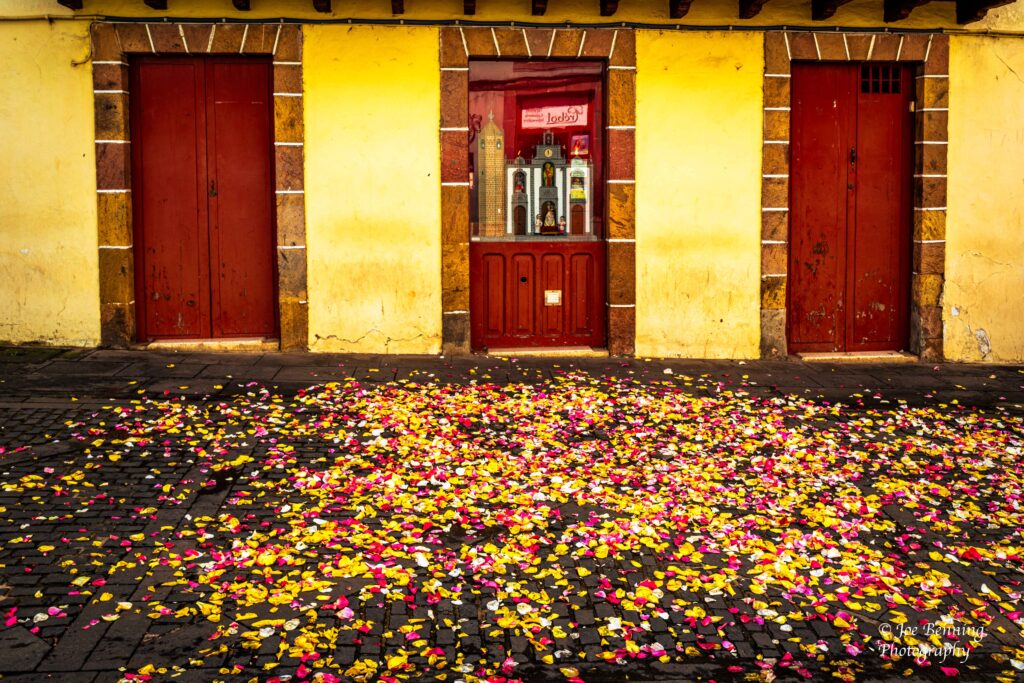
As if they wished to emphasize the point, a few of the shops had flower petals strewn about on the street in front of them.
Shop Doors and Flower Petals
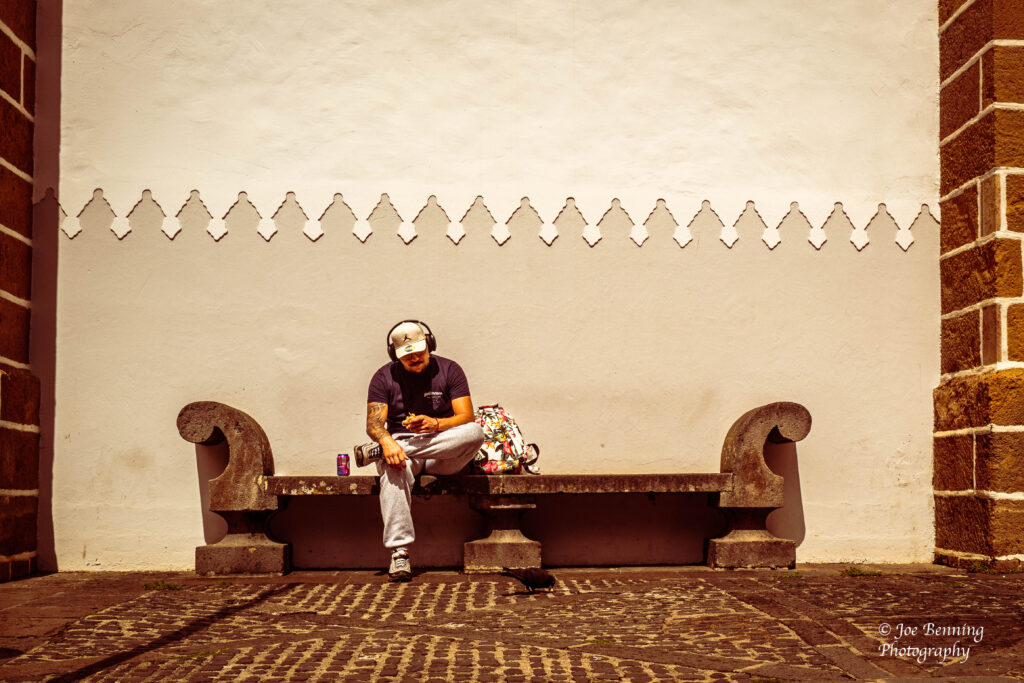
A bit of the modern world invaded though as the photo below shows a young man wearing headphones while he sits on a bench in town.
A man wearing headphones sits on a bench in the Canary Islands
That said, it was good to be back in Europe and Gran Canaria in the Canary Islands certainly fit the bill.
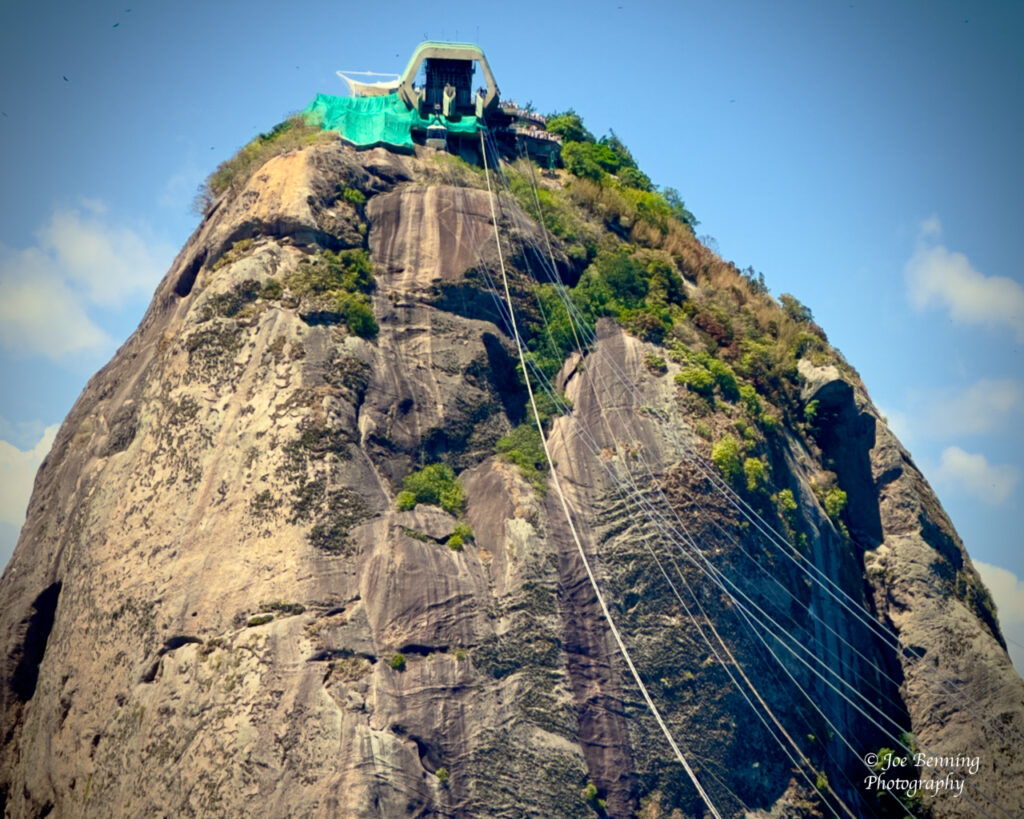
We are about to leave Rio de Janeiro—the home of Carnaval. Before we went to the Carnaval festivities though…we visited both Sugar Loaf mountain and Corcovado mountain. We got to Sugar Loaf by means of a cable car that went almost straight up the mountainside.
Cable for Sugar Loaf Mountain in Rio
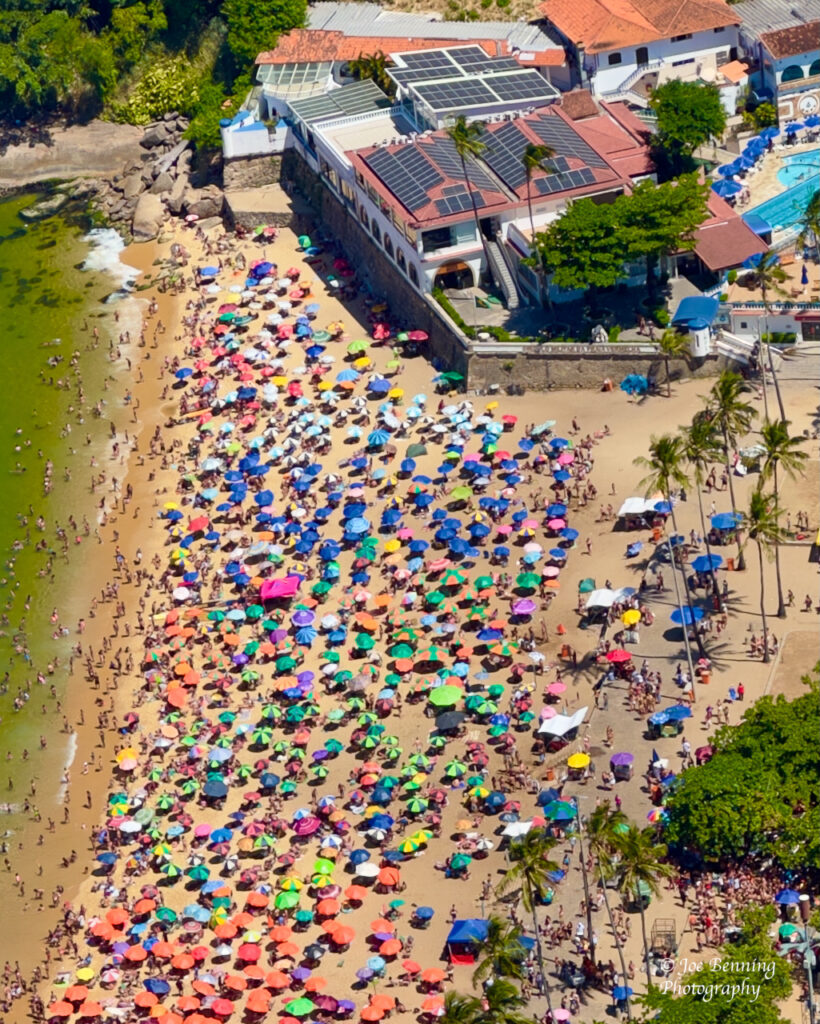
When we got to Sugar Loaf we could look over most of the city and its beaches. Some of the beaches were empty because the water was polluted by the oil of the boats anchored nearby. The other beaches were packed—including Copacabana beach.
Brazilian Beach is Crowded
To get to Corcovado mountain which is opposite Sugar Loaf, we took a 20 minute open air train ride up the side of the mountain. Corcovado mountain has the iconic Christ the Redeemer monument that overlooks the city.
We could make our way (kind of) around Sugar Loaf Mountain, and get some spectacular views of the city. But Corcovado mountain was teeming with people and it was impossible to get around. (After all, this is the height of the tourist season.) Not to mention that some not insignificant portion of the tourists / visitors acted like Instagram “influencers”. And it seemed like they all had selfie sticks.
Rio de Janeiro
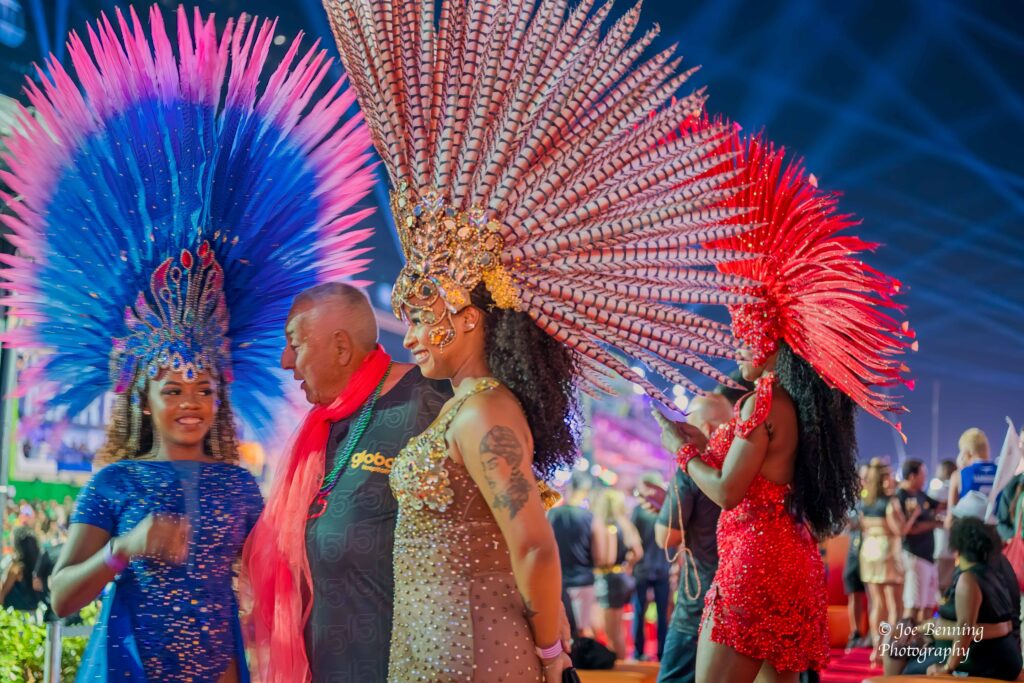
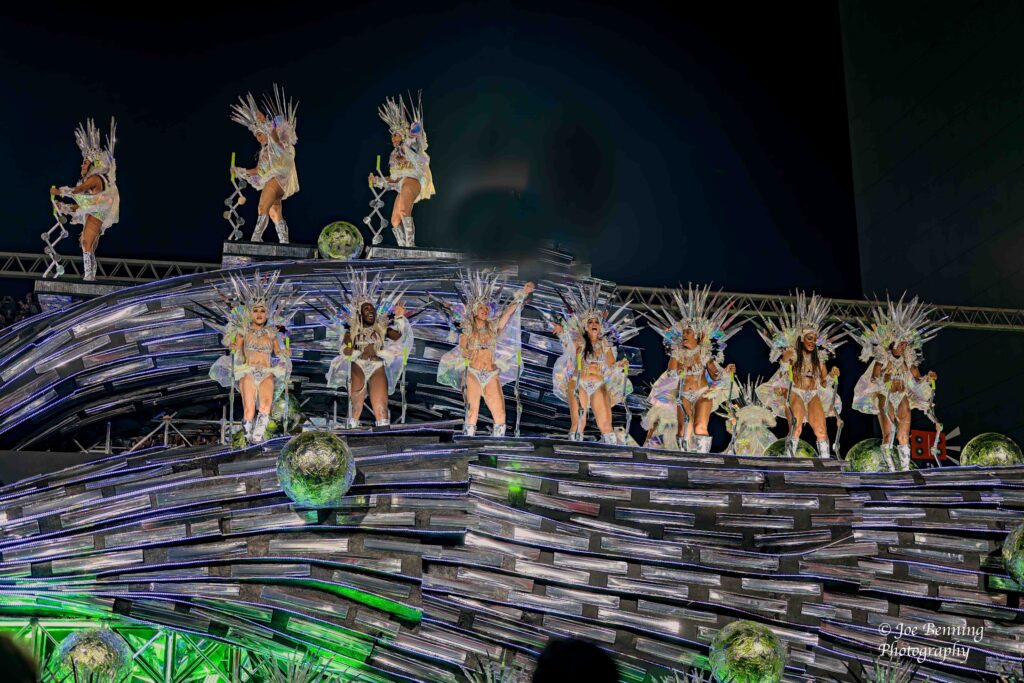
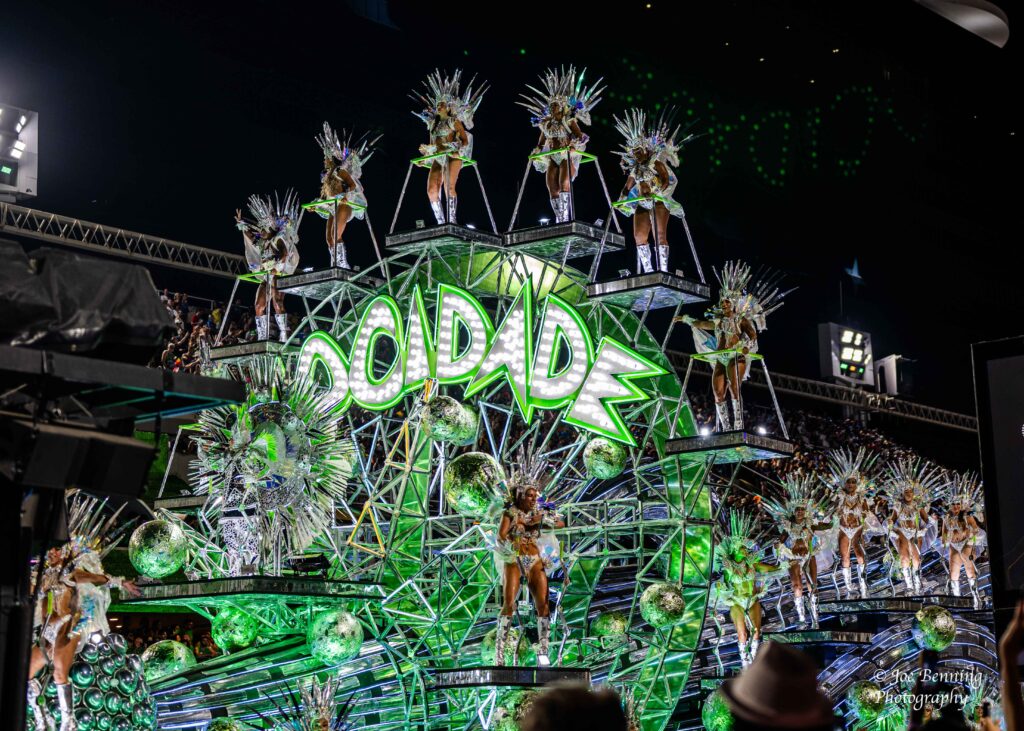
Anyway, then it was on to the culmination of the Carnaval competition in the Sambadrome. The various Samba schools apparently spend all year making floats and practicing for this annual competition.
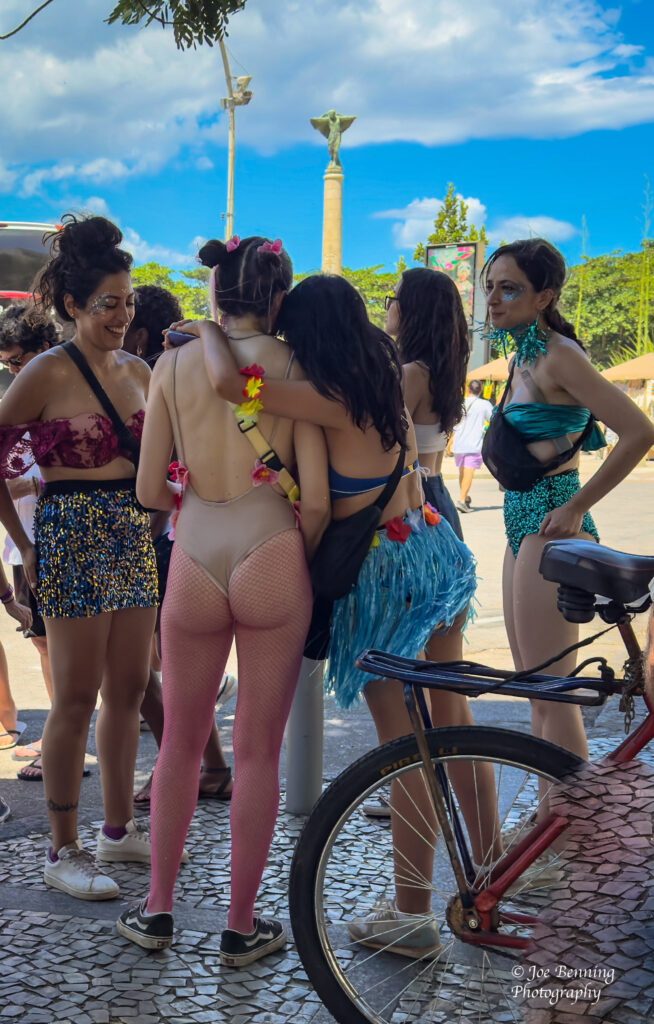
Carnaval lasts for about 4 days. The “unofficial” block parties start pretty much every night around 10:00 PM and lasted until 7:00 AM the following morning. And it seemed that everyone in the city got dressed up—or perhaps undressed—for the occasion.
Ready for Carnival !
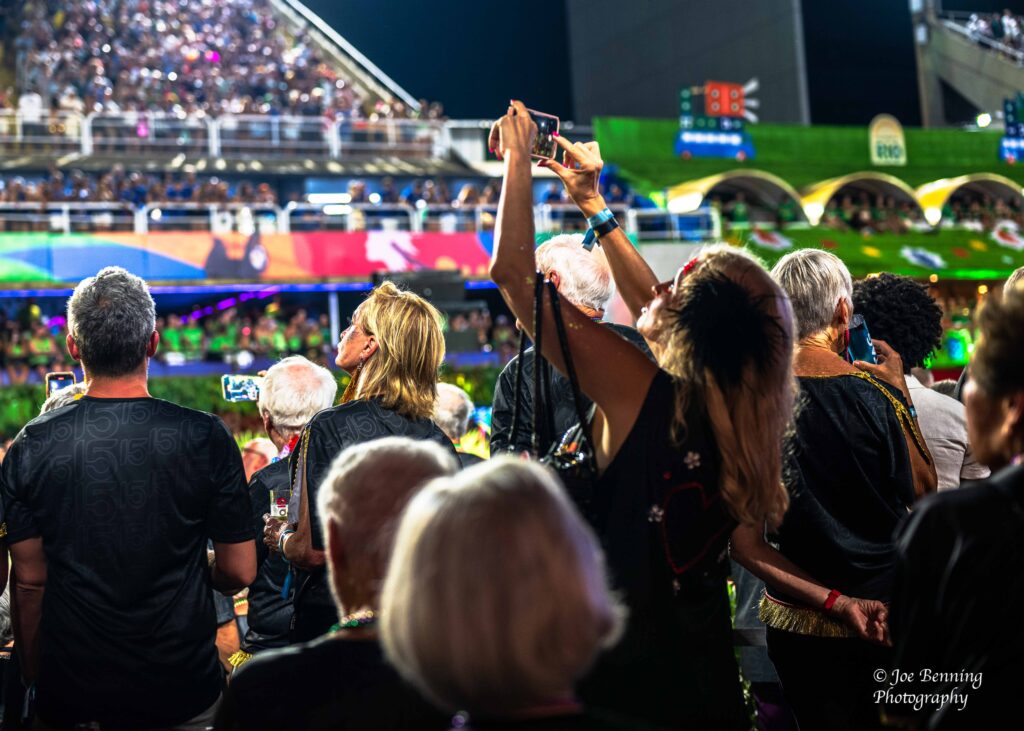
We left for the Sambadrome the final night and got there around 9:00 PM, where we had seats in a VIP section that was stocked with food and booze. It was like a sky box at a baseball game or the Super Bowl. And it had additional places at ground level, where most of the Crystal crowd stayed.
Carnaval Dancers in the SambadromeDancers at Carnaval
The competition began around 10:00 PM and the sound of the bass and drums was deafening. Each group of competitors (there were 3 that night) had 80 minutes to perform their routines. We, along with about a third of the Crystal crowd watched the first group and then left around midnight. But we know some people who stayed until 4:00 in the morning and didn’t get back to the ship until 5:00 AM.
Sambadrome Competition for CarnavalRio de Janeiro–March 4, 2025. Photo of the VIP box at Carnaval at the Sambadrome in Rio.
I couldn’t help but think that the Carnaval participants would be way better off spending more time taking geometry classes and less time building floats, but such is life. Anyway we will have a few more days in Brazil and then we will cross the Atlantic, headed for Europe.
We will be spending a considerable amount of time in Brazil. That includes being shepherded into a special seating area, compliments of Crystal, to watch the parades at the Sambadrome, which is the main event.
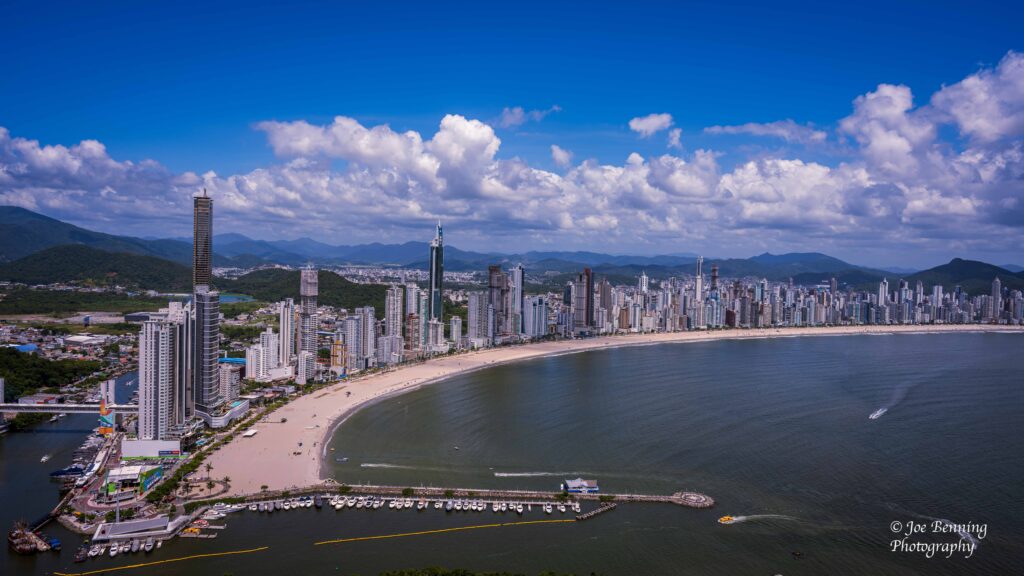
But before all of that, we made our first Brazillian stop in the port city of Balneário Camboriú. It is in the state of Santa Catarina. Located in southern Brazil, it is mostly a posh resort town whose population swells to over 1 million people in summer from 145,000 in winter. When you first see its skyline and white sandy beaches, you would think you were looking at Miami.
Looking Down on Balneario Camboriu, Brazil
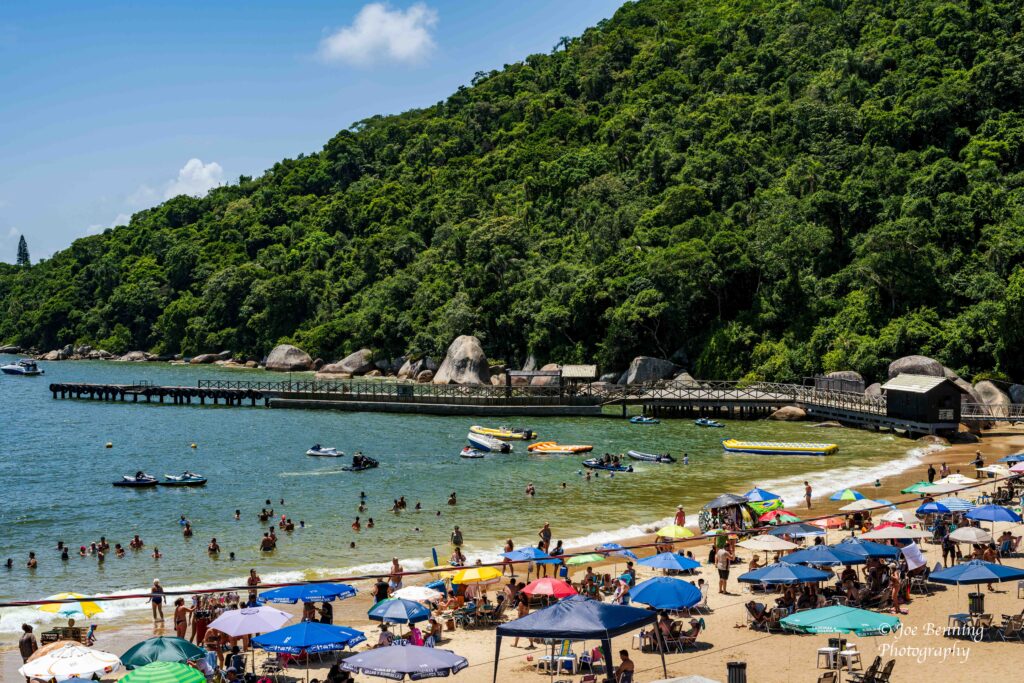
The city has 2 beaches—one that is “clean” and the other that is not. It contains all types of germs from untreated water the comes from the upstream river. The locals go to the beach, but avoid the water. They go to the clean beach instead. I should hasten to add that it is not exactly a mystery that the beach has untreated water. But the tourists are apparently not so cautious as the locals and dive right in.
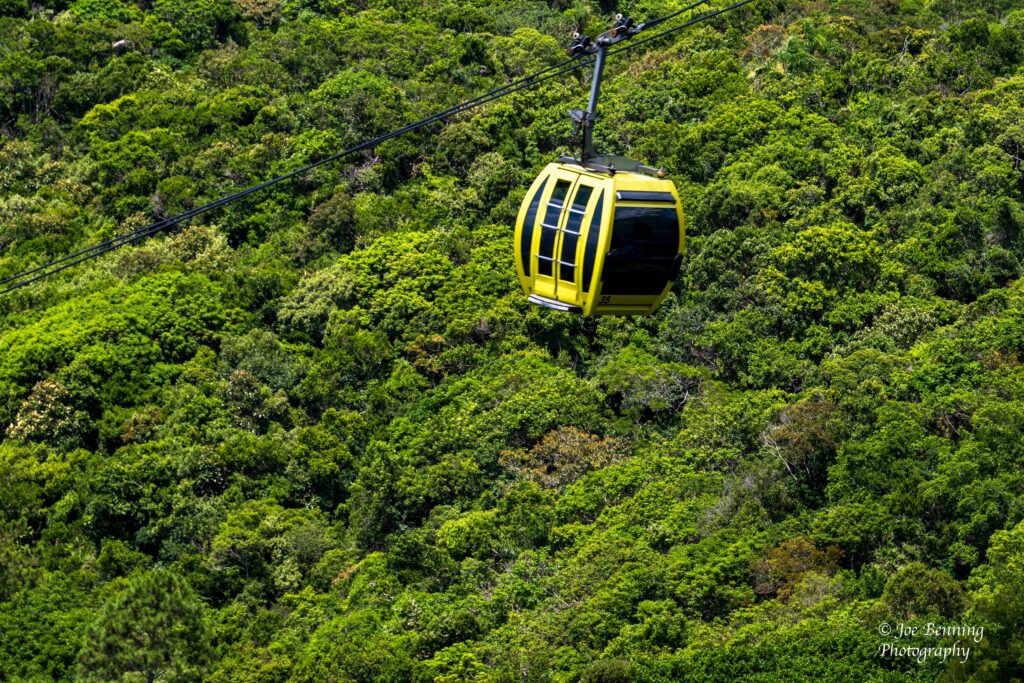
Cable Car in Balneario Camboru Brazil
There is a cable car that runs between the 2 beaches (after going up a steep mountain.) We took a ride in the cable car and then went for a walk in the Atlantic forest. After the walk we went to the clean beach.
Brazillian Beachgoers
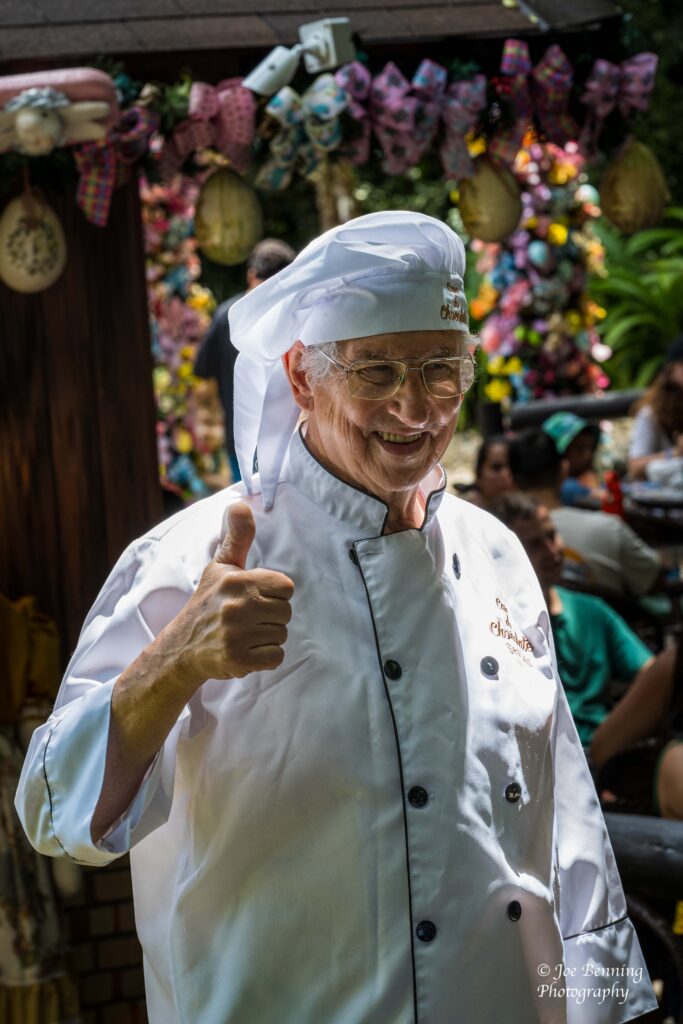
Along the way we ran into a friendly merchant who had a cafe / gift shop in the rain forest and who encouraged us with the “thumbs up” sign.
Merchant Gives Thumbs Up Sign
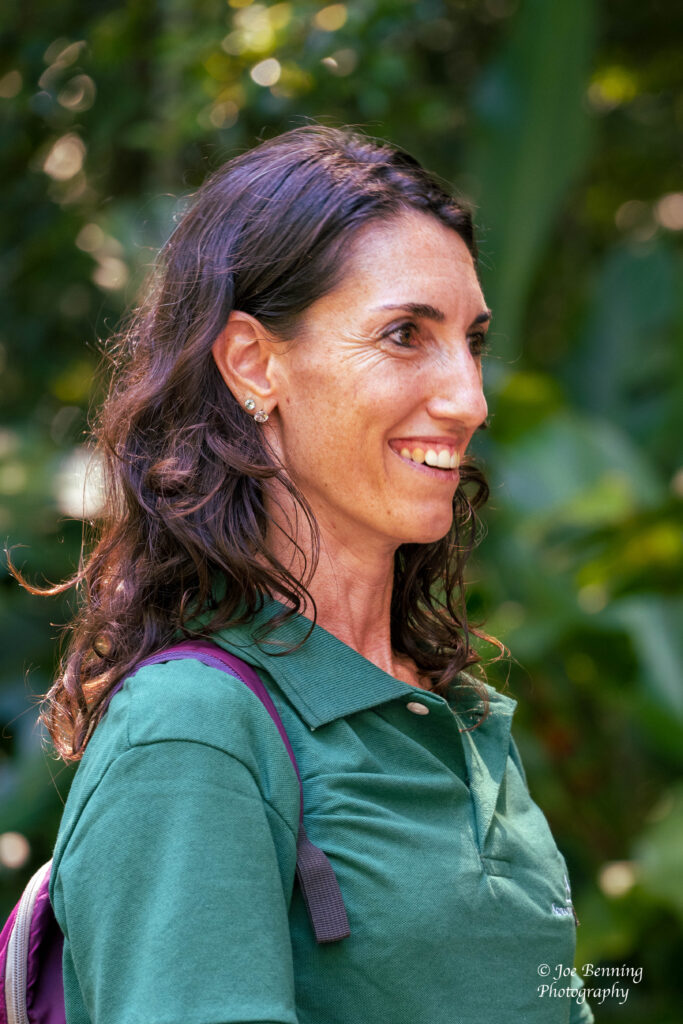
For some reason other, our (very good) guide refused to call the Atlantic forest a rain forest. I don’t remember why. However, a lecturer on Crystal who is also a professor at Santa Clara University characterized it as a rain forest, so that’s what I’m going with.
Our Tour Guide Named Gabby
Anyway, our next port of call will be a few days in Santos. We’ll see what that brings.
We finally headed back to the U.S. from Australia in early December—to get ready for Christmas and our next trip that starts in January of 2025. But before checking out, a couple of observations about our trip and our guides on the trip.
Our group leader, Mary Gordon, was just fabulous. She hailed from Adelaide. Among other things, her sister, Elspeth Kyle-Little, serve as a guide and site coordinator for part of the trip. Both sisters are quite accomplished. Elspeth has run small businesses and worked as an artist in addition to working at Road Scholar. Mary is trained in science and her work has included caring for reptiles at the museum of South Australia, running an ecology project at the University of Melbourne and setting up her own vineyard. All in addition to her work at Road Scholar.
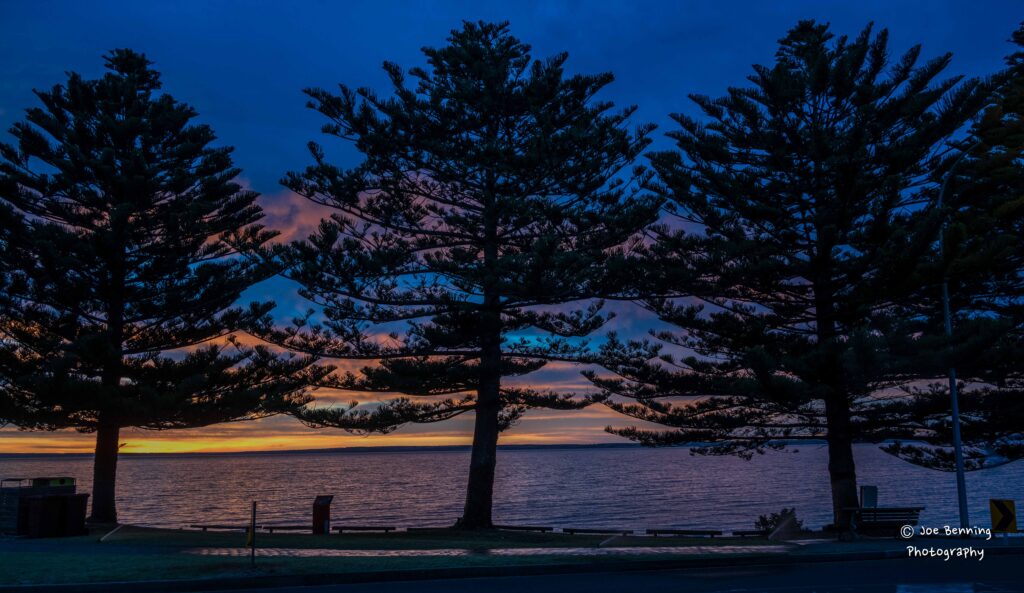
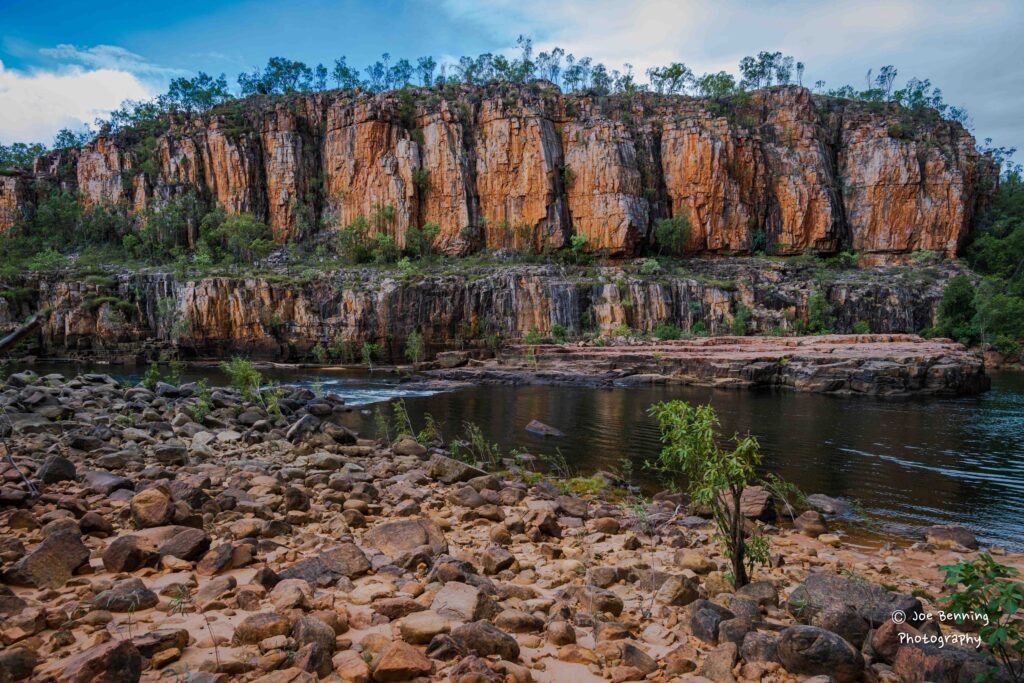
While we were exploring various parts of Australia–at a breakneck pace–we saw a beautiful sunrise on Kangaroo Island and we got to visit Katherine Gorge.
A wide angle shot of the sun rising over Kangaroo IslandA wide angle shot of Katherine Gorge in Nitmiluk National Park in Australia
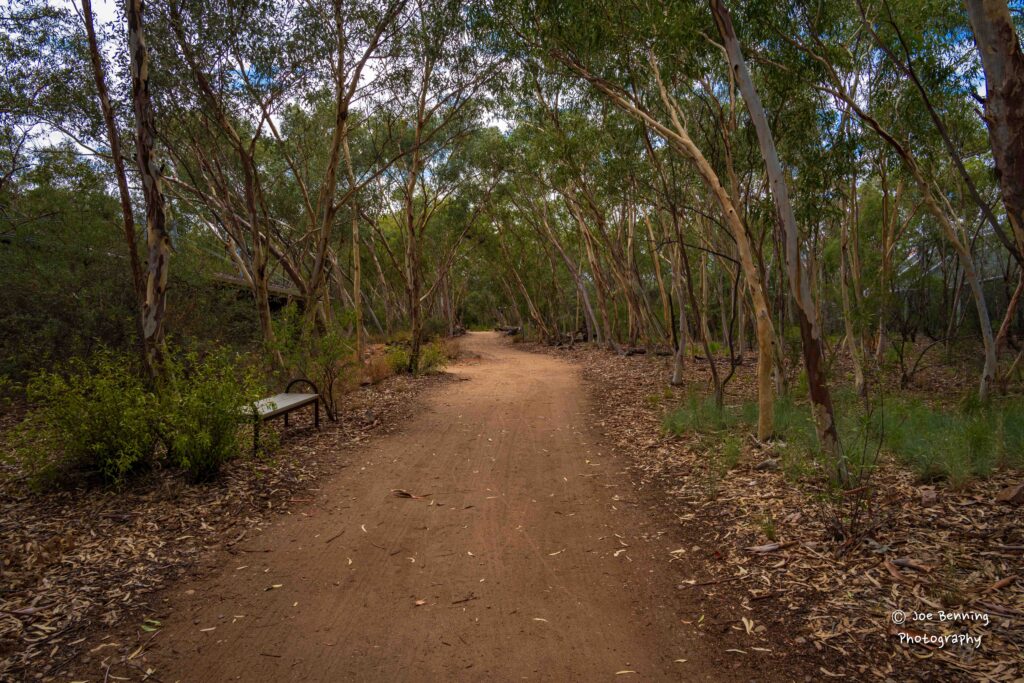
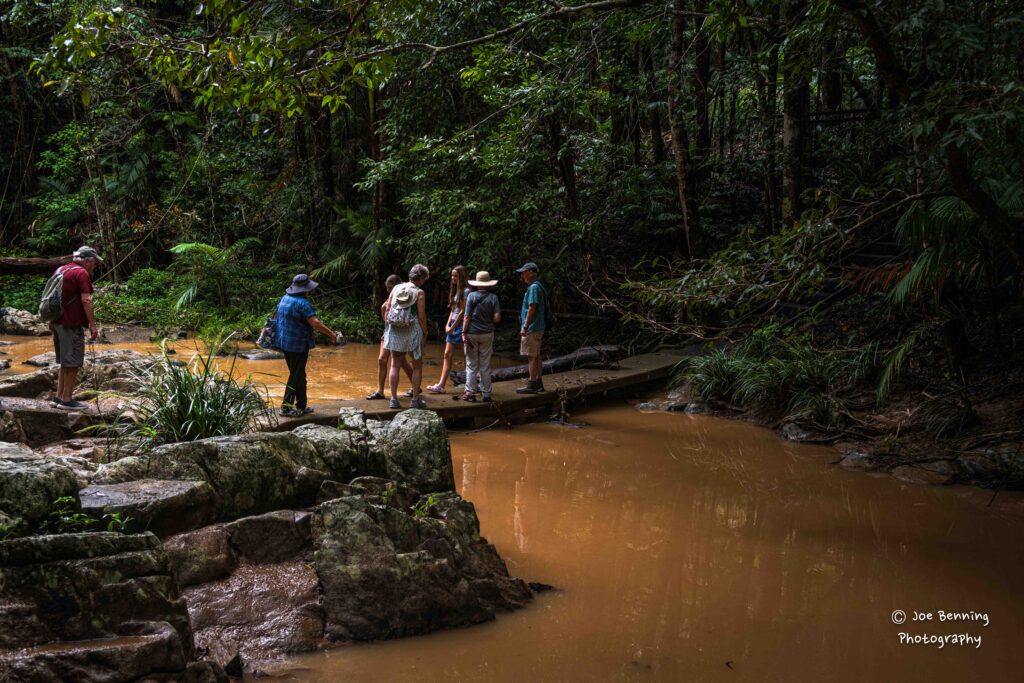
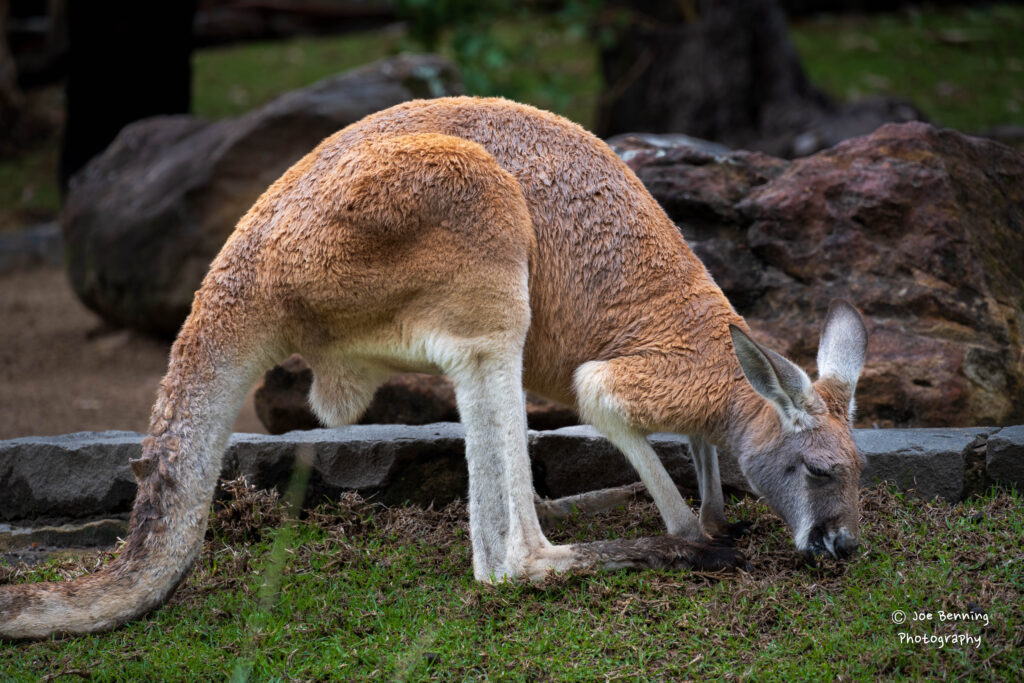
We hiked in the hot and dry outback, then hiked in the rain forest, and saw a lot of wildlife.
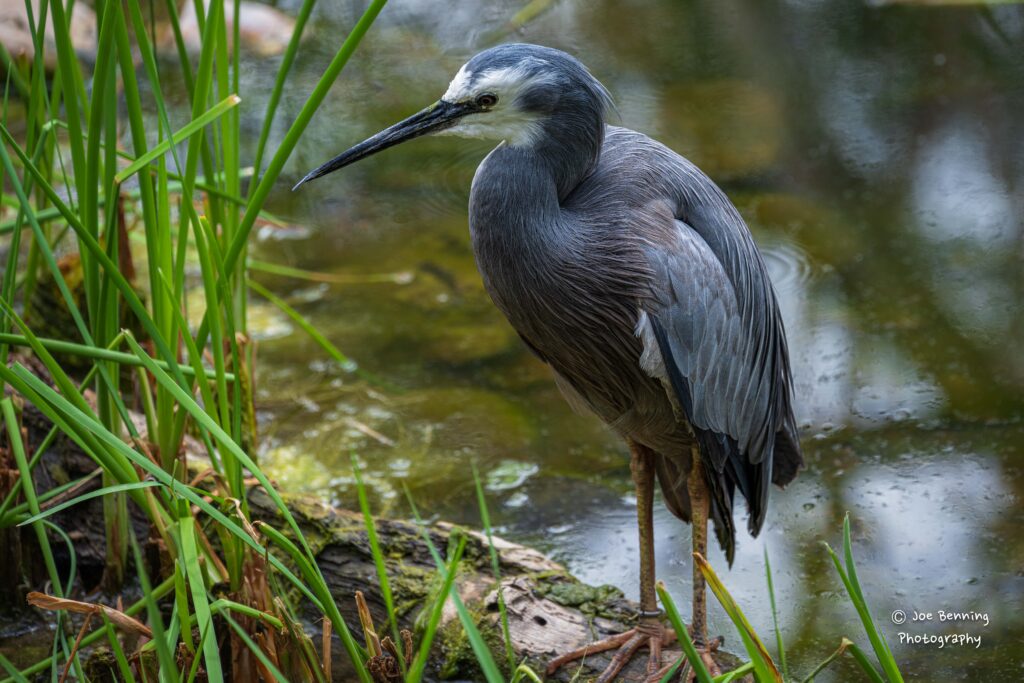
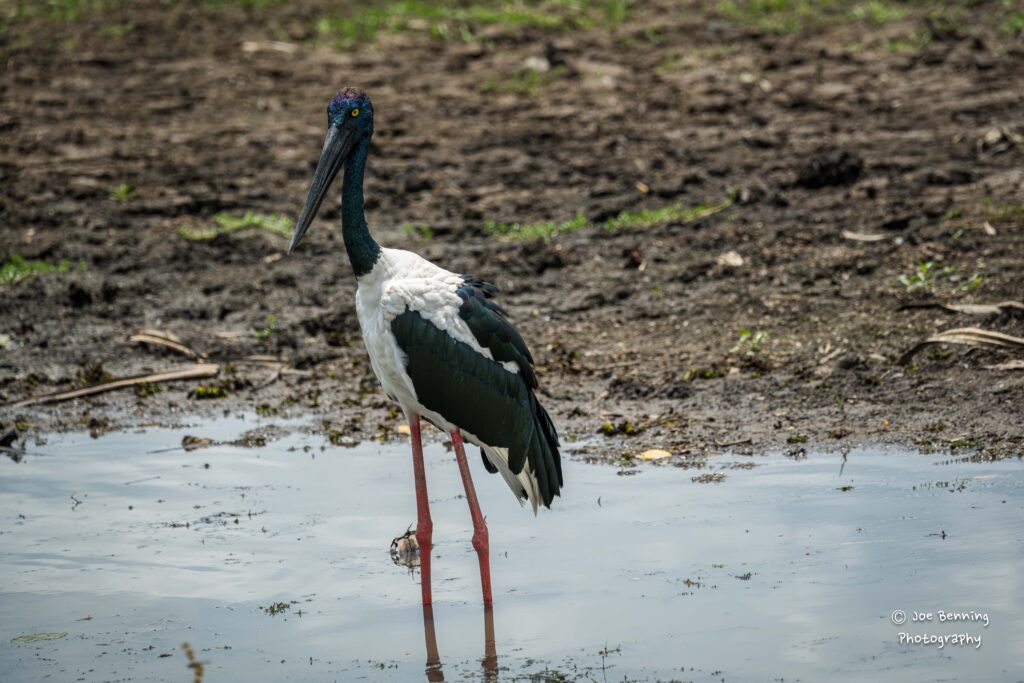
A hiking trail in the woods near Alice Springs, AustraliaA photo of tourists on a make-shift bridge crossing the river in a rain forest in the Northern TerritoryPhoto of an Australian White Faced Heron (Egretta novaehollandiae)A telephoto shot of a black necked stork in a river in Kakadu National Park
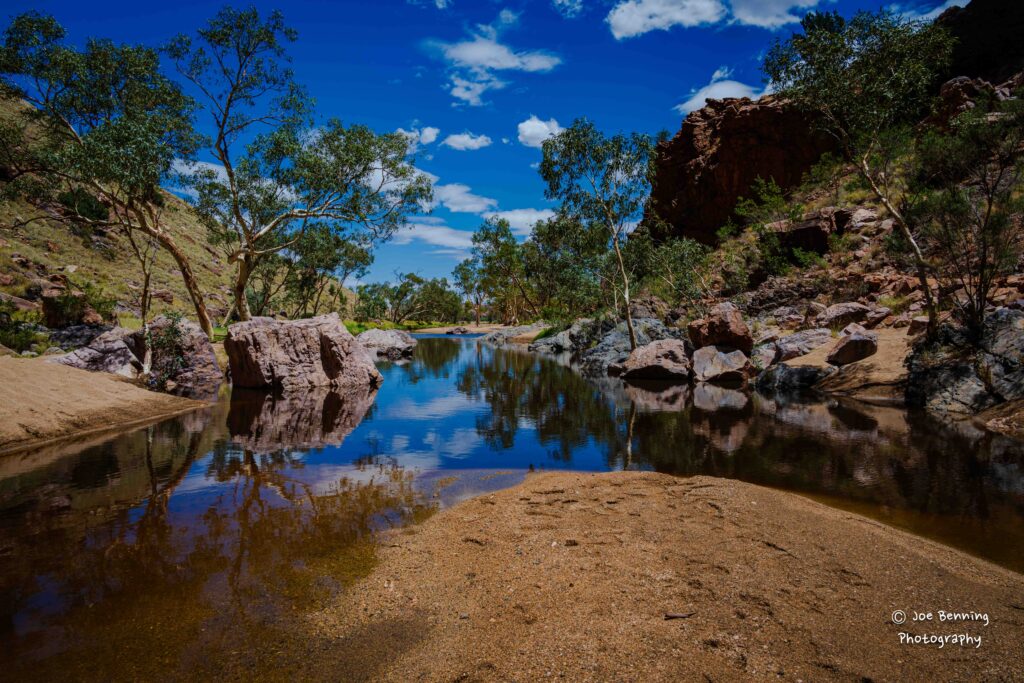
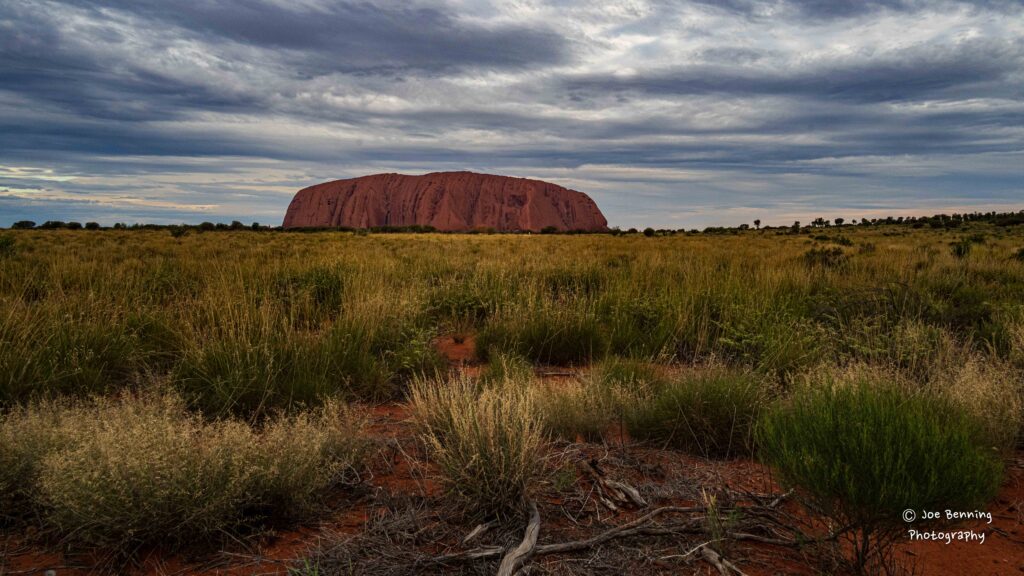
We also visited Simpson’s the stunningly beautiful Simpson’s Gap, not too far from Alice Springs. And of course we went to Ayers Rock, a kind of must see when trekking around Australia. Actually we did more than just visit. We had a bit of a cocktail party, organized of course by Mary, while we watched the sun go down. Kind of like a sundowner when you go on a Safari.
A permanent waterhole in Simpson’s GapA dark landscape photo of Ayers Rock while storm weather threatens
A brief note—the photos on this blog (and more) can be viewed in full resolution at www.evocativephotos.com. Look under Australia 2024.
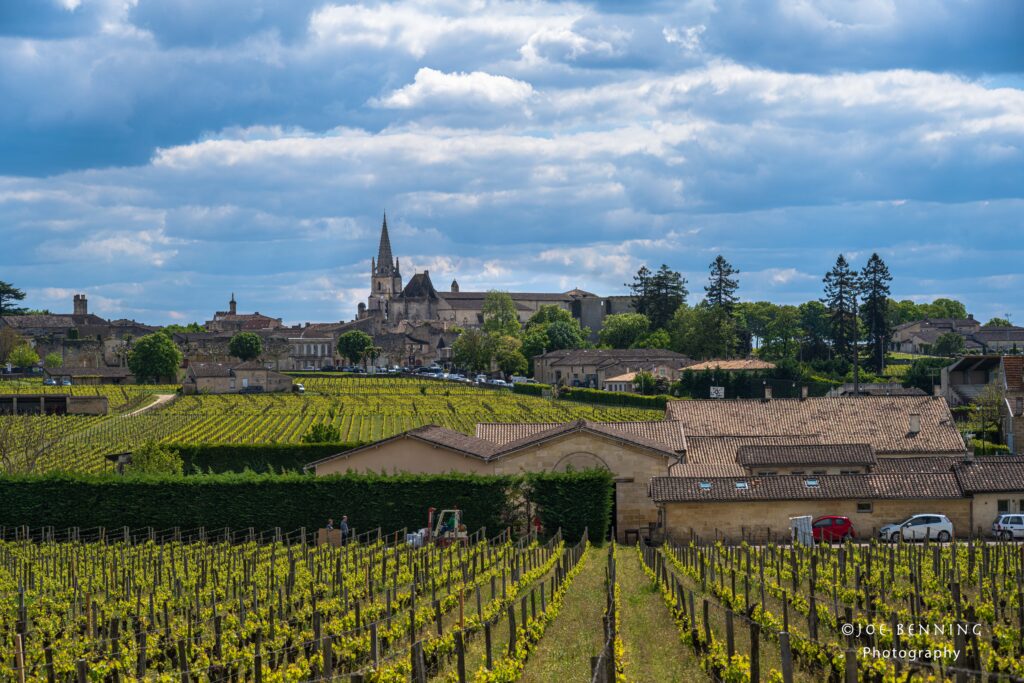
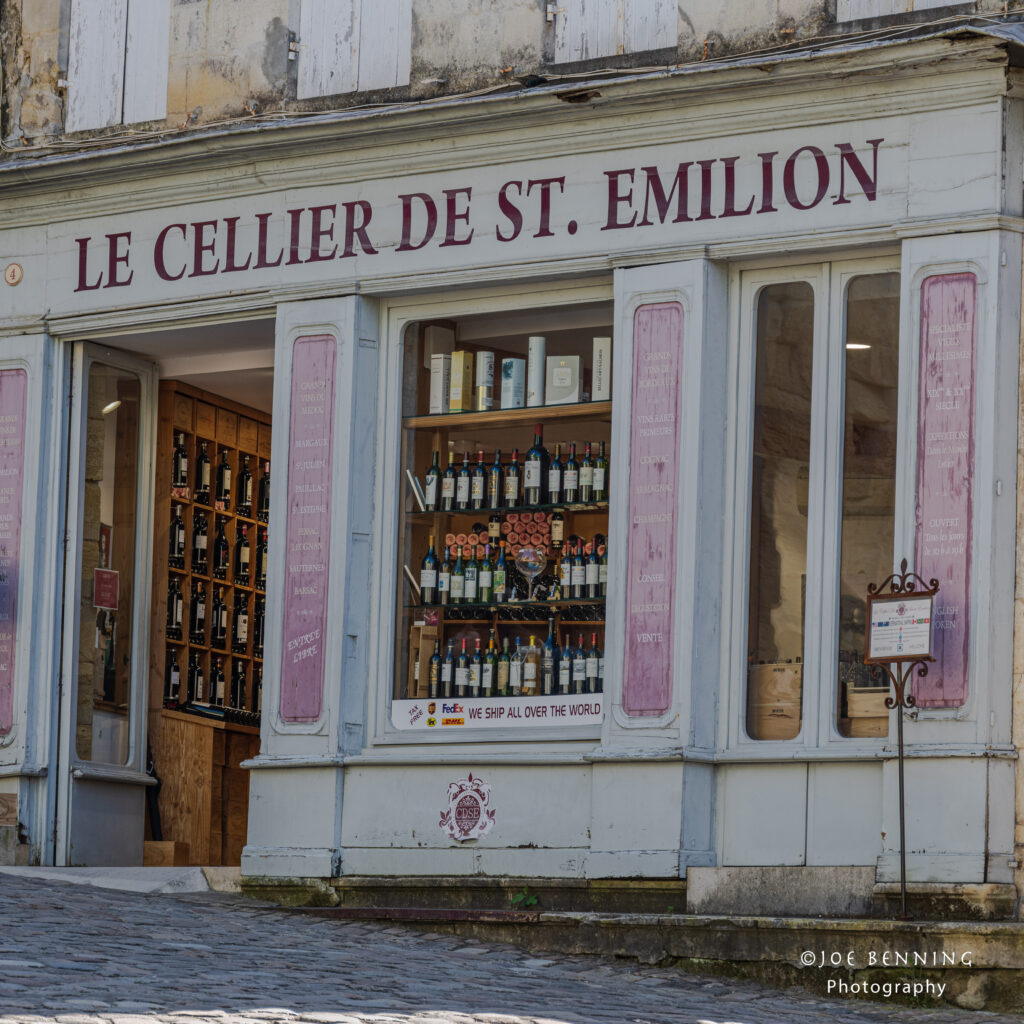
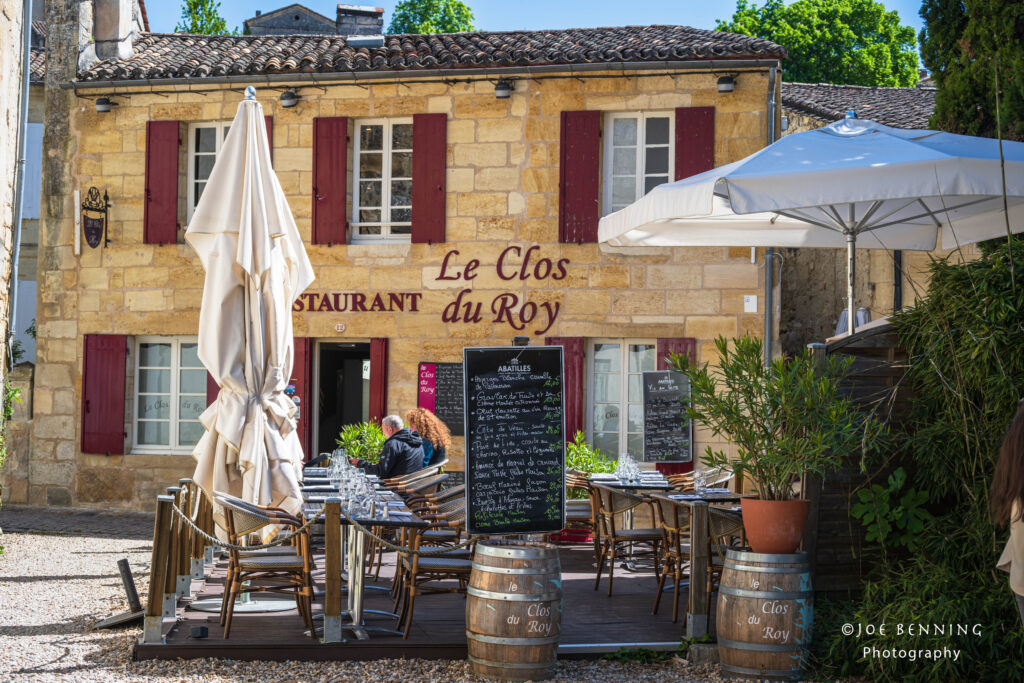
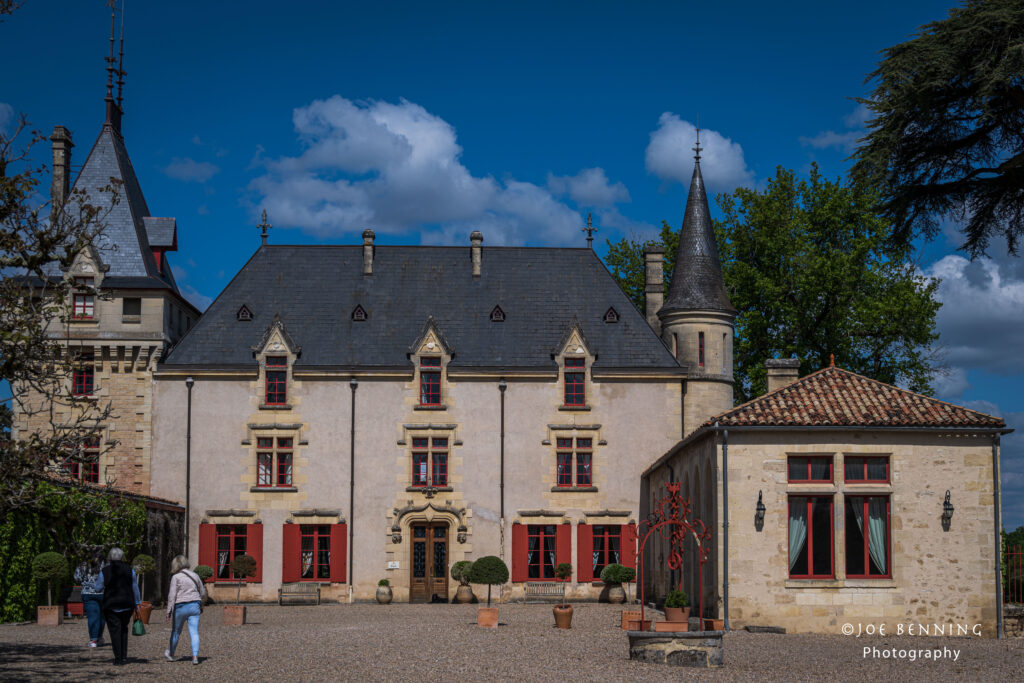
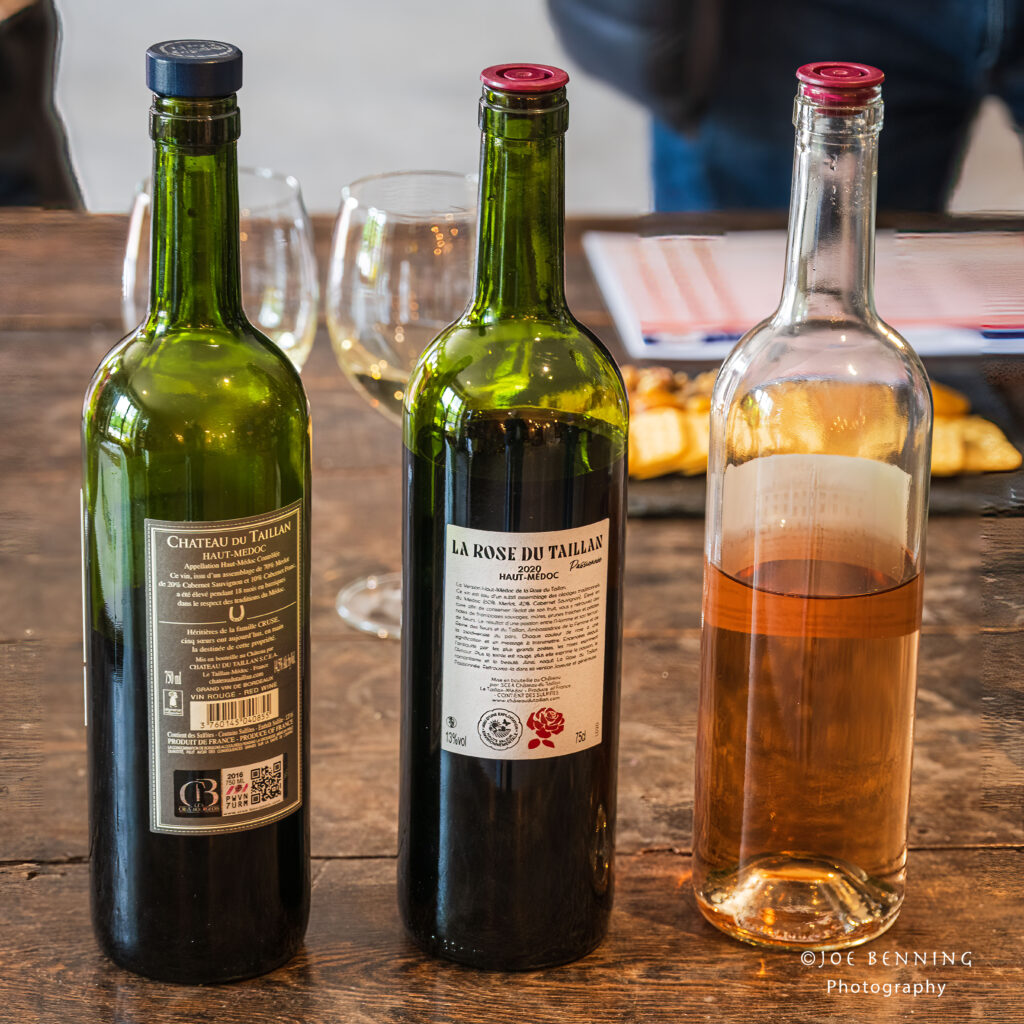
Well, it’s about time to wrap up the trip to Bordeaux. The last few days we were very lucky to be accompanied by glorious weather as well as our friends Sally and Michael. Fittingly enough, at least as far as we were concerned, we spent the end of our trip in St Emilion and Medoc where we tasted lots of wines. Mostly reds and an occasional Rose. We did have the occasional white Bordeaux, but for the most part the vineyards produce reds.
Vineyards in St Emilion
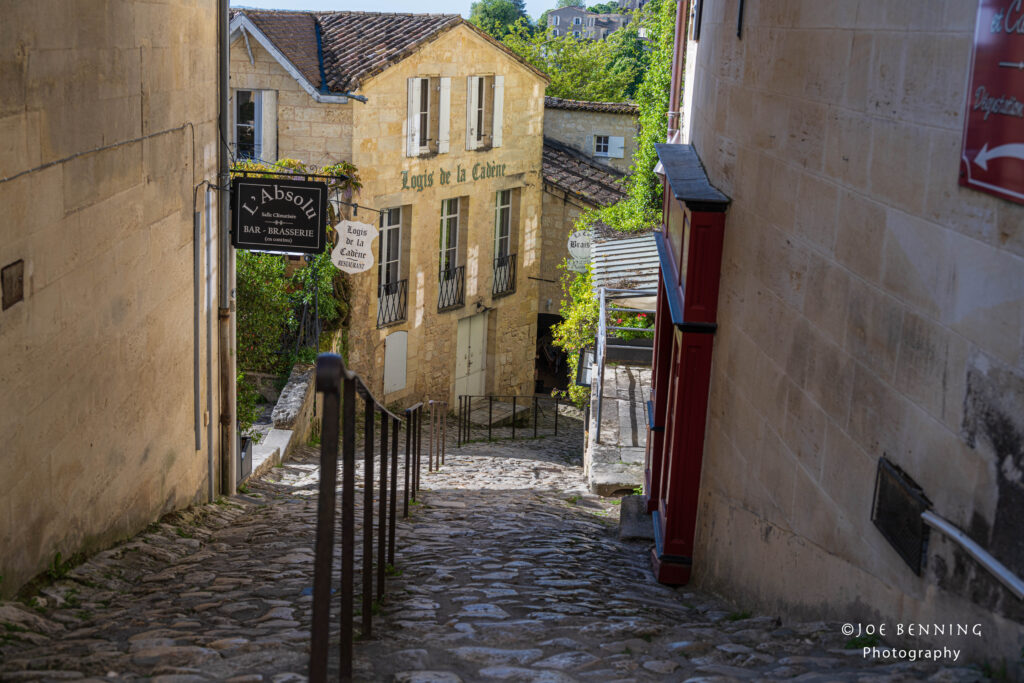
The Village of St Emilion
Monolithic Church Tower in St Emilion
The wine business is very labor intensive and migrant workers, often from Spain, Italy and Portugal come to pick the grapes. The larger producers claimed to have about 70 to 80% of the grapes picked by machine. Some of the smaller ones (and some that were not so small) had their grapes picked and sorted by hand.
Bordeaux is the the premiere wine producing region in France, and arguably the world. The region boasts thousands of producers, most of them small. Estimates of total production vary wildly. We heard estimates that ranged from 200 million bottles to 700 million, so take your pick. I suppose 200 million probably refers to the better quality wines.
Wine Shop in St EmilionLe Clos du Roy
About 90% of the wines produced are red, with the remaining 10% being white. The red wines rely primarily on three grapes: Cabernet Sauvignon, Merlot and Cabernet Franc. A little but of Malbec finds its way into the mix as well. (Lots of the Rose that is produced comes not from Bordeaux, but from Provence.)
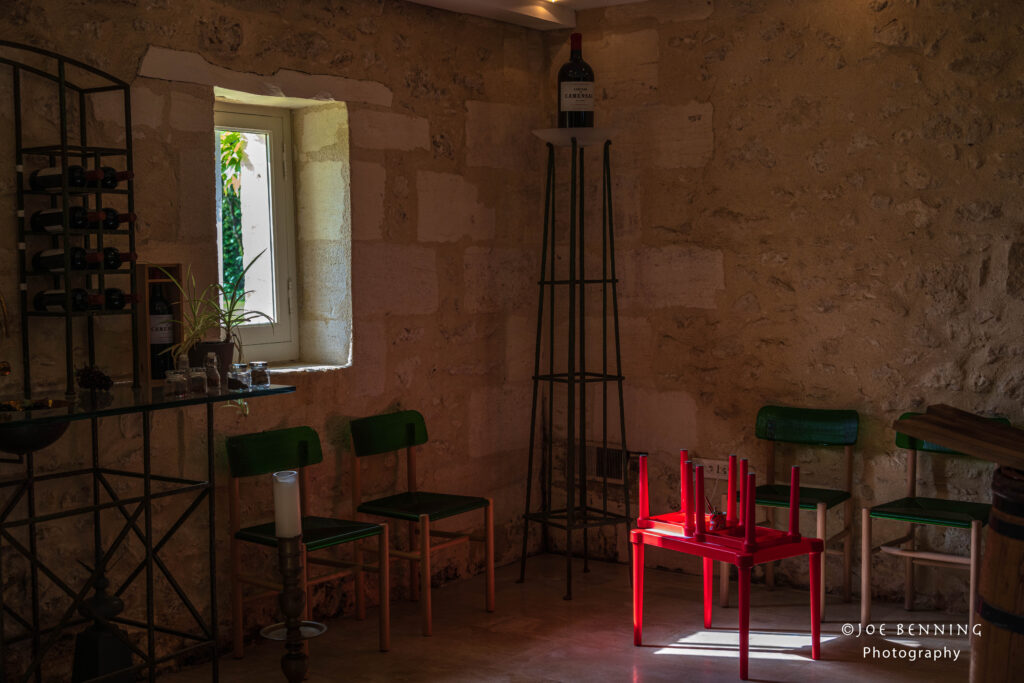
Chateau de Pressac., St EmilionInsude Chateau de Camensac in Medoc
All in all a good time was had by all; and it’s probably not the last time we’ll be spotted in France.
“Put on my blue suede shoes And I boarded the plane Touched down in the land of the Delta Blues In the middle of the pouring rain”
—Marc Cohen, Walking in Memphis
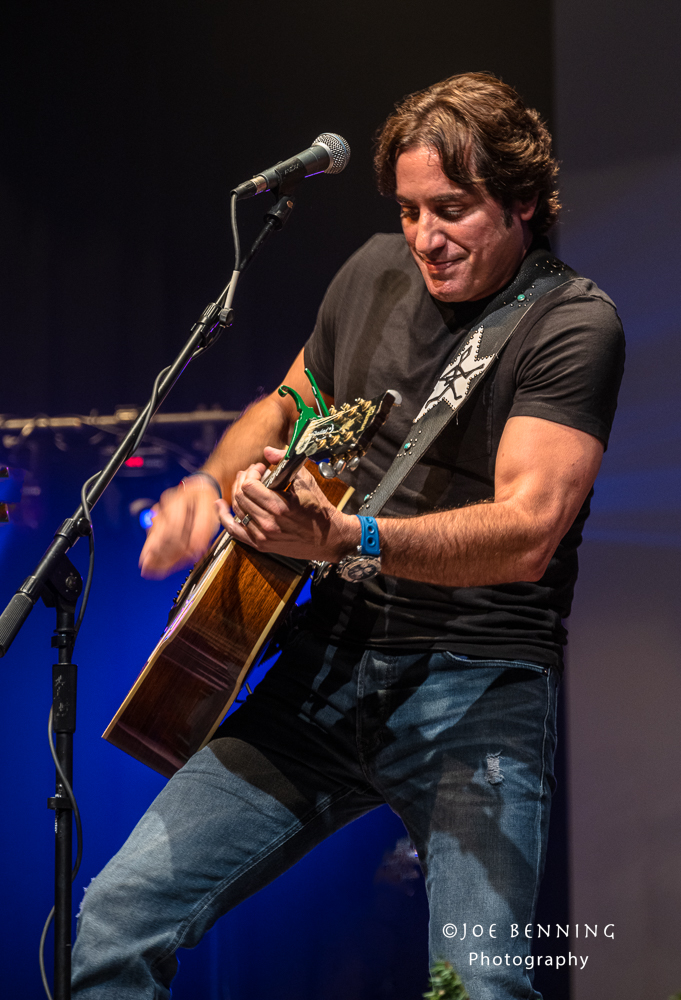
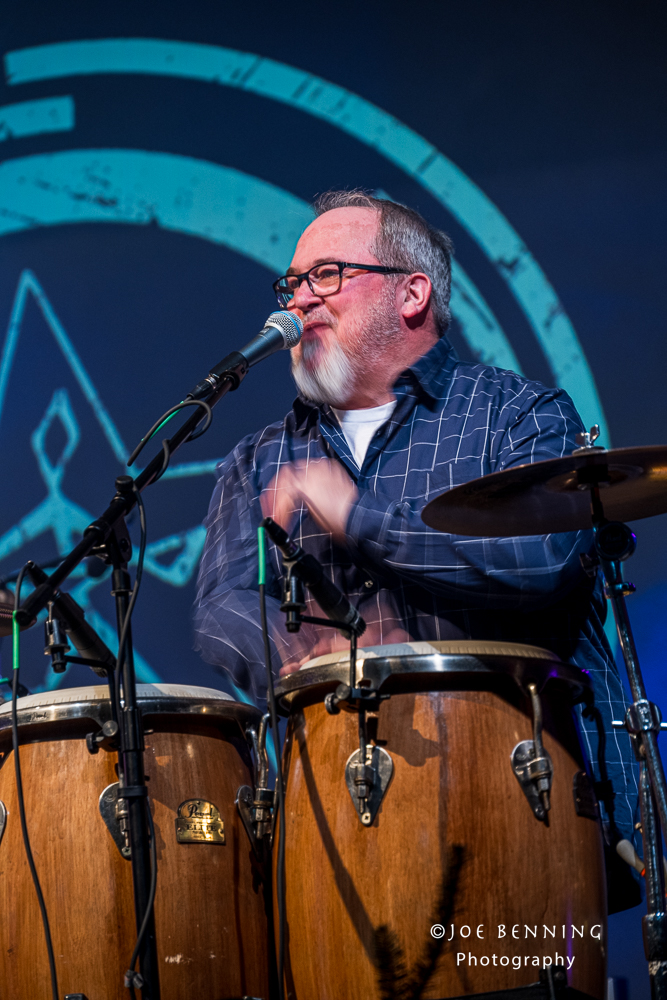
Toward the end of our Mississippi River cruise we stopped in Clarksdale, Mississippi while on our way to Memphis, Tennessee. While in Clarksdale, we saw one helluva show put on by Steve Azar and The King’s Men. A YouTube video of Steve and the Band playing “One Mississippi” follows below. Definitely worth a watch. You see a very different Mississippi than the one normally portrayed in the media.
Clarksdale, Mississippi — Dec 1, 2023. Steve Azar playing Guitar onstage in Clarksdale MississippiJason Young, Percussion
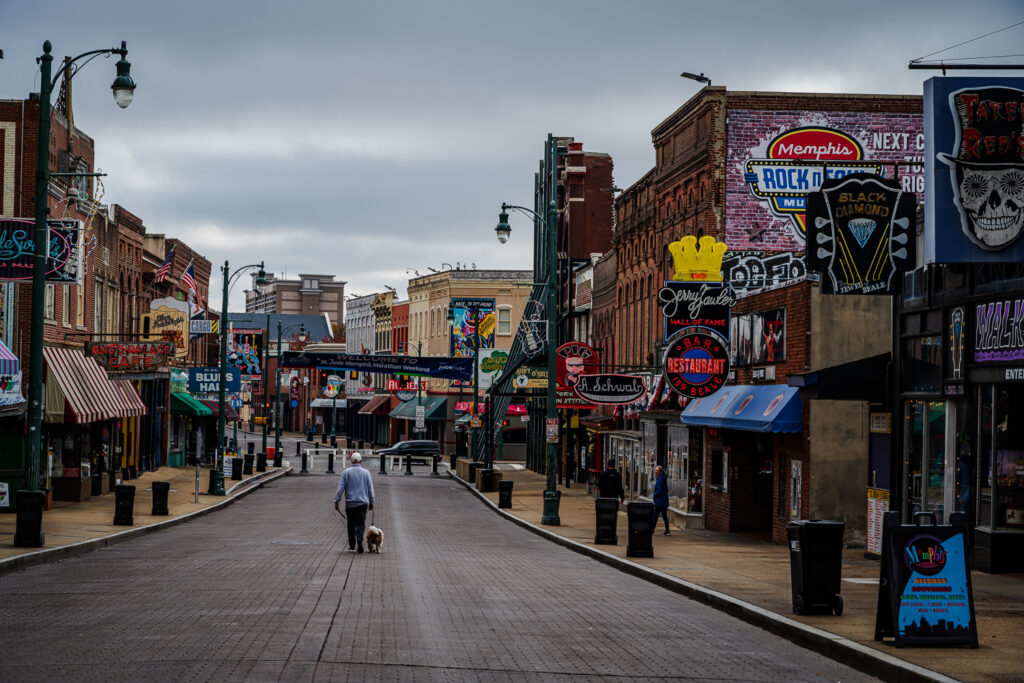
After Clarksdale we found ourselves in Memphis, Tennessee. Of course, we had to go and pay a visit to Beale St, minus our Blue Suede shoes. One place we visited that was particularly fascinating was the Rock ’n’ Soul Museum. The Museum traced the history of Rock, Soul and Pop with an emphasis on the social changes that occurred simultaneously with the development of Rock.
Man Walking On Beale Street
One of the more important players was the American producer, Sam Phillips, founder of Sun Records and Sun Studio in Memphis. Sun Studio is now designated as a National Historic Landmark.
In his studios in Memphis, Phillips produced a raft of names that would become famous in Rock ’n’ Roll history. Those names included Elvis Presley, Roy Orbison, Jerry Lee Lewis, Carl Perkins, Johnny Cash and Howlin’ Wolf. By producing as many artists as he did who sang what was then called “race music” Phillips took a big risk. But it paid off, and he became one of the foremost proponents of modern pop. He wryly observed that parental angst over apparent teenage infatuation with Elvis Presley et al. gave Rock ’n’ Roll a big boost.
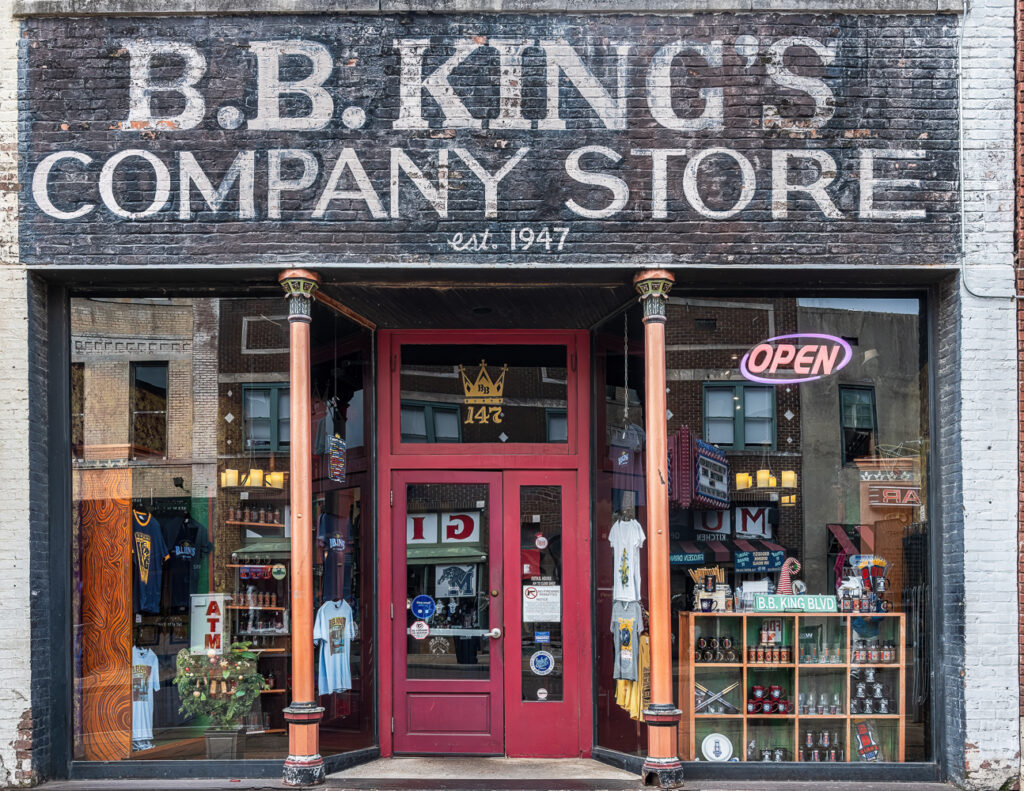
Memphis, Tennessee — December, 3, 2023. Photo of a B.B. King storefront on Beale street in Memphis on a quiet morning.
In recognition of his influence, Sam Phillips was part of the first group inducted into the Rock and Roll Hall of Fame. He was the first non-performer inducted into the Rockabilly Hall of Fame; he was also inducted into the Alabama Music Hall of Fame, the Country Music Hall of Fame and the inaugural class of the Memphis Music Hall of Fame.
We also spent some time at the Metal Museum which included a metal workshop, art pieces made with metal works and a metal sculpture garden. Across the street from the Metal Museum, we visited Chickasaw Heritage Park, once the fortress of Chief Chisca. The park features two ceremonial mounds built in the 1500s. And that sums up much of our stay in Memphis until we boarded the plane for home.
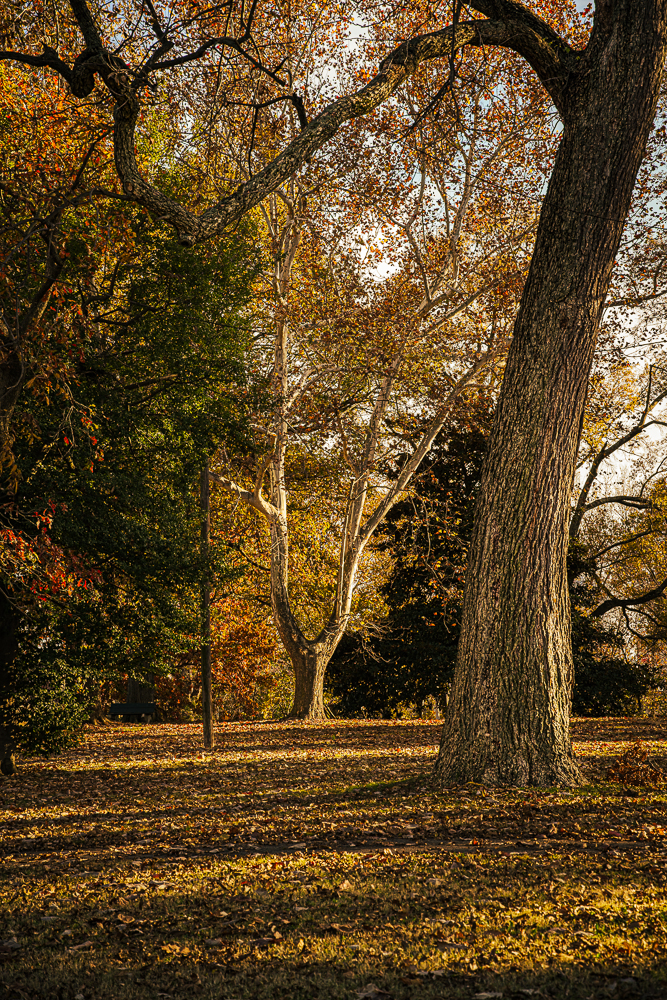
A vertical format photo of trees in a park in Memphis in late afternoon.
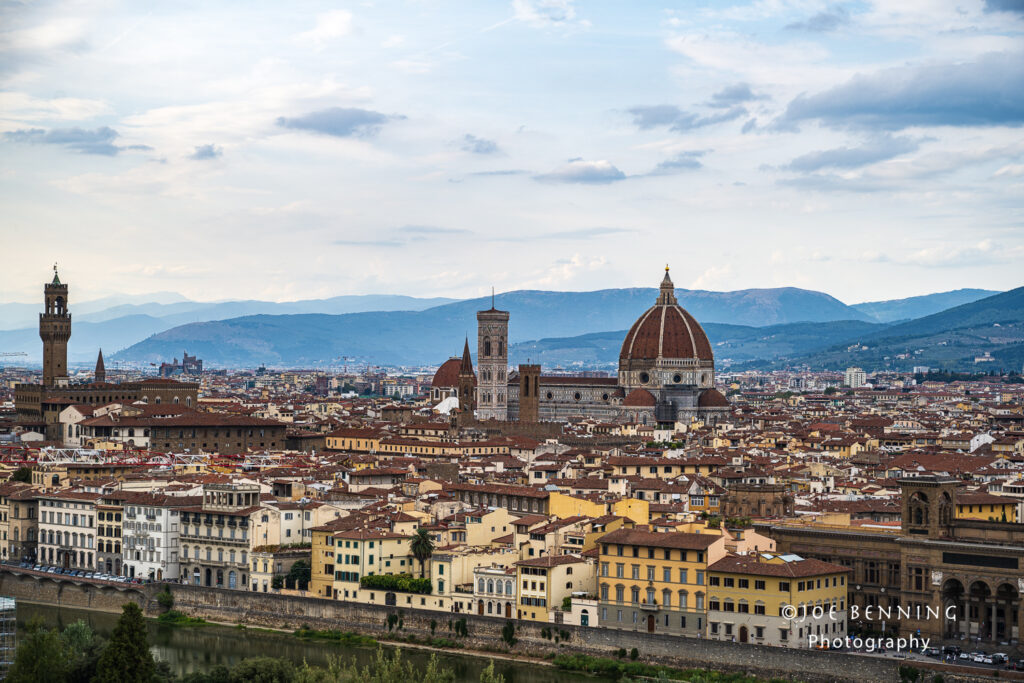
We are finally back after spending most of September in Tuscany, Italy. We had actually planned to get to Florence from Aix-en-Provence by train but a rock slide in the Alps covered the train tracks leading from France to Italy, so that plan got shelved. In the end we managed to fly to Florence from Marseilles, so everything worked out in the end.
There were lots of photo taking opportunities, so I took more than a few. Here (below) is a link to a web page that has some of them.
On May 19 we docked in Senegal, officially known as the Republic of Senegal. The ship’s captain reported today that we are currently in the process of exiting an area known for the highest risk of attack by pirates, which in its own way is sort of comforting.
Now to Senegal
With an estimated population of about 17 million people, Senegal is classified as a heavily indebted poor country. Per Capita GDP is estimated at slightly over $4,000. Its government is secular even though 95% of the population is Muslim.
Islam as practiced in Senegal seems to be a rather low key affair, especially when compared to the strict application of Sharia law in Islamic states. (Senegal has a secular Government). The country is said to peaceable; according to our guide, the promotion of peace and harmony is the order of the day. He also claimed that Senegal stood for equality for women. That has to be taken with a grain of salt inasmuch as polygamy is legal in Senegal, and not that unusual. The National Institutes for Health estimates that 48% of women and 32% of men are in polygamous unions in Senegal.
Although classified as a poor and highly indebted country, Senegal appears to be in a lot better shape than some, actually a lot, of the other countries we visited in Africa. For example, Senegal’s per capita GDP is about double that of Sao Tome and Principe; more than double Madagascar’s, triple Mozambiques’s and 1.5 times Togo’s. All comparisons are adjusted for purchasing power.
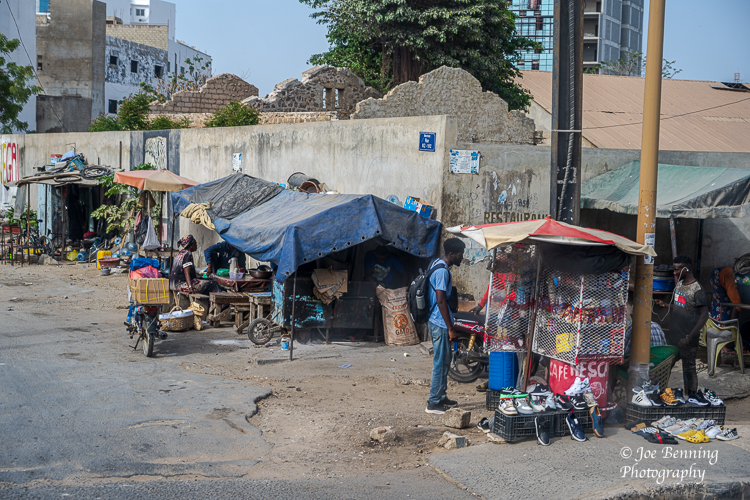
Mary Anne and I visited Senegal and did a half day tour of Dakar, the capital. It certainly didn’t seem so poor as some of the other countries we visited; not by a long shot. It had its relatively affluent sections as well as poorer areas. We did see some dilapidated shacks, but they were not routine the way they appeared to be in other places.
Side Street Stands in Dakar
There also appeared to be a thriving urban scene in the capital. As usual, the people in the country were very friendly.
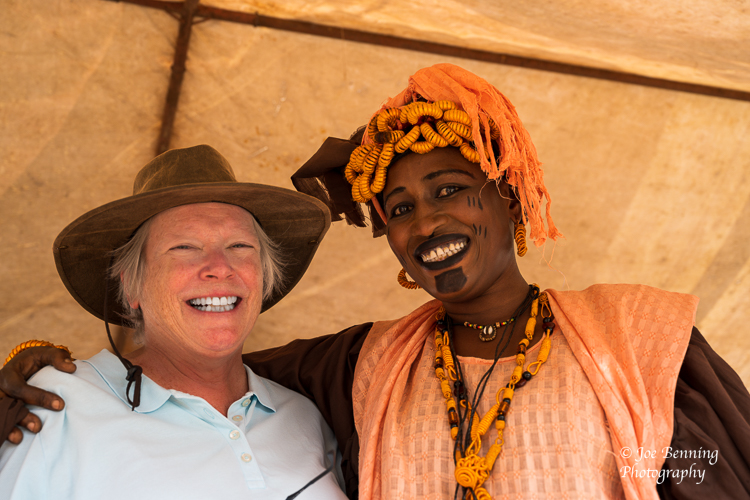
Among other things, we visited a village with a tour group. There the women performed native dances for us. We guessed that only the women danced because they don’t mix the sexes for dancing because it’s largely a Muslim country. Or maybe that is just the tradition. Then they invited women in the audience to join in—and Mary Anne turned out to be one of the volunteers!
Mary Anne with Native Senegalese Dancer
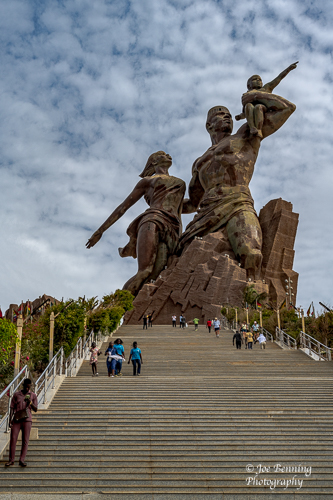
African Renaissance Monument in Dakar
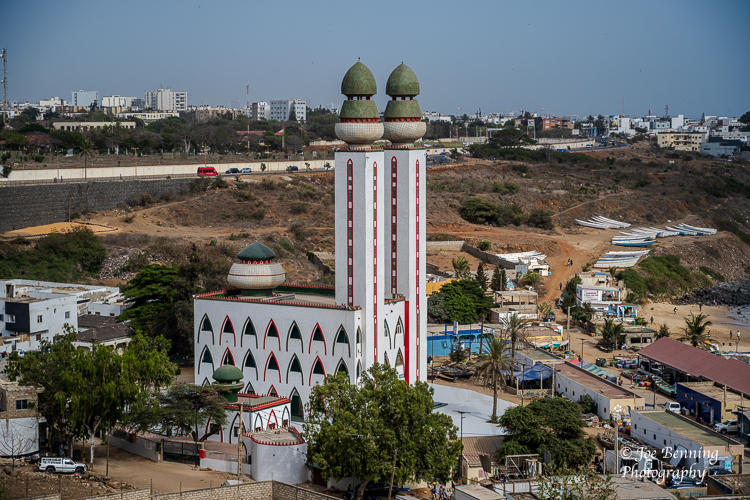
We also visited a gallery where they showed us how to create sand art. (Note we are getting close to where the sand from the Sahara will blow all over us if the wind changes direction.) We saw the presidential palace, which they call the Senegal White House. And we visited the African Renaissance Monument and a couple of local markets, including ones with large catches of fish. There were also plenty of goats and cows wandering around (Friday would be the day to slaughter a goat for the Islam holy day). We also did a very quick stop at the Divinity Mosque.
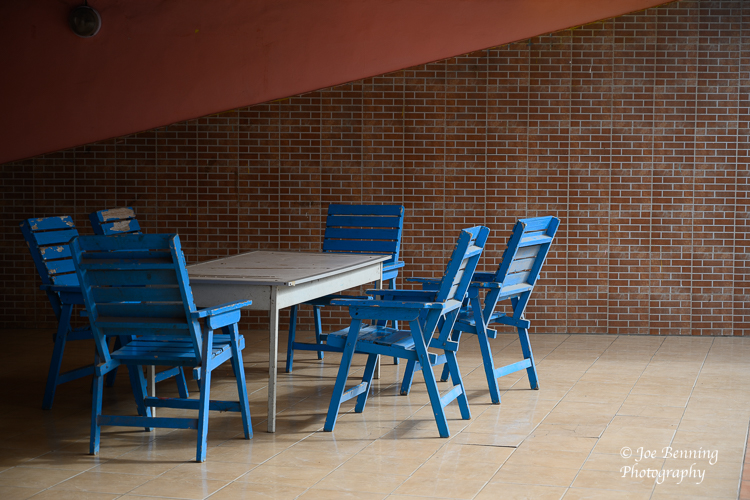
Mosque of Divinity in Dakar, SenegalTables and Chairs in a Senegalese Outdoor Restaurant
Before too long we expect to dock in Cape Verde. Then we sail to islands claimed by Spain (for instance Tenerife and the Canary Islands). The African Union has announced that these islands are African territory. That is starting to sound a bit like the Falklands in the 1980s. Anyway, overall it was a very interesting visit.