
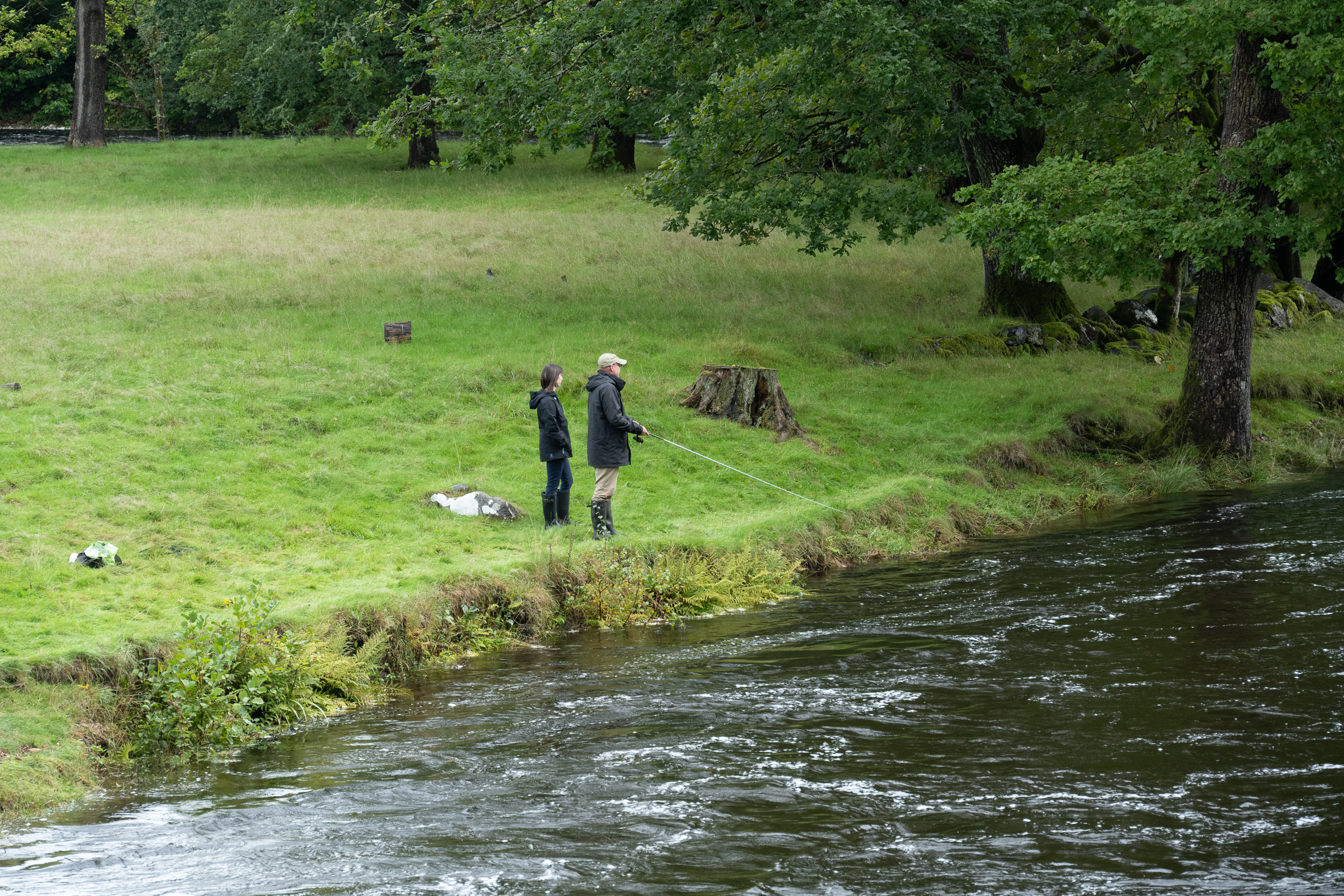
Well, we’re back from Wales and a short visit to England to visit friends. Wales is an exceptionally beautiful country, with a very small population of only about 3.1 million people. It has gorgeous mountainous scenery; like a lot of Europe it also has a long history of its various tribes making war on each other.
Population has remained relatively static since the 1970s as global economies of the West became more oriented toward services and less oriented toward heavy industry. Wales had fairly vibrant extraction industries (coal, copper, and slate) but those businesses began to decline and things like tourism began to take over.

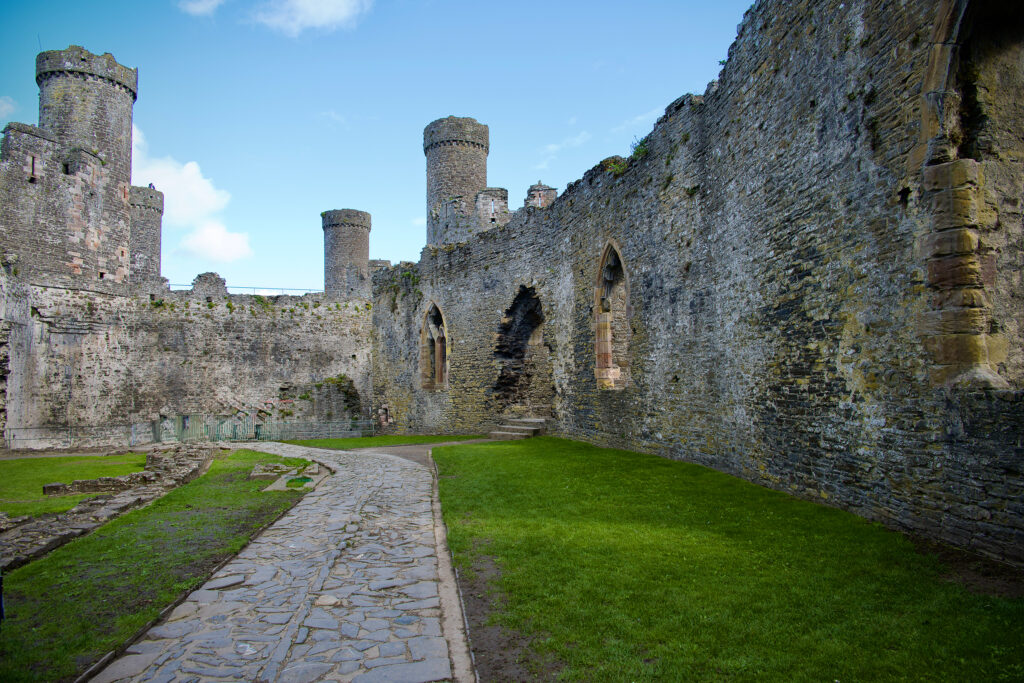
There were castles galore. And there were celebrations of Welsh writers to beat the band. Dylan Thomas (Do Not Go Gentle into That Good Night, Under Milk Wood) was certainly a favorite. Incidentally, that’s where Bob Dylan (who was born Robert Zimmerman) got his name.
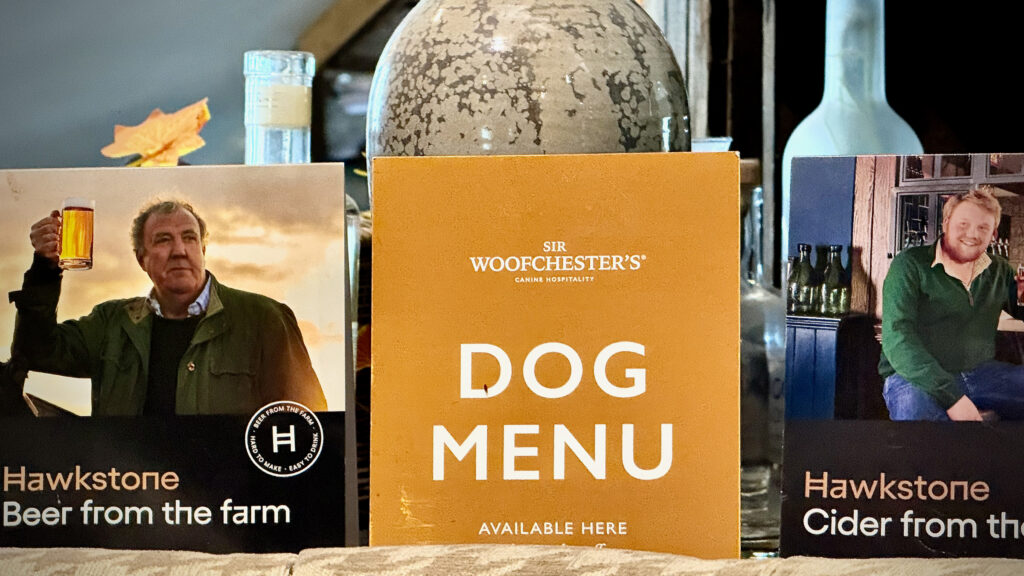
Sheep and Dogs were everywhere. And I mean everywhere. The Welsh put the French to shame where dogs are concerned. The caricature of the French woman bringing a French poodle into an expensive restaurant is kid stuff where Wales is concerned. When we were there we actually saw a few museums that posted a ticket charge for dogs. And at least one pub advertised a menu for dogs!
There is a movement of sorts to try and save the Welsh language. They of course don’t use the word “save”; they insist that it is a living language, but I have my doubts. The “official” language of Wales is Welsh, but only about 20% of the people speak it. The predominant language of Wales is English. About three-quarters of adults say they lack Welsh language skills.
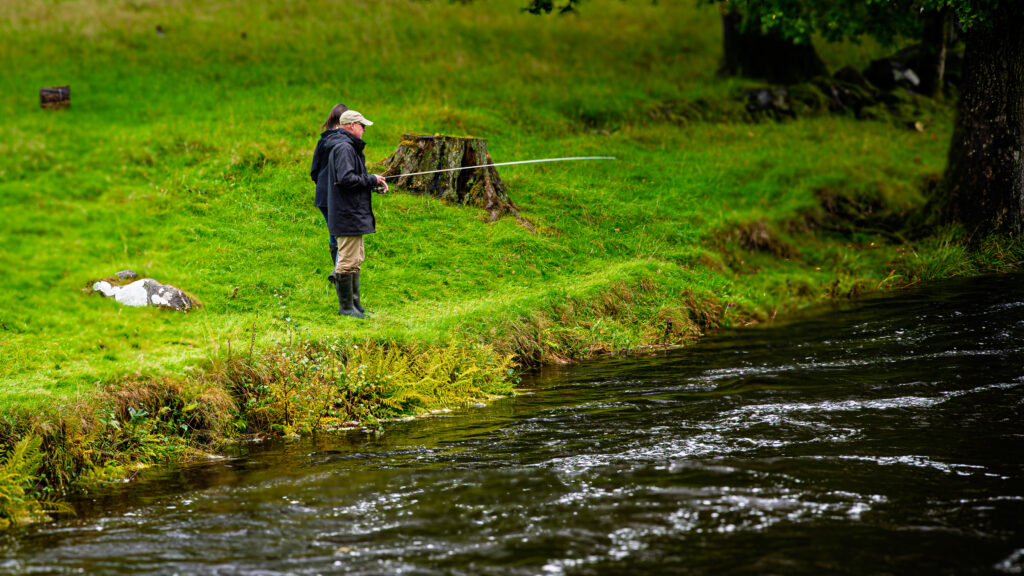
In short, Wales is a beautiful country with spectacular green hills, mountains and breathtaking scenery. In a way it is like the Douro Valley in Portugal where the locals cling to a more traditional way of life. But while Wales is bears some similarity to the Douro Valley, it doesn’t have a Lisbon which is a lot busier and more sophisticated. Or for that matter– Ireland– where Dublin has made itself into a world class city in a short 25 years.
The jury, as they say, is still out on whether Wales will succeed in making significant forward progress as they try to resurrect a more traditional lifestyle. We will just have to wait and see.
JFB